U.S. Ambassador to Lebanon Michel Issa urged caution over a U.S.-backed plan to establish pilot security zones in southern Lebanon, saying the process must prioritize civilian safety as Israel and Lebanon prepare for another round of negotiations in Rome.
Issa said in an Aug. 3 statement that “moving too quickly” with the pilot zones “risks jeopardizing the very civilians this process is meant to protect.”
He said the initiative should proceed carefully to avoid creating new security risks for residents returning to southern Lebanon.
The agreement follows months of fighting between Israeli forces and Hezbollah, an internationally designated terrorist group based in Lebanon and aligned with Iran.
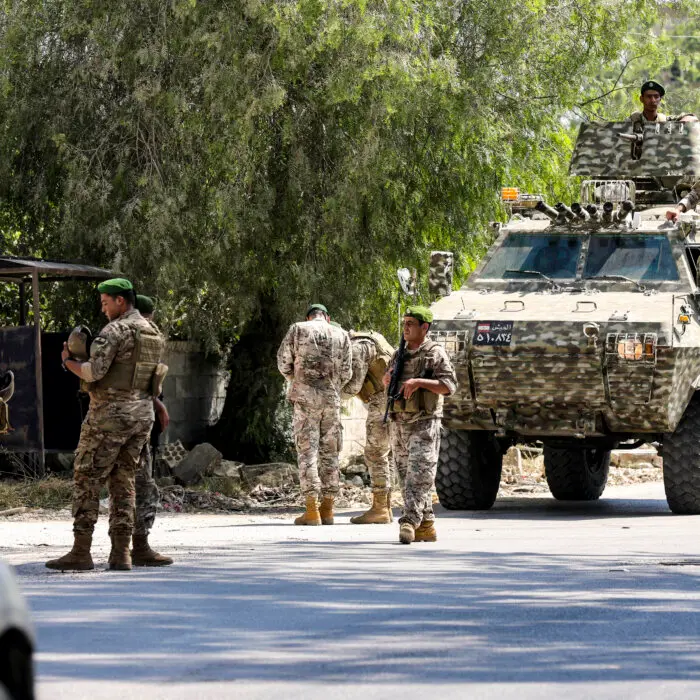
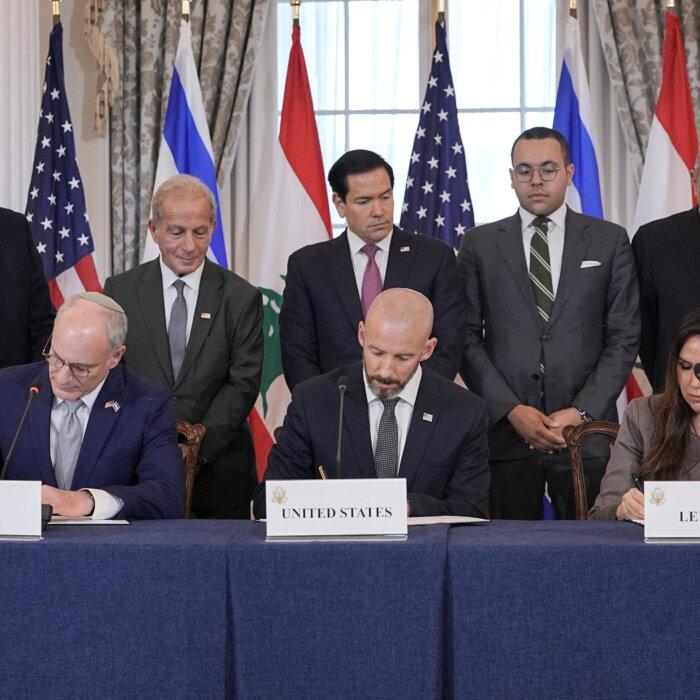
“I am encouraged that talks in Rome remain ongoing, and I hope both governments reach a successful outcome,” Issa said in his statement. “A great deal of technical work remains to ensure civilian safety on the ground.”
The Epoch Times sought confirmation from the U.S. State Department that the next round of talks will take place in Rome from Aug. 4–6, but didn’t receive a response by publication time.
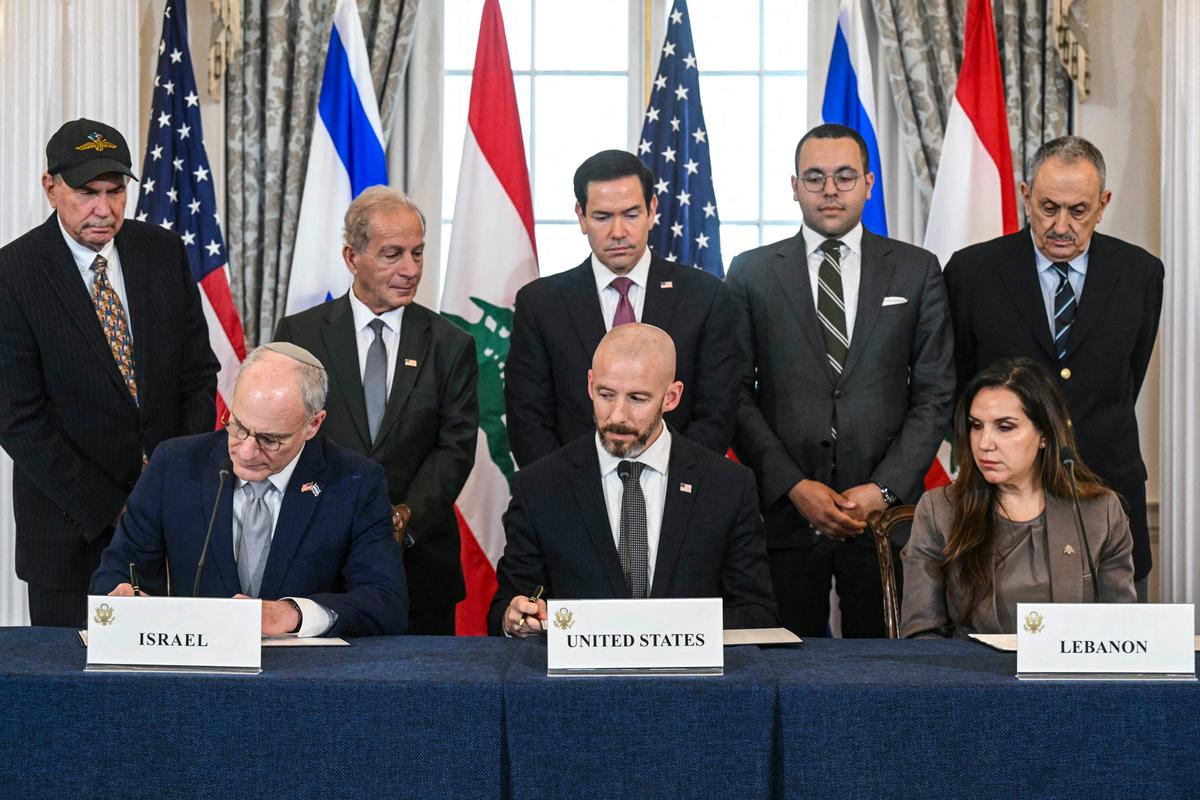
The Lebanese army has deployed to Froun and Srifa, while deployment to Zawtar al-Gharbiya began after coordination with Israel, the United States, and the Military Coordination Group for Lebanon following a partial Israeli withdrawal.
Both the Israel Defense Forces (IDF) and the Lebanese army said the initiative is part of the U.S.-backed pilot zone program.
Issa said there was “a meaningful difference” between drafting an agreement and implementing it.
He said taking more time to implement the first pilot zone would allow future zones to proceed more efficiently and stressed that both sides must first agree on “a clear, workable process before proceeding.”
Hezbollah was established in the 1980s during Israel’s occupation of southern Lebanon. Although the occupation ended in 2000, the group and Israeli forces have continued to clash.
According to Lebanon’s Ministry of Public Health, 4,333 people have been killed and 12,236 wounded in what it describes as the Israeli “aggression” since March 2.
Israel says that Hezbollah maintains military power with political influence inside Lebanon.
According to the IDF, Hezbollah has tens of thousands of fighters and a large arsenal of rockets, missiles, and drones, and has launched attacks into Israel since October 2023 that have killed civilians and displaced residents from border communities.
The Israeli military said in an Aug. 2 post on X that five Lebanese soldiers were injured when their vehicle struck an explosive device in southern Lebanon.
An investigation found the device belonged to a Hezbollah terrorist, the IDF said, and that the explosion occurred near Kfara, “outside the Security Zone in southern Lebanon, where no IDF soldiers had any presence.”
Last week, the IDF said that it had dismantled several underground tunnels beneath the Beaufort Ridge in southern Lebanon.
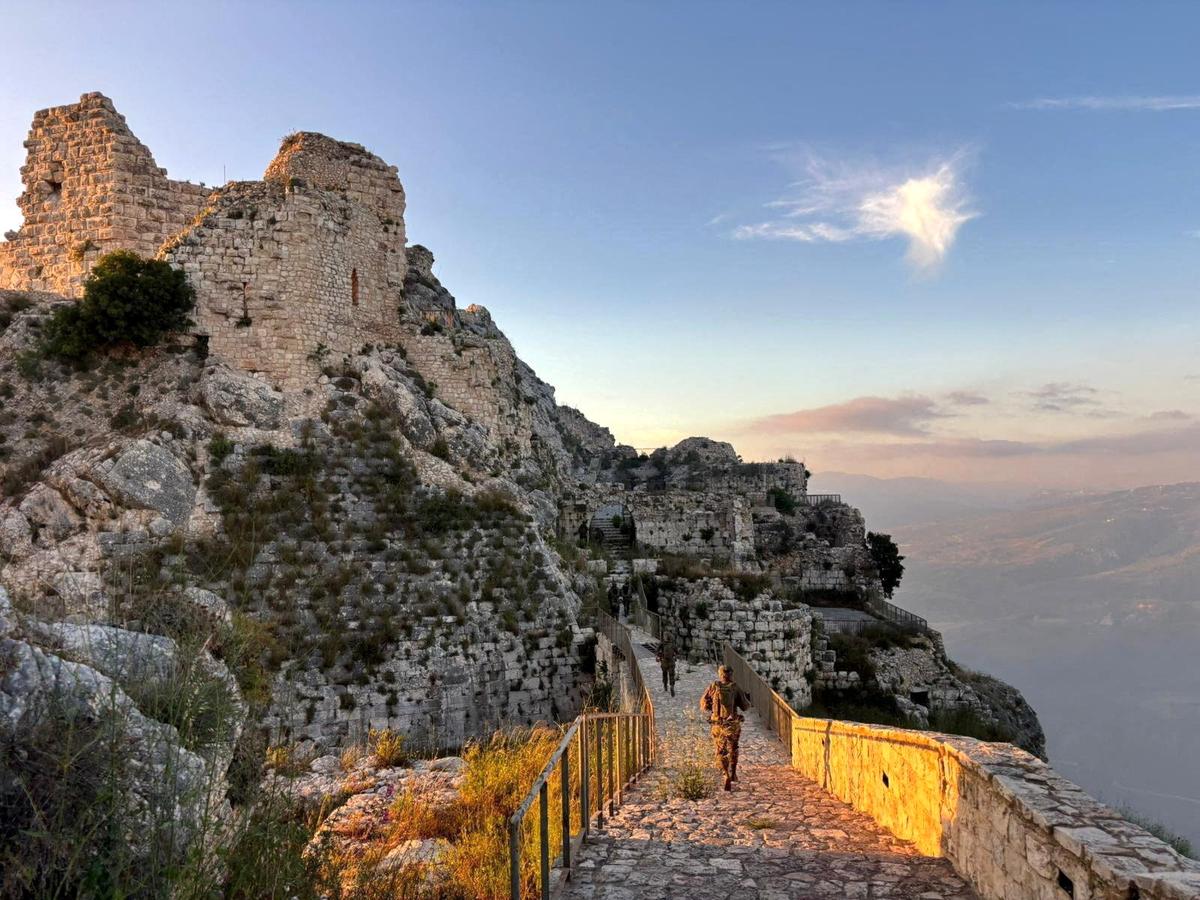
The Israeli military described the tunnel network as a strategic Hezbollah command center built over two decades and used to direct attacks on Israeli troops and civilians.
“Any attempt by Hezbollah to harm IDF forces or Israeli citizens will be met with a harsh and powerful response that will exact a heavy price from the terror organization,” Israeli Prime Minister Benjamin Netanyahu’s office said in a July 30 post on X.
UNESCO’s World Heritage Committee on July 24 inscribed Lebanon’s Mount Amel Castles, which features five fortified sites including Beaufort Castle, on both the World Heritage List and the List of World Heritage in Danger.
Lebanese President Joseph Aoun on July 31 condemned what he described as Israel’s continued violations in southern Lebanon, including explosions targeting infrastructure and archaeological sites.
He said the blasts had caused widespread damage and threatened the safety and security of citizens, according to his office.
“President Aoun considered that the massive explosions recorded today at Beaufort Castle (Qalaat Al Chakif), which generated seismic waves equivalent to a 3.8-magnitude earthquake on the Richter scale, according to the National Center for Geophysics, constituted a highly dangerous escalation and a blatant violation of existing commitments,” Lebanon’s presidency said in a post on X. “[Aoun] said they also represent a direct threat to the process launched under the framework agreement, which Lebanon has committed to fulfilling.”