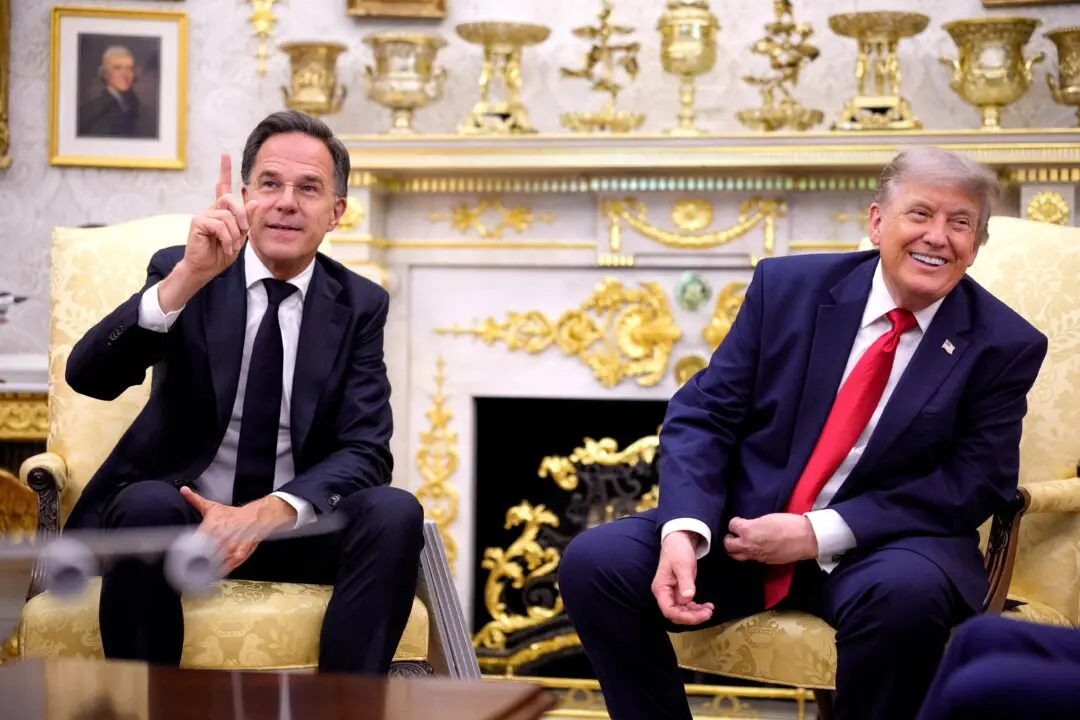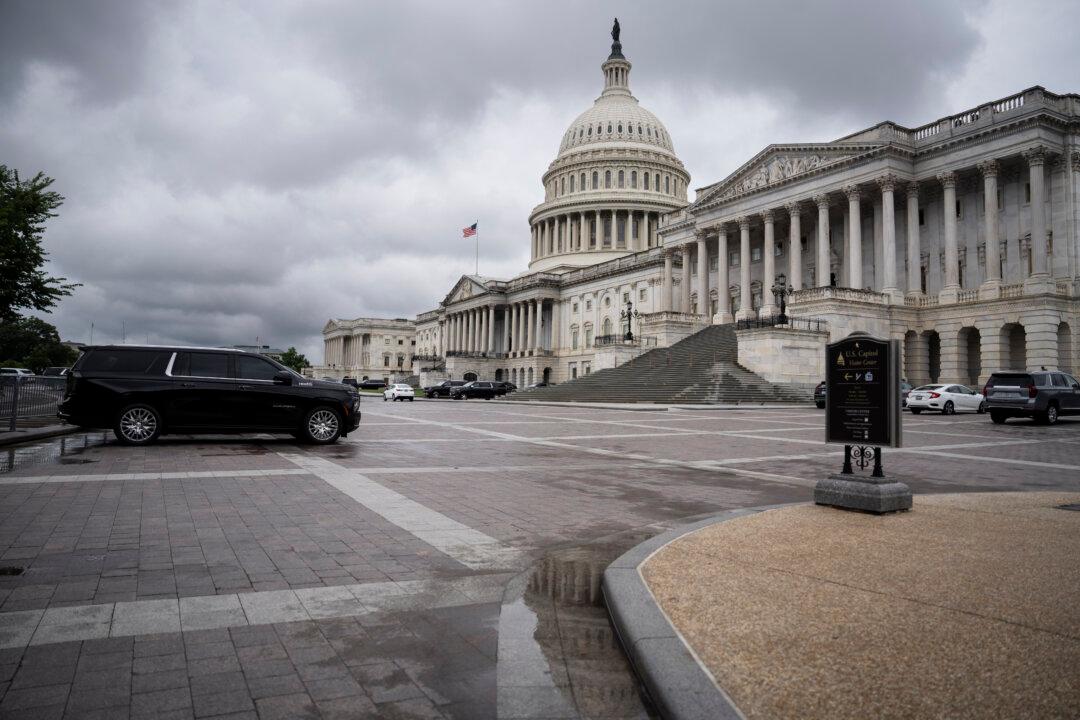
The governments of Lebanon, Israel, and the United States enacted a new peace framework on June 26, aimed at resolving months of armed conflict and bringing about long-term stability.
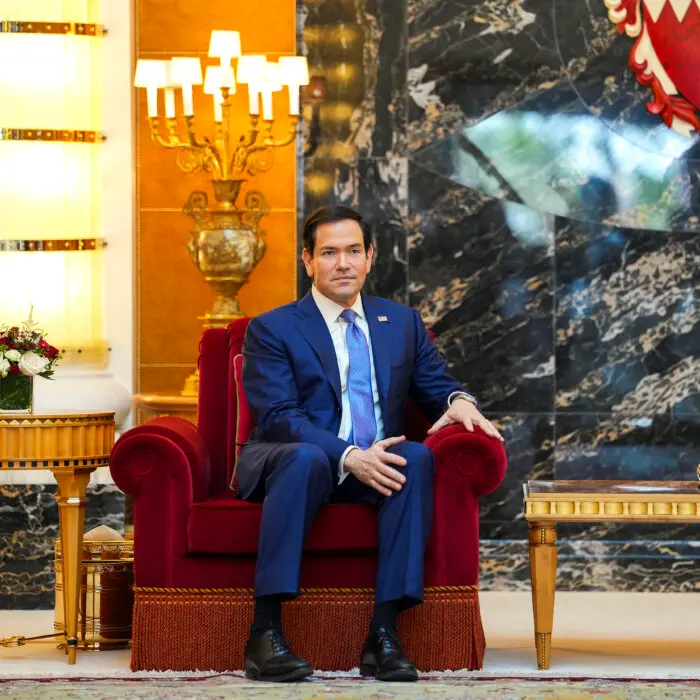
“We are happy to announce a framework agreement between the sovereign government of Lebanon and of the government of Israel, with the mediation and support of the United States of America, that begins to put in place a framework for lasting peace and security,” U.S. Secretary of State Marco Rubio said at a signing ceremony in Washington. “And that’s what these two nations deserve.”
The deal follows months of fighting between Israeli forces and Hezbollah, an internationally designated terrorist group based in Lebanon and aligned with Iran. Israeli forces have been operating on the ground inside southern Lebanon, and have carried out airstrikes in other parts of the country in pursuit of Hezbollah targets.
Israel’s military operations against Hezbollah have become a persistent sticking point in efforts to negotiate a long-term peace settlement with Iran. After U.S. and Israeli forces commenced strikes on Iran on Feb. 28, Hezbollah began targeting Israel with new rocket and drone attacks, setting off a new chapter of fighting in a longer-running conflict along the Israel–Lebanon border.
After the United States and Iran entered into a ceasefire on April 7, Iranian officials cried foul at continuing Israeli military operations in southern Lebanon, and demanded the peace extend to Lebanon’s territory. The Israeli and Lebanese governments reached a separate ceasefire agreement on April 16, but sporadic fighting has continued along the Israel–Lebanon border since.
A new peace framework the United States and Iran entered into on June 17 called for both countries and their allies to “declare the immediate and permanent termination of military operations on all fronts, including in Lebanon.” Despite this agreement, fighting flared up again in southern Lebanon on June 19, when Hezbollah killed four Israeli soldiers involved in a night-time patrol to uproot underground Hezbollah weapons caches and fighting positions.

Israeli forces responded with dozens of airstrikes across southern Lebanon, before both sides declared a new truce.
Lebanese Ambassador Nada Moawad and Israeli Ambassador Yechiel Leiter signed the new peace framework on June 26.
“The trilateral framework we signed today is a first step on the road to restoring Lebanese sovereignty and territorial integrity, securing a permanent and final cessation of hostilities, enabling our people to go back to their land, and allowing all Lebanese to live in peace, security, and prosperity,” Moawad said.
Leiter said, “In this performance-based trilateral framework agreement, Iran is out, Hezbollah is out, and the road to peace between Israel and Lebanon is in.”
The officials at the signing ceremony did not offer additional details as to how this new agreement differs from the April 16 ceasefire.
Speaking with reporters after the signing ceremony, Leiter indicated there is an expectation for the Lebanese armed forces to take increasing responsibility to disarm Hezbollah and dismantle their fighting positions and infrastructure.
“To the degree that the Lebanese army performs in dismantling and disarming Hezbollah, we will proceed with additional pilot zones and the ultimate determination of an internationally recognized, secure, and agreed upon border,” Leiter said.
In statements shared by the Lebanon-based Al Mayadeen media outlet, the Hezbollah-affiliated Lebanese member of parliament Hassan Fadlallah denounced the agreement reached on June 26.
“The authorities will not be able to enforce the agreement signed in Washington unless they resort to civil war with U.S. backing,” Fadlallah said, later adding, “We will confront any measure taken by the authorities and will remain more committed than ever to our resistance and our weapons.”
Reuters contributed to this report.
This is a developing report and will be updated with additional details.