Iranian Minister Calls for Human Chains Around Power Plants

Iranian President Masoud Pezeshkian said that millions of citizens are ready to ’sacrifice their lives’ for the regime.
Iranian Minister Calls for Human Chains Around Power Plants
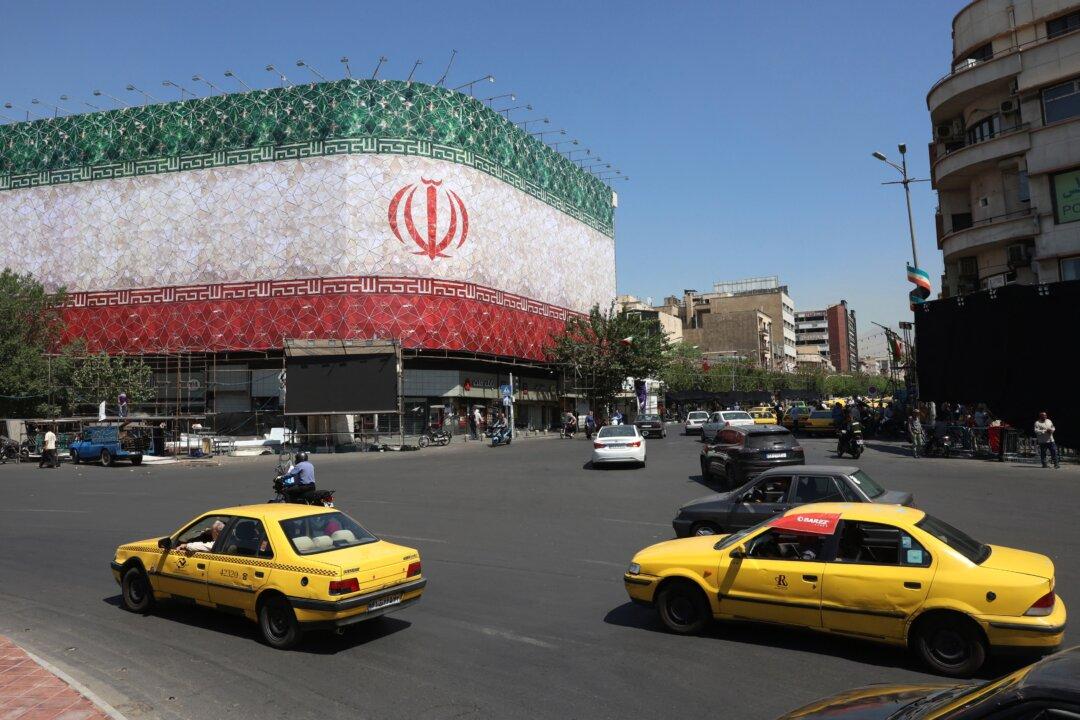
People drive their motorbikes past a billboard that shows a graphic depicting Iranian leader Ayatollah Mojtaba Khamenei in downtown Tehran, Iran, on April 6, 2026. Vahid Salemi/AP Photo
|Updated:
0:00

An Iranian minister has called for citizens, including students, to make human chains around power plants, after U.S. President Donald Trump threatened Iranian infrastructure if the Strait of Hormuz is not fully reopened by his April 7 deadline.

Alireza Rahimi, identified by Iranian state television as the secretary of the Supreme Council of Youth and Adolescents, called on “all young people, athletes, artists, students and university students and their professors” to form the human chains.

“Power plants that are our national assets and capital, regardless of any taste or political viewpoint, belong to the future of Iran and to the Iranian youth,” Rahimi said on April 7.

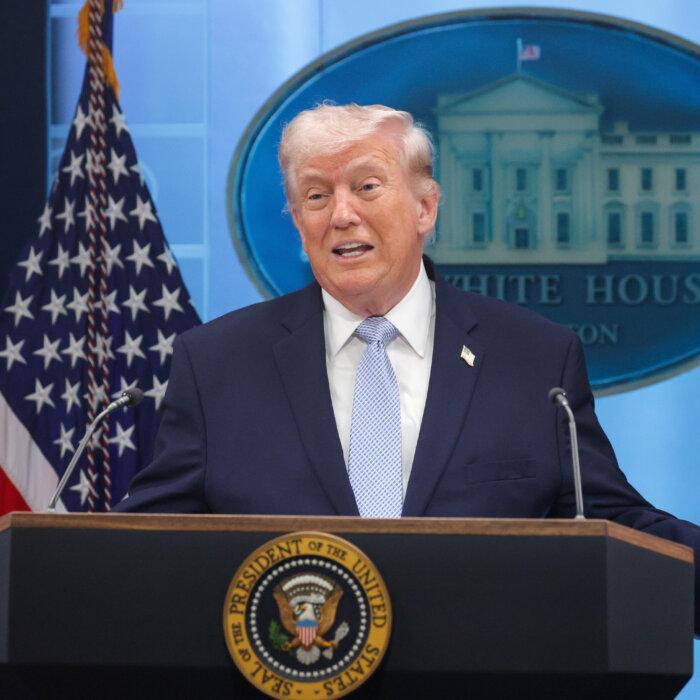
Trump on April 5 threatened to target Iran’s power plants and bridges if the Strait of Hormuz is not fully reopened.

“Tuesday will be Power Plant Day, and Bridge Day, all wrapped up in one, in Iran,” the U.S. president wrote in a Truth Social post.

On April 7, Iranian Gen. Hossein Yekta, previously identified as leading plainclothes units of the all-volunteer Basij force, urged parents to send their children to man checkpoints, which are also repeatedly targeted in airstrikes.
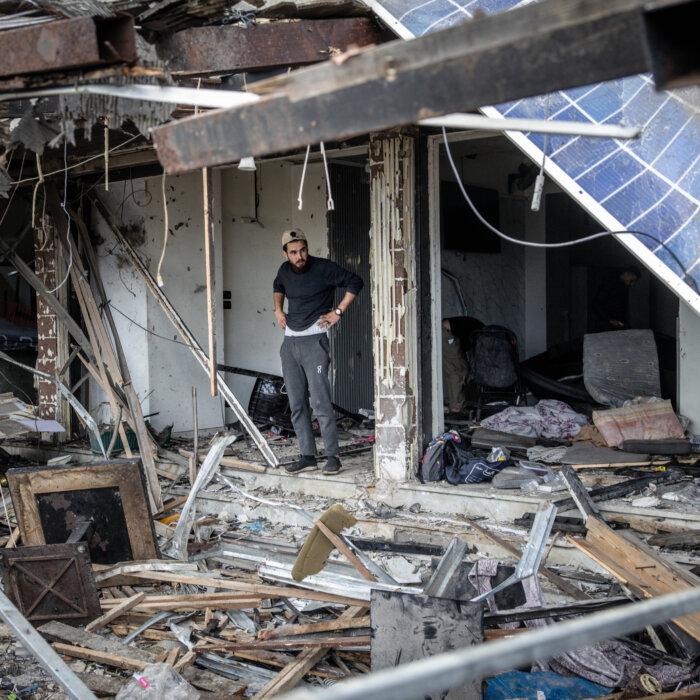
“Moms, dads, take your kids’ hands and go out on streets,” Yekta said on an Iranian state television channel. “Do you want your kid to become a real man? Let him feel like a hero standing right at the heart of the battlefield. Moms, dads, at night, send your kids to man checkpoints. They become men!”

With the deadline looming, there are further displays of Tehran’s rejection of negotiations, including from Iranian President Masoud Pezeshkian, who said in a April 7 post on X that millions of citizens are ready to put their lives on the line for Iran.
“More than 14 million brave Iranians have so far declared their readiness to sacrifice their lives to defend Iran. I, too, have been, am, and will be sacrificing my life for Iran,” he added.

Fighting Continues

Fighting continues in the region, with Israeli military saying on April 7 that it had completed “an extensive strike mission” targeting the Iranian regime’s infrastructure in Tehran.

The previous day, the Israel Defense Forces (IDF) said it struck a petrochemical complex in Shiraz in southern Iran, which it described in a post on X as “one of the few remaining complexes for producing essential chemical components for explosives and materials for ballistic missiles in Iran.”

The IDF also said in an April 7 post on Telegram that it had identified missiles launched from Iran toward Israel, with defensive systems under operation to intercept the threat.
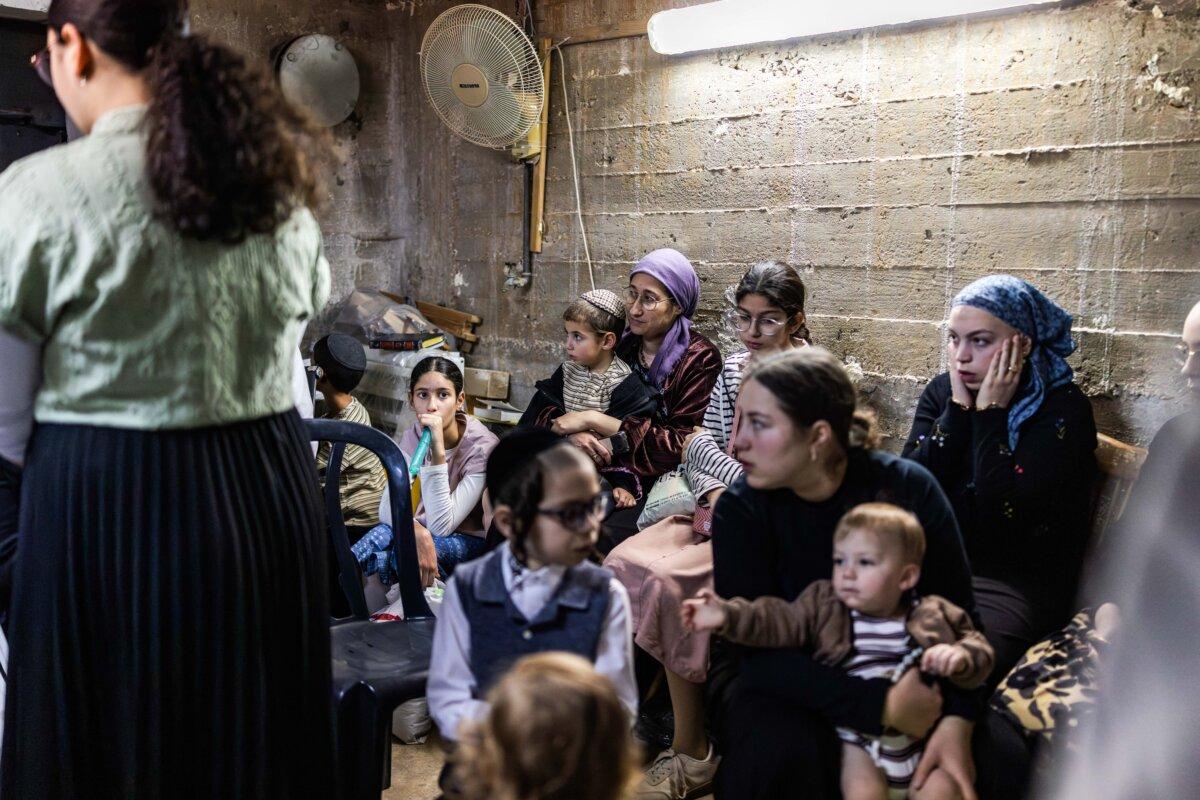
Ultra-Orthodox Jews take cover inside a bomb shelter in Bnei Brak in central Israel on April 6, 2026. (Ilia Yefimovich / AFP via Getty Images)
Ultra-Orthodox Jews take cover inside a bomb shelter in Bnei Brak in central Israel on April 6, 2026. Ilia Yefimovich / AFP via Getty Images

Despite the ongoing fighting and signals from Iran that it would not seek agreement with the United States, last-ditch efforts to broker a U.S.–Iran cease-fire continue.

Iran’s ambassador to Pakistan, Reza Amiri Moghadam, said in an April 7 post on X that Islamabad’s efforts to end the war between Washington and Tehran were approaching a “critical, sensitive stage.”

Moghadam added that people should “Stay Tuned for more” in the brief social media post, which did not reveal any specifics about what Pakistan had been doing to secure a deal.

Pakistan has been attempting to bring the conflict to a close since it began, trying to leverage its ties with both the United States and Iran to defuse the situation.

Strait of Hormuz

Trump’s threat to target Iran’s power plants and bridges follows similar warnings that the United States would target the regime’s infrastructure if Tehran did not open the Strait of Hormuz.
On April 2, Trump posted a video on Truth Social showing U.S. forces destroying sections of a major bridge near Tehran.

“It is time for Iran to make a deal before it is too late, and there is nothing left of what still could become a great country!” Trump wrote in the post accompanying the video.
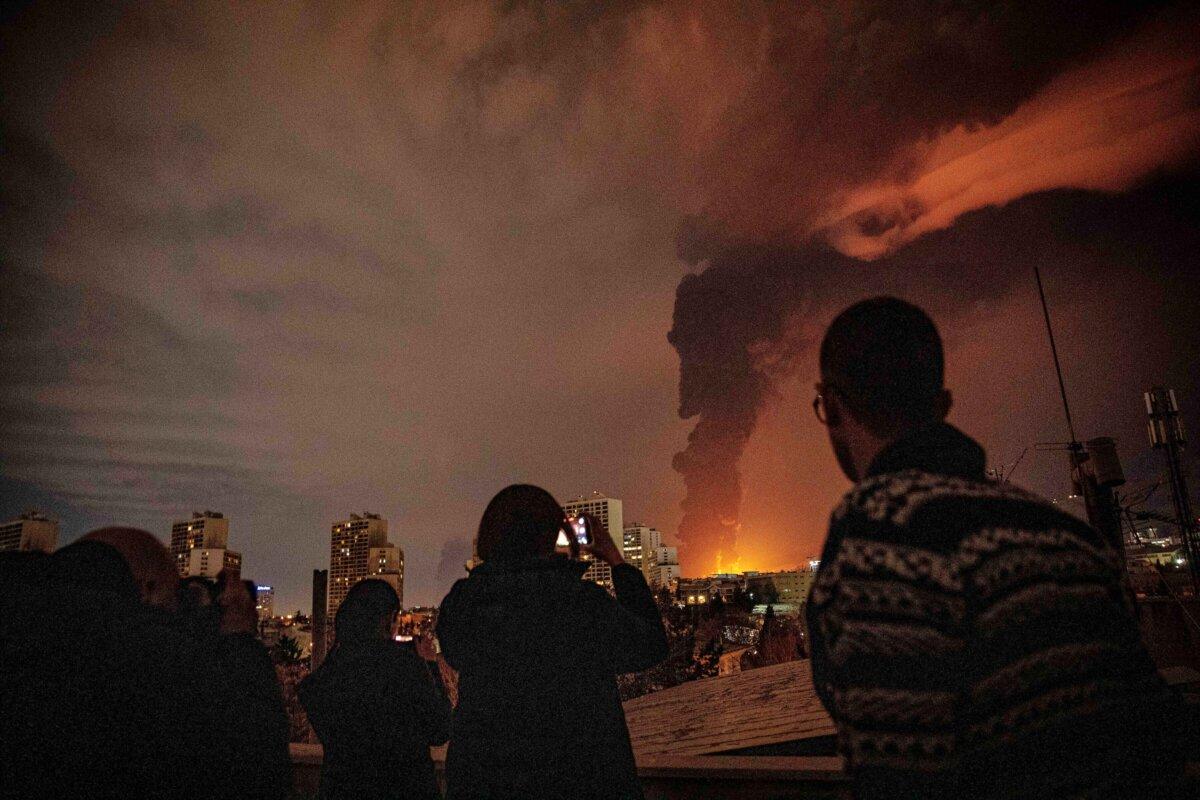
Residents watch and take pictures as flames and smoke rise from an oil storage facility struck as attacks hit the city during the U.S.–Israeli military campaign in Tehran, Iran, on March 7, 2026. (Alireza Sotakbar/ISNA via AP)
Residents watch and take pictures as flames and smoke rise from an oil storage facility struck as attacks hit the city during the U.S.–Israeli military campaign in Tehran, Iran, on March 7, 2026. Alireza Sotakbar/ISNA via AP
The Strait of Hormuz, located between Iran and Oman, is one of the world’s most important energy transportation chokepoints, carrying roughly 20 percent of global oil supply each day.
Iran’s Islamic Revolutionary Guards Corps (IRGC) suggested that it would launch additional retaliatory strikes if the United States were to target its infrastructure, according to an article published by state-run PressTV on April 5.

“If attacks on civilian facilities are repeated, the next phase of the operation will be more intense and broader in scope,” the IRGC said.

Concrete and rebar dangle from a damaged B1 bridge, a day after it was destroyed by an airstrike, west of Tehran in Karaj, Iran, on April 3, 2026. (Majid Saeedi/Getty Images)
Concrete and rebar dangle from a damaged B1 bridge, a day after it was destroyed by an airstrike, west of Tehran in Karaj, Iran, on April 3, 2026. Majid Saeedi/Getty Images
The IRGC did not specify what would be targeted, but the regime previously threatened to target U.S. companies in the region, including Amazon, Google, Meta, and Microsoft.

Amazon confirmed in March that some of ​its data centers in the United Arab Emirates and Bahrain were damaged by drone strikes in the Middle East ‌conflict, disrupting cloud services.
In a March 24 statement to The Epoch Times, an Amazon Web Services spokesperson said the company was working with authorities and prioritizing staff safety while assisting clients affected by the outage in Bahrain.
The Associated Press, Guy Birchall, and Jacki Thrapp contributed to this report.
Google LogoMark Us Preferred on Google
Victoria Friedman
Victoria Friedman
Author
Victoria Friedman is a UK-based journalist covering a wide range of international stories, with a particular interest in technology, eastern Europe, and defense.