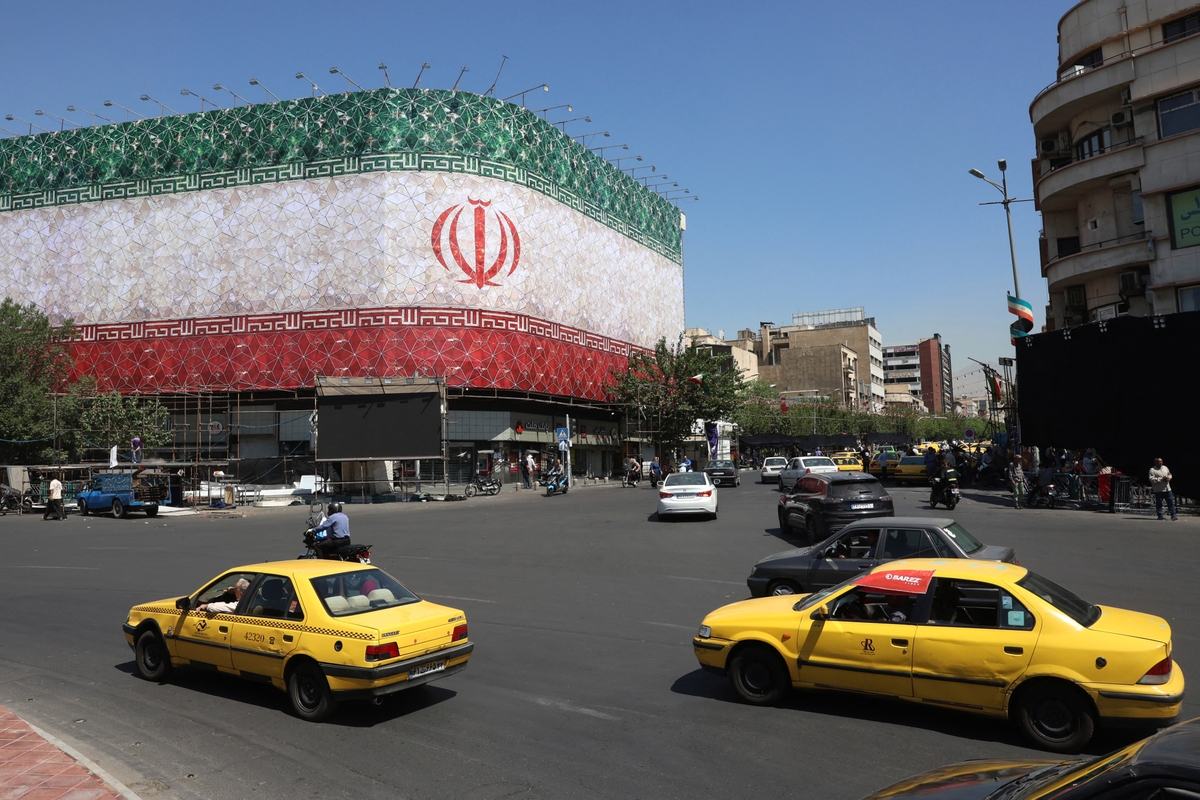

British embassy staff have withdrawn from Tehran due to regional tensions and the security situation in Iran, the British government has said.
“UK staff have been temporarily withdrawn from Iran,” the British Foreign, Commonwealth, and Development Office (FCDO) said in an updated travel advisory from July 22. “Our embassy continues to operate remotely.”
The FCDO continues to advise against British citizens traveling to Iran, adding that those already in the country “carefully consider your presence there and the risks you take by staying.”
It adds that being British or a British-Iranian dual citizen could put a person at “significant risk” of arrest, being questioned, or detained.
“Having a British passport or connections to the UK can be reason enough for the Iranian authorities to detain you,” the department said.
The British Embassy in Tehran also temporarily closed and withdraw its staff on Feb. 27, the day before joint strikes by the United States and Israel in the opening salvo of the Iran War.
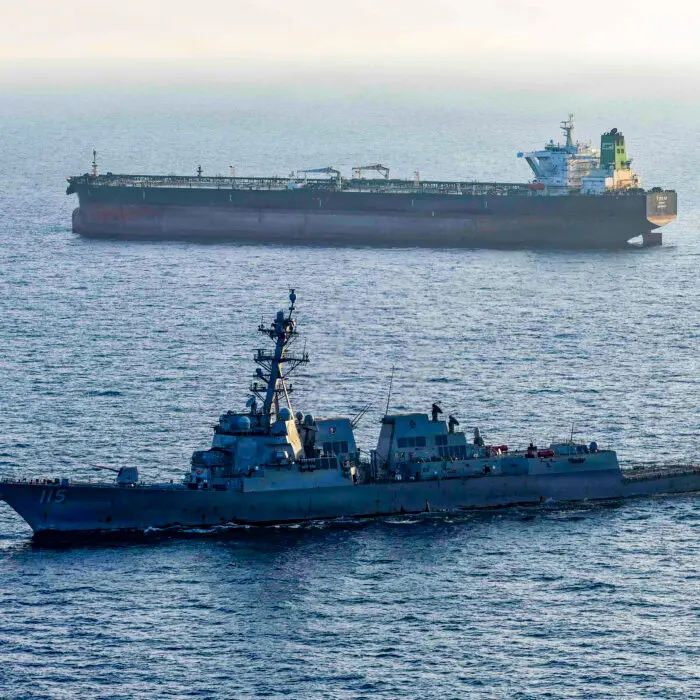
British officials at the time cited the security situation in the region, with the FCDO saying its ability to assist British nationals was extremely limited and there was no in-person consular support available, even in emergencies.
Tensions had begun to rise in the days leading up to the U.S.–Israeli strikes, with several countries pulling dependents of staff and non-essential staff from diplomatic missions in the Middle East, and advising their citizens against travel to Iran.
Trump’s Warning to Iran
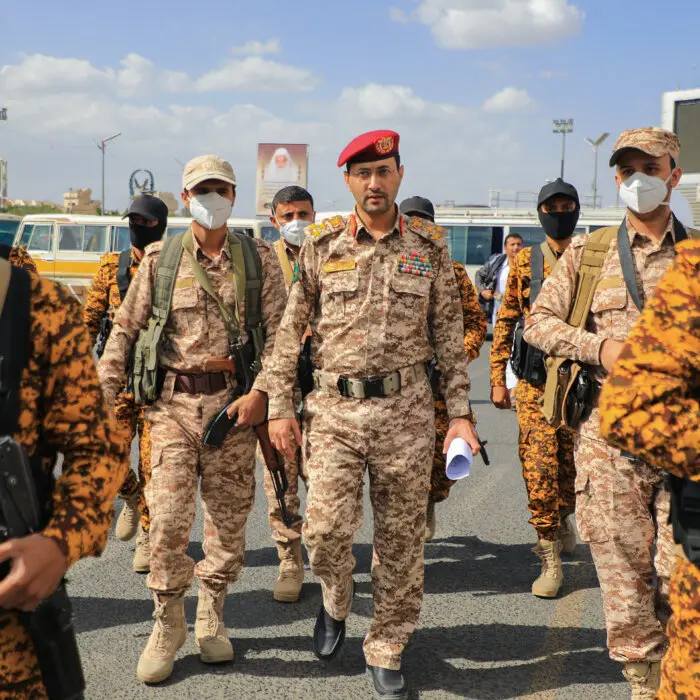
The Houthis are a movement of Shia Muslims in Yemen that have historically aligned with Iran’s Shia clerical leadership.
They became a dominant force in Yemen after seizing the capital, Sanaa, in 2014, helping to trigger a civil war that continues to this day.
“The president’s policy is ‘a head for an eye.’ I mean, honestly, that’s what it’s going to be,” Rubio told reporters on the sidelines of a summit of Southeast Asian nations in Manila, the Philippines.
His remarks came a day after Iranian Foreign Minister Abbas Araghchi described Tehran’s defense doctrine as “an eye for an eye” and warned that any attack on Iranian infrastructure would trigger a “powerful and decisive response.”