The number of Ebola fatalities in Congo has surpassed 2,000, in what the United Nations has described as the fastest-spreading Ebola virus it has seen.
According to the National Institute of Public Health, also known as Institut National de Santé Publique (INSP), as of Aug. 9, 4,381 cases have been identified, with 2,011 deaths recorded.
The case fatality rate is 45.9 percent, the INSP said in an Aug. 11 LinkedIn post, with the contact tracing rate at 86.7 percent.
To date, 704 patients are in isolation or hospitalized, and 869 people have been cured since the beginning of the epidemic, the institute said.
The disease has been identified in five provinces: Haut-Uélé, Ituri, North Kivu, South Kivu, and Tshopo.
“Transmission remains active in Ituri, North Kivu and Haut-Uélé, with Ituri remaining the main epicentre,” the INSP said. “In South Kivu, 74 days have passed without a new confirmed case.”
The INSP said that responses in the affected areas are being strengthened, particularly in Ituri.
According to the U.S. Centers for Disease Control and Prevention, people can contract Ebola if their mucous membranes in the eyes, nose, or mouth, or their broken skin, come in contact with the bodily fluids of an infected person or contaminated objects.
Ebola does not spread like respiratory viruses such as influenza; a person cannot become infected by being near someone with the disease.
‘Outpacing Response’
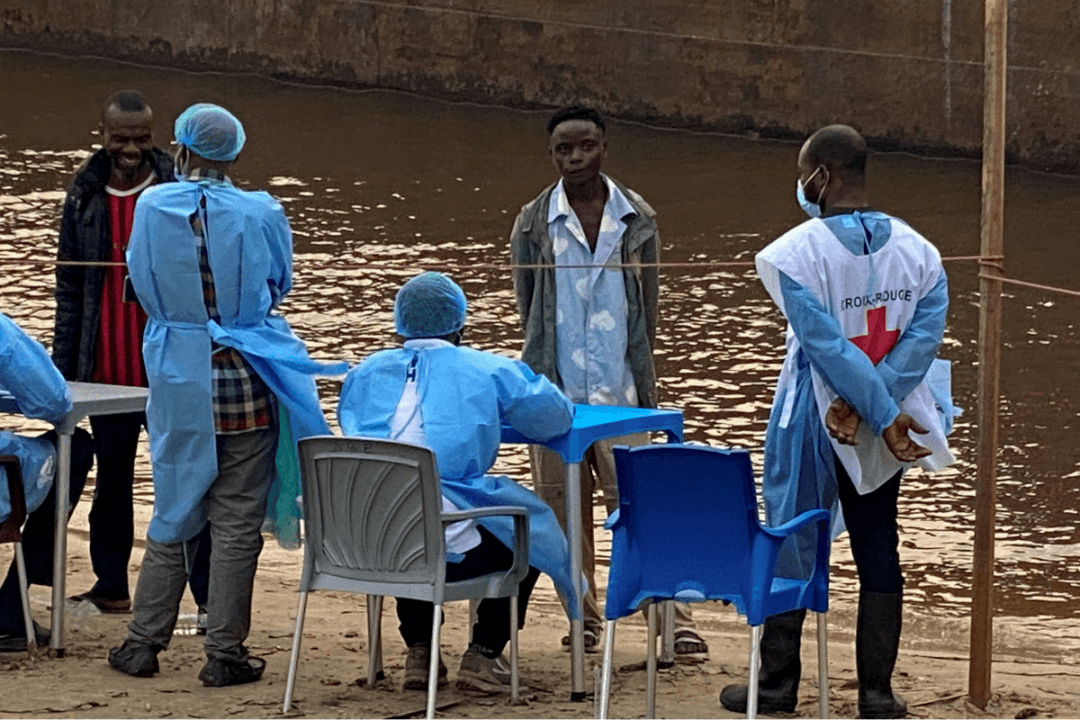
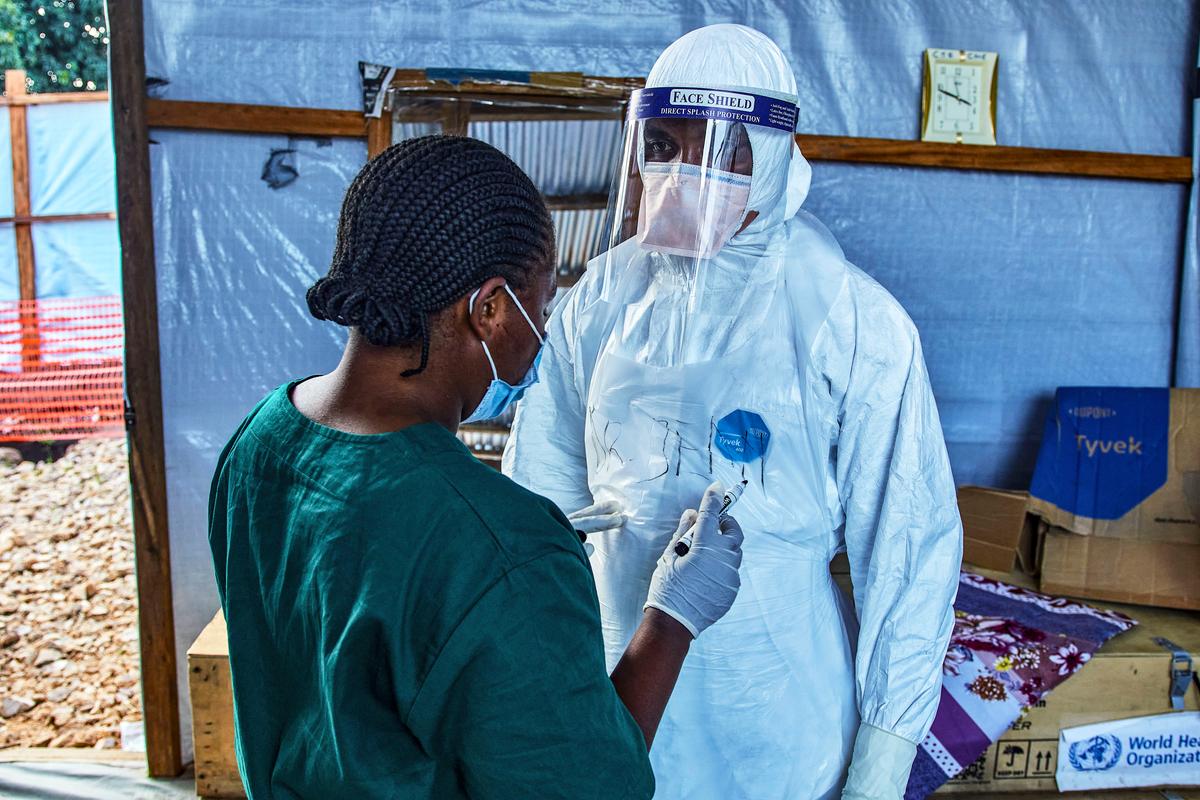
The World Health Organization (WHO) and the Africa CDC have called for an urgent acceleration of responses to Ebola in Congo, including better, earlier detection; improved access to care; and support for frontline health workers.
“In some areas of eastern DRC, the Ebola outbreak is outpacing our response, making it imperative that we rapidly scale up every aspect of our efforts to contain it,” WHO Director-General Tedros Adhanom Ghebreyesus said in an Aug. 6 statement, using the initials of the official name of Congo, the Democratic Republic of the Congo.
Tedros also called for stronger international support and greater resources to fight the spread of the disease.
“Containing and ultimately stopping this outbreak will come from communities,” Dr. Jean Kaseya, director-general of Africa CDC, said in an Aug. 6 statement.
“When people have information they trust, can report symptoms early and seek care without fear, we can break every chain of transmission.
“Our responsibility is to bring the response closer to communities and give frontline teams the support they need.”
“It’s the fastest-spreading Ebola epidemic that we have ever seen,” said acting head of the U.N. World Food Programme Carl Skau.