Iran said on July 27 that the regime did not ask to resume peace talks with the United States and reiterated it maintained control of the Strait of Hormuz after President Donald Trump paused a series of military strikes.
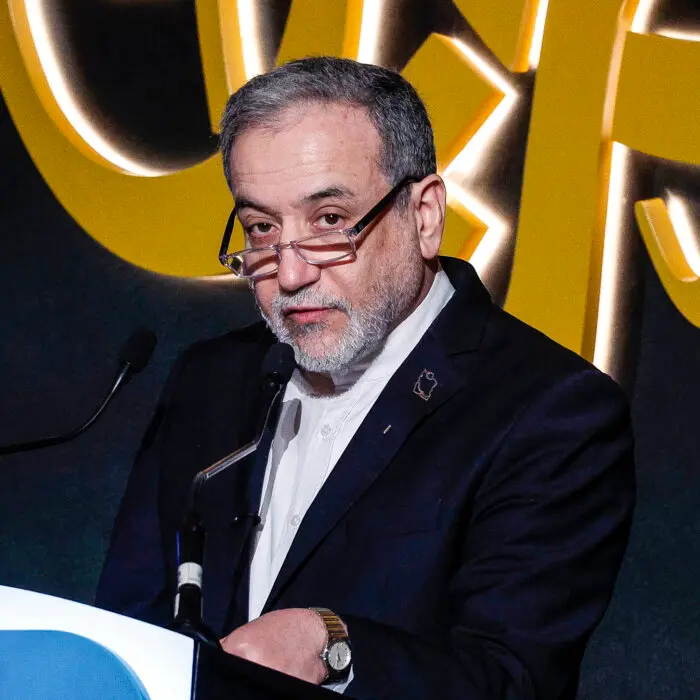
During a press conference, Iranian Foreign Ministry spokesman Esmail Baghaei announced that Iran had not asked for the resumption of negotiations with the United States.
Messages were still being passed between the sides through mediators, and Tehran had not forsaken diplomacy, but “reports about Iran requesting negotiations with the U.S. are fabricated,” Baghaei said. “This is not in our DNA.”
Baghaei was responding after the Trump administration said over the weekend that the president had paused strikes against Iran.
An Iranian army spokesperson said on July 26 that the regime had paused its own military attacks after the U.S. strikes stopped.
“Iran begged the United States to halt the devastating strikes, and they are desperate for a deal,” a U.S. official told The Epoch Times on July 27.

“President Trump has said he prefers a diplomatic solution, but he retains all options if Iran continues terrorist activities in the Strait of Hormuz or against our allies.”
Waltz reiterated on Sunday that Trump was “keeping all options on the table” during the pause in military strikes.
He told NBC News that the halt was intended to provide space for negotiation with Iran.
Waltz added that negotiations with the regime were “happening at every level.”
He added that he was not in a hurry to intensify U.S. military strikes against the regime and that negotiations remained ongoing.
“Look, we’re talking to them right now,” he said. “I think they’re getting more and more serious as the days go by for maybe the obvious reason.”
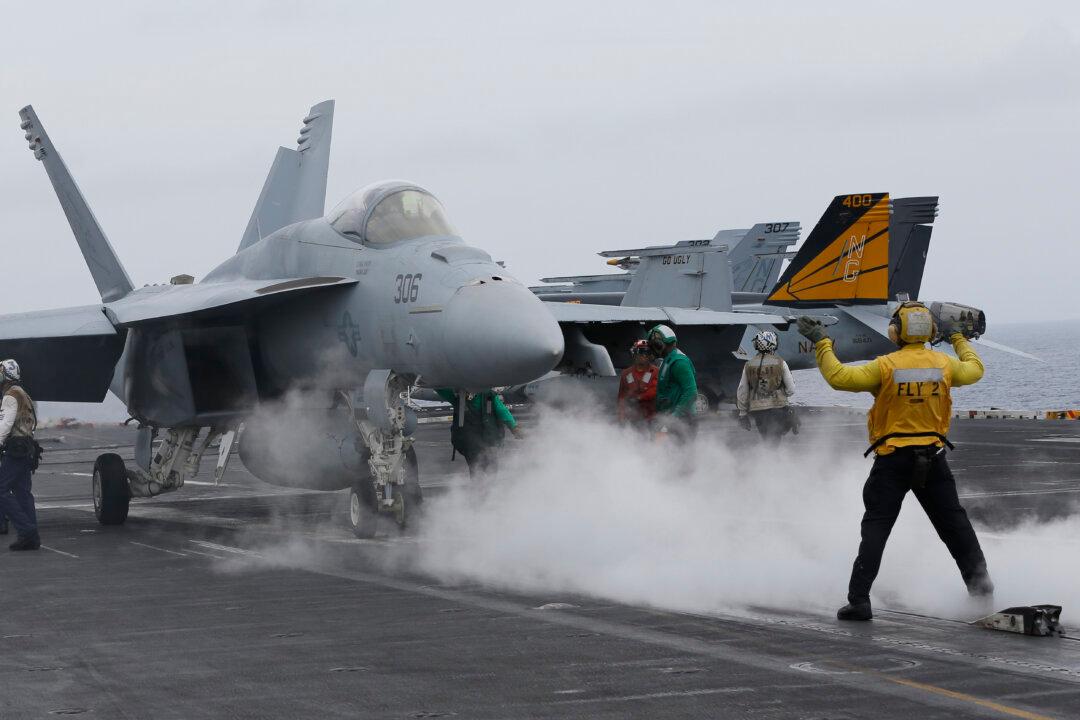
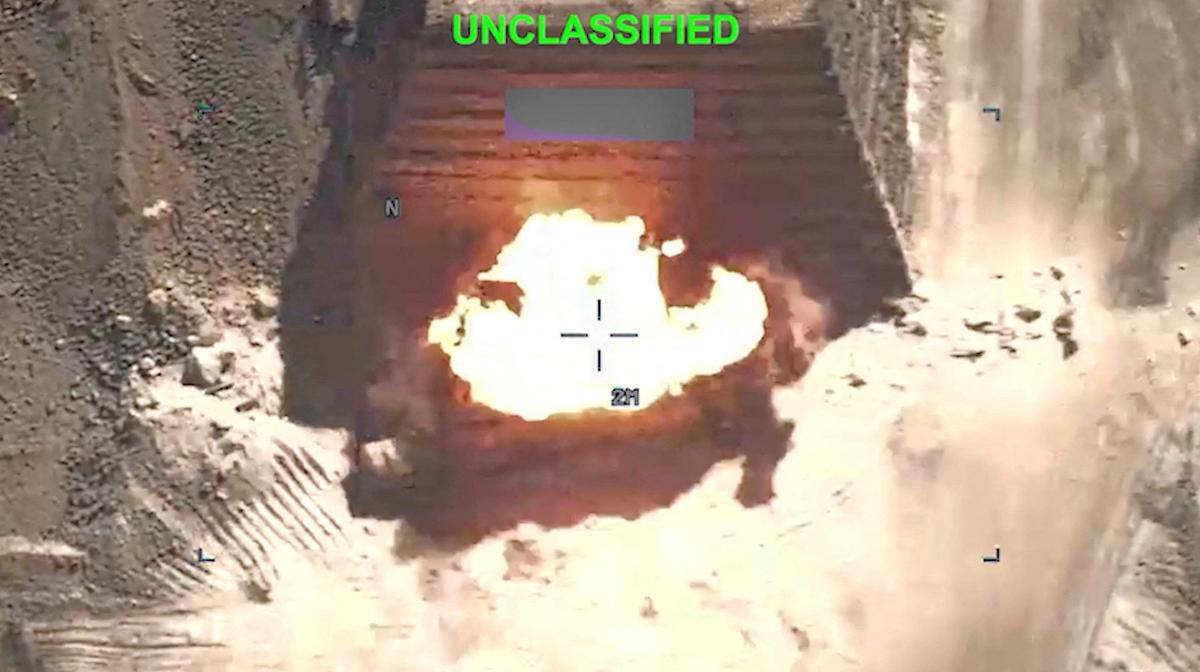
On July 23, U.S. Central Command announced that the military had completed its 13th straight night of strikes against the regime.
The command noted that the strikes, which targeted key military sites, were carried out to diminish the Iranian threat against commercial vessels in the Strait of Hormuz.
Iran responded to the nearly two weeks of U.S. military strikes by launching retaliatory strikes on U.S. bases in the region.
The Iranian strikes killed three U.S. soldiers at Muwaffaq Salti Air Base in Jordan.
A fourth U.S. soldier was killed during the controlled detonation of an Iranian attack drone at Erbil Air Base in Iraq.
The exchange of military strikes came after a memorandum of understanding between the United States and Iran collapsed in early July after Iran attacked commercial vessels in the Strait of Hormuz.
Iran declared that the strait was closed, prompting Trump to launch a series of strikes against the regime.
Iran has seized on that, saying it has the right to control the strait and that the alternative route violates the deal.
The United States and others dispute that, saying the strait should be open to all and toll-free, as it was before the war.
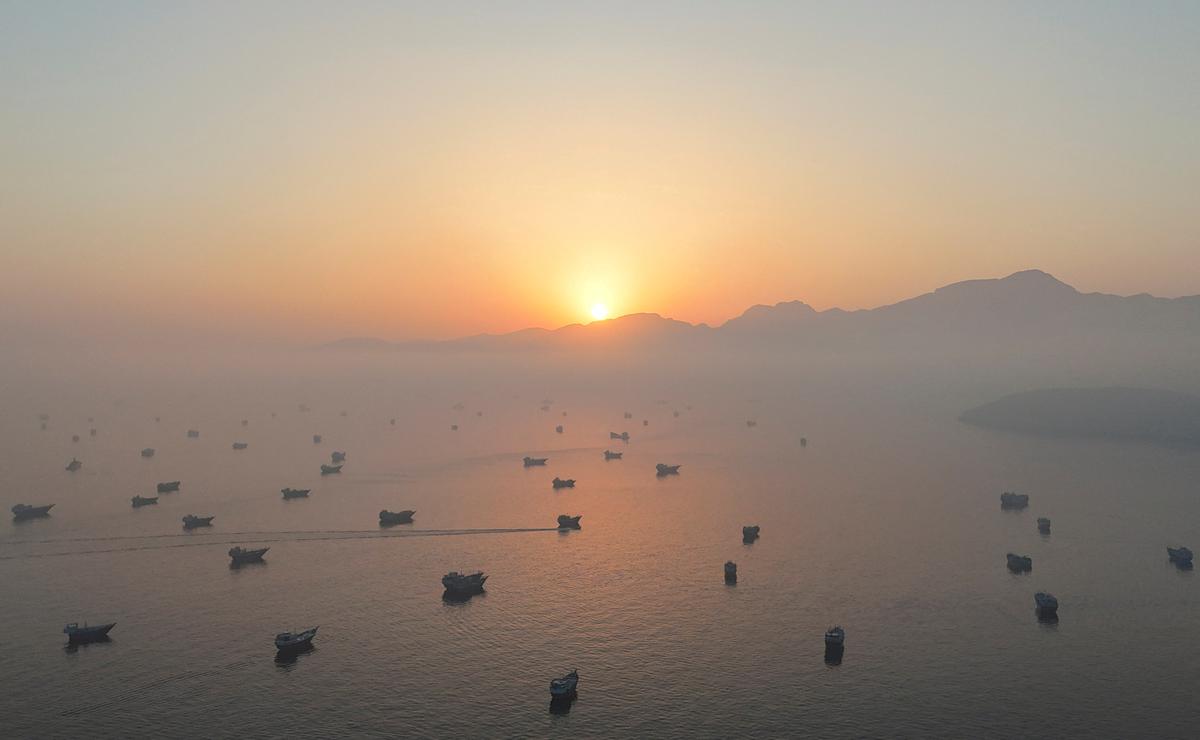
The Iranian strikes against commercial vessels were launched as ships attempted to pass through the strait close to the coast of Oman.
Iran has said that ships can only pass through a channel controlled by the regime that is located closer to its own coast.
Iran has also said that it plans to impose transit fees for ships passing through the strait.
Tehran has continued to push for further control over the Strait of Hormuz following the breakdown of the preliminary agreement.
A senior delegation from Oman met with Iranian officials over the weekend to discuss the strait.
Baghaei said that the discussion with Omani officials went well.