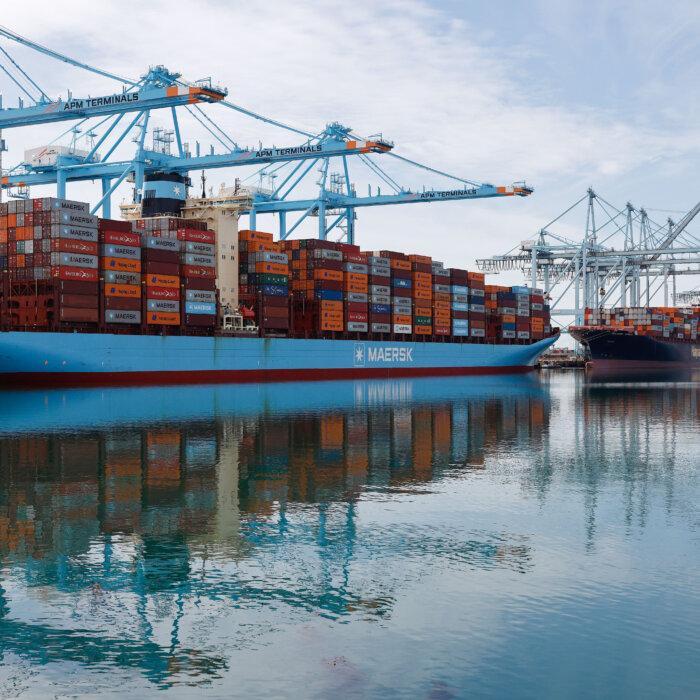
The United Nations on July 24 called for urgent action to rescue thousands of stranded mariners amid the conflict in Iran and around the Strait of Hormuz.
“At least 6,000 seafarers on some 400 vessels remain stranded in and around the strait, having been unable to evacuate during the ceasefire,” the United Nations Office of the High Commissioner for Human Rights said in a statement, citing information from the U.N.’s International Maritime Organization.
The figure may not account for others who are stranded in the region, the U.N. said, adding they are “believed to be stuck in the Persian Gulf on a range of smaller vessels or have otherwise not been located.”
Some sailors have been abandoned by the owners of ships that were left in the strait without repatriation, support, or their wages, according to the U.N.
It said that at least nine ships with 93 crew members were abandoned by the ship’s owners in the Strait of Hormuz since the conflict started in late February.
Following U.S. strikes against Iran that month, Tehran has attempted to restrict traffic in the strait for commercial vehicles, attacking them with rockets or drones. A recent escalation in the conflict, which started earlier this month, was triggered after Iran attacked multiple vessels in the strait while the country’s regime has demanded that others use its pre-approved routes.
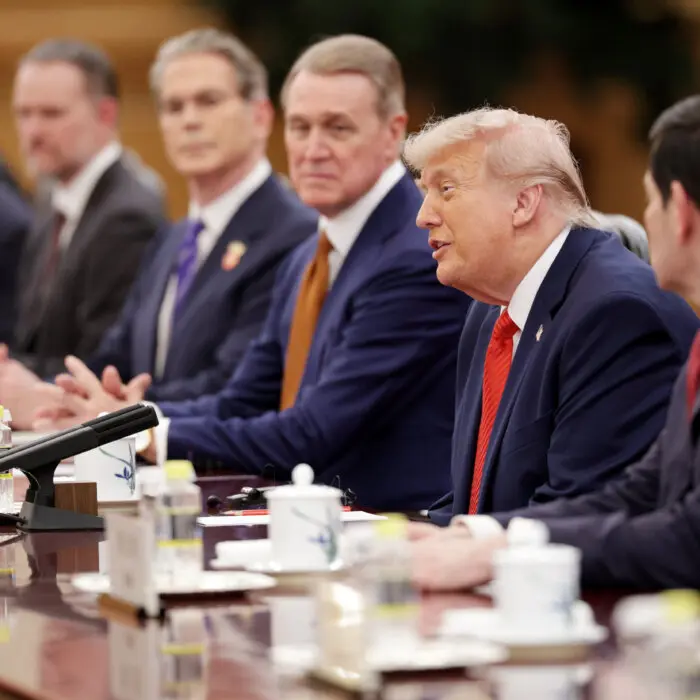
The preliminary agreement agreed between the United States and Iran on June 17 called for the strait to be fully reopened, but it also contained language suggesting Iran would manage traffic and potentially charge fees in the future.
Iran has seized on that, saying it has the right to control the strait and that the alternative route violates the deal.
The United States and others dispute that, saying the strait should be open to all and toll-free, as it was before the war.
The U.S. military has enforced an on-and-off-again blockade of vessels going to and coming from Iranian ports. An initial blockade was imposed in mid-April following a ceasefire announcement before it was suspended for several weeks after the U.S.–Iran memorandum of understanding was signed. It was again re-imposed earlier this month amid renewed fighting.
“Parties to the conflict should urgently work to facilitate safe passage for stranded seafarers to safely evacuate and disembark, as well as ensure the delivery of critical supplies,” the U.N. said in its July 24 statement.
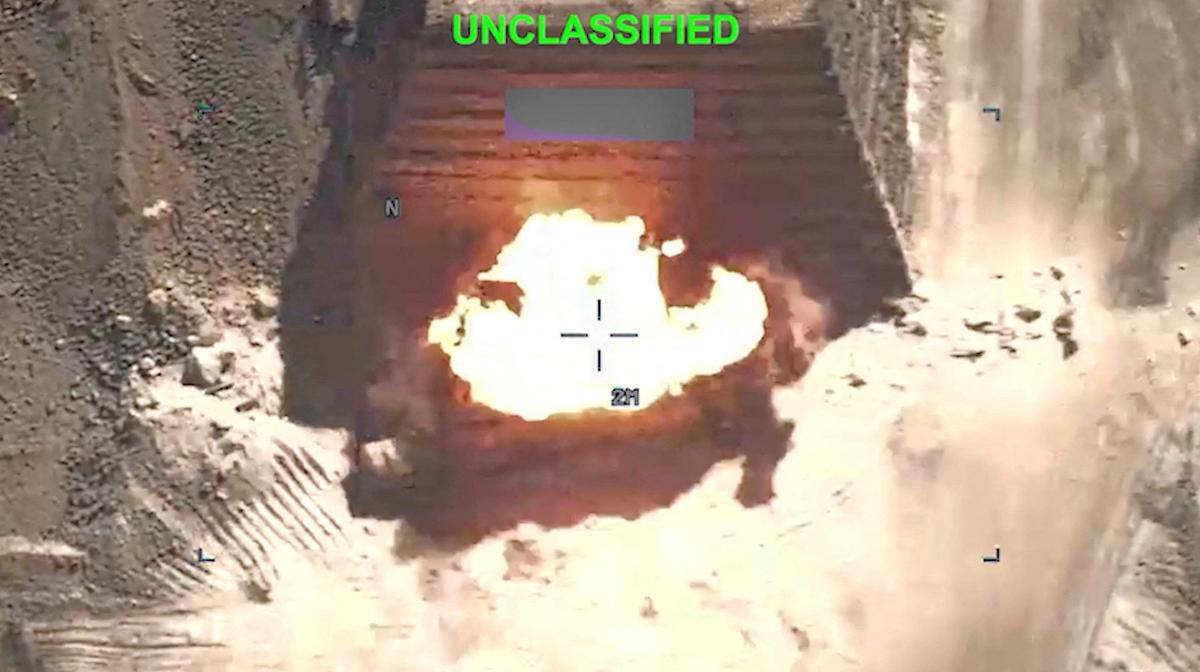
U.S. Central Command confirmed on July 23 that it launched a 13th consecutive day of strikes against Iranian military targets while asserting that the Strait of Hormuz, a waterway that carries about a fifth of the world’s traded crude oil during peacetime, is still open.
Iranian “military command centers, drone storage facilities, communication networks, coastal surveillance sites, and maritime capabilities to further diminish the threat Iran poses to civilian mariners and commercial vessels transiting the Strait of Hormuz” were attacked by U.S. forces, Central Command said in a post on X.
On Friday, the Iranian military said it had attacked U.S. military equipment depots at Al-Adiri, officially named Camp Buehring, in northern Kuwait, and the positions of U.S. troops at Camp Arifjan and at Camp Doha, near Kuwait City.
Iran’s Islamic Revolutionary Guard Corps (IRGC) said they had significantly damaged a surveillance tower used by the U.S. Fifth Fleet in Bahrain. They also said they had attacked a U.S. barracks and fighter jets in Jordan, and a U.S. barracks and spy balloon as well as Patriot air defenses in Erbil in Iraq’s Kurdish region, according to the semi-official Tasnim news agency.
In a July 24 statement carried by Iran’s Fars News Agency, the IRGC said that civilians should “immediately stay at least 500 meters away from locations used as covert or temporary accommodations for American troops to ensure their safety.”
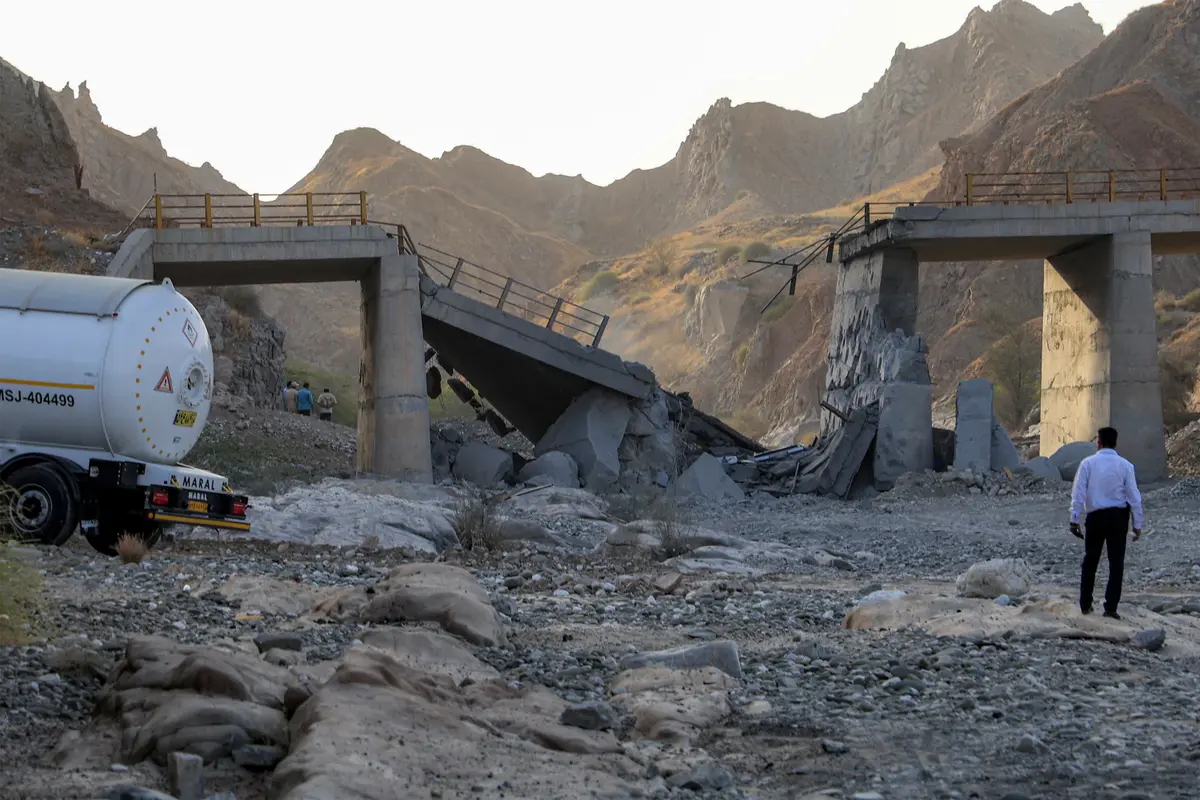
Before the latest round of strikes, U.S. President Donald Trump told the Axios news outlet that he was nearing a decision on potentially launching “massive strikes” against Iran that would be larger than the initial wave that started on Feb. 28 and killed former Iranian leader Ayatollah Ali Khamenei.
“They haven’t received enough pain yet,” Trump said of the Iranian leadership.