Iran is moving to formalize tighter control over the Strait of Hormuz, outlining plans to charge transit fees and restrict vessels from countries it deems hostile.
Iranian officials set out what they described as a “Strait of Hormuz management plan: from banning Israeli vessels to charging fees in the national currency,” Iran’s semi-official Mehr News Agency said in an April 19 post on Telegram.
Under the proposal, all vessels would be required to obtain prior authorization and pay for the costs of “guidance, supervision, and security provision” paid in Iranian rials, the official currency of Iran.
The plan also introduces a complete ban on ships linked to Israel and the vessels of “hostile countries.” The regime also wants to block ships from states imposing sanctions or engaging in what Tehran describes as “hostile actions.”
Enforcement measures include the potential seizure of noncompliant vessels, fines, and confiscation of up to 20 percent of cargo value. It said that funds from such actions will be directed toward defense spending, infrastructure rebuilding, and support for the “livelihoods of the armed forces.”
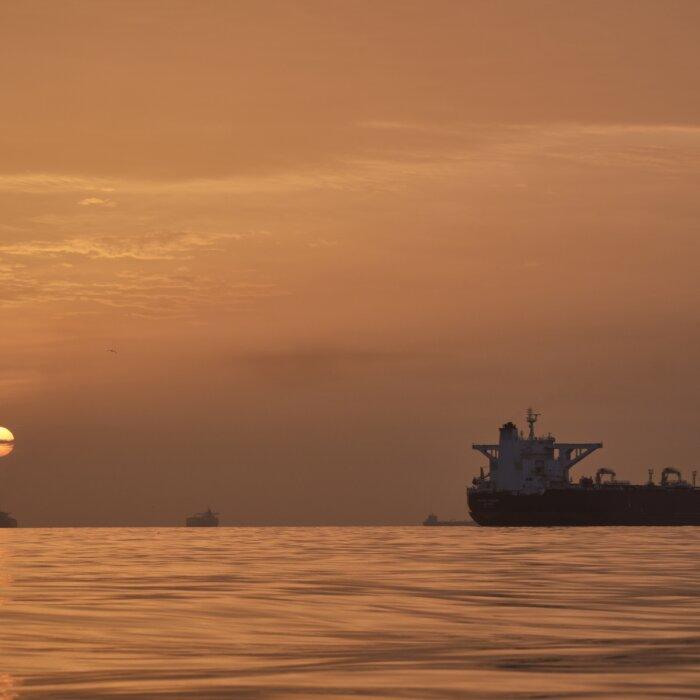
“U.S. forces are supporting freedom of navigation for vessels transiting the Strait of Hormuz to and from non-Iranian ports,” U.S. Central Command said.
Zolfaqari said Iran had earlier “agreed in good faith, following prior agreements in negotiations, to allow the managed passage of a limited number of oil tankers and commercial vessels through the Strait of Hormuz,” while describing the ongoing U.S. naval blockade as “piracy and maritime theft” and a breach of ceasefire commitments.
Iranian lawmakers recently said the latest plan is intended to anchor Tehran’s control in law.
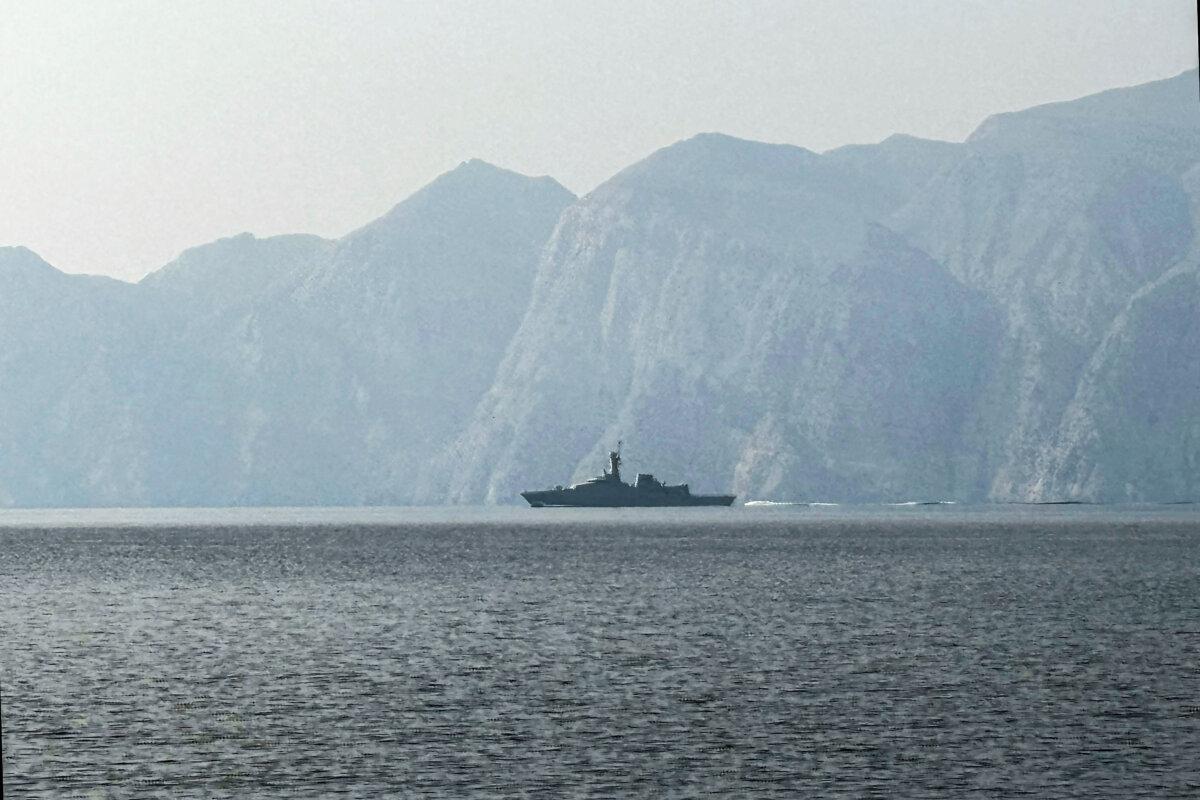
Speaking to BBC News on April 19, senior parliamentarian Ebrahim Azizi said Iran will never give up the Strait of Hormuz.
“Iran will decide the right of passage, including permissions for vessels to pass through the Strait,” he said. “We are introducing a bill in parliament, based on article 110 of the constitution, which includes the environment, maritime safety and national security - and the armed forces will implement the law.”
Trump said in a post on Truth Social that the ship, called the Touska, attempted to get past the U.S. military blockade that has been in effect since April 13.
“It did not go well for them,” he wrote.
A U.S. Navy destroyer intercepted the cargo ship in the Gulf of Oman and first warned it to stop. When it refused, the U.S. ship “stopped them right in their tracks by blowing a hole in the engineroom,” Trump wrote.
“Right now, U.S. Marines have custody of the vessel,” the president added. “The TOUSKA is under U.S. Treasury Sanctions because of their prior history of illegal activity. We have full custody of the ship, and are seeing what’s on board.”
In response to the attack, Iran accused the United States of a ceasefire violation.
U.S. officials are expected to arrive in Pakistan on April 20 to prepare for a second round of talks at the tail end of a two-week ceasefire that began on April 8 after initial negotiations in Islamabad.