The United States will not renew a 30-day sanctions waiver that has allowed Iranian oil stranded at sea to be sold on global markets, the U.S. Department of the Treasury said.
The U.S. Treasury said in an April 14 post on X that it is moving aggressively to maintain “maximum pressure” on Iran under what it described as its “Economic Fury” campaign.
“Financial institutions should be on notice that the department is leveraging the full range of available tools and authorities and is prepared to deploy secondary sanctions against foreign financial institutions that continue to support Iran’s activities,” the department said.
“The short-term authorization permitting the sale of Iranian oil already stranded at sea is set to expire in a few days and will not be renewed.”
Treasury Secretary Scott Bessent said at the time that the United States had issued a general license authorizing the delivery and sale of Iranian crude oil and petroleum products that had already been loaded onto ships as of that date.
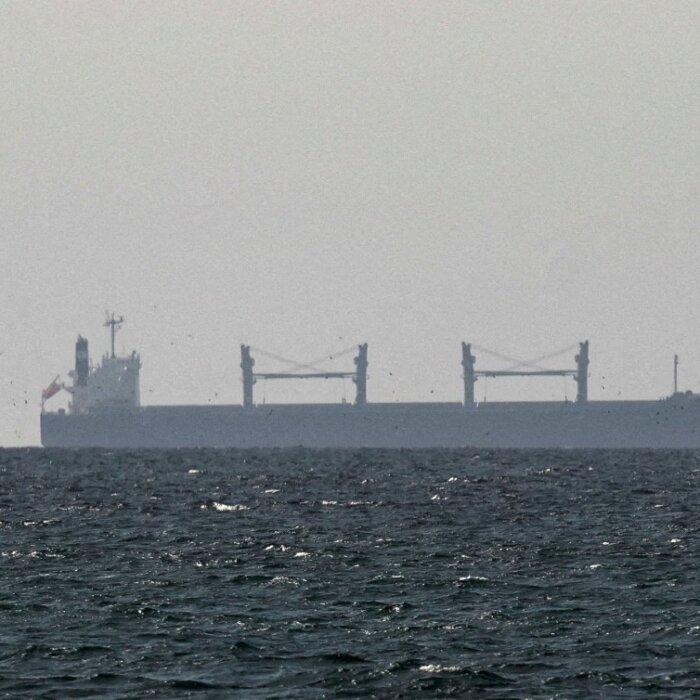
The license, issued through the Treasury Department’s Office of Foreign Assets Control, was set to remain in force until April 19.
At the time, Bessent said the measure was intended “to maximize the flow of energy to the world” and help keep oil prices down amid the ongoing conflict involving Iran.
The waiver allowed roughly 140 million barrels of Iranian crude and petroleum products held in floating storage to reach buyers, which Bessent said would also work against Tehran to “keep the price down.”
Its expiration is now expected to sharply curtail Iran’s ability to move oil, adding to existing restrictions on exports and shipping.
“U.S. forces are supporting freedom of navigation for vessels transiting the Strait of Hormuz to and from non-Iranian ports,” U.S. Central Command said.
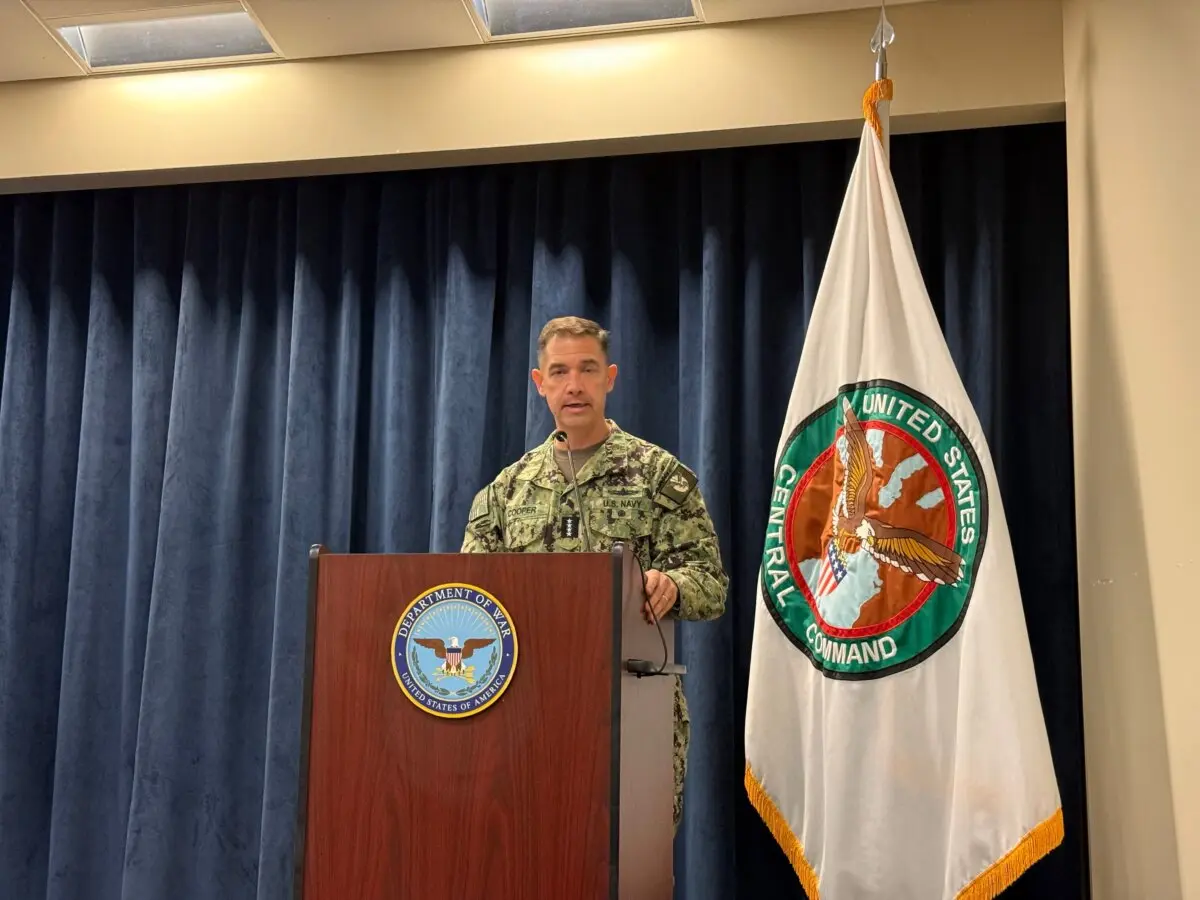
Cooper added that in less than 36 hours since the blockade was implemented, U.S. forces have completely halted economic trade going into and out of Iran by sea, adding that about 90 percent of the Iranian economy depends on maritime trade.
In an April 14 report, the Washington-based Institute for the Study of War said the decision not to renew the waiver “will further constrain Iran’s ability to export oil” alongside the expanding U.S. blockade.
“Those ships aren’t going to be allowed out anymore,” Bessent told a group of reporters on the sidelines of the IMF World Bank meetings. “So they’re [China] not going to be able to get their oil.”
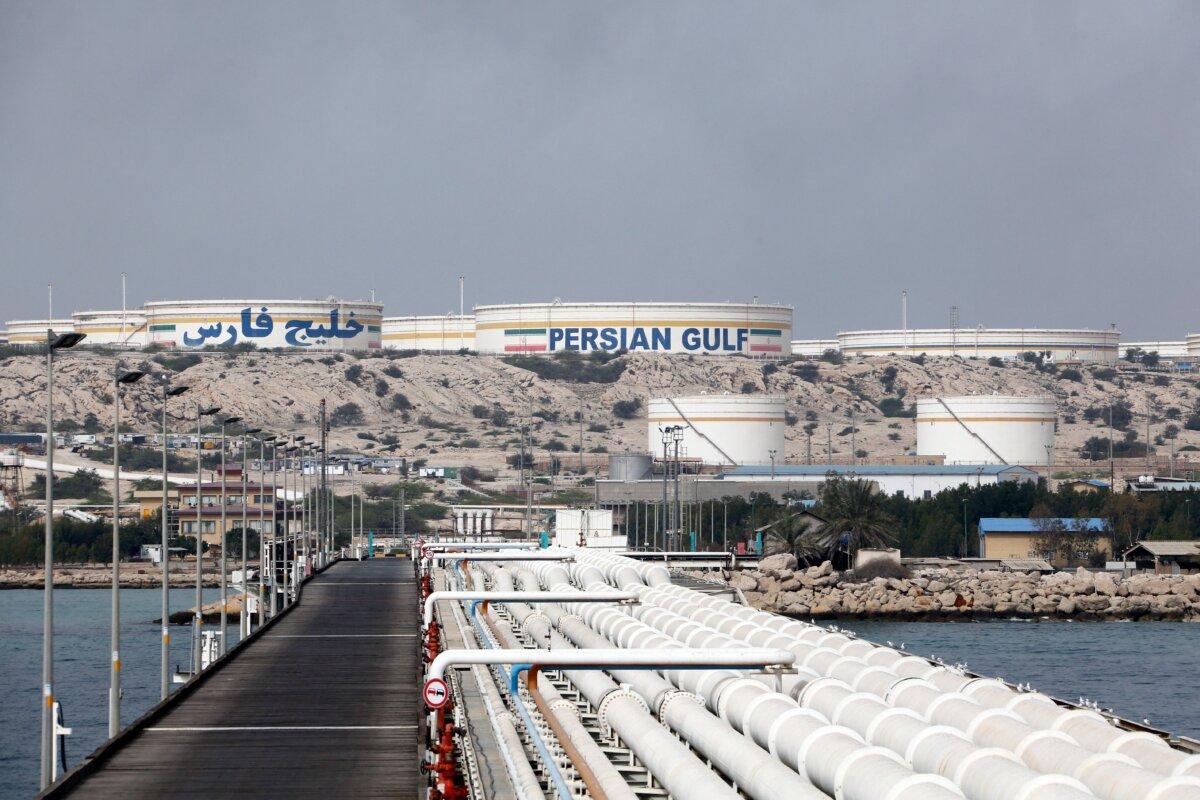
It said that payments are increasingly handled in yuan instead of dollars to “reduce exposure to US oversight while also advancing the internationalization of China’s renminbi.”
The Treasury has also stepped up pressure on foreign financial institutions.
In an interview with The Wall Street Journal on April 14, Bessent said the department is contacting banks, including in China, to warn that transactions involving Iranian oil could trigger sanctions.
“We are reaching out to banks, including Chinese banks, to remind them that any Iranian goods and the purchases thereof are forbidden and that the dollars would be sanctioned,” he said, adding that the United States is prepared to impose “secondary sanctions” if necessary.