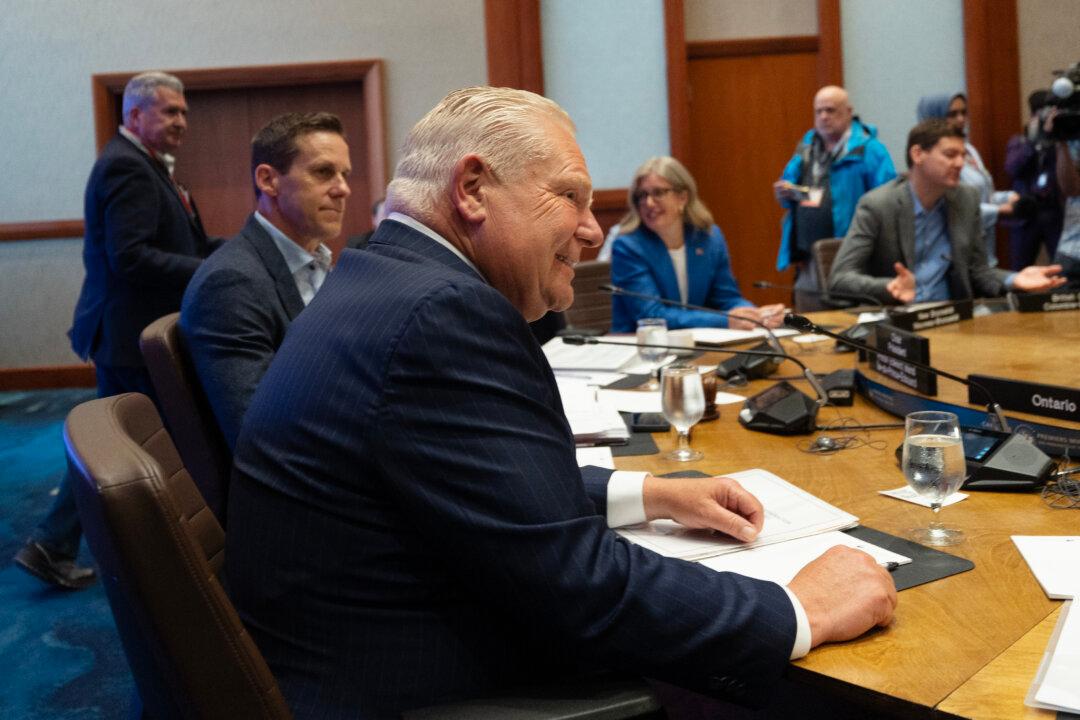
The United States made public this week its annual list of foreign trade barriers, offering hints about the issues Ottawa and Washington will try to iron out as the review of their free trade deal looms.
Some of the recurrent concerns raised by successive U.S. administrations remain, such as Canada’s supply management system for dairy and poultry products, which limits market access for U.S. farmers. Meanwhile, new irritants have been added to the list, touching on a range of issues from aircraft certification to enforcement of policies against forced labour.
Many of the new foreign trade barriers listed by the USTR are measures that federal and provincial governments implemented squarely in response to U.S. President Donald Trump’s tariff agenda.
Canada has been mostly spared from Trump’s broad tariffs, which the U.S. Supreme Court recently struck down, due to an exemption covering goods under the United States-Mexico-Canada Agreement (USMCA) on free trade. However, the country is still feeling the effects of U.S. sector-specific tariffs on key exports such as steel, aluminum, automobiles, and lumber.
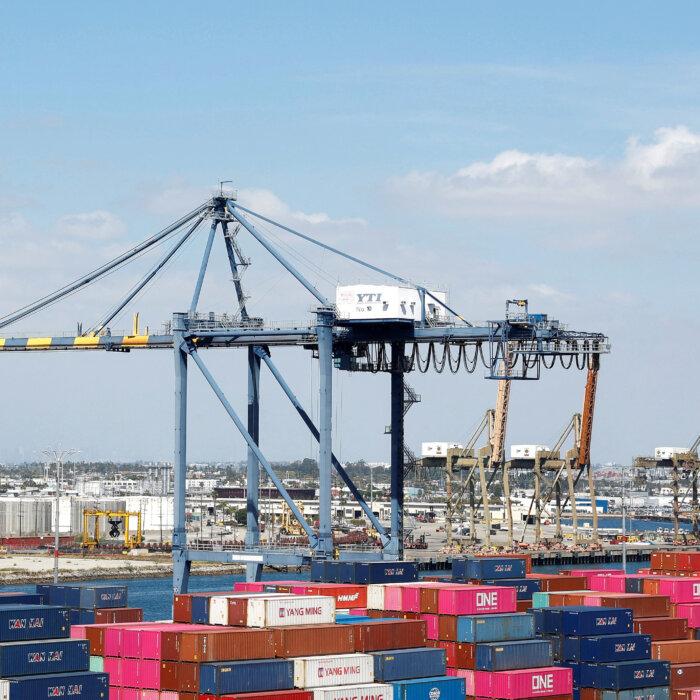
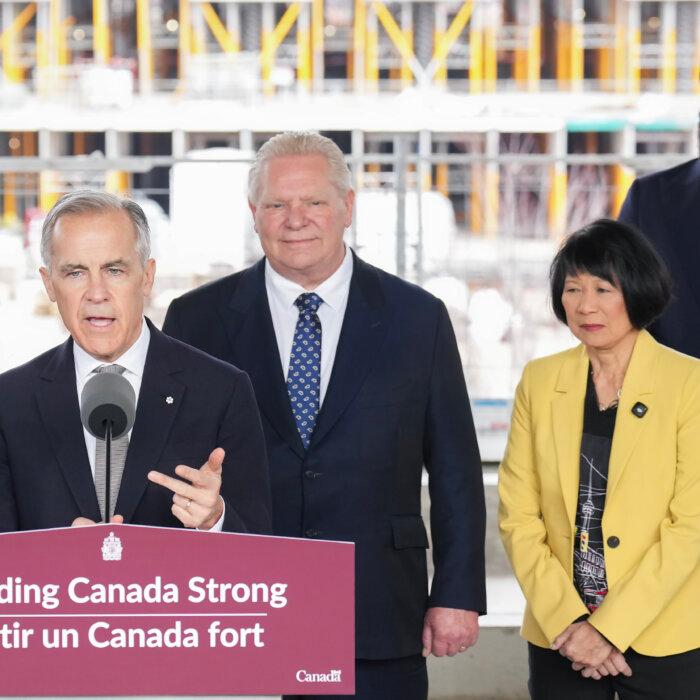
Trump slapped tariffs on Canada and other countries to rebalance trade and re-shore manufacturing, and the data released by the USTR suggest the policy had an impact.
The report says the U.S. trade deficit in goods with Canada narrowed by 25.1 percent in 2025 compared to the previous year. While U.S. exports to Canada fell 3.5 percent, Canadian goods imported into the United States declined by 7 percent.
Asked by reporters to comment on the matter on April 1, Canada-U.S. Trade Minister Dominic LeBlanc said none of the issues listed in the USTR report are “surprising to us,” adding that some have been discussed by Canadian officials in Washington this week.
LeBlanc also noted that some of the issues have already been resolved, including U.S. opposition to Canada’s Digital Services Tax (DST). Carney pledged to abolish the tax last year to restart stalled trade talks with Trump, and the process of rescinding the DST was completed with the Budget Implementation Act receiving royal assent last week.
Retaliatory Irritants
Among the new trade irritants identified this year by the USTR are retaliatory measures such as provincial bans on certain U.S. alcohol products and newly introduced “Buy Canadian” policies.In response to Trump’s tariffs, provincial governments decided to remove U.S. alcohol from the shelves of government-run stores and cease distributing it in March 2025. Alberta and Saskatchewan reversed course months later, while other provinces kept the policy.
“The United States continues to raise serious concerns regarding these actions and to press Canada to ensure that U.S. alcohol beverages immediately and permanently return to all provincial and territorial markets,” says the USTR report.
Different levels of government have also adopted new policies to favour Canadian content in procurement as a way to boost the local economy under pressure from tariffs and keep U.S. suppliers at bay. These have been identified as new trade barriers.
The USTR also mentions how Ontario, Quebec, and British Columbia have implemented policies aimed at excluding U.S. businesses from public contracts.
Jet Issue
Provincial targeting of U.S. alcohol has been a highly visible retaliatory measure drawing the attention from the public and U.S. manufacturers.Other high-profile trade spats have also made their way into the 2026 USTR report on trade barriers. It notes how stakeholders have raised concerns about the length of the aircraft certification process in Canada, even though the U.S. Federal Aviation Administration (FAA) and Transport Canada have a “longstanding bilateral aviation safety agreement.”
Forced Labour
A new item in the 2026 USTR report pertains to forced labour and what Canada is doing to prevent related goods from entering the country. Parties to the USMCA are required to prevent goods made from forced labour from entering their markets.The report notes Canada passed legislation in recent years to tackle the problem while adding that enforcement has lagged.
“It does not appear that Canada is effectively enforcing its forced labor import prohibition, meaning goods made with forced labor may be able to enter and compete in Canada’s market,” says the USTR. The report also criticizes Canada for not imposing enough measures to protect North America from non-market practices. Those can include measures promoting over-capacity or extensive subsidies.
The issue of forced labour from China came to the forefront in recent days as Liberal MP Michael Ma appeared to dismiss the issue during a House of Commons committee meeting last week.
Canadian statistics show very few shipments suspected of containing goods made from forced labour have been detained and interdicted since legislation came into force in 2020, and up to late 2025. The border agency detained 48 shipments and 37 of them were released, two were prohibited, seven were re-exported, and one was abandoned.
By comparison, the United States under its Uyghur Forced Labor Prevention Act detained nearly 42,000 suspected shipments and denied nearly 23,000 over a similar timespan.
The USTR also launched in March an investigation into 60 countries, including Canada, to determine whether they’re taking sufficient steps to stop goods made from forced labour.
Carney said earlier this week that Canada has the “most rigorous set of engagements on the issue” of forced labour, noting provisions in international agreements and domestic legislation.