
The Liberal government’s first major bill of the new Parliament introduced this week proposes sweeping changes to a number of current laws in a bid to reinforce border security, with some impacting privacy.
Along with seeking to address fentanyl trafficking, a hot issue since U.S. President Donald Trump won re-election last November, the new bill would also make it harder to claim asylum in Canada.
The plan didn’t help Canada to avoid tariffs. It remains to be seen if this new bill will tip the scale.
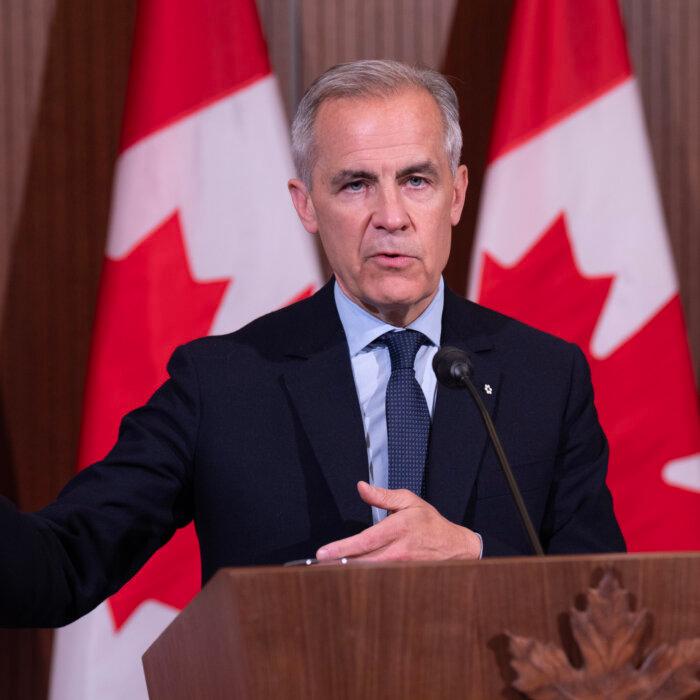

The bill proposes to amend over a dozen pieces of legislation including the Criminal Code and laws related to customs, immigration and refugee protection, controlled drugs and substances, oceans, access to information, and proceeds of crime. Many provisions in the bill will have an impact on Canadians’ privacy, some experts say, but Justice Minister Sean Fraser said Bill C-2 will uphold Charter rights and respect the rule of law.
This would include a peace officer or public officer making a demand to a service provider to identify whether it holds information on a specific subscriber or client, and if so, whether this includes transmission data linked to the client.
The threshold for making such a demand would be for the officer to have “reasonable grounds to suspect,” which is lower than “grounds to believe,” that an offence has or will be committed.
“Much like the government’s overreach last year on online harms, Bill C-2 overreaches by including measures on Internet subscriber data that have nothing to do with border safety or security but raise privacy and civil liberties concerns that are bound to spark opposition,” he wrote
Geist, whose main concerns are around issues related to the internet and data, his field of expertise, noted that the Supreme Court had already ruled that there’s a reasonable expectation of privacy regarding internet subscriber information.
Aside from the digital space, Bill C-2 would also facilitate the search of material objects such as mail and packages.
In the proposed legislation, border officers would have to be granted access to premises where the goods destined for export are being reported or stored, in order to conduct inspections, something they can currently do at premises where goods are being imported.
Some aspects of the bill affecting privacy could be considered less controversial.
By amending legislation concerning immigration and citizenship, Bill C-2 would allow the immigration department to share information on its “clients” with other federal entities and other levels of government after entering information-sharing agreements. A client is someone going through the immigration system, whether they are asylum-seekers or new citizens.
There have been a number of immigration-related controversies with a security nexus in recent years, including the arrest of a father and son in Toronto who were allegedly planning a terrorist attack on behalf of ISIS.
Bill C-2 would also enhance the RCMP’s ability to share information on registered sex offenders with domestic and international partners.
The proposed legislation, 127 pages long, went through first reading in the House of Commons on June 3. As its names states, it is the second bill tabled by the government in the new Parliament.
Next, the bill will receive second reading in the House, where parties will explain their stances. It will then be referred to committee for review, where officials and experts will testify and parties will be able to propose amendments.