A considerable shift in foreign policy has occurred since Prime Minister Mark Carney came to power, spurred mostly by the trade conflict with the United States and a change of approach to world affairs.
Carney has expressed a desire for closer defence and trade relations with the United States, while at the same time saying he wants to diversify trade away from the Canada’s southern neighbour. His government has since reconciled with India and is seeking closer ties with Beijing.
The pivot away from the United States has not only manifested in Asia. Carney’s first foreign policy moves included trips to France and the United Kingdom as he seeks closer ties with Europe, while also entering a defence agreement with the Europe Union.
Ottawa’s distancing from Washington was also evident when Carney broke with long-standing Canadian policy and unilaterally recognized Palestinian statehood.
The Trump Impact
Carney was elected Liberal leader and won the spring election amid anti-U.S. sentiment caused by Trump’s threat of tariffs and repeated talk of wanting Canada to become the 51st U.S. state.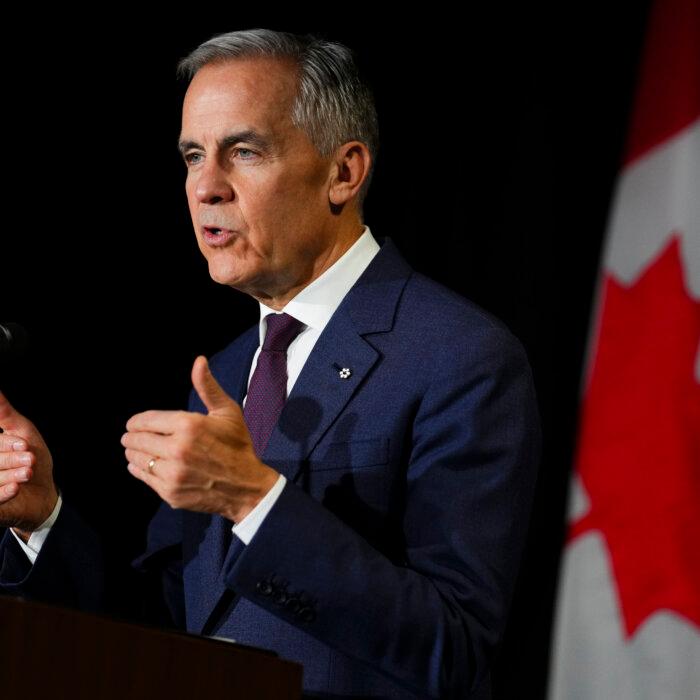
During his election campaign, Carney declared that the “old” relationship with the United States was “over” and that he was better placed than Conservative Leader Pierre Poilievre to negotiate a new economic and security partnership.

As 2025 comes to a close, more progress has been made in deepening ties with other countries than on resolving the trade conflict with Canada’s largest commercial partner, the United States.
The Canadian government has taken a variety of measures to appease the Trump administration but without success. Ottawa has pledged fresh money and sought to pass new laws to boost border security, in a bid to assuage Trump’s concerns about drug trafficking and illegal immigration.
The Carney government has also made concessions to get back to the negotiating table, including by pledging to rescind the Digital Services Tax impacting U.S. tech giants and by removing most counter-tariffs.
In addition, Carney changed his tone after the election campaign and has been in Trump’s good graces, at least publicly. Trump has not referred to Carney as “governor” like he did with Prime Minister Justin Trudeau.
Carney has maintained a diplomatic approach with Trump throughout the saga, but he did have a few public slip-ups showing frustration with the current stalemate more recently.
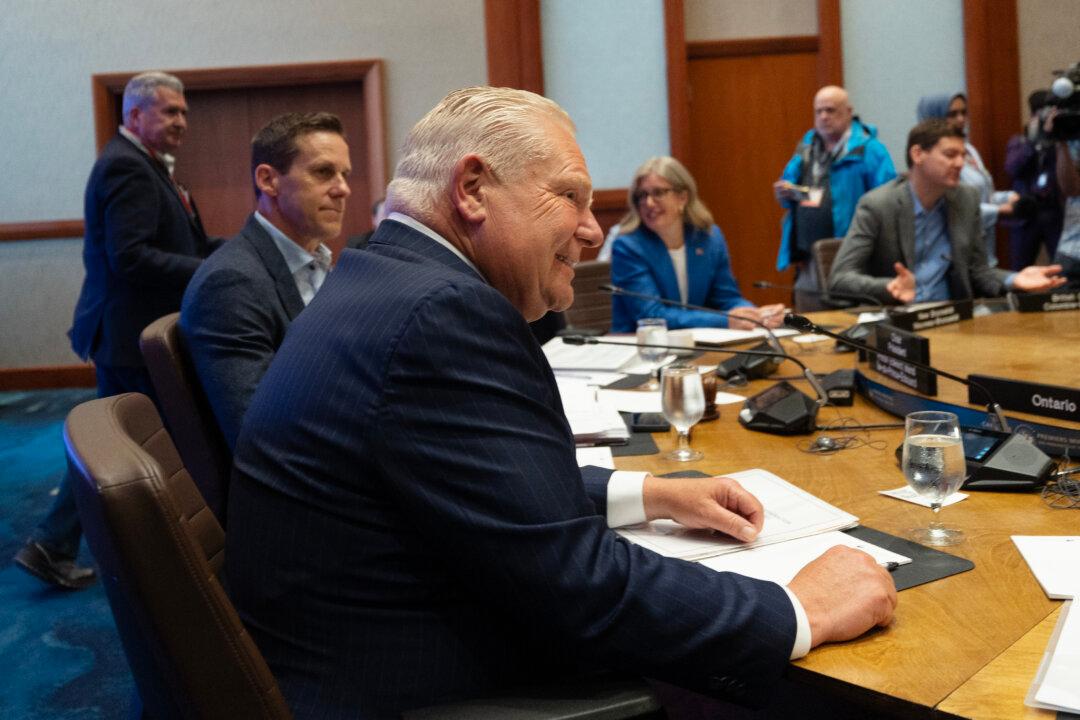
Trump in late October said he cancelled trade talks with Canada because of Ontario’s anti-tariff TV ad aired in the United States, but he has maintained that his relationship with Carney is good.
The Prime Minister’s Office usually releases readouts of meetings with world leaders, but in this case, none was issued.
The short meeting also involved Mexican President Claudia Sheinbaum, and Trump said it was was focused on trade.
Pivot to Europe
Carney’s campaign promise to negotiate a deal with Trump has yet to materialize, in contrast to his outreach to other countries. One of his first moves after becoming prime minister in March was to visit Europe.
King Charles III visited Canada in late May in a bid to affirm the country’s ties to the British monarchy amid tensions with the United States. The King even read the speech from the throne to open Parliament, a rare occurrence.
Outside these more symbolic gestures of turning to Canada’s roots as a way to assert sovereignty, Ottawa has highlighted some concrete headway in building closer ties to Europe.
The program, part of Europe’s rearmament efforts, provides $244 billion in loans to EU member states to acquire military equipment. Ottawa says joining SAFE will provide the defence industry with new lucrative opportunities.
US Alignment Mostly Remains
The push in recent months from NATO members to increase defence spending was largely influenced by Trump.Canada has been a laggard in defence spending, remaining one of the few countries still not meeting the 2 percent guideline. Remaining an outlier while Trump was accusing Canada of letting Chinese and Russian ships sail freely through its Arctic would have been a tedious position to hold.
Canada’s stance on world flash points in general has been more aligned with major European countries, but without completely breaking with the United States.

This is true but for one very significant issue: Canada unilaterally recognizing Palestinian statehood in September at the United Nations General Assembly. This was a break from long-standing Canadian policy on the issue to call for a negotiated two-state solution to the Israel-Palestine conflict.
The move was prompted by concerns about humanitarian conditions in the Gaza Strip, as Israel sought to eliminate the Hamas terrorist group, and premised on promises of reform coming from the Palestinian Authority, which rules over the West Bank. Other countries such as France and the United Kingdom also recognized a Palestinian state.
The United States and Israel consider the recognition as a reward for the Hamas terrorist acts of October 2023.
Ottawa may have broke with Washington on that matter but has supported Trump’s peace plan to end the conflict. The plan is also backed by many Arab and Muslim countries typically more hostile to Israel.
Ottawa’s stance on Ukraine has not changed, however, remaining aligned with key European players and mostly supportive of Trump’s efforts to end the war.
Pivot to Asia
Carney’s turn eastward as he sought to break away from the United States early in his mandate was not a major break with the previous Liberal government.Trudeau had pushed for closer relations with China early in his mandate, but the honeymoon came to an abrupt end after Ottawa enforced a U.S. extradition warrant against Huawei executive Meng Wanzhou in December 2018. In apparent response, Beijing arbitrarily detained Canadians Michael Kovrig and Michael Spavor for more than 1,000 days.
The reconciliation comes after increased scrutiny in recent years of Beijing’s interference activities in Canada, including via a public inquiry into foreign interference. Carney said during his election campaign in the spring that China is Canada’s biggest security threat.
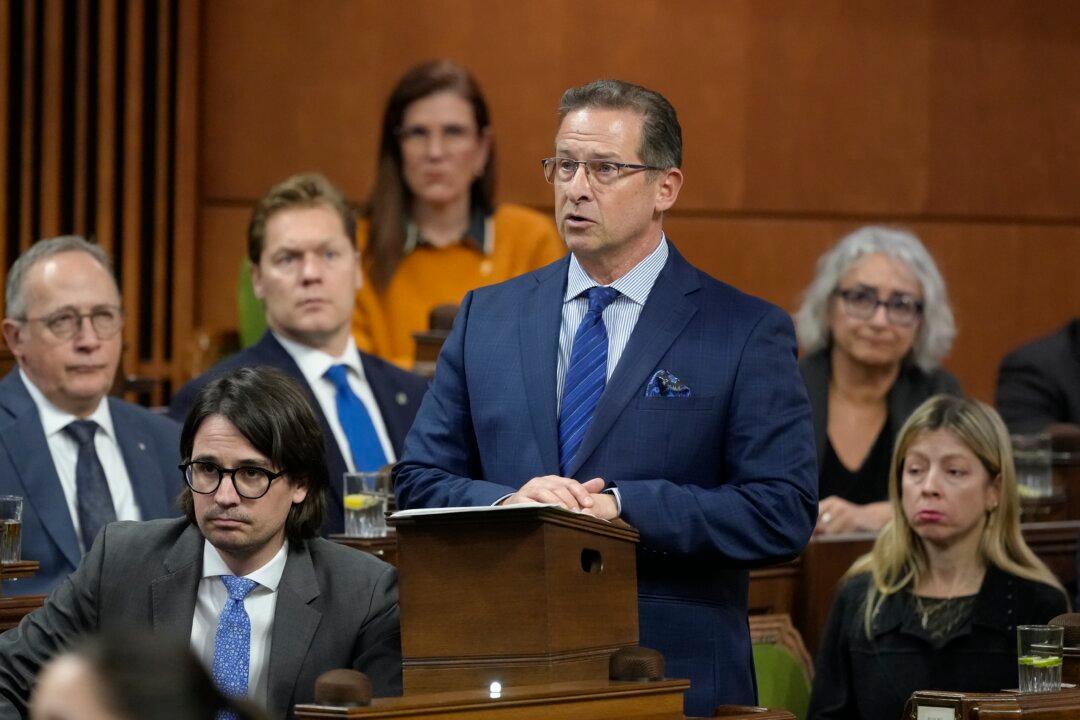
The Conservatives have said that declaring a “strategic partnership” with Beijing while calling it Canada’s stop security threat is a contradiction. “Is this another example of the prime minister saying one thing during the election and doing another after?” asked Tory MP and foreign affairs critic Michael Chong in the House of Commons.
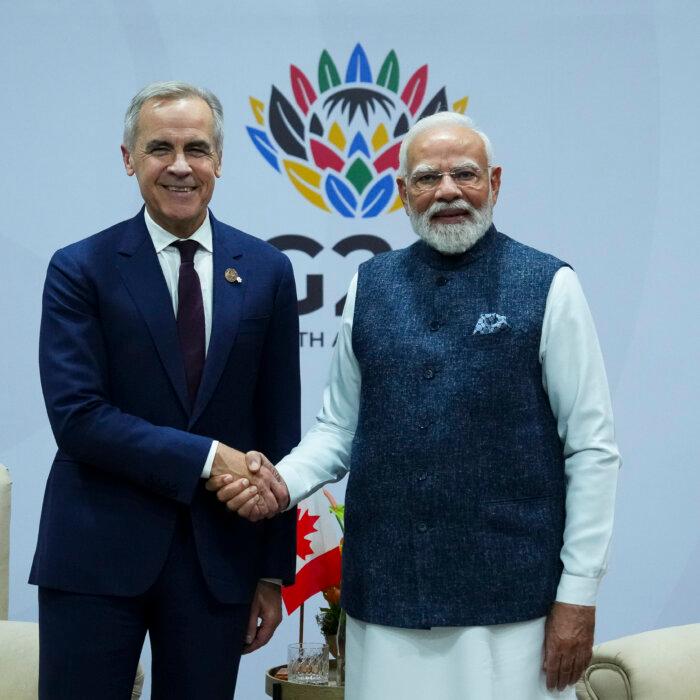
Efforts have also been made to improve relations with India, after months of tensions.
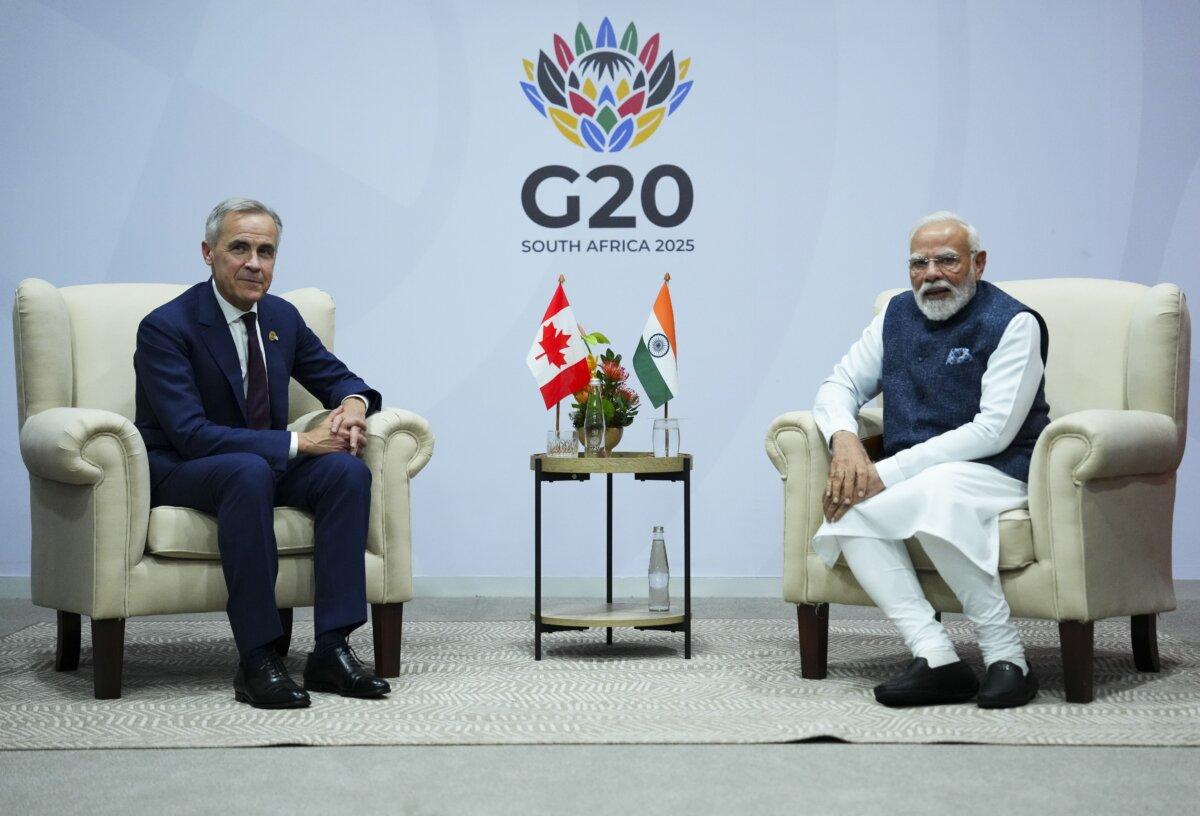
Trudeau had accused New Delhi of having a hand in the assassination of a pro-Khalistan activist in B.C. in 2023, plunging the relationship into turmoil. Now as the “law enforcement dialogue” on this issue and others continues between the two countries, relations have been put back on track.
Anand said Ottawa is pursuing a strategy defined by “pragmatism.”
Other Moves
The $70 billion figure also surfaced when Carney visited the United Arab Emirates before going to South Africa for the G20 Summit in November. This is the amount the UAE pledged to invest in Canada while Carney was in Abu Dhabi making the first visit by a Canadian prime minister since 2023. Free trade negotiations were also launched at the time.“We are partners,” said Carney. “The UAE has been an important partner for Canada in helping us to deliver humanitarian aid for Gaza. We are partners with them in helping with Afghanistan.”
Efforts have also been made to deepen bilateral relations with Mexico. Carney visited the country in September and Canada-U.S. Trade Minister Dominic LeBlanc travelled there in December. The two countries have been significantly impacted by the Trump administration’s tariffs and border security stance and face uncertainty regarding the fate of the USMCA.