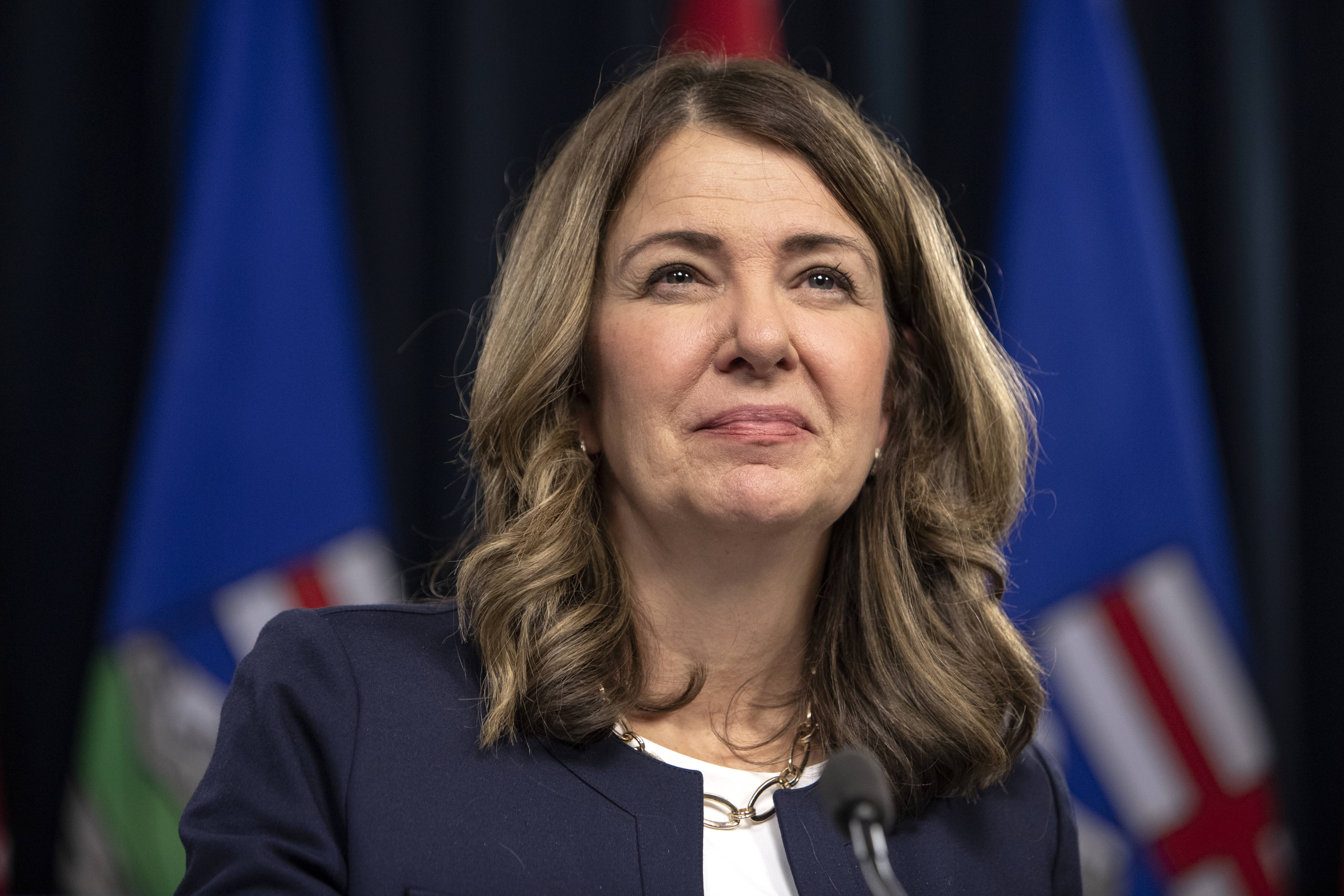
Alberta’s new bill on medically assisted death could dramatically change the use of euthanasia in the province—and set off a new phase in Canada’s highly controversial assisted dying regime.
At the core of the bill is a provision limiting MAID to those whose natural death is foreseeable within 12 months. The bill would effectively end “Track 2” MAID, or cases in which the patient is suffering but not near death. Track 1, by contrast, applies to cases where death is foreseeable.
Where It All Started
In 2015, the Supreme Court of Canada overturned the ban on physicians providing euthanasia in Carter v. Canada. In 2016, Parliament acted on the decision with Bill C-14, allowing doctors and nurse practitioners to provide MAID to patients in an advanced state of a “serious and incurable” illness causing them a great deal of suffering, and with a “reasonably foreseeable” natural death.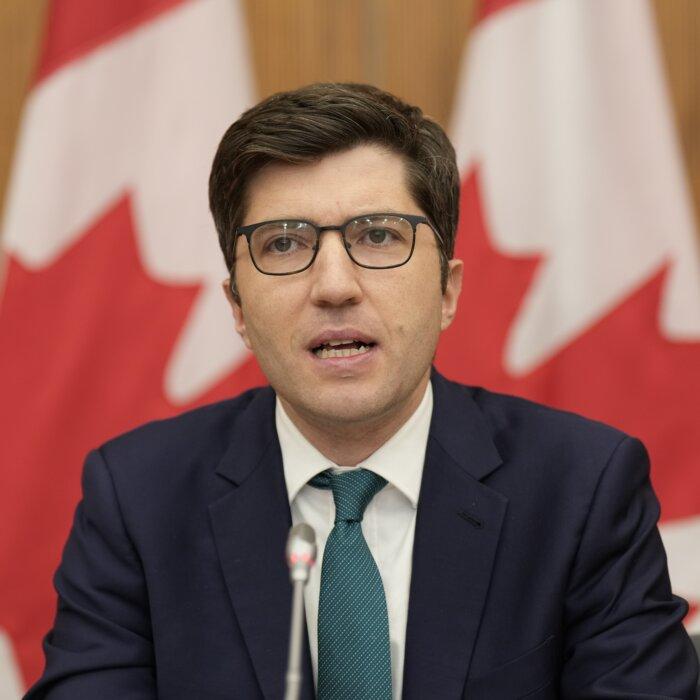

‘Isolation or Loneliness’
The most common conditions for Track 2 were neurological, and the top neurological conditions reported by MAID recipients were Parkinson’s disease, ALS, dementia, and multiple sclerosis. Also prominent in Track 2 was an “other” category that includes illnesses such as diabetes, autoimmune conditions, chronic pain, and “frailty.”When describing their suffering, 44.7 percent of Track 2 recipients reported “isolation or loneliness,” compared to 21.9 percent of those in Track 1.
This data offers a look at what kinds of cases would become ineligible for MAID under the Alberta bill, but the statistics fail to reflect the series of controversial cases that emerged after eligibility expanded in 2021.
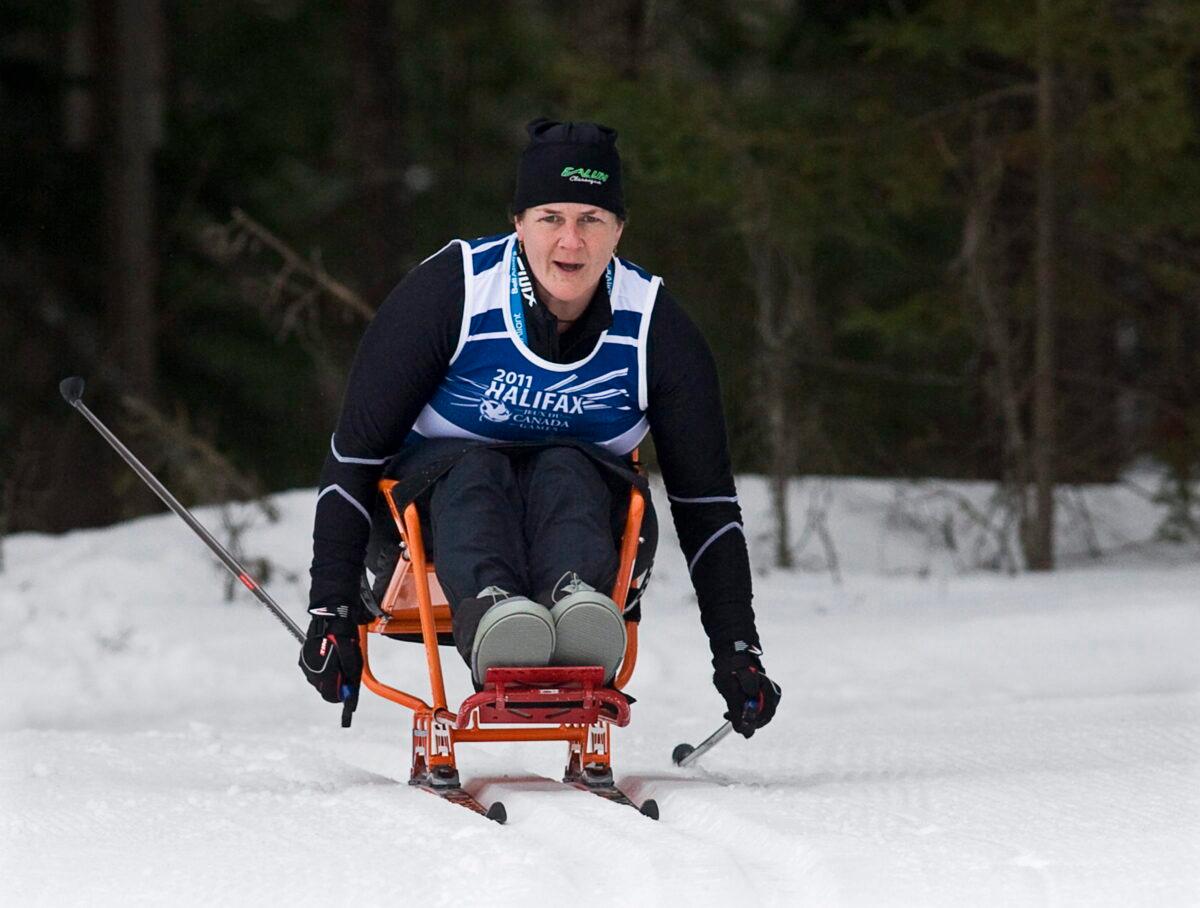
“I was told that if I was that desperate, they could give me medical assistance in dying now,” she testified.
“When we see that kind of international criticism saying this is really outside the norm, we have to take that seriously,” she said.
Canada’s decision to allow Track 2 MAID was again highlighted internationally during Conservative Leader Pierre Poilievre’s March 19 interview with pioneering podcaster Joe Rogan.
In the interview, viewed 2.4 million times in its first five days on YouTube, Rogan said he thought MAID could be appropriate in some cases but said Canada has gone too far.
Mental Illness
While Alberta’s legislation seeks to end MAID in cases where death is not foreseeable, it also aims to head off an even greater expansion of eligibility that may come in the future: MAID for cases where the sole underlying condition is mental illness.Premier Smith argued at the March 18 press conference that “MAID should not become a permanent response to a moment of crisis or despair that can change with care and time.”
This aspect of Alberta’s MAID bill does not address a currently legal practice, but rather one which could be legalized as early as next year.
Unless this provision is delayed again or modified in the coming year, Canadians will be able to access MAID even if their sole underlying condition is a mental illness. The Alberta government’s bill aims to prevent this option in Alberta.
Another potential eligibility expansion explicitly legislated against in Alberta’s bill is extending MAID to minors. While this is not actively proposed by the federal government, a parliamentary committee did endorse the extension.
The Alberta bill would prohibit people under 18 from accessing MAID under any circumstance.
Under Canada’s federal system, provinces and territories have constitutional jurisdiction over health care, with Ottawa disbursing funds through the Canada Health Transfer. This means that Alberta can legislate on matters of health care such as MAID.
Quebec Seeks to Expand MAID
The province of Quebec, meanwhile, has also introduced a bill on MAID—although with the goal of expanding rather than limiting access.Federal MAID legislation does not allow advance requests, placing Quebec in a legal situation of permitting an action banned under federal law.
In imposing stricter limits on MAID than exist federally, Alberta appears to have steered clear of conflicts over federal-provincial jurisdiction, as so far the feds haven’t raised any objections. However, the provincial government could potentially have to defend its bill against possible court challenges.
The court ruled that the federal limit on MAID violates Sections 7 and 15 of the Charter of Rights and Freedoms. Section 7 guarantees the right to “life, liberty and security of the person,” while Section 15 lays out the right to “equal protection and equal benefit of the law without discrimination.”
At the press conference announcing Alberta’s new MAID legislation, provincial Justice Minister Mickey Amery said Alberta is not directly impacted by the Truchon decision.
“The Quebec challenge was a decision in Quebec. It is not binding on Alberta,” he said.

Warding Off Court Challenges
Alberta does have a final, powerful tool in its legal toolbox.If Alberta’s MAID bill is successfully challenged, the provincial government appears willing to invoke the notwithstanding clause, a constitutional provision allowing governments to temporarily override Charter rights.
Smith described the clause as a way to insulate her government’s MAID bill from any eventual court challenges:
“Sometimes the courts disagree and they offer to strike down our bills, at which point we have the way of engaging with them in conversation by using the notwithstanding clause,” she said.
Last year, the Alberta government invoked the notwithstanding clause twice to shield bills from court challenges.
 The clause was used in October 2025 to order striking teachers back to work. It was invoked again in December 2025 to shield the Protecting Alberta’s Children Statutes Amendment Act, which prohibits transgender surgeries for minors, requires schools to notify parents when a student wishes to change their pronouns, and bars biological males from playing in amateur female sports.
In both of these situations, Alberta used the notwithstanding clause pre-emptively—shielding bills from court challenges rather than invoking the clause after a bill has already been ruled unconstitutional.
Meanwhile, the Supreme Court of Canada is currently hearing a case on the legality of Bill 21, Quebec’s ban on religious symbols for public sector employees, that will have implications for how Alberta can use the notwithstanding clause going forward.
Expecting Charter challenges, Quebec pre-emptively invoked the notwithstanding clause when it passed Bill 21 in 2019. The Supreme Court of Canada is expected to rule on the constitutionality of this practice.
Even if the Supreme Court limits the pre-emptive use of the notwithstanding clause, Alberta can still use the clause to protect its MAID bill—but it will have to do so after a court strikes it down, rather than before.
More developments are likely in the coming months as Alberta goes ahead with passing and implementing its new bill, and as potential court challenges arise.