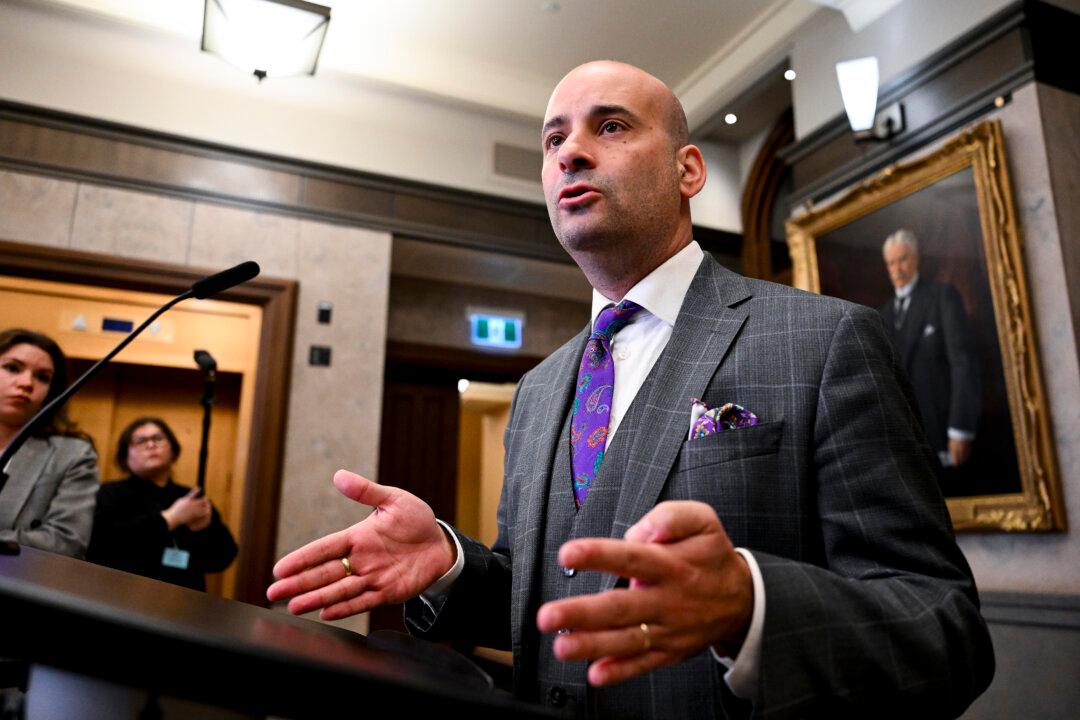
MAID currently permits doctor-assisted suicide for people with terminal illnesses or other incurable medical conditions. Under Track 2, eligibility also extends to individuals with chronic illness or disability who are experiencing “unbearable physical or mental suffering” but whose death is not “reasonably foreseeable.” An expansion to allow MAID for those whose sole underlying condition is mental illness is currently paused until 2027.
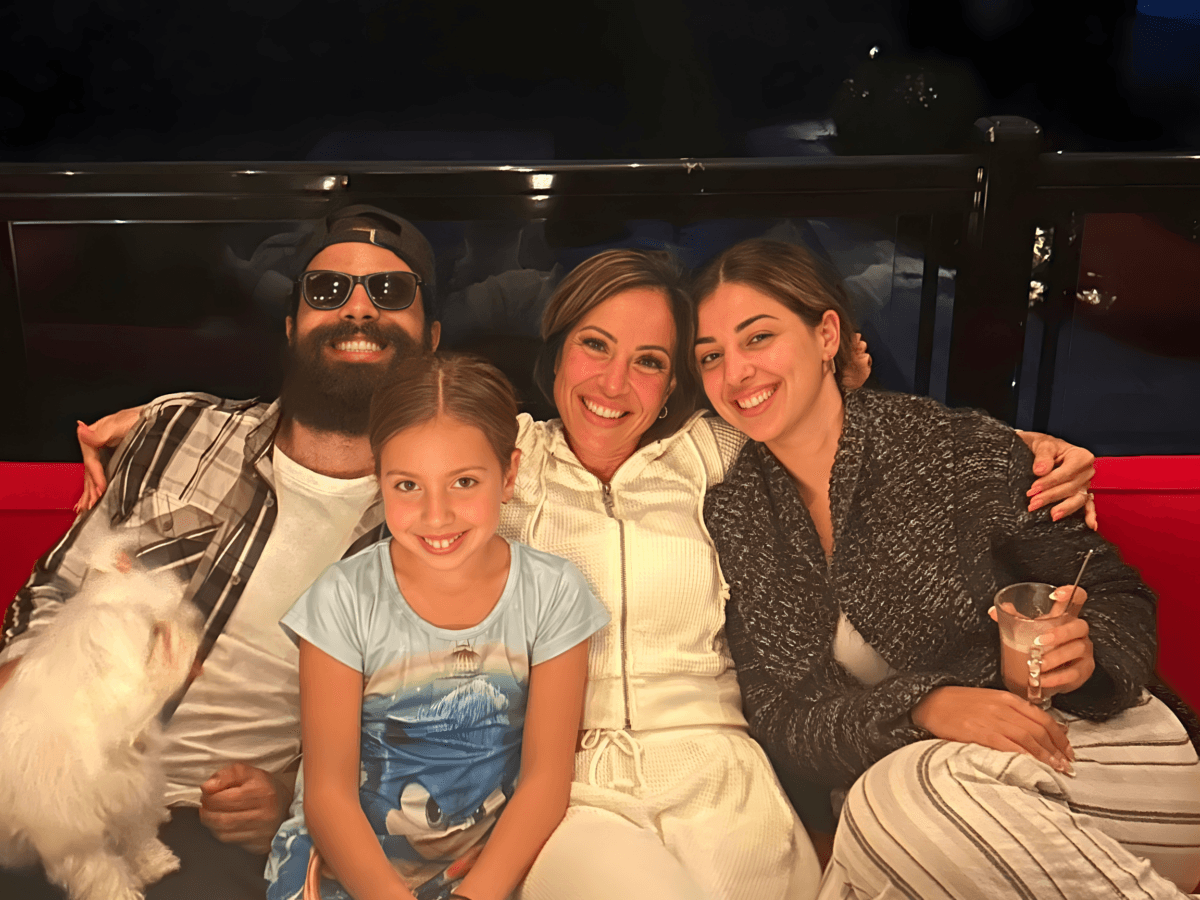
“I strongly feel that if he wasn’t approved for MAID, he would have still been around,” Marsilla said, adding that her son was an intelligent and kind young man whose loss is deeply felt by his whole family.
Marsilla, who took part in the press conference with Joseph Caprara, her husband and Vafaeian’s step-father, said they remained very close to Vafaeian into adulthood, providing financial, housing, and medical support and helping him try to stabilize his life as he faced physical and mental health challenges.

Marsilla noted that her son was diagnosed with Type 1 diabetes in early childhood and later went on to lose sight in one eye and diminished sight in the other eye.
She said Vafaeian later went on to become addicted to cannabis, psilocybin, and other drugs in an attempt to treat his discomfort and mental illness. After being repeatedly turned down for MAID in Ontario between 2022 and 2024, he was given a link in an email from Health Canada to find other provinces where he could seek it, she added.
Mental Illness
Marsilla said her son suffered from mental illness for years. She attributed his “obsession” with MAID to his mental health condition and said she does not think medical professionals sufficiently encouraged or compelled him to obtain appropriate psychological treatment.After digging through her son’s medical records, she found “no sign” of any doctor recommending he undergo specific treatment, Marsilla said.
“They did mention [cluster B] personality traits, the mood disorders, the ADHD, and all of that. They never mentioned treatments, they never mentioned medication, none of that,” she added. “Nowhere does it state that he should be undergoing severe treatment.”
Marsilla said her son’s vision loss related to diabetes was worsened because he did not complete some recommended eye surgeries, contributing to avoidable deterioration in his vision.
MAID applications are self-referred and applicants do not have to inform their family members or caregivers.
Wiebe told The Epoch Times she cannot comment on an individual case but that she has only approved MAID for people with “unbearable” physical suffering.
“I and my colleagues have only ever approved people who have grievous and irremediable medical conditions (not psychiatric) who are suffering unbearably,” she wrote in a Jan. 12 email.
Wiebe’s Willow Clinic also faced an injunction from a B.C. judge and had to halt the scheduled euthanization of an Alberta woman the day before it was to be performed. The judge’s order prevented any doctor from carrying out the procedure.
The B.C. Provincial Health Services Authority, which administers specialized services including frameworks for end-of-life-care, did not respond to requests for comment from The Epoch Times by time of publication.
Dying With Dignity Canada CEO Helen Long wrote in a Jan. 12 email to The Epoch Times that while the organization cannot comment on individual cases, “it is important to be clear that medical assistance in dying (MAID) for mental illness as the sole underlying condition is not legal in Canada.”
Long added that her organization empathizes with all who have lost somebody they care about to assisted death.
“We are empathetic to the suffering of anyone who has lost a loved one to an assisted death,” Long wrote.
“Family members are at a loss for how to intervene and save the lives of their loved ones,” she said in an interview.
Response
Marsilla and Caprara said they are considering joining class action lawsuits but are currently focused on speaking out about what they believe is a lack of proper safeguards in the MAID system, including inconsistency between provinces in terms of who is eligible for MAID.They also dispute the claim that their son suffered from severe peripheral neuropathy, which was listed on his death certificate. Marsilla, who works in health care, said she has patients with the condition and does not believe her son experienced the condition, which includes severe pain and inability to perform basic physical tasks and be mobile.
Marsilla and Caprara said they are also focused on supporting the passage of Bill C-218, a private member’s bill tabled by Conservative MP Tamara Jansen that would block MAID for anyone where mental illness is the sole underlying condition.
“That bill has to go through,” Marsilla said during the virtual press conference attended by a number of individuals including B.C. Conservative MLA Anna Kindy, who serves as her party’s health critic in the legislature.
While Marsilla and Caprara said they agree that Vafaeian was an adult who had the right to make his own choices, they believe he was coached into receiving MAID and was making positive future plans in late 2025 when he appeared to switch track after being approved for MAID in B.C.
“We’re exposing this so no other families are destroyed like this,” Marsilla said. “The general public believes that MAID is for those who are dying, period, and that’s not true.”