
ARLINGTON, Va.—Secretary of War Pete Hegseth has confirmed that the Pentagon is pursuing as much as $200 billion in supplemental funding to cover costs from ongoing U.S. military operations against Iran.
Multiple news outlets had previously reported that the Pentagon is seeking the supplemental appropriation to address the ongoing conflict.
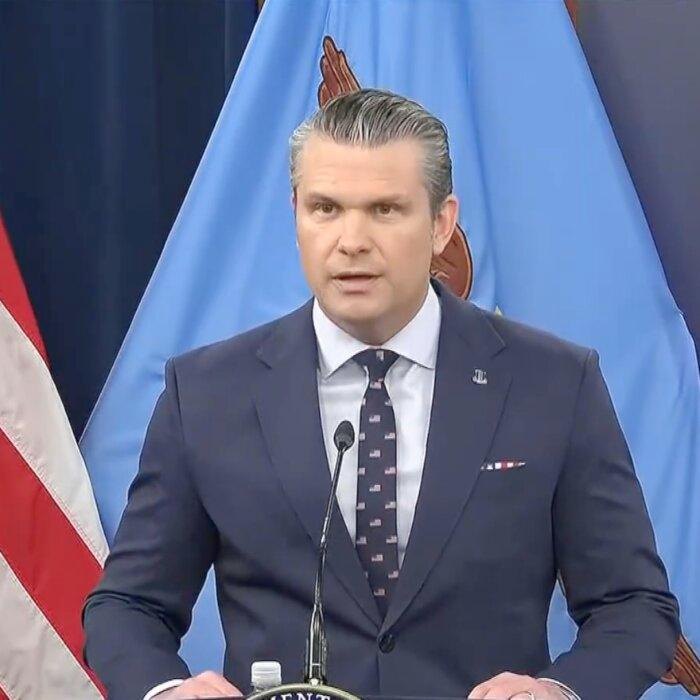
“As far as $200 billion, I think that number could move,” Hegseth said. “Obviously, it takes money to kill bad guys. So, we’re going back to Congress, and our folks there, to ensure that we’re properly funded for what’s been done, for what we may have to do in the future.”
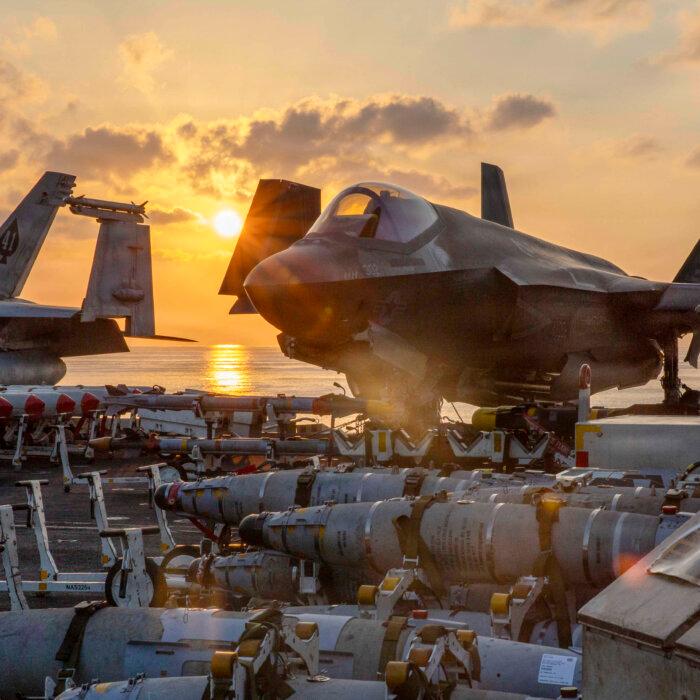
Hegseth said the funding would not only refill munitions stockpiles that U.S. forces have expended in the course of the ongoing fighting, but also bring those stocks “above and beyond” where they were before the conflict began.
“An investment like this is meant to say, ‘Hey, we’ll replace anything that was spent,' and now that we’re reviving our defense industrial base and rebuilding the arsenal of freedom and cutting deals ... we’re going to be refilled faster than anyone imagined,” he said.
When asked about the supplemental request during a White House news conference later on March 19, President Donald Trump said: “We’re asking for a lot of reasons, beyond even what we’re talking about in Iran. ... This is a very volatile world.”
Trump said that the United States retains large weapons stockpiles but that military support for Ukraine in its fight with Russia has lowered some U.S. munitions levels.
The president described efforts to preserve magazines for high-end weapons and noted recent initiatives to boost overall arms production.
“We’re in very good shape, but we want to be in the best shape, the best shape we’ve ever been in,” he said.
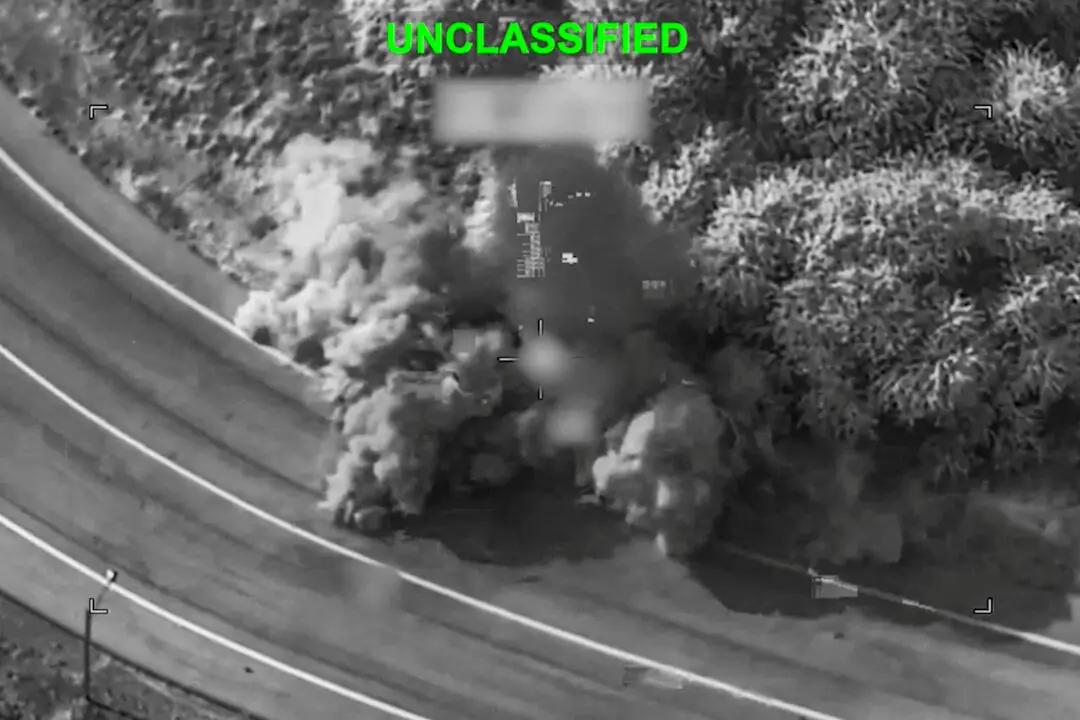
Along with expending precision munitions, the ongoing Iran conflict has required U.S. forces to divert resources from other regions of the world.
Equipment losses have also added to the cost of the war.
A Pentagon official has confirmed around 10 unmanned MQ-9 Reaper drones have also been shot down amid the ongoing hostilities.
In an interview with CBS News’s “Face The Nation” on March 15, White House National Economic Council Director Kevin Hassett said the Iran conflict, by that point in time, had cost $12 billion. During the interview, Hassett shared an assessment that the military operation could last four to six weeks.
During the interview, Hassett indicated the administration didn’t yet see a need for additional funding.
Congress Awaiting Spending Details
The plans for the supplemental military funding appear to still be taking shape, and lawmakers have offered few specifics about where discussions stand.Last week, Sen. Josh Hawley (R-Mo.) told reporters that he had not heard much about a request for additional military funding and said the matter “doesn’t seem to be on the front burner.”
House Majority Leader Steve Scalise (R-La.) on March 18 told reporters that lawmakers are awaiting a formal request for supplemental funding from Trump’s administration. Scalise noted that the normal appropriations process for fiscal year 2027 is set to begin soon.
In another comment on March 18, Sen. Jack Reed (D-R.I.), ranking member of the Senate Armed Services Committee, noted growing talk of a supplemental request but reiterated that no formal request had emerged.
When asked about Hassett’s recent comments downplaying the need for additional Iran-related military funding, Reed said that the Trump administration could change its view with short notice.
“I think the White House timeframe is about 20 minutes or 30 minutes ahead,” Reed told The Epoch Times. “So right now we don’t need it. But 20 minutes from now?”
Speaking with reporters on Capitol Hill following Hegseth’s comments about the Iran supplemental funding, House Speaker Mike Johnson (R-La.) said he expected any incoming request to be highly detailed.
“So we’ll look at that,” he said. “But obviously it’s a dangerous time in the world and we have to adequately fund defense, and we have a commitment to do that.”