A peak industry body for Australia’s property sector has raised concerns that the Labor government is “taxing property like tobacco” through its latest changes to capital gains tax (CGT), negative gearing and discretionary trusts.
Following the release of its 2026-27 budget, the government is pushing to replace the current 50 percent CGT discount with an inflation-based system that taxes only “real” gains, alongside a minimum tax rate of 30 percent on capital gains.
In addition, it would restrict negative gearing for residential property to newly built homes and impose a new minimum 30 percent tax on income distributed through discretionary trusts.
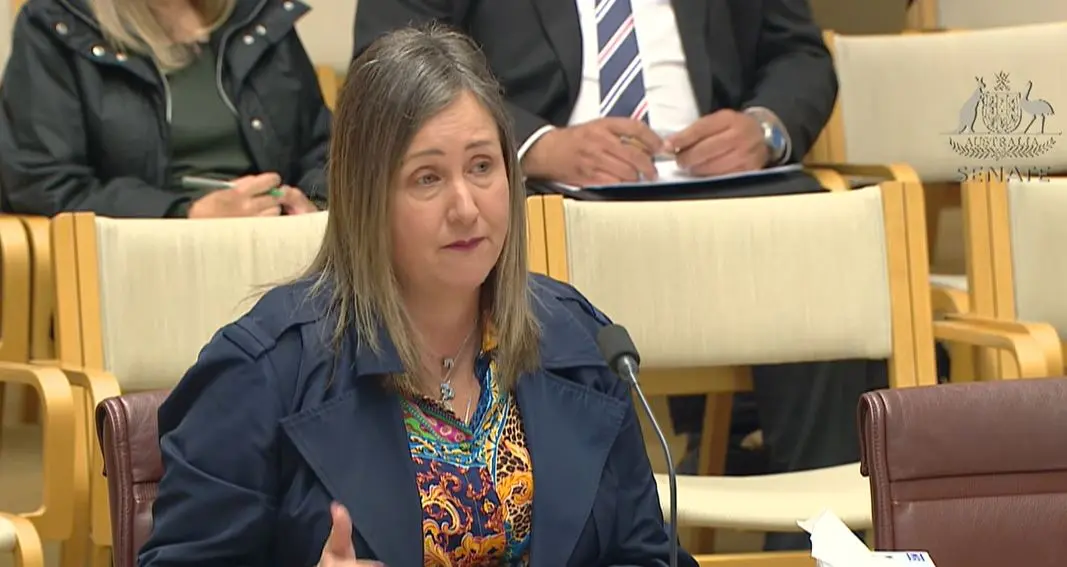
During a parliamentary inquiry into the Treasury Laws Amendment (Tax Reform No. 1) Bill 2026, Mike Zorbas, CEO of the Property Council of Australia, said housing was already subject to a heavy tax burden.
“The cost of each new home is now, in some states, almost 40 percent federal, state, and local government charges. That is where affordability begins and ends on housing,” he told the Economics Legislation Committee.
Reducing Housing Supply
Zorbas argued that the proposed changes to CGT and discretionary trusts would increase the tax burden on property businesses, which would in turn affect consumers and reduce housing supply.
Asked about the ability of property investors who purchase new residential builds to choose between the existing 50 percent capital gains tax discount or the new arrangements, Zorbas called it a choice between “the dire and the diabolical.”
The Property Council, Master Builders Australia (MBA), and the Real Estate Institute of Australia have commissioned independent modelling which they say indicates that—even with the impact of the $2 billion (US$1.4 billion) Local Infrastructure Fund—will see 8,742 fewer homes built over four years.
They are also concerned that the tax changes will occur before the fund is spent and the infrastructure is complete.
Investment Strike Possible
Denita Wawn, CEO of the MBA, told the committee that the combined tax hikes “will stifle business and are likely to cause a private investment strike, leading to a significant decline in terms of economic capacity of our country.”Both the MBA and the Housing Industry Association (HIA) claimed that there were drafting errors in the legislation, suggesting it had been rushed.
“If we were sitting here in our dream situation, we'd be saying we need a fulsome review of tax on housing in this country. That’s what we need, not this kind of little iterative changes that we call reform.”
The organisations asked that the Committee obtain the modelling used by Treasury to underpin the projections in the budget and make it publicly available.
“In the absence of any evidence that the package will increase housing supply, the status quo should be maintained, and the Bills should be opposed,” the HIA’s submission said.