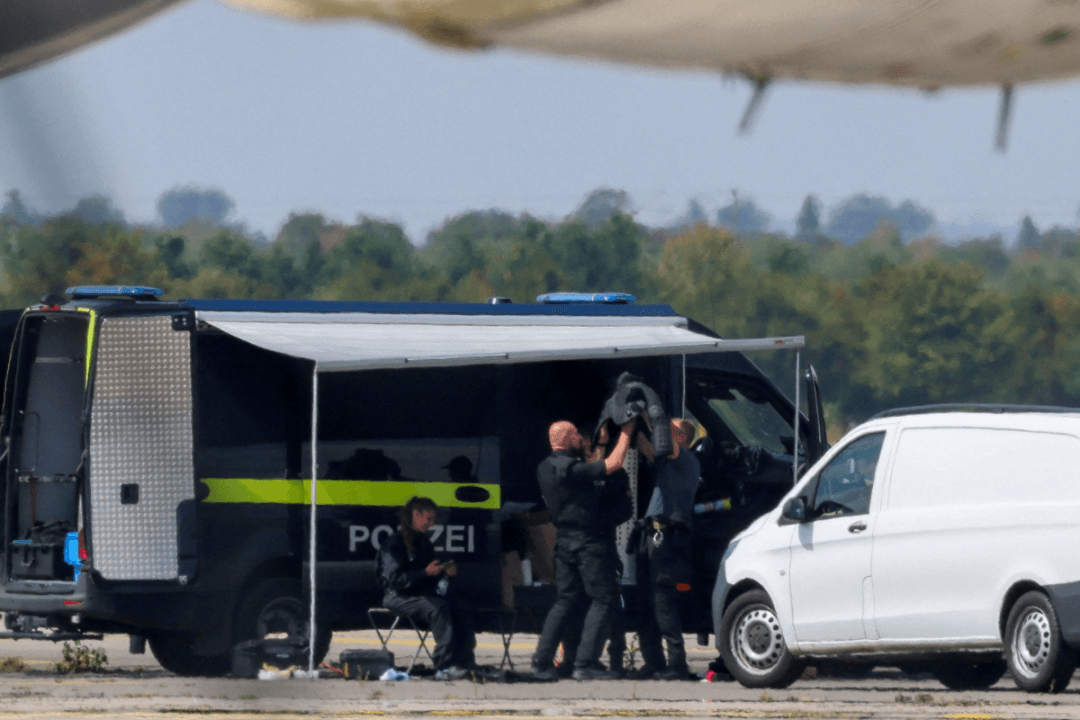
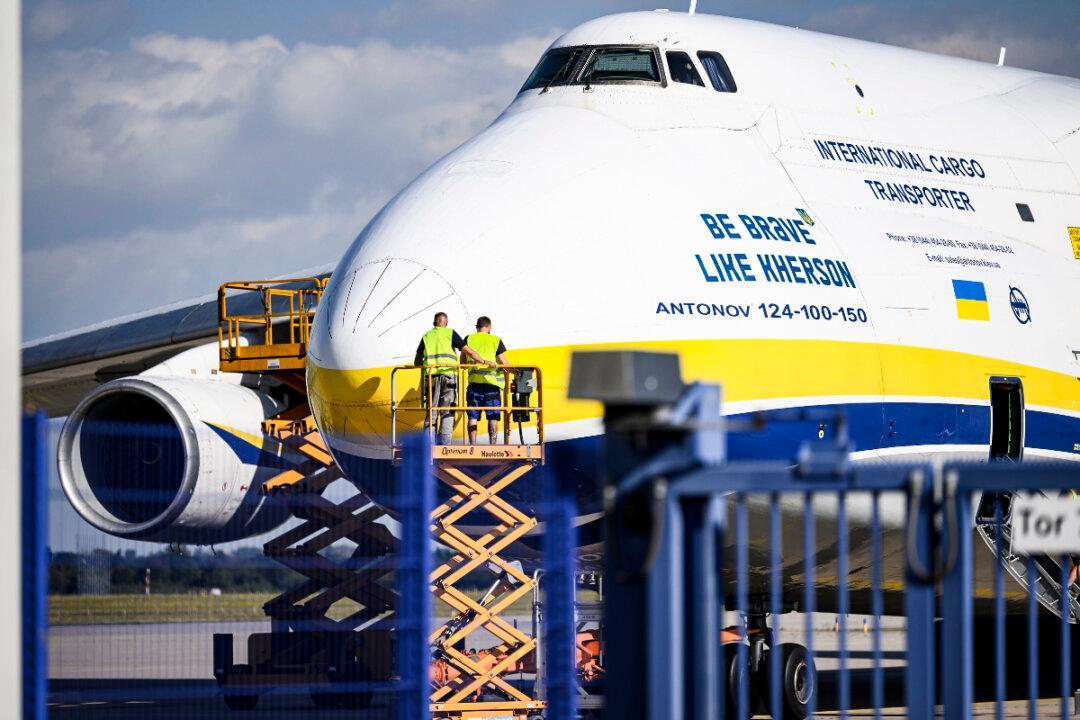
German airline Lufthansa announced on April 21 that 20,000 short-haul flights would be canceled this summer because of the ongoing fuel crisis sparked by the Iran war and subsequent blockade of the Strait of Hormuz, a vital route for global oil shipments.
Lufthansa said in a statement that the flights “will be removed from the schedule through October, equivalent to approximately 40,000 metric tons of jet fuel, the price of which has doubled since the outbreak of the Iran conflict.”
The carrier said that the changes will reduce the number of “unprofitable short-haul flights” across its network and will be carried out across Lufthansa Group’s six hubs in Brussels, Munich, Rome, Vienna, Zurich, and Frankfurt, Germany.
Lufthansa stated that passengers will still have access to the group’s global network of flights, but “due to the increase in jet fuel prices, this will be achieved significantly more efficiently than before.”
The airline said that its jet fuel supply has been secured for the coming weeks and that it expects to have a “largely stable fuel supply.”
“Lufthansa is pursuing a range of measures to this end, including the physical procurement of jet fuel as well as price hedging,” the statement reads.
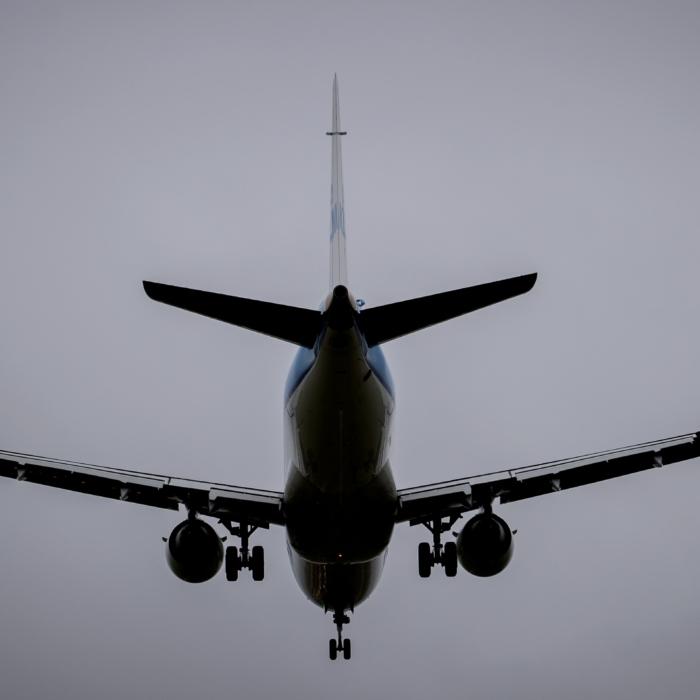
The first flight cancellations were implemented on April 20, effective until the end of May, and medium-term route planning for the rest of the period from June onward will be published in late April or early May.
Responding to the announcement, Kirill Dmitriev, Russia’s special presidential envoy on foreign investment and economic cooperation, said in an April 21 post on X that an “energy crisis tsunami” is heading for Europe.
“This is just the beginning,” Dmitriev said.
European Jet Fuel Supplies
The announcement came days after the Dutch government estimated that the European Union has about five months’ supply of kerosene—which is used as jet fuel—left.It also outlined possible scenarios, ranging from a manageable disruption to a full-scale supply crisis.
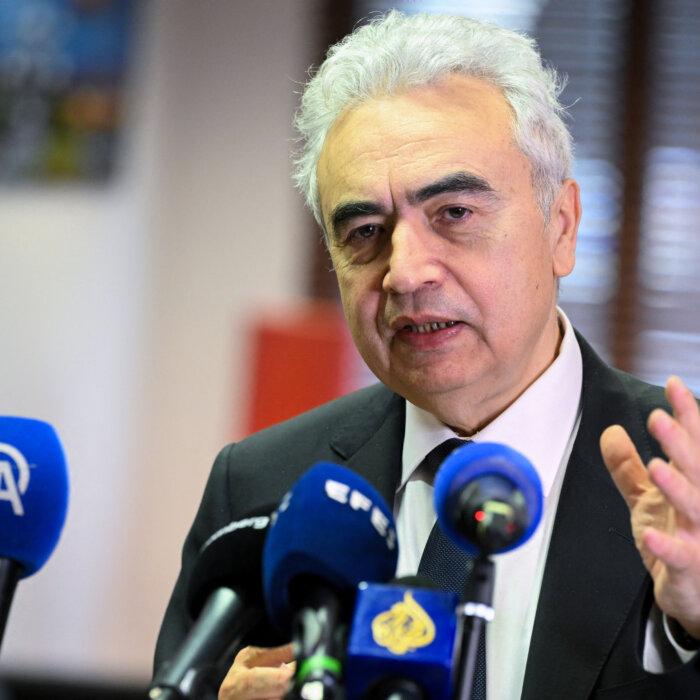
Others have made estimates of Europe’s potential supply, including International Energy Agency Executive Director Fatih Birol, who said on April 16 that Europe has “maybe six weeks or so [of] jet fuel left.”
Birol also criticized the so-called toll booth system that Iran has applied to some ships, allowing them to travel through the strait for a fee, saying it risked setting a precedent that could be enforced in other key waterways.
On March 31, U.S. President Donald Trump criticized countries currently unable to get jet fuel for failing to get involved in “the decapitation of Iran.”
“I have a suggestion for you: Number 1, buy from the U.S., we have plenty, and Number 2, build up some delayed courage, go to the Strait, and just TAKE IT,” Trump wrote in a Truth Social post.
Other Airlines Cutting Capacity
Other global airlines have said they are cutting capacity and raising fares or fees because of rising fuel prices as a result of the conflict in the Middle East.American Airlines’ move followed similar fee increases by Delta Air Lines, JetBlue, Southwest Airlines, and United Airlines in response to the surge in fuel costs.