Independent school enrolments have surged 20 percent in Australia’s most populous state, New South Wales, with traditional households in Western Sydney being a major driver of this trend.
Independent schools are classed as those offering education outside of state-based services and the Catholic education system.
“In 2025, the typical independent school is co-ed, K-12 (kindergarten to Year 12), faith-based, located west of Parramatta and charging less than $6,000 a year,” she said.
The trend is part of a state-wide surge in independent education enrolments.
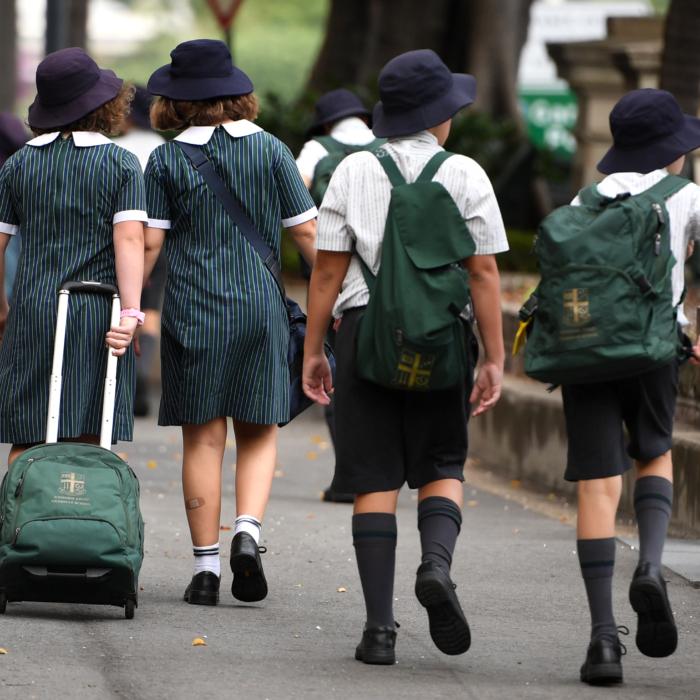
Since 2000, NSW independent schools have enrolled almost two thirds of the state’s additional students—that’s 101,565 students.
And within the past five years, more new students enrolled in NSW independent schools than in every state and territory government school sector combined.
There are only 430 independent schools in NSW, making up 14 percent of the state’s education options—meaning independent educators are pulling significant weight.
Evans said parents were motivated by the costs and teaching format.
“Half of NSW independent schools are combined primary/secondary and co-educational schools, an environment many families prefer for their child,” she said.
“Independent schools are also far more affordable than many people realise; more independent schools charge less than $2,000 per year than over $20,000.”
The report also found parents were interested in “values-based education” for their kids.
“Over the past decade, enrolments in these schools have increased by 30 percent, reflecting the continued appeal of values-based education, despite an almost doubling of students who identify with no faith (from 16 percent to 29 percent).”
In June, it was reported that government school enrolments across the board had hit a 10-year low, with just 63.3 percent of students in public education.
Australia’s record low birth rate may continue to be a factor.
Total enrolments will likely grow by an average of just 5,100 annually, less than half the pre-pandemic average.
However, Western Sydney appears to be bucking that trend.