While birth rates have slowly started bouncing back across Australia, new analysis shows big cities are lagging in baby numbers.
Consultancy firm KPMG says that despite some improvements, cost of living pressures are deterring many Australians from having families or causing them to start later in life.
In the past year, the total number of births nationally reached 292,500, a recovery of 2.6 percent compared to the previous year, but still a 3.8 percent drop from 304,000 in 2019, before the COVID-19 pandemic drove up birth rates significantly.
Australia’s fertility rate also continues to sit at 1.51 children per woman, well below the 2.1 children per woman needed to sustain the nation and economy.
Regional areas have seen the biggest baby boost, with 94,900 births in the past year, a 3.9 percent increase on the year before.
KPMG Urban Economist Terry Rawnsley said big cities were proving harder places to raise families.
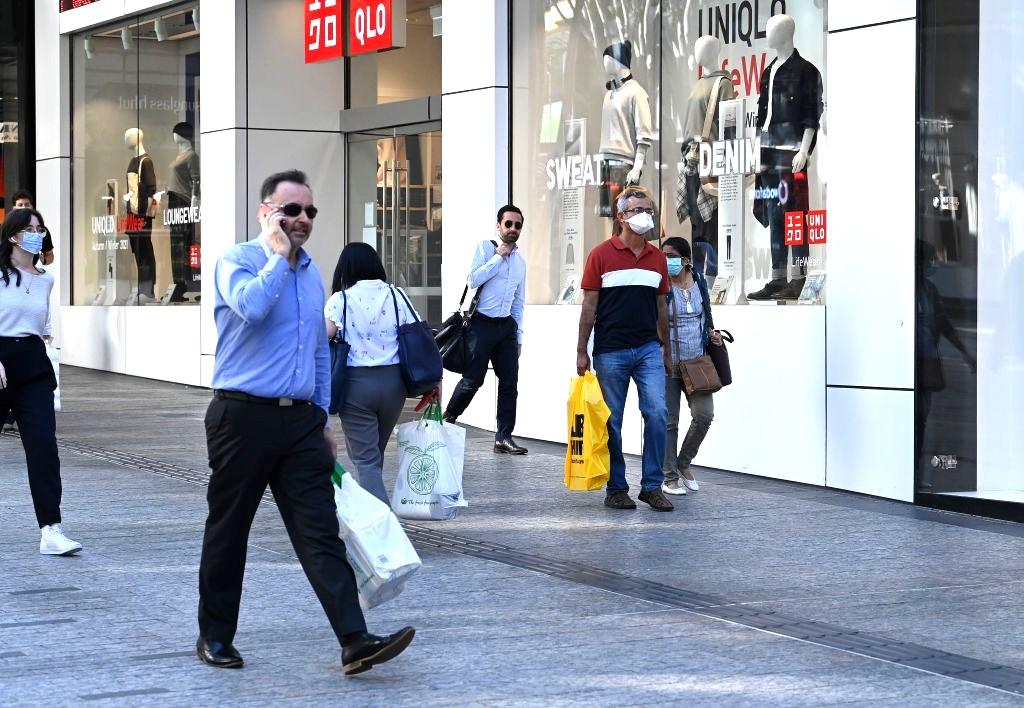

“Rising rents, mortgage payments, and childcare costs in the metro areas are putting a handbrake on people’s plans to start or grow their family,” he said.
The Economics of Babies
Rawnsley says higher birth rates generally accompany better economic conditions.“During the initial recovery from the lockdown period birth rates temporarily spiked due to low unemployment and substantial government stimulus. But the rising cost-of-living pressures in 2022 and 2023 triggered a significant ‘baby recession,’ with births dropping by 5.1 percent during that time,” Rawnsley said.
“Encouragingly, the growth in disposable household income per capita in 2024 suggests there’s cause for optimism that birth rates will recover further.
“While many Australians are still holding back due to cost-of-living pressures, those with a little more cash in the bank are now turning their attention to having a family again.”
Rawnsley said the birth rate is projected to reach 300,000 next year.
From City to City
Western Sydney appears to be working on the baby boom in Australia, with suburbs in the region recording solid growth despite Greater Sydney’s overall birth rate being down.Data shows a birth rate of 1.58 percent.
“Sydney’s booming West is proving the perfect place to raise a family, with many of these areas offering bigger backyards and the same amenities as suburbs closer to the city, for just a fraction of the price,” Rawnsley said.
Sydney has managed to achieve 60,000 births in a year, a 1.1 percent increase on 2023.
Melbourne, on the flipside, recorded a 1.40 percent drop in its fertility rate, lower than the national average.
It is the steepest decline in baby numbers in years, with Rawnsley saying Melbourne has struggled to stabilise its birth rate since the pandemic.
“The city did not have a post-COVID spike in births like most other cities, possibly because its lockdowns were more protracted than both Sydney and Brisbane,” he said.
Brisbane’s fertility rate is high, sitting at 1.58 percent, like Western Sydney.
The city has recorded the highest fertility rate on Australia’s east coast.
But of all major cities, Perth showed the best growth.
Conditions in the city are much more family-friendly, Rawnsley says.
“Perth’s relatively strong fertility rate is driven by the fact its housing market is still much more affordable, compared to the east coast,” he said.
Regions a Winner
Regional Australia has proven more resilient to the declining birthrate, with the regional parts of the states reporting birth rates from 2.9 percent up to 8 percent.“The strong birth rates outside the cities are in part a consequence of the great migration we saw during the pandemic, which encouraged many Australians to leave city lockdowns for a better lifestyle in the regions,” Rawnsley said.
“These regions are now feeling the long-term benefits of that migration as their relative affordability has allowed them to retain those people who have put down roots and are starting families.”