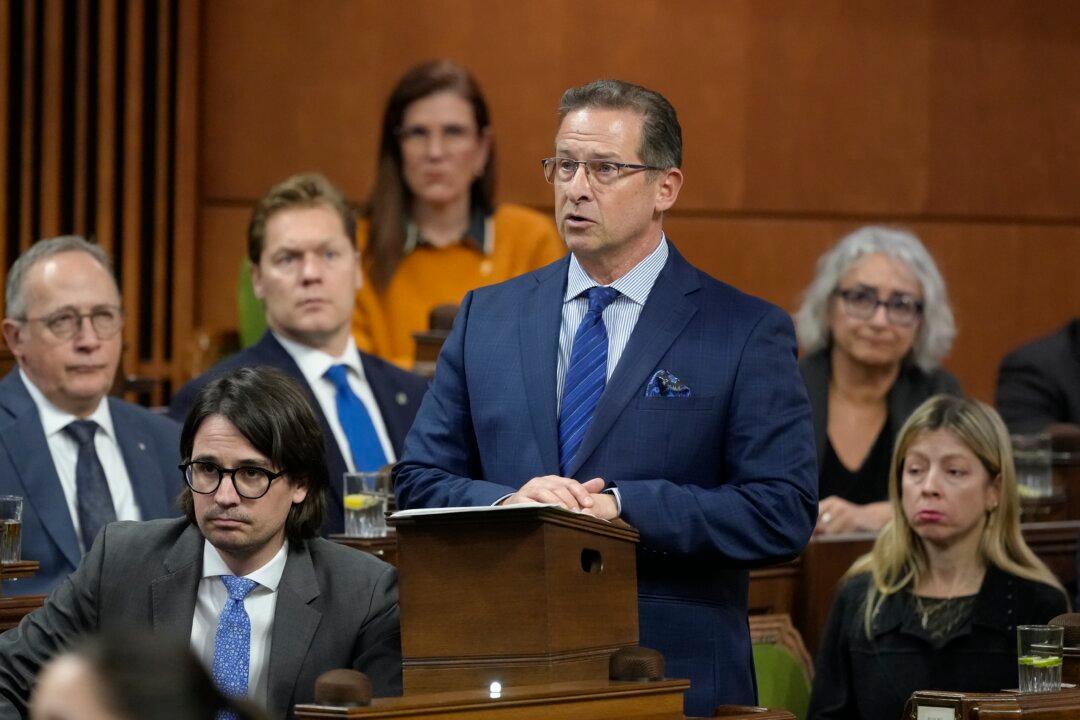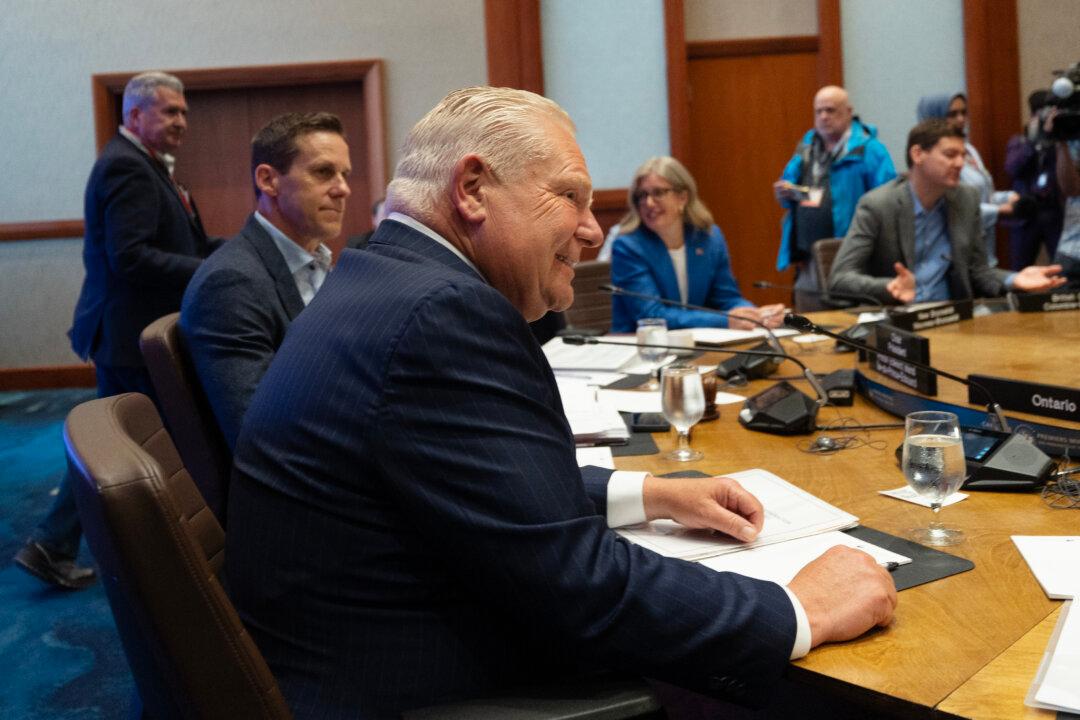
After political drama lasting several days, the Liberal government sided with the Bloc Québécois to amend its hate crime bill by removing the religious defence to hate speech.
The Liberals came around after seemingly pulling their support last week, now arguing that the removal of the religious exemption in the Criminal Code will have no impact on freedom of religion.
The price of not supporting the Bloc’s amendment would have been to see Bill C-9 rejected altogether or to have to change it significantly, since it would not have any opposition party support. The Conservatives and the NDP have cited civil liberties concerns in their opposition.
After the bill leaves committee, the House will vote on the proposed amendments and proceed to third reading.
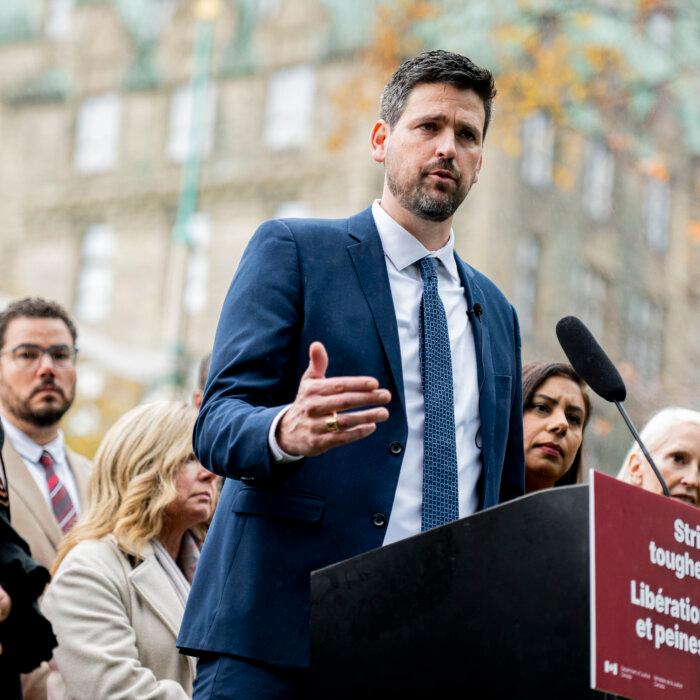
This development prompted the Tories to accuse the Bloc and the Liberals of seeking to undermine freedom of expression and religion, which are Charter-protected rights.
Bill C-9’s Stated Goal
The bill is partly the government’s response to the rise in violent anti-Semitic incidents seen in the past two years, following the Hamas attacks on Israel in October 2023. It also seeks to address rising “Islamophobia, homophobia and transphobia,” according to Justice Canada.The bill is also another attempt by the Liberals to bring in broader controls over online speech and to expand scrutiny over hate speech, as outlined in their platform in prior years. Two of their previous attempts to enact online harms legislation lapsed in Parliament.
For its part, the Bloc has cited the rise in anti-Semitic violence to argue that the religious defence to hate speech must go, saying it’s been used to incite hate against Jews.
The Bloc has noted how an Islamist preacher in Montreal, Adil Charkaoui, was not charged after calling on Allah to “destroy the Zionist aggressors” and “kill them all” without exception during a protest in October 2023.
Following the incident, the Bloc tabled a private member’s bill to remove the religious defence to hate speech. The bill lapsed when Parliament was prorogued in January 2025.
The Conservatives, during the Dec. 9 justice committee meeting while the Bloc’s amendment to remove the religious exemption was being debated, said the Charkaoui example used by the Bloc is a “misrepresentation.”
“To invoke Charkaoui to justify eroding long-standing religious protections from law is a red herring,” Tory MP Andrew Lawton said.
“When Mr. Charkaoui is talking about death to Jews, even if it was determined that it was in good faith—and no call for violence can ever be made in good faith—it would not even apply, this religious defence, to the sections of the Criminal Code that would have been engaged had there been political leadership, and I would say, courage, by prosecutors in that case,” he said.
Off Again, On Again
After the Bloc said on Dec. 1 that it had secured the Liberals’ support to pass its amendment, there was immediate backlash from the Conservatives and religious and civil liberties group.As the Bloc amendment was about to be presented at a justice committee meeting on Dec. 3, committee chair Liberal MP James Maloney suspended the meeting.
According to both Bloc and Tory MPs, Maloney suspended the meeting when representatives of religious groups entered the committee room to watch the proceedings. Representatives of Muslim, Jewish, and other civil society groups were on Parliament Hill that day to hold a press conference to criticize Bill C-9.
“We fear that, because representatives or would-be representatives of some [religious] groups came to the committee and sat there, that the Liberals fear backlash against them within some communities and that because of that they have cancelled today’s meeting,” Blanchet said on Dec. 4, commenting on what took place.
Meanwhile, Maloney said on Dec. 4 that he had ended the meeting because “emotions were running high” and there was not a path forward to deal with the bill under review.
Whether the Liberal government might have been influenced by backlash from religious groups, as claimed by Blanchet, or whether the committee meeting was impacted by a lack of internal coordination, this was addressed by Fraser on Dec. 9.
Fraser’s Stance
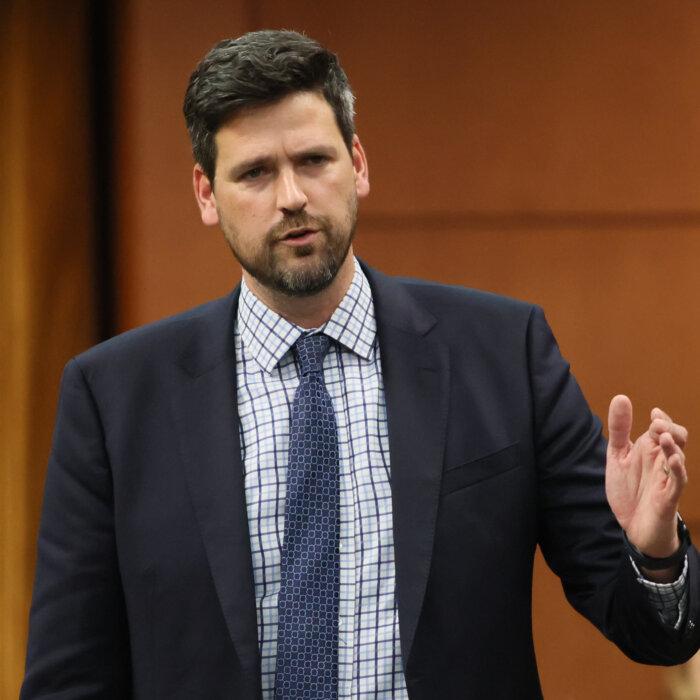
Fraser, in his statement, said some faith leaders have expressed concerns that the planned removal of the religious exemption “could undermine freedom of religion or expression.” However, he said, “this is not the case.”The minister said that what is expressed has to meet the Supreme Court’s definition of hatred, which includes “extreme vilification,” in order to be found in violation of law.
Fraser’s statement, however, didn’t mention that the bill currently plans to create a new definition of hatred that removes the word “extreme.” Tories have said this was done on purpose to lower the threshold. Fraser told the justice committee in October that this is not an attempt to “dilute” the definition, but rather is an effort to provide “clarity to law enforcement.”
On the matter of religious expression, Fraser said in his statement that the threshold for a hate-propaganda offence is “intentionally and appropriately extraordinarily high,” noting that the offence is designed to capture “the most dangerous, dehumanizing form of expression.”
“Most religious sermons, texts, and teachings do not and cannot meet this standard, and have never required a stand-alone defence to be lawful,” the minister added.
“Clearly, there are situations in these texts where statements are hateful. They should not be used to invoke ... or be a defence. There should perhaps be discretion for prosecutors to press charges,” Miller said.
Civil Society Reactions
Religious groups have also sounded the alarm, including the Canadian Conference of Catholic Bishops. The group wrote a letter to Prime Minister Mark Carney, who is Catholic, asking him not to remove the religious exemption in the Criminal Code.The bishops said that tackling rising hate, including against Christians, is important but that the “good faith” defence stipulated in law is a safeguard to prevent Canadians from being prosecuted for their sincere beliefs.
“The removal of this provision risks creating uncertainty for faith communities, clergy, educators, and others who may fear that the expression of traditional moral or doctrinal teachings could be misinterpreted as hate speech and could subject the speaker to proceedings that threaten imprisonment of up to two years,” the bishops said.
Several Jewish groups have come out in support of Bill C-9 and have not raised concerns about the Bloc’s amendment.
These groups called for more robust measures to protect their communities amid a rise in anti-Semitic incidents over the past two years, which have included Jewish institutions being firebombed and struck with gunfire.
While the Conservatives have supported these calls to tackle anti-Semitism, they have remained critical of Bill C-9.
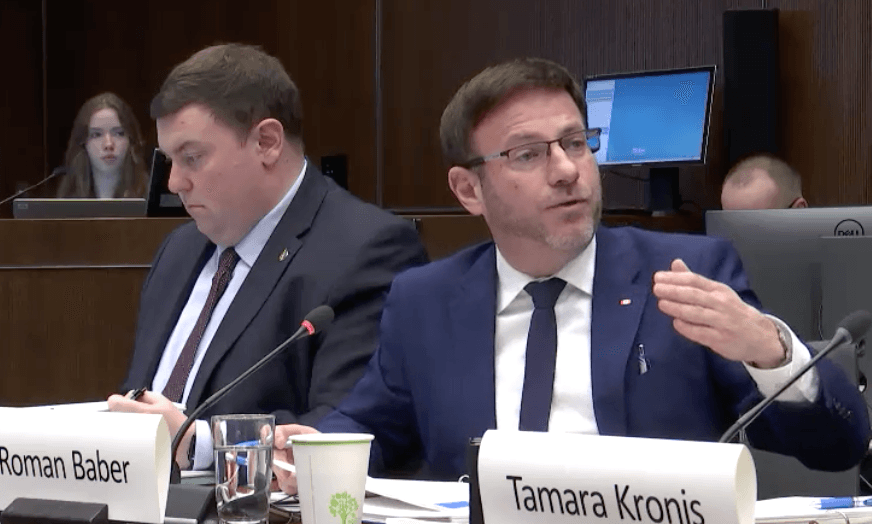
Tory MP Roman Baber, who is Jewish, pointed to Fraser’s statement, noting that the religious defence has never been used by the courts to acquit an accused.
“We’re dealing with a defence that has never been successfully argued,” he said during the committee meeting on Dec. 9. “But the challenge with it, as the challenge with all hate law reforms, is that when we lower the threshold, when we start going down the road of criminalizing more and more speech, we create a chill on free speech because we may place folks in a situation where they do not know if they are offending the law or not.”
Baber told Bloc MP Rhéal Fortin, who tabled the amendment, that while he respects the Bloc’s proposition to honour the secularism of the state, “state secularism is secularism for the state, not of everyday Canadians.” He added, “To force them to potentially fear for quoting religious scripture is definitely not something that states should engage in.”
During committee testimony on Oct. 9, Fraser said that while there have been “real challenges” to how the UK laws have played out, Bill C-9 is not the same. The minister said the idea that his bill will lead to mass arrests is “patently far-fetched on the face of it.”