The Dutch government on April 20 estimated that the European Union could supply enough kerosene to the EU’s economy to last about five months.
In a letter to parliament, it said the available supply of kerosene, used as jet fuel, is currently about 78 percent of normal levels, reflecting a roughly 22 percent disruption after imports were cut off due to supply issues caused by the ongoing U.S.–Israeli war with Iran.
The government said that if supply disruptions remain unchanged, current demand can be fully met for five months for kerosene and for more than one year for diesel and petrol.
The Dutch government also outlined the scenarios it is prepping for, ranging from manageable disruption to a full-scale supply crisis.
The government said it is “explicitly considering a further deterioration of the situation and is preparing for this.”
The Port of Rotterdam is a major European energy hub, home to five large-scale oil refineries and significant chemical processing industries.

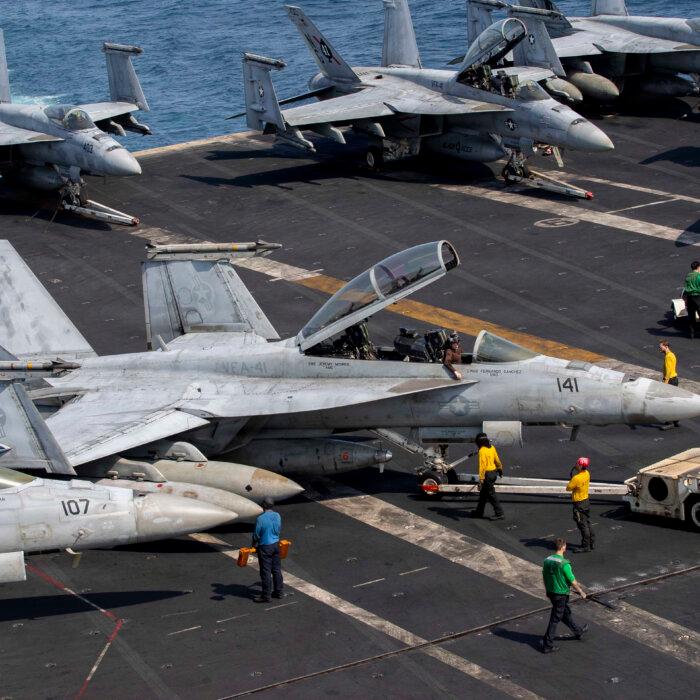
The government said there are currently no acute shortages in the Netherlands.
“The Netherlands and the EU have relatively large strategic oil stocks. Together with the European production of diesel and kerosene, this constant disruption can be used for several months to more than a year in current demand,“ it said. ”However, Europe and the Netherlands are facing increasing disruptions in the supply of kerosene and, to a lesser extent, diesel.”
The Dutch government said it would activate the first phase of an oil crisis plan involving enhanced monitoring of energy markets and preparations for further measures. It also announced a relief package worth about 970 million euros ($1.14 billion).
‘Sobering’
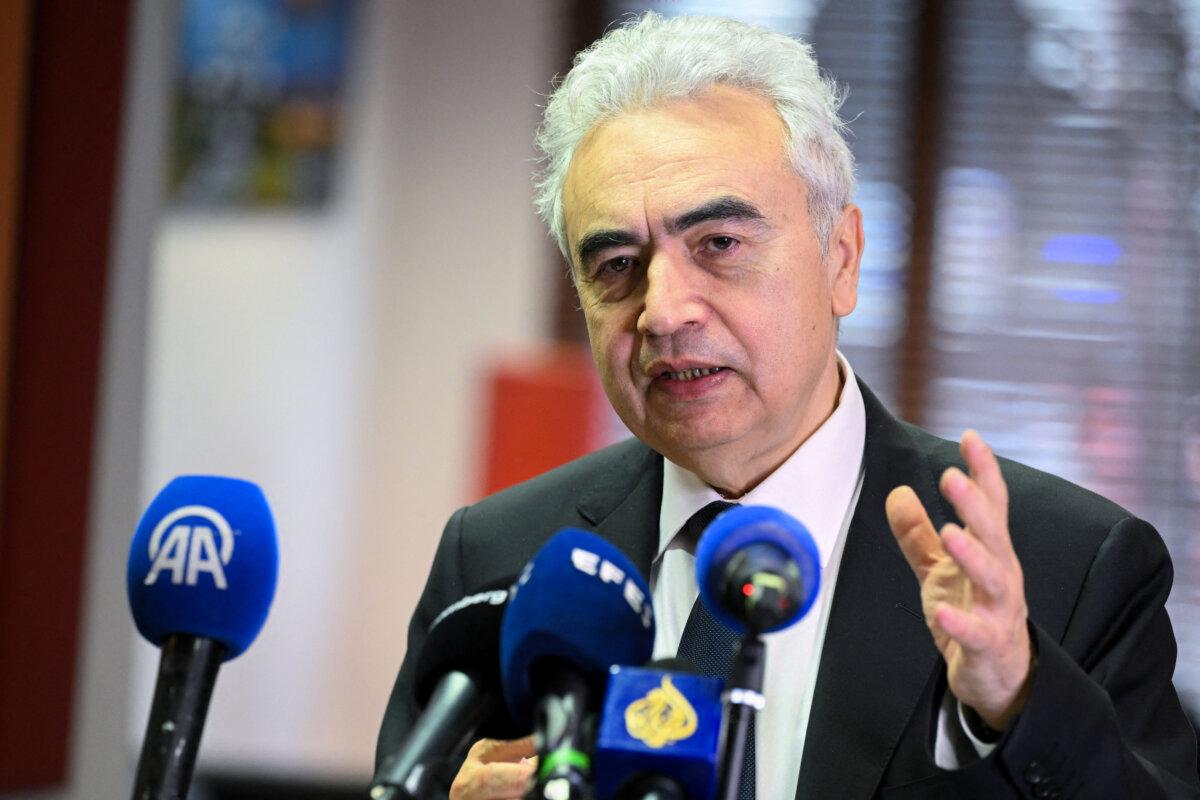
The International Air Transport Association (IATA), which represents about 80 percent of global air traffic, warned of potential disruptions, in an April 17 statement.“The IEA’s assessment of potential jet fuel shortages is sobering,“ IATA’s director general,Willie Walsh, said. ”We have also estimated that by the end of May we could start to see some cancellations in Europe for lack of jet fuel.”
On April 14, European Commission President Ursula von der Leyen said the EU’s bill for “fossil fuel imports” had risen by more than 22 billion euros ($24 billion) since the start of the conflict.

Iranian officials set out what they described as a “Strait of Hormuz management plan: from banning Israeli vessels to charging fees in the national currency,” Iran’s semi-official Mehr News Agency said in an April 19 post on Telegram.
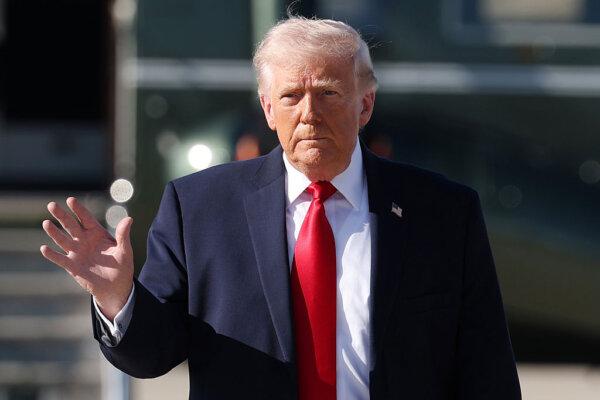
The ceasefire, which was announced on April 7, expires on “Wednesday evening Washington time,” Trump told Bloomberg in a phone interview.
It’s “highly unlikely” that he will extend it if no deal is reached before then, Trump said.
Pre-Existing Conditions
Though the war in Iran and the restrictions in the Strait of Hormuz have impacted the European jet fuel supply, a report last year by the IATA highlighted existing issues the continent was already facing in the area.IATA said that the closure of European refineries as part of the EU and various state governments’ push to switch to renewable energy had displaced “a significant amount of supply that must be replaced through imports, a task that is becoming increasingly complex due to infrastructure limitations and rising logistical challenges.”
The transport association added that among transport sectors, “aviation is particularly vulnerable due to its heavy reliance on fossil-based jet fuel and the absence of scalable alternatives in the near term.”
The report said geopolitical tensions have “further magnified these challenges for airlines,” citing the added pressure from sanctions on Russian oil and gas, on which large swathes of the continent had previously relied.
Alongside those sanctions, Ukrainian drone attacks on Russian oil infrastructure and tightened rules targeting third-country processors, such as China, India, and Turkey, have further tightened margins and raised procurement costs.
“While market participants may find ways to circumvent these restrictions, a short-term impact is unavoidable given the scale of Russian exports,” the IATA added.