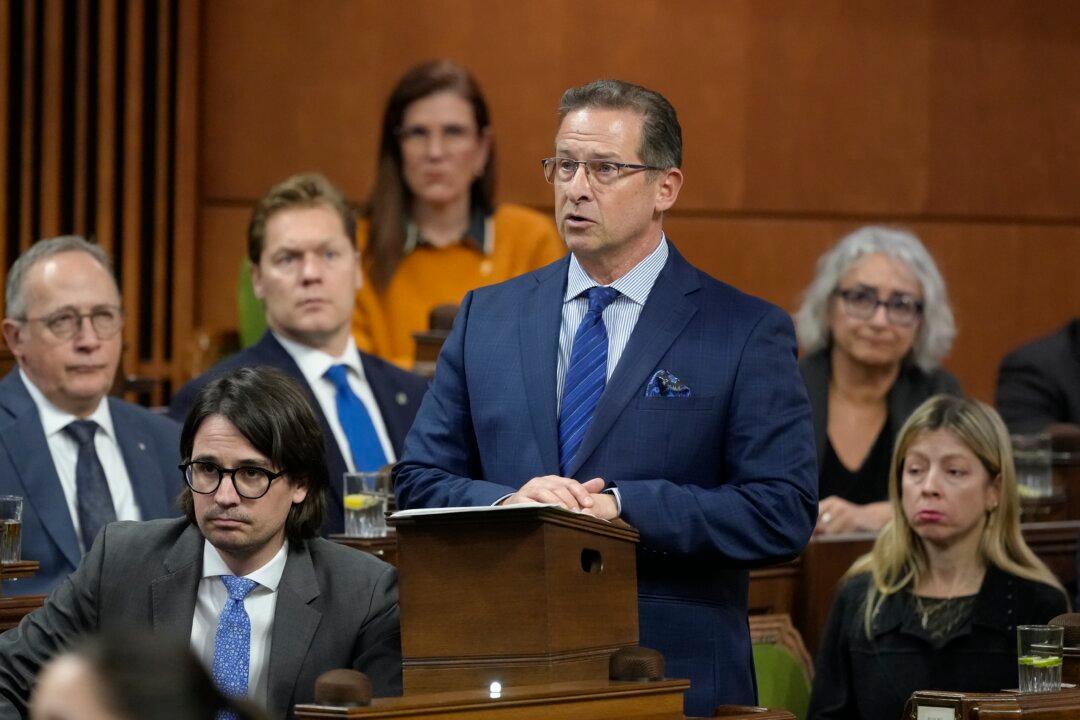
Environment Minister Julie Dabrusin told MPs that buy-in from B.C. and First Nations are key factors in a potential pipeline deal, when asked to give her position on the idea of building a new oil pipeline from Alberta to the B.C. coast.
“It’s not for me to decide,” Dabrusin said when asked by MP Bonin to answer a “yes or no” question on whether she backs the pipeline project.
“What’s important is for British Columbia and indigenous people to reach an agreement,” she added.
The deal also removes the pending federal oil and gas emissions cap and will shield Alberta from the Clean Electricity Regulations, while requiring the industrial carbon price in the province to be raised from $95 to $130 a tonne.

Alberta Premier Danielle Smith calls the deal a “win” for her province that addresses seven of the nine “bad” federal laws she says have hampered economic development.
The Ottawa-Alberta MOU calls for “immediately” engaging with B.C. on the project and to engage “meaningfully” with indigenous peoples in Alberta and British Columbia.
Prime Minister Mark Carney made the deal with Alberta as an effort to repair strained relations and boost economic activity.
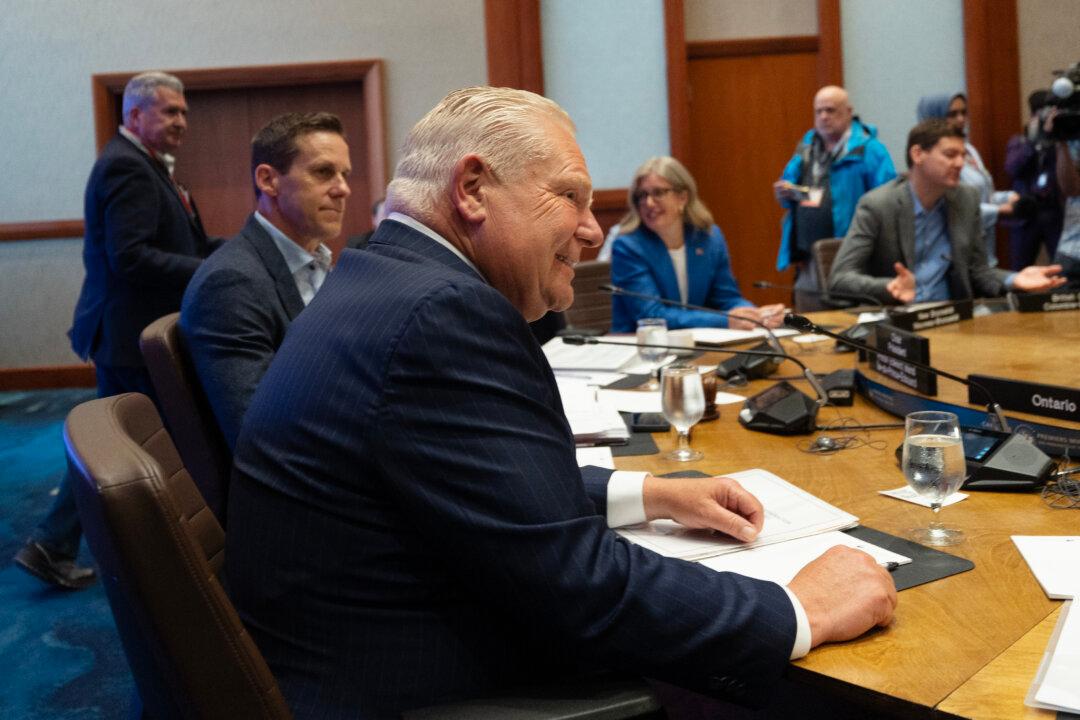
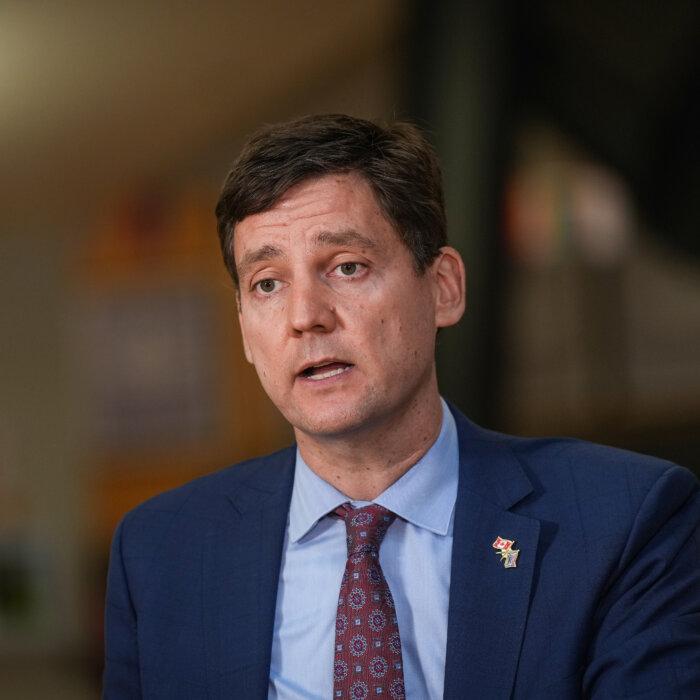
B.C. Premier David Eby has expressed a number of concerns about the project, including not having been part of the discussions. Principally, he has said that First Nations on his province’s coast do not support the project.
Coastal First Nations, which represents nearly a dozen First Nations along the B.C. coast, has said the pipeline will “never happen.”
Eby and some First Nations groups oppose the lifting of the West Coast tanker ban which prevents large oil tankers from docking in northern British Columbia. The MOU says the ban could be adjusted if the pipeline projects clears the necessary hurdles.
Eby told CTV News on Nov. 30 he could support a new pipeline from Alberta if its terminal was instead in southern B.C., which does not have a tanker ban in place. The Trans Mountain pipeline carries oil from Alberta to Burnaby, B.C., next to Vancouver.
The Liberal MP from Montreal, who previously served as environment minister under Prime Minister Justin Trudeau and was a long time environmental activist before entering politics, said a new pipeline will move Canada away from reaching its emissions targets.
Guilbeault also criticized the MOU for exempting Alberta from the Clean Electricity Regulations, saying the economy cannot be decarbonized without dealing with the electricity sector.
Asked to comment on the matter, Dabrusin told MPs on the committee she believes Canada can still reach its emissions targets for 2030.
“What I have to do as environment minister is make sure that Canada keeps reducing its emissions, and that’s what I do every day,” she said.
Dabrusin was involved in the minor cabinet shuffle later on Dec. 1 caused by Guilbeault’s resignation. She retained her portfolio and was given the “nature” file which includes management of Parks Canada.