



British Columbia Premier David Eby says that while the decision by BC Ferries to hire a Chinese state-owned shipyard to build four new vessels is not his preferred outcome, he will not ask the ferry operator to reopen the procurement process, citing the urgent need for the vessels.
“I agree it is not ideal that the ferry award went to China, but reopening would mean a delay in delivering ferries for British Columbians who are desperate for them,” he said in Victoria.
“It took five years to get to this process, and I will not leave families sitting on the blacktop waiting for a ferry that is broken down in the strait somewhere when they need to get to see grandma or a business desperate to get their deliveries,” he added. “They are just urgently needed ferries.”
He also noted that no Canadian shipyard bid on the contract, and said he sees the situation as an “opportunity” to work with the federal government to ensure future vessels are built in Canada.
“I look forward to being able to ensure that the next round of ferries is built right here at home,” Eby said.
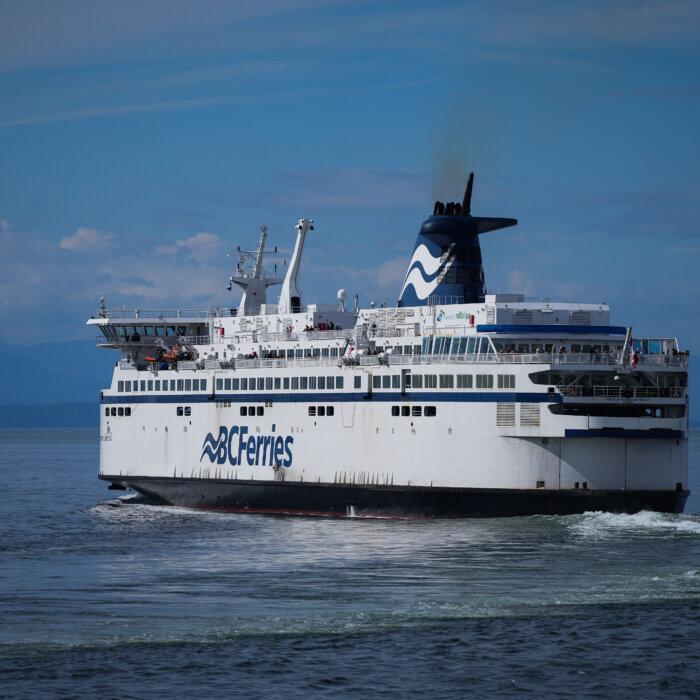
The new vessels are meant to replace four aging ships that are increasingly prone to mechanical issues, BC Ferries said. The new vessels are expected to be in service between 2029 and 2031.
B.C. Opposition Conservative Leader John Rustad questioned Eby’s comments, arguing the province did not make an effort to encourage Canadian companies to compete for the contract.
Rustad had previously urged the province to cancel its contract with the Chinese firm, calling it a national security issue.
Federal Response
The issue has also drawn attention at the federal level.Last week, Liberal MP Mike Kelloway, parliamentary secretary to the transport minister, said he shares the “concern” and “outrage” over BC Ferries’ decision, but that it falls under provincial procurement standards.
He said that if the decision were in the federal government’s hands, it would prioritize Canadian companies.
“Taxpayer money [is] now subsidizing jobs in China, a country that has kidnapped Canadian citizens and has unjustly tariffed our farmers and our fishermen,” Gunn said.
“We must stand firm that we cannot be offshoring to places that subsidize their steel, that have lower environmental regulations and also substandard labor situations, which allows them to undercut Canadian enterprise like ship building and steel,” he said, in reference to China.


