It has all the elements of a great on-screen drama: millions of dollars are at stake as a small band of plucky Australians stare down a group of multinational billionaires, with a courtroom clash on the horizon.
Except it’s happening off-screen. And while a government agency is involved, it’s not a spy outfit—it’s the Australian Tax Office (ATO).
The dispute pits the Australian Writers Guild (AWG) against Screen Producers Australia (SPA), whose members are behind global hits Neighbours and Home and Away.
It began in 2024, when the ATO ruled that writers weren’t delivering a product, but rather providing a service, meaning they should be paid superannuation.
Writers who are commissioned to produce a new script every week for an ongoing production clearly fall under this definition.

However, Screen Producers Australia maintains that not all writer engagements meet that definition.
In information sent to members last year, the organisation argued that writers are typically paid for the intellectual property rights to their work—not the act of writing itself—and that standard contracts reflect this. In their view, superannuation is not automatically owed.
Strike a Possibility
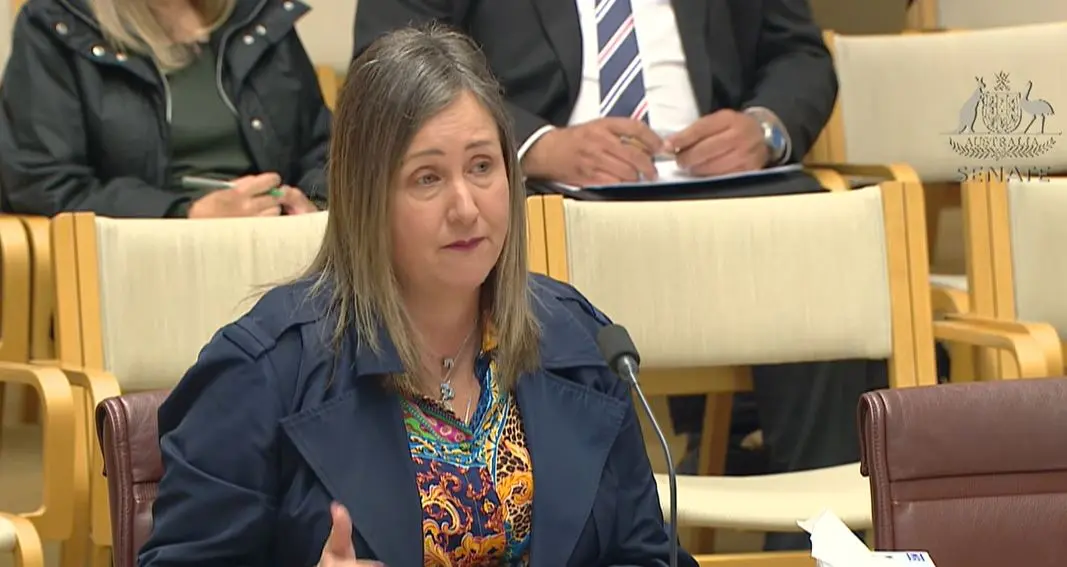
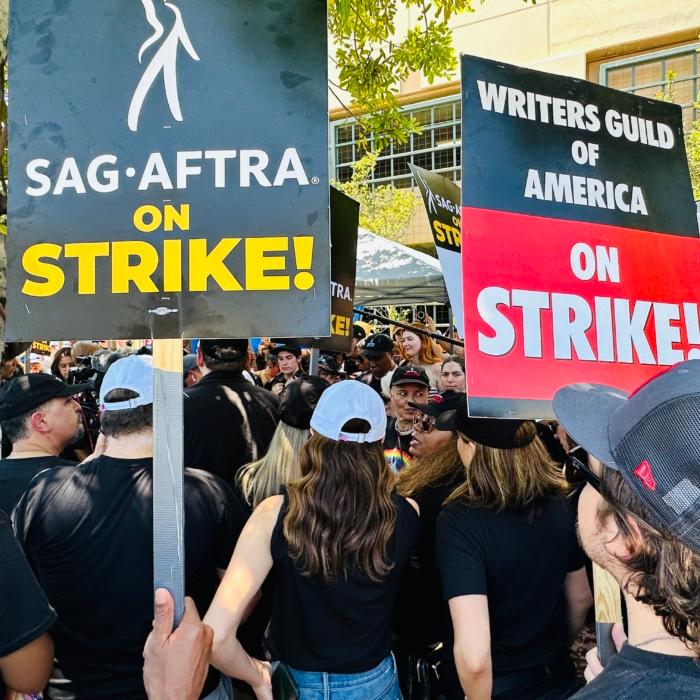
Both sides are now seeking legal advice, and the AWG has not ruled out a class action or even taking industrial action, calling Screen Producers Australia’s position “legally dubious.”Guild CEO Claire Pullen said the possibility of a wildcat strike in the future had not been ruled out, but she was acutely aware of the financial stress this would place on members.
Screenwriter and President of the Guild Peter Mattessi, whose credits include EastEnders, Return to Paradise, and The Heights, said many Australian production companies continue to treat compulsory employer contributions as optional extras in contracts.
“This is legislation. It’s meant to protect workers. Yet some producers treat it like it’s an option … it’s as though legal compliance is discretionary.
“It’s not just a contract quirk; it’s sustained denial, and it amounts to wage theft.”
While some AWG members have individually approached the ATO and had findings made in their favour, the Guild says it’s not reasonable to expect every writer to do so.