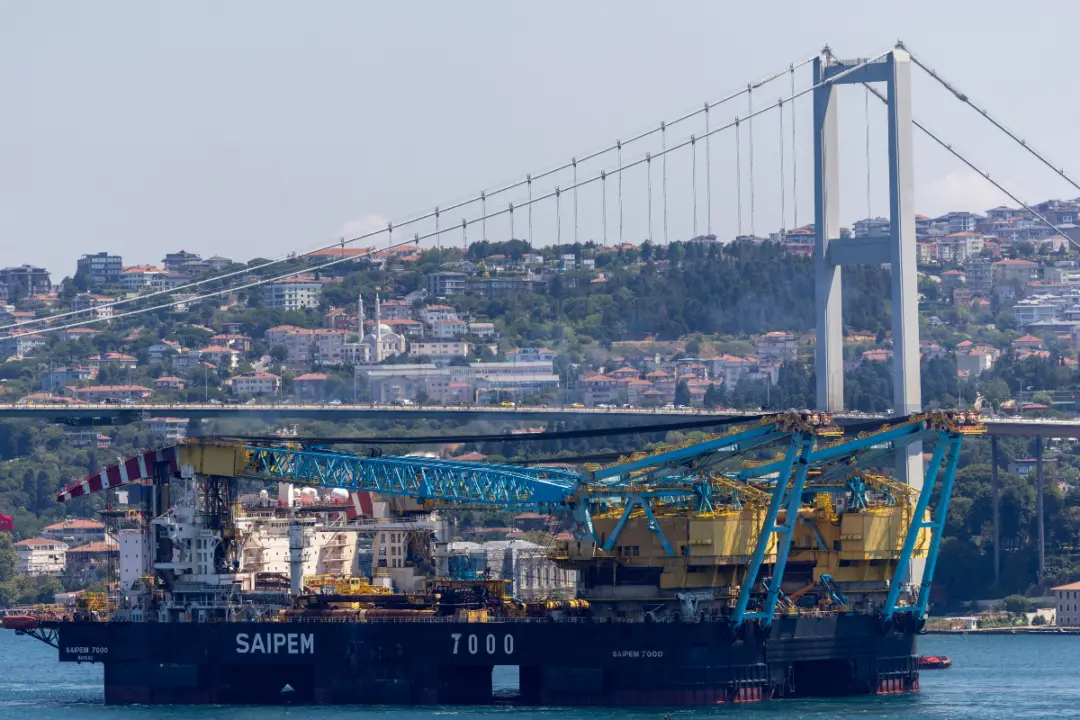
Crimean Governor Sergei Aksyonov said on June 21 that fuel stations across the peninsula have suspended sales to the public and businesses, with supplies being limited to government agencies responsible for security and other essential services.
Kyiv has, in recent weeks, intensified its drone attacks on Crimea, which was annexed by Russia in 2014, targeting supply routes that have triggered a fuel crisis.
Aksyonov said that in the latest drone attack on the peninsula, four people had been killed and 28 wounded.
Crimea also suffered power outages across several areas after electricity networks were damaged by the attacks.
Ferry traffic across the Kerch Strait, which separates the peninsula from the Russian Krasnodar region, was also temporarily suspended.
Crimea is home to the Russian Black Sea Fleet and is a popular tourist destination for Russians. On June 22, Aksyonov announced that children’s summer camps and tourist activities would be suspended until Sept. 1.
Kremlin spokesman Dmitry Peskov said authorities were working to reduce the impact of these recent attacks on the peninsula.
Moscow Downs 84 Ukrainian Drones
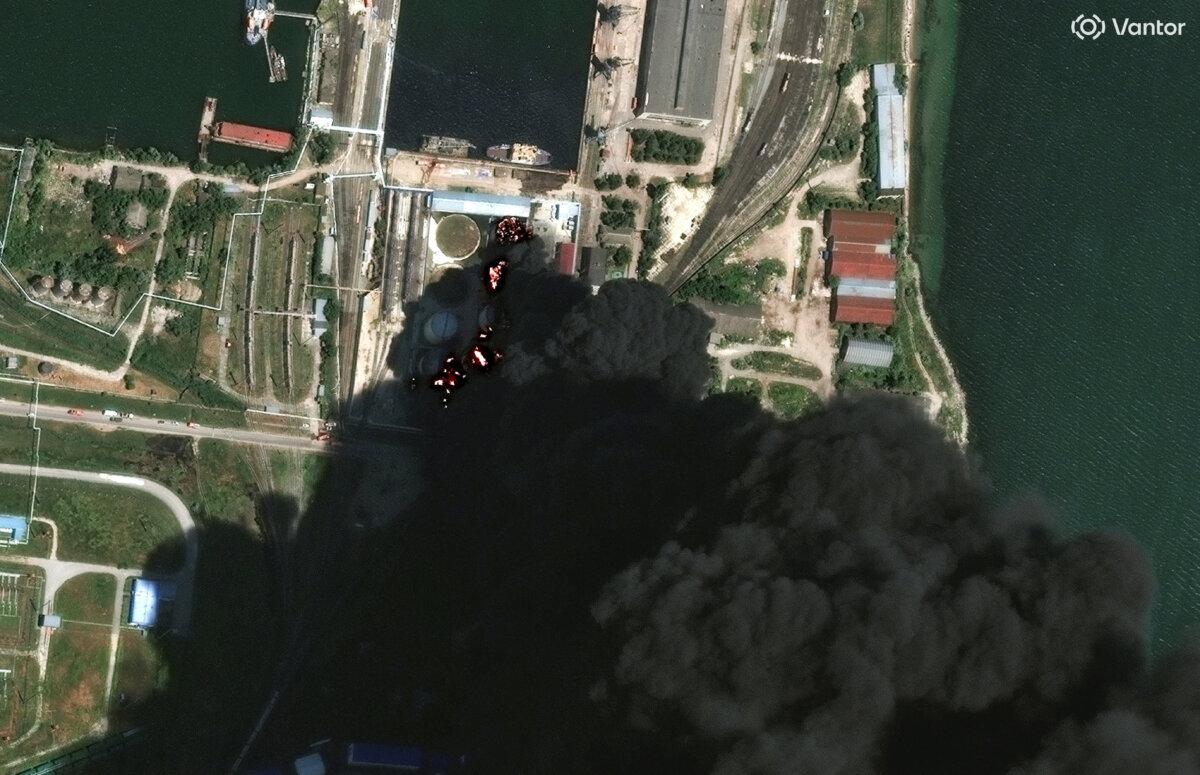
Ukraine and Russia have continued their volleys of drone and missile attacks against each other.A Ukrainian drone attack on an oil transport facility in the Russian Krasnodar region set an oil terminal on fire, killing one person on a passenger ferry.
Moscow Mayor Sergei Sobyanin said on June 22 that Russian forces had shot down 84 Ukrainian drones heading for the capital in the early hours of the morning.
Russian drone attacks launched against the southeastern city of Zaporizhzhia overnight and into the early hours of June 22 resulted in the deaths of two people and seven others being injured, according to Ukrainian emergency services.
European Support
Recent weeks saw renewed statements of support for Ukraine from European and international partners.The G7 leaders said in a June 17 statement that they “stand united” in their “unwavering support for Ukraine in defending its freedom, sovereignty, and territorial integrity.”
However, EU officials on June 19 said Brussels was not looking to act as a mediator to end the Russia–Ukraine war, which is now in its fifth year.
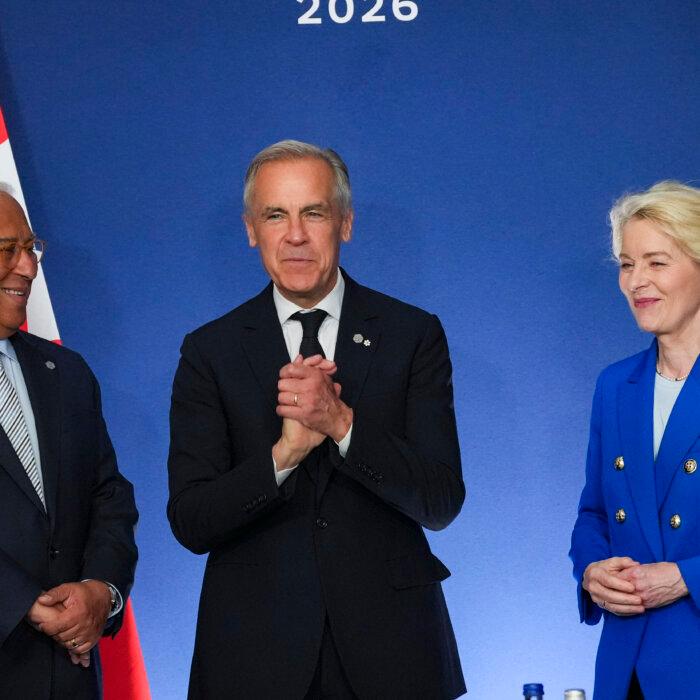
But Costa reiterated the bloc’s support for Kyiv.
“We have been with Ukraine through the war, and we will be with Ukraine after the war,” he said.
Kyiv has been trying to reinvigorate diplomatic efforts to end the war by including European representatives.
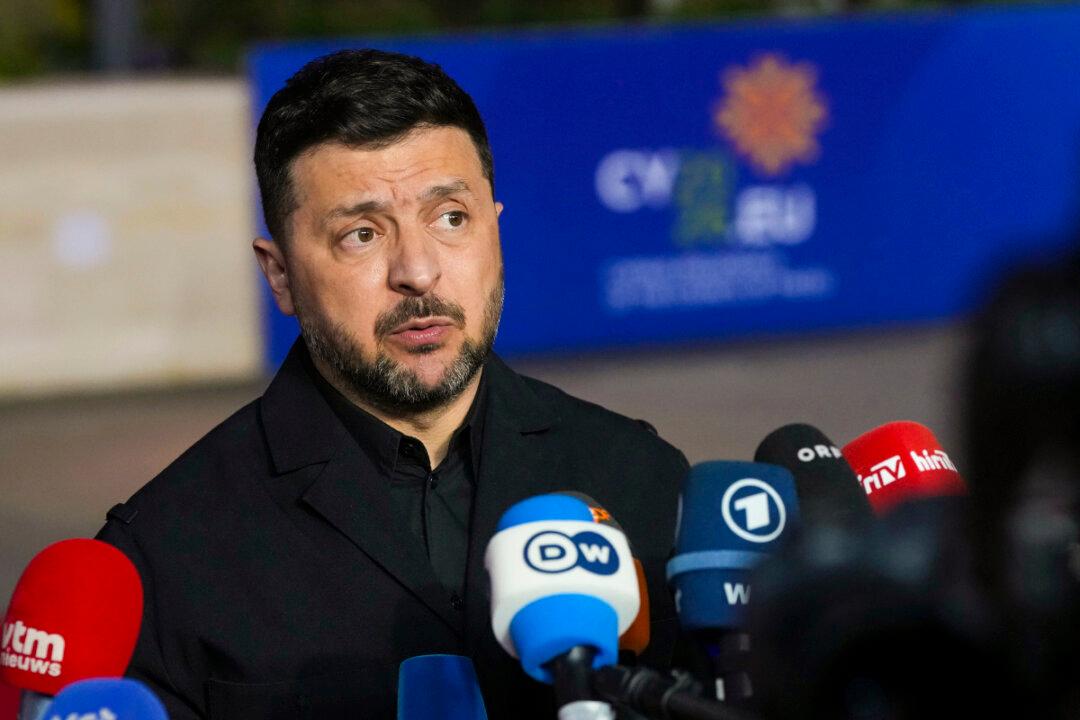
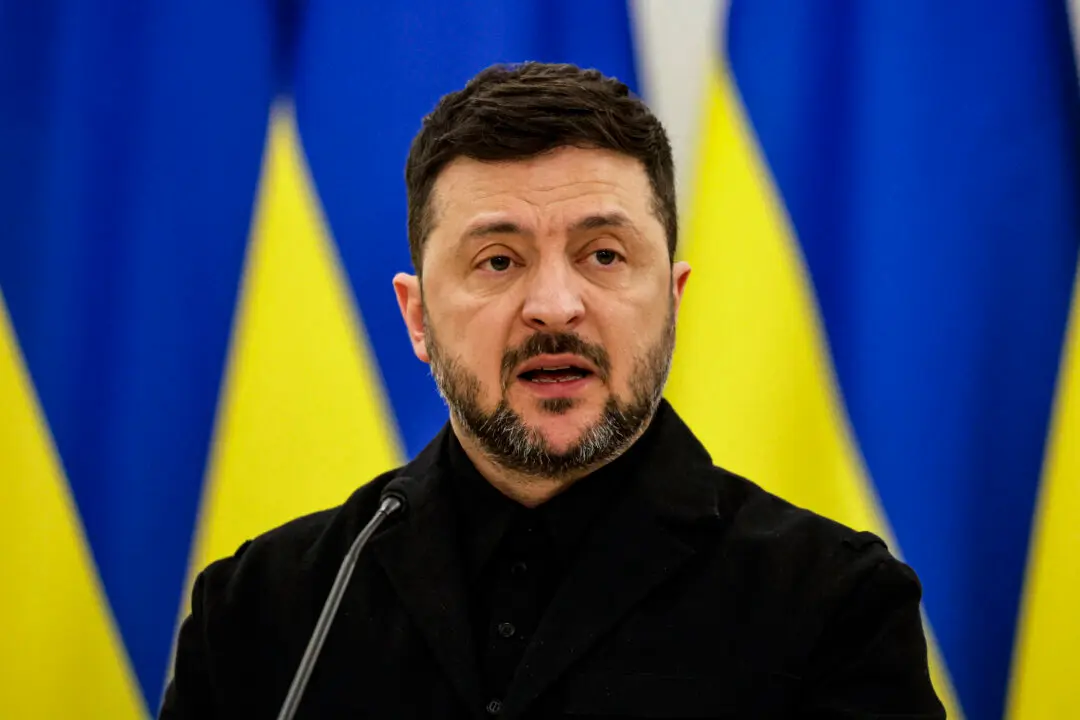
Ukrainian President Volodymyr Zelenskyy said in a June 21 post on X that while he was attending a European Council meeting last week, he discussed Europe’s role in negotiations with Russia “and what that role should be.”
“Europe will consider the format and propose several options, but Ukraine will decide who represents Europe in the negotiations,” he said. “That is fair.”