“After confronting an organized attack of al-Hijri [Druze] militias in Suweida province on Internal Security positions ... security forces regained control over these positions,” SANA quoted a security source as saying on Aug. 3.
Citing security sources, Ekhbariya further reported that the alleged cease-fire violations had left one security officer dead and a number of others injured.
It noted that Syrian President Ahmed al-Sharaa, who came to power in January, was urging all parties involved to adhere to the terms of the cease-fire deal.
The Epoch Times could not independently verify the reports.
Suweida is home to the region’s largest concentration of Druze, a minority religious sect that adheres to an offshoot of Shiite Islam. Sizable Druze communities also exist in neighboring Israel and Lebanon.
At least 18 government personnel were also killed in the fighting, according to the Syrian Defense Ministry.
After three days of clashes, Syrian Defense Minister Murhaf Abu Qasra declared a cease-fire in Suweida following consultations with local Druze community leaders.
However, on the same day, Hikmat al-Hijri, an influential local Druze leader, accused government forces of violating the truce and opening fire on local residents.
In a video message released at the time, al-Hijri called on local Druze fighters to resist government forces “with all means available.”
The figure, which The Epoch Times could not independently verify, included 720 residents killed in armed clashes, in artillery strikes, or by extrajudicial executions.
More than 430 government personnel were killed over the same period, including 15 killed by Israeli airstrikes, according to the Syrian Observatory report.
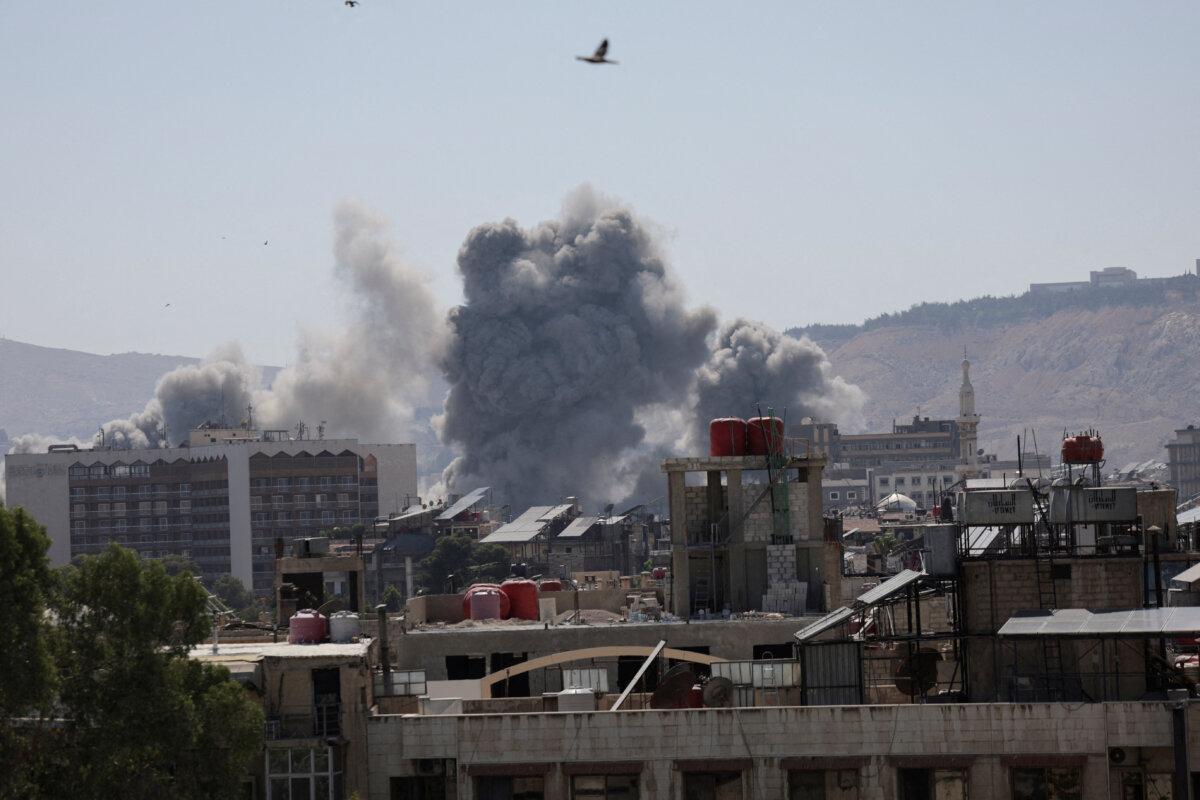
Minorities Fear Persecution
There have been other cases of sectarian violence since the regime of President Bashar al-Assad was ousted from power by a Turkey-backed rebel offensive in December 2024.That crisis was eventually diffused after Damascus sent security forces to the area, and consultations were held between government officials and local Druze leaders.
In June, at least 20 people were killed when a suicide bomber blew himself up in a Damascus church—an attack that Syria’s post-Assad government blamed on the ISIS terrorist group.
Along with serving as president, al-Sharaa (formerly known as Mohammed al-Golani) also leads the Hayat Tahrir al-Sham militant group, which spearheaded the 2024 offensive against the Assad regime.
Al-Sharaa and his hardline Sunni-Islamist government have repeatedly pledged to protect religious minorities.