The Real Estate Institute of Australia (REIA) has told a Senate committee that planned changes to capital gains tax and negative gearing will reduce housing supply and push up rents, disputing the government’s modelling of the policy’s impact.
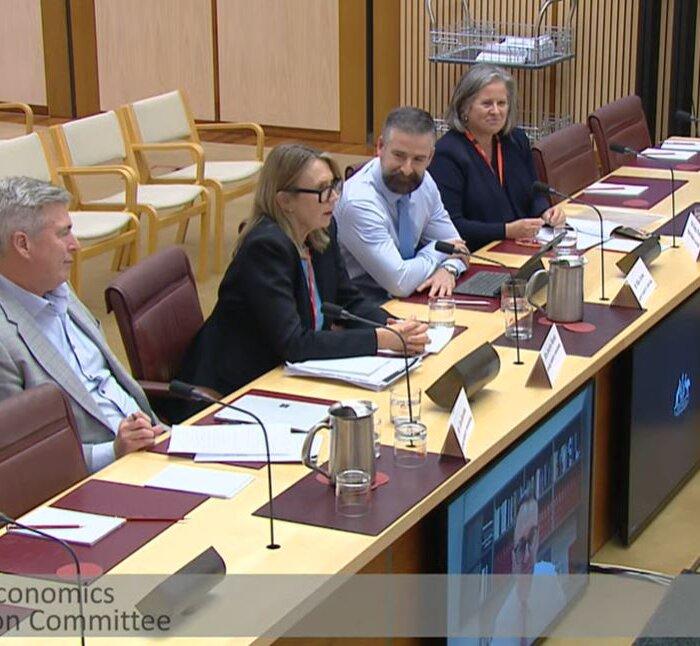
The Senate Economics Committee is examining the Treasury Laws Amendment (Tax Reform No. 1) Bill 2026.
REIA president Jacob Caine said housing affordability would not improve through tax changes that discourage investment.
“Housing affordability will not be solved by reshaping tax settings in a way that reduces rental investment, adds uncertainty, and risks slowing the delivery of new homes,” he told the committee.
“The other 99 will be left in a rental market with fewer homes and higher rents,” Caine said.

REIA, alongside Master Builders Australia, the Housing Industry Association, and the Property Council of Australia, commissioned independent modelling from Qaive and Tulipwood Economics to assess the impact of the proposed changes.
The institute said the findings differed significantly from Treasury estimates.
Higher Rents Forecast
On rental prices, REIA said its modelling indicates increases around 50 percent higher in the first year compared with Treasury forecasts, and up to five times higher by 2029–30.It said renters were already spending 24.3 percent of income on housing costs, and further increases could place additional pressure on low-income households.
The institute also forecasted broader economic impacts, including a reduction in gross domestic product of $1.374 billion between 2026–27 and 2029–30, and a fall in construction output of $1.9 billion over the same period.
It projects a decline of 2,016 full-time equivalent construction workers by 2029–30.
“That review should come after supply has been addressed, not before.”
Caine told the committee that even before the tax changes, around 40 cents in every dollar of housing cost is attributable to government taxes or charges.
“Supply is the main game in solving this affordability crisis,” he said.
Shares and Private Business Also Affected
Outside the property sector, investors also raised concerns about the broader economic impact of the reforms.Geoff Wilson, chair of Wilson Asset Management, supported the CGT change being applied to property and unproductive assets, but pointed out that it also affected shares, private business, and “every other asset class in which Australians have invested their savings and built their retirements.”
He said Australia’s economic system relied on incentives for saving and investment.
“Australia’s prosperity has always depended on a simple idea: that if people work hard, save carefully, and take considered risks with their capital, they can build a better future for themselves and their families,” he said.
“We believe this legislation weakens that social contract.”
Wilson said the reforms could reduce investment in businesses and weaken productivity growth.
“Owning a home is one of the core components of capitalism and democracy,” he said.
“If younger generations cannot experience the dream, they lose trust in the system that promised it.”