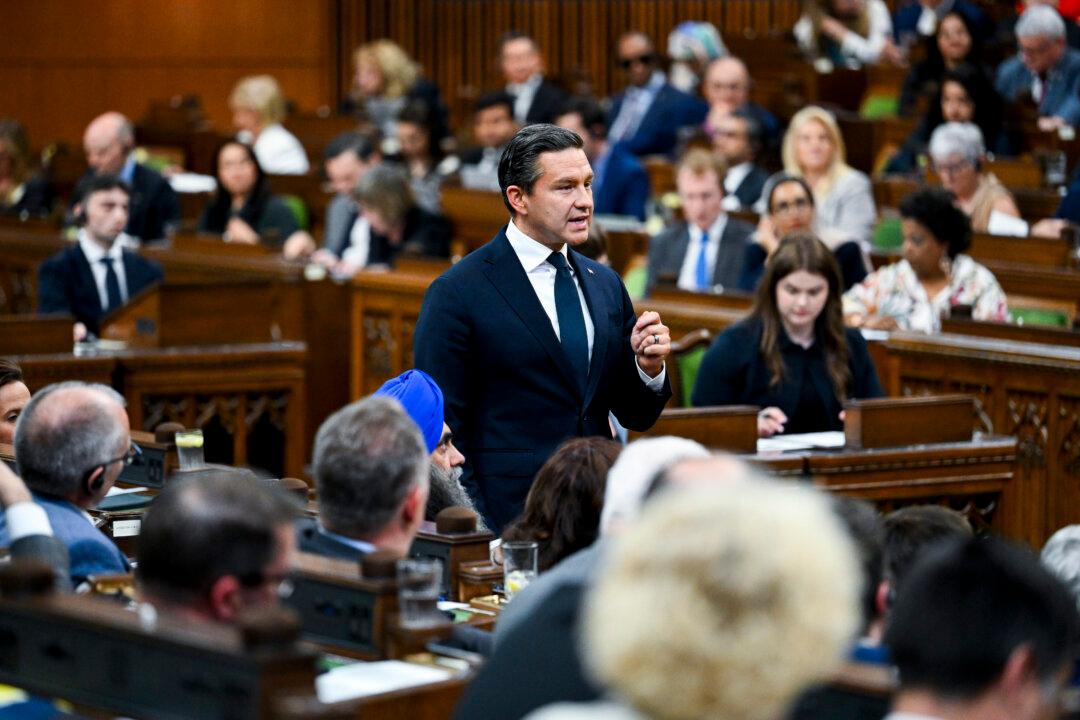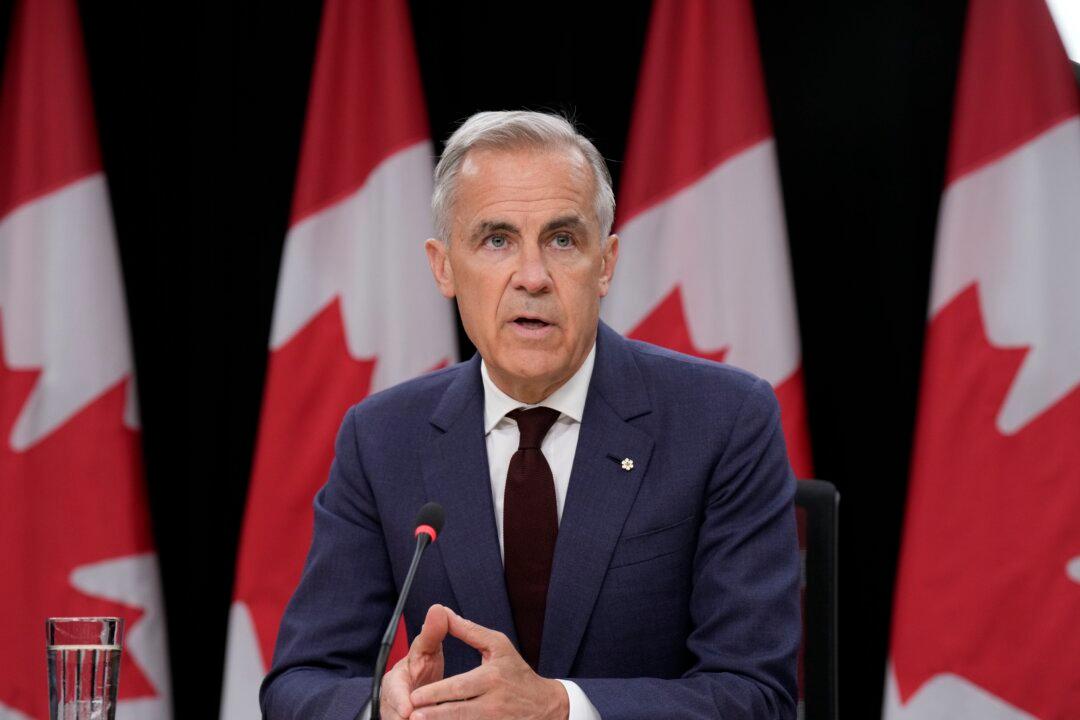
Prime Minister Mark Carney says the July 1 review of the North American free trade deal should be uneventful as Canada, Mexico, and the United States hold a trilateral meeting.
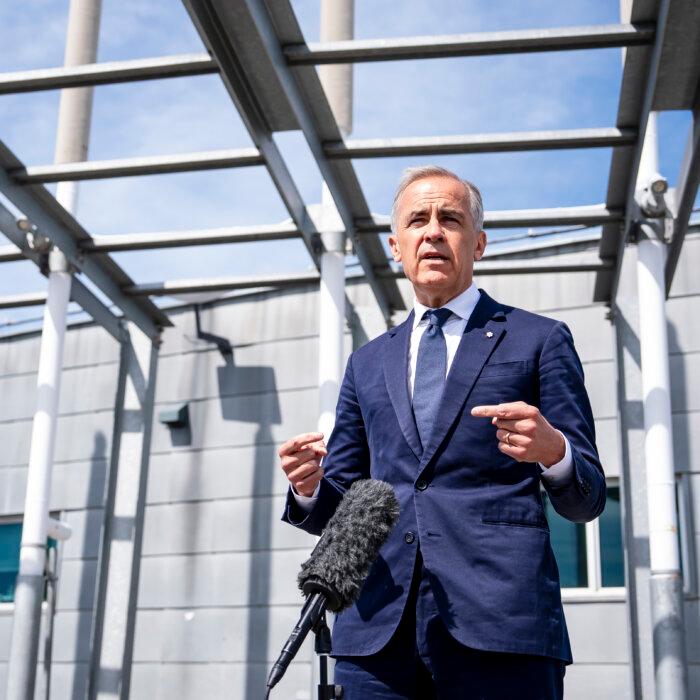
The meeting, a rare gathering of the three parties, will be held virtually, Carney said on June 30 while speaking to reporters in northern Quebec.
“We’re expecting a constructive exchange. I wouldn’t expect any drama tomorrow,” said the prime minister.
“I’m not looking for my pen,” he added, in an apparent reference to signing trade documents.
The Canada-United States-Mexico Agreement (CUSMA) on free trade is up for review on July 1, six years after coming into force.
Canada and Mexico have already formally stated their desire to see the deal extended for another 16 years, whereas the United States has not disclosed its stance. U.S. President Donald Trump has suggested various scenarios in recent weeks, saying he may not renew the deal or could even terminate it.
The United States and Mexico have already held two formal rounds of bilateral CUSMA talks and a third one is scheduled for July. Meanwhile, Canada and the United States have not held similar talks.
Carney had a phone call with Trump last week, but said the two didn’t discuss CUSMA.
If CUSMA is not renewed, it will remain in force for another 10 years with annual reviews, unless the parties extend or withdraw from the pact.
The agreement was negotiated during Trump’s first term to replace the North American Free Trade Agreement (NAFTA), which he called the “the worst trade agreement ever made.” In recent years he has soured on CUSMA as well, decrying trade deficits with Canada and Mexico.
Carney said on June 30 that he’s content with the CUSMA status quo, while adding that updating it is a priority.
“It’s a priority to have a new agreement, or rather an update would be a more appropriate [term], since it’s impossible to have a new agreement without the approval of the [U.S.] Congress,” Carney said in French.
Carney has often stated that Canada has the “best” trade deal among U.S. trading partners because most of the goods can cross the border tariff-free under the provisions of CUSMA.
At the same time, Ottawa has sought to address the tariffs slapped by Trump on sectoral sectors deemed strategic. Carney said more time will be needed to address this issue.
“We’re ready to negotiate improvements to CUSMA,” he said, while noting progress made on some “technical issues” and “big challenges” remaining on aluminum, steel, automobiles, and lumber, which are all impacted by universal U.S. tariffs.
Trade Issues
Hoekstra said Trump could clarify his stance on CUSMA “sometime in July.”
“I don’t think it will go into August, but I’ve been wrong before, and I could be wrong again,” he told CTV News in an interview.
That’s unless the Trump administration is looking to present a deal as a win before Americans head to the polls, he added. Verheul said he believes the reason Canada has not made a deal is because no good deal has been offered yet.
Meanwhile, the United States has presented Canada with a list of 30 “technical” trade issues to address, according to Carney.
Some other issues mentioned by the USTR have already been addressed by Ottawa or are in the process of being addressed. Ottawa announced the repeal of the newly implemented Digital Services Tax last year to help facilitate negotiations with Washington.
The USTR also criticized Canada for not effectively blocking the import of goods made from forced labour, as required under CUSMA. The U.S. administration threatened to impose new tariffs on Canada in early June following an investigation into the matter.