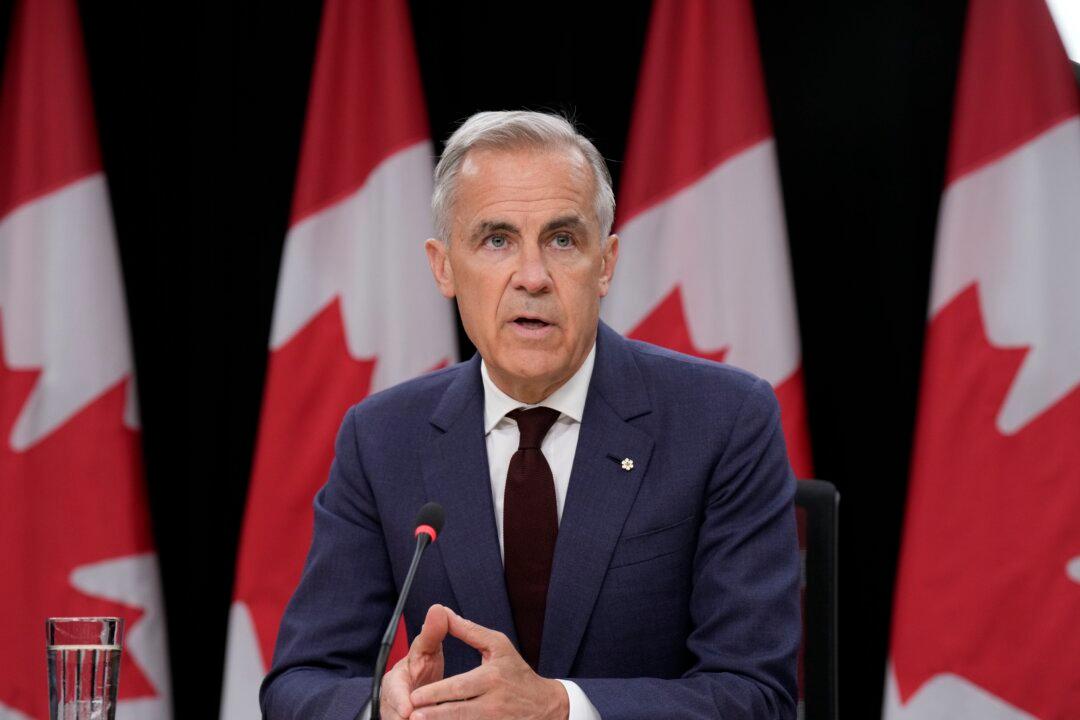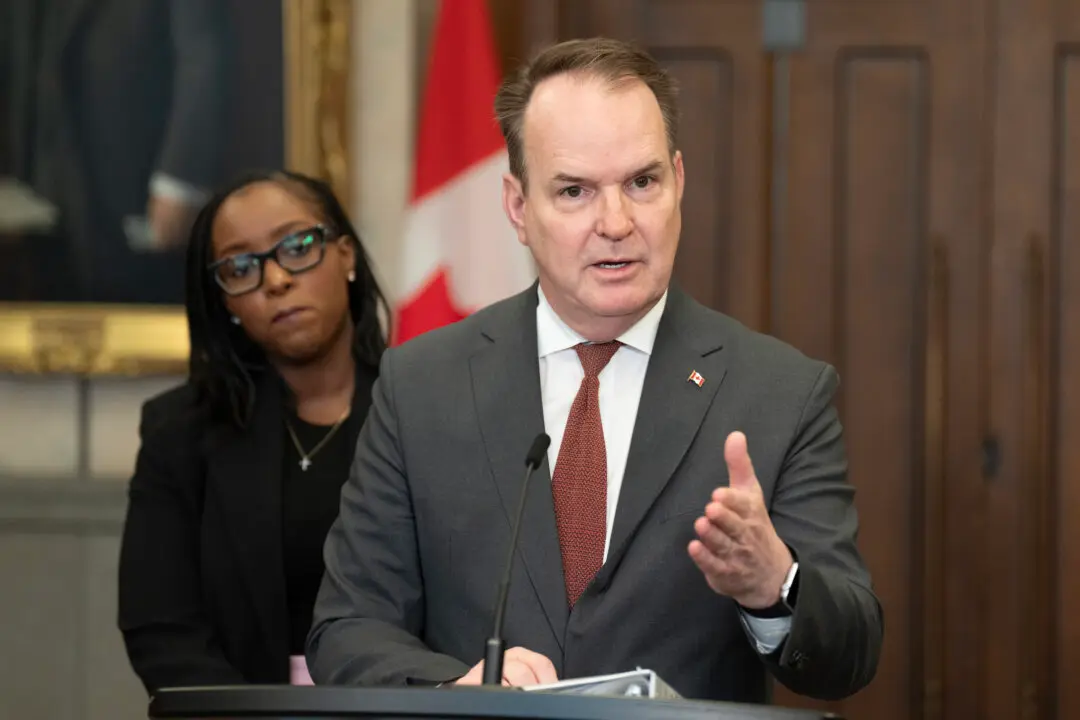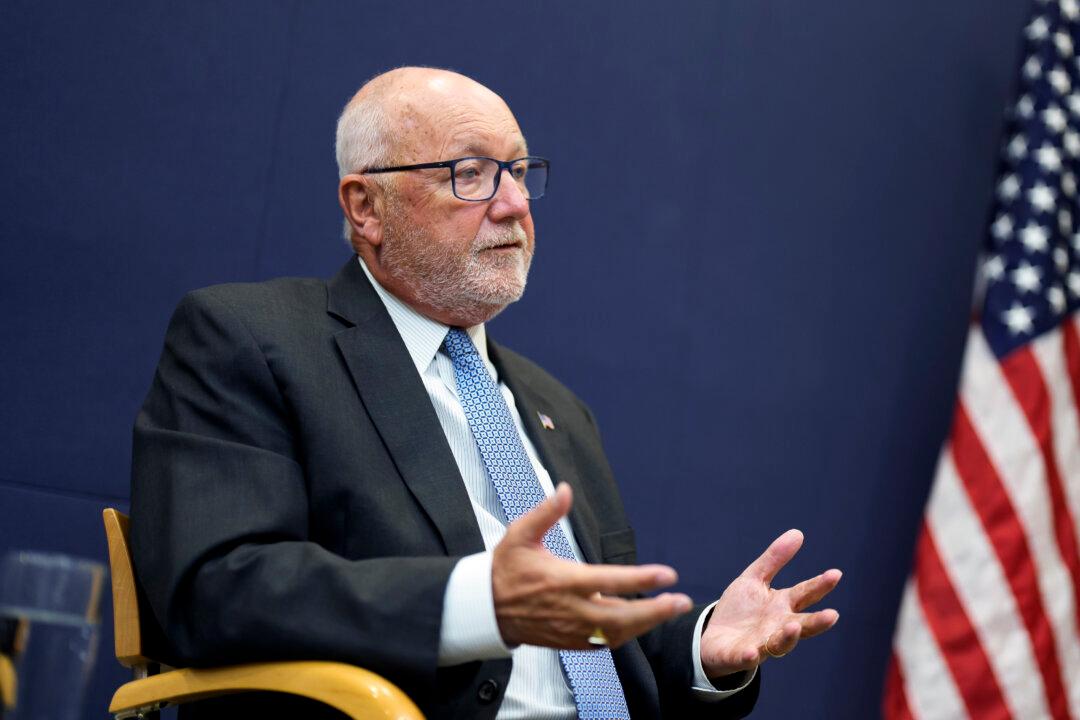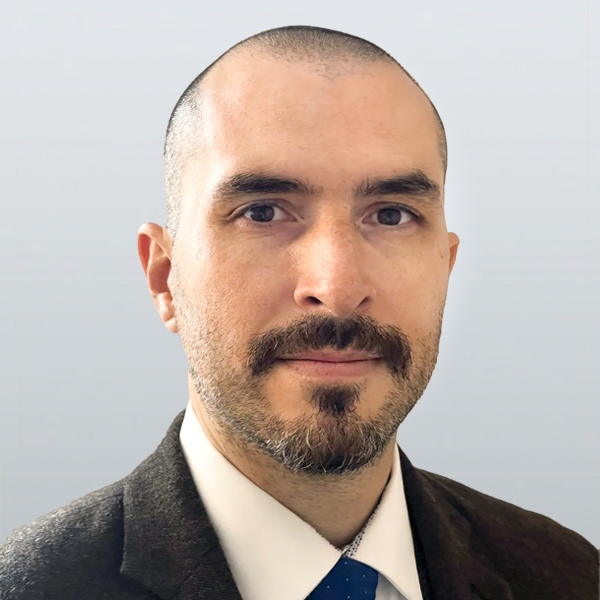
Supreme Court of Canada nominee Glenn Joyal faced hours of questions from parliamentarians on June 29, outlining his views on legal issues and the role of the country’s top court.
Joyal, who has served as chief justice on the Court of King’s Bench of Manitoba since 2011, said his experience has made him a “proud institutionalist.”
“What I believe deeply is the abiding need to protect and promote public confidence and trust in our public institutions,” Joyal told MPs and senators participating in the hearing in Ottawa.
The current process was put in place by Prime Minister Justin Trudeau in 2016 and relies on an advisory board being established to review candidacies and make recommendations to the prime minister.
Joyal said he views the judiciary as the Constitution’s “fearless guardian,” but emphasized that safeguarding Canadians’ rights also depends on strong executive and legislative branches that uphold constitutional values when crafting public policy.
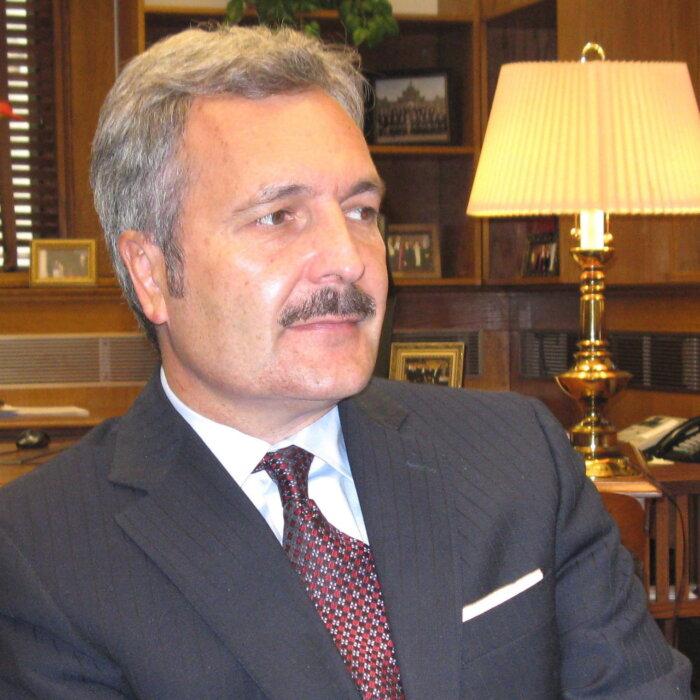
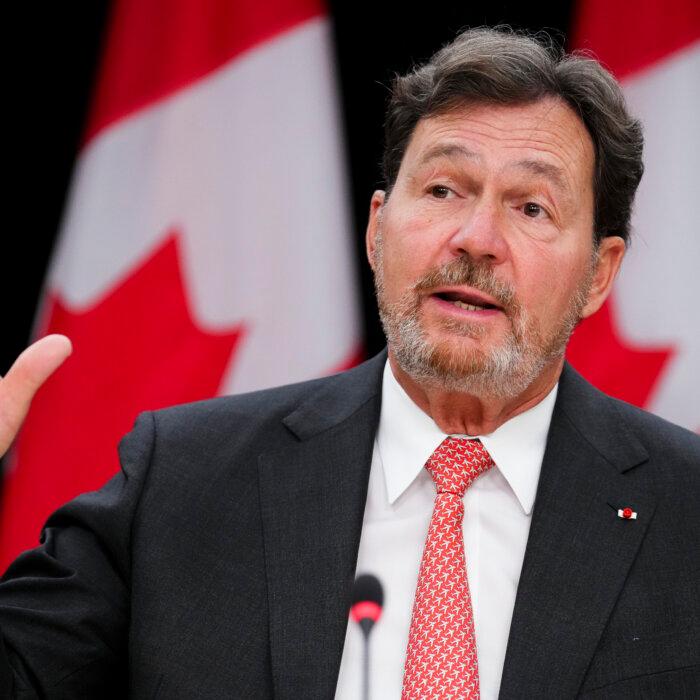
Joyal said improving access to justice and advancing judicial reconciliation have been among his top priorities in recent years, leading to case management reforms in Manitoba and greater engagement with indigenous communities and leaders.
“Judicial reconciliation is about building a relationship of trust—one that does not guarantee adjudicate results, but does legitimate what hopefully will be a more holistic, respectful, and inclusive court process,” he said.
Sen. Bernadette Clement asked Joyal to comment on the federal government’s black and indigenous justice strategies and the overrepresentation of black and indigenous people in the justice system.
“I think it’s false for us to think that we have a strategy that’s going to end with a quick and easy solution,“ Joyal said. ”I think it’s going to be an ongoing project.”
Joyal called overrepresentation a “big issue” that courts try to address in various ways, including through sentencing principles and criteria. This refers to courts evaluating an offender’s background when determining sentences.
“How will your extensive experience in both criminal law and constitutional matters assuage the public’s fears and concerns?” Brock asked.
Joyal responded that if Canadians want a different result than what a court provides, “then they'll come back to you” to change legislation.
Fraser Questioned on Appointment
Prior to Joyal taking questions from parliamentarians, MPs scrutinized the Supreme Court appointment process during a meeting of the House of Commons justice committee on June 29.Fraser and McTeer faced questions on the independence of the judicial appointment process and the factors considered in selecting a judge for the Supreme Court.
During his questioning of Fraser, Liberal MP Anthony Housefather said a prime minister might prefer a nominee who embraces the “living tree doctrine” or a “strict constructionist” approach—different methods of interpreting the Constitution through either an evolutionary lens or a more literal reading.
“Can you assure us that you did not put any kind of litmus test on the philosophy of the judge that you would have recommended?” Housefather asked.
“I’ve put no such pressure on anyone through the process,” Fraser said.
Fraser described Joyal as an “exceptional jurist” and said he was confident in his ability to “uphold the highest standards in all facets of the position.”Previous Bid
During the hearing with Fraser and McTeer, MP Brock noted that Joyal applied for the Supreme Court in 2017 but wasn’t selected. Joyal later withdrew from the process, citing his wife’s health.“Trudeau objected to a speech given by Justice Joyal, in which he decried the constitutionalizing of more and more political and social issues into fundamental rights. Is that position problematic for this Liberal government?” asked Brock.
Fraser said he and his team have reviewed all of Joyal’s decisions and speeches.
“The collective, the sum total of that review, including public speeches he’s given, gives me a great sense of confidence that we are making a top-tier pick for the Supreme Court of Canada, and I say that with no hesitation,” he said.
Joyal was appointed as chief justice of Manitoba’s Court of Queen’s Bench by the Stephen Harper government in 2011.
Joyal’s 2021 directive states that, when counsels are introducing themselves and their clients, they have to provide the judge or justice with “each person’s name, title (e.g. “Mr./Ms./Mx./Counsel Jones”) and the correct pronouns to be used in the proceeding.”
Fraser said the “short answer” to the question is “no,” while adding it’s matter of independence for the courts.
Tory MP Roman Baber questioned Joyal on the same topic, asking him whether such a practice amounts to “compelled speech.” Joyal said no one is compelled to comply with the policy, which he said addresses a request from the LGBT community.
‘Exceptional’ Candidates
McTeer, an author, lawyer, and visiting professor at the University of Ottawa, said there appeared to be few applicants to fill the Supreme Court vacancy left by the retirement of Justice Sheilah Martin.“It seemed low to me, given the vastness of the region that we were choosing from,” she said.
The vacancy was open to candidates from western provinces and territories. Ultimately, the advisory committee picked two names out of the lot to recommend to the prime minister.
McTeer said the board reached a consensus to recommend only two candidates deemed “exceptional” when asked by Liberal MP Housefather why it did not recommend three or four.
McTeer also defended the independence of the process when asked by Tory MP Amarjeet Gill whether she can confirm the Prime Minister’s Office had no influence on the recommendation.
“I think people would be hard pressed to determine to call me a Liberal Party hack,” said McTeer, who is the wife of former Progressive Conservative Prime Minister Joe Clark.
“Also in terms of our independence, we had no discussion whatsoever with the [justice] minister or with the prime minister or any member of any political party,” she said.