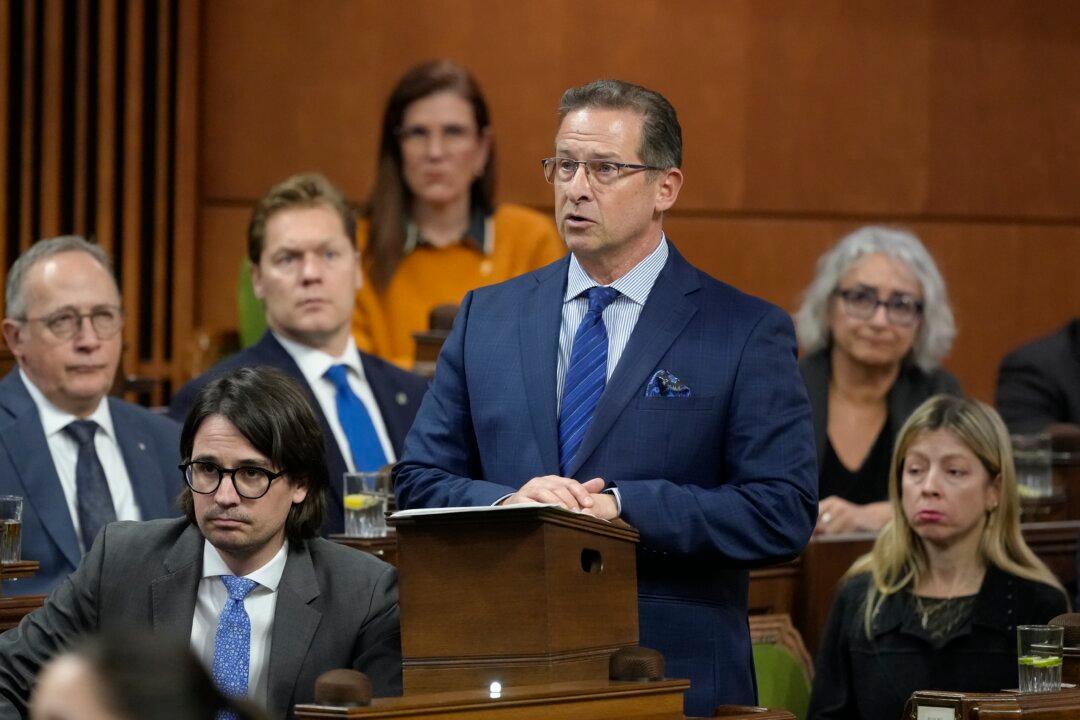
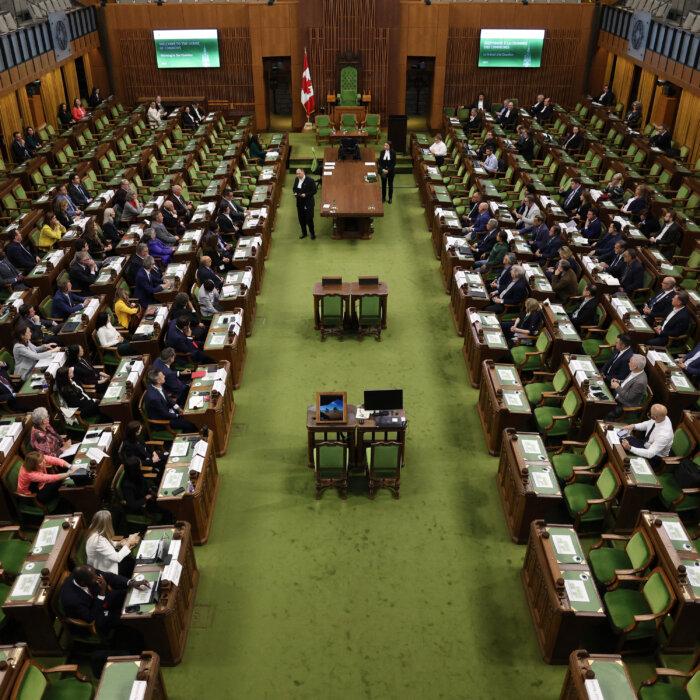
Prime Minister Mark Carney attended his first question period in Parliament on April 15 after securing a majority government, and was pressed by opposition parties on the state of the economy and the status of trade negotiations with the United States.
The Carney Liberals secured a majority after winning three byelections on April 13 and gaining five opposition MPs who crossed the floor since November.
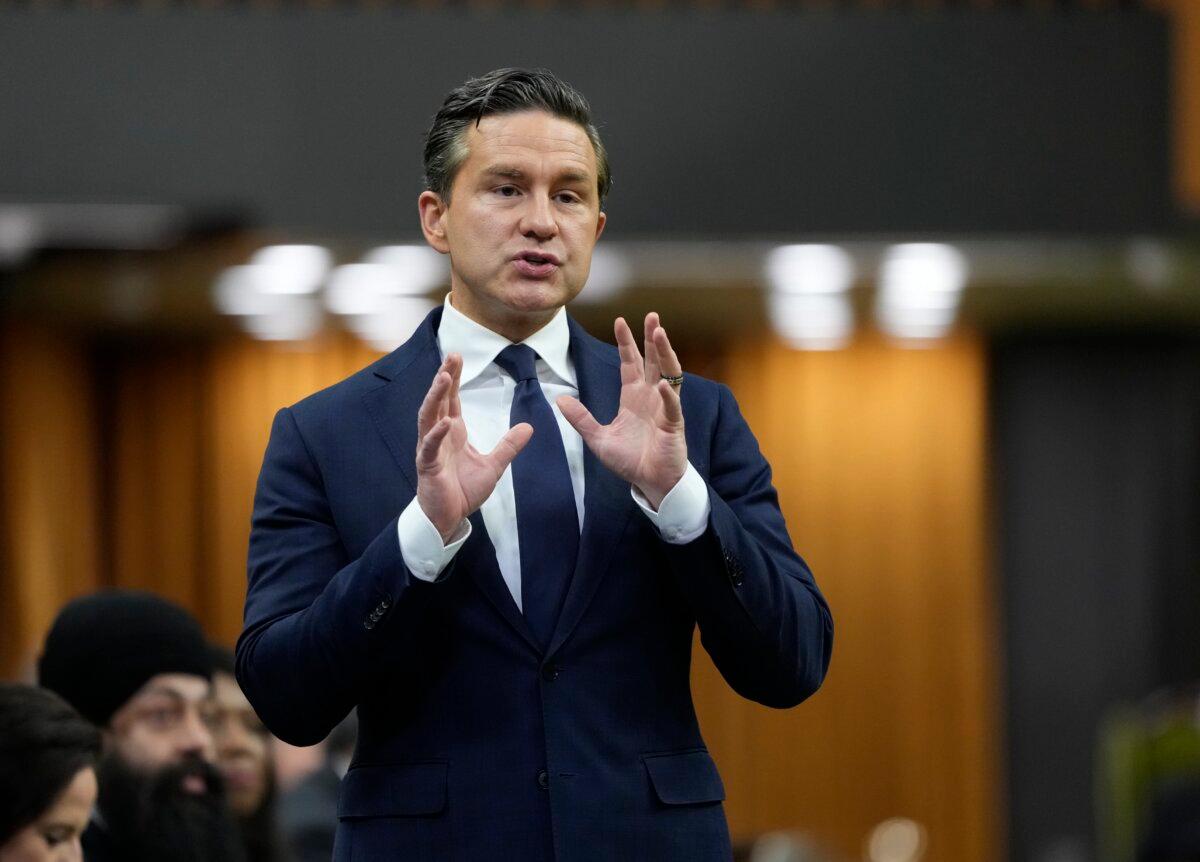
Poilievre focused on the issue during question period on April 15, asking Carney to go further and suspend the Clean Fuel Regulations and the GST on fuel.
“With Canada having the highest grocery price inflation in the G7 and paying 20 percent more at the pumps, we put the pressure on the prime minister and he’s partially backed down—removing only one of those taxes and only for a third of the year,” Poilievre said. “Why doesn’t he follow our full plan to reduce gas prices by 25 cents a litre by getting rid of all the taxes for all the year?”
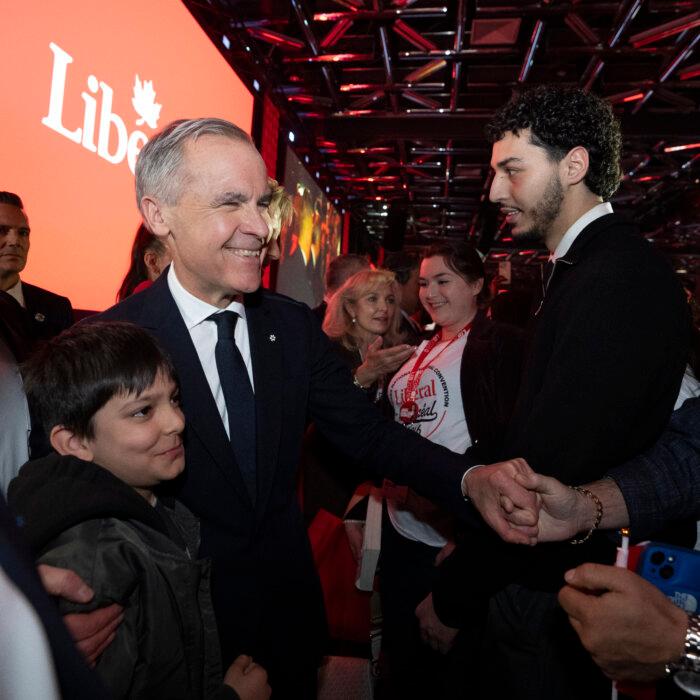
Carney responded that the federal government is using the excess revenues from higher oil prices to bring down gasoline prices by 10 cents, and diesel by 4 cents.
“What we are not doing is what the leader of the Opposition is proposing, which is to substantially increase the deficit, something he’s regularly against, by more than $3 billion, because this government can count,” Carney said.
From there, the two leaders veered into more pointed accusations, with Poilievre noting the record deficit introduced by Carney in his November 2025 budget.
Inflation rates were between 0.66 percent and 2.68 percent during his time at the Bank of England, and between 0.3 percent and 2.91 percent when he was governor of the Bank of Canada.
“One thing I’ve learned in my economics education is you’ve got to study history and you’ve got to look at numbers,” Carney said, with Poilievre retorting, it’s “clear that he’s learned all the wrong lessons.”
After Poilievre remarked on an “inflation of Liberal arrogance,” Carney brought the topic back to recent floor-crossings in the House of Commons.
Trade Negotiations
While Poilievre pressed Carney on government finances, Bloc Québécois Leader Yves-François Blanchet requested an update from Ottawa on the status of trade negotiations with the United States.He asked Carney whether Ottawa will “get the United States and the White House to do a 180” on the tariffs, noting how the prime minister was elected on a pledge to do so.
“We are working on it,” Carney replied. After being pressed on the matter, he added that negotiations are underway on the renewal of the United States-Canada-Mexico Agreement (USMCA) on free trade.
“Negotiations will continue, but the starting point is the best trade agreement in the world with the United States,” said the prime minister. Carney added that the effective tariff rate imposed by the United States has gone down since his election in April 25.
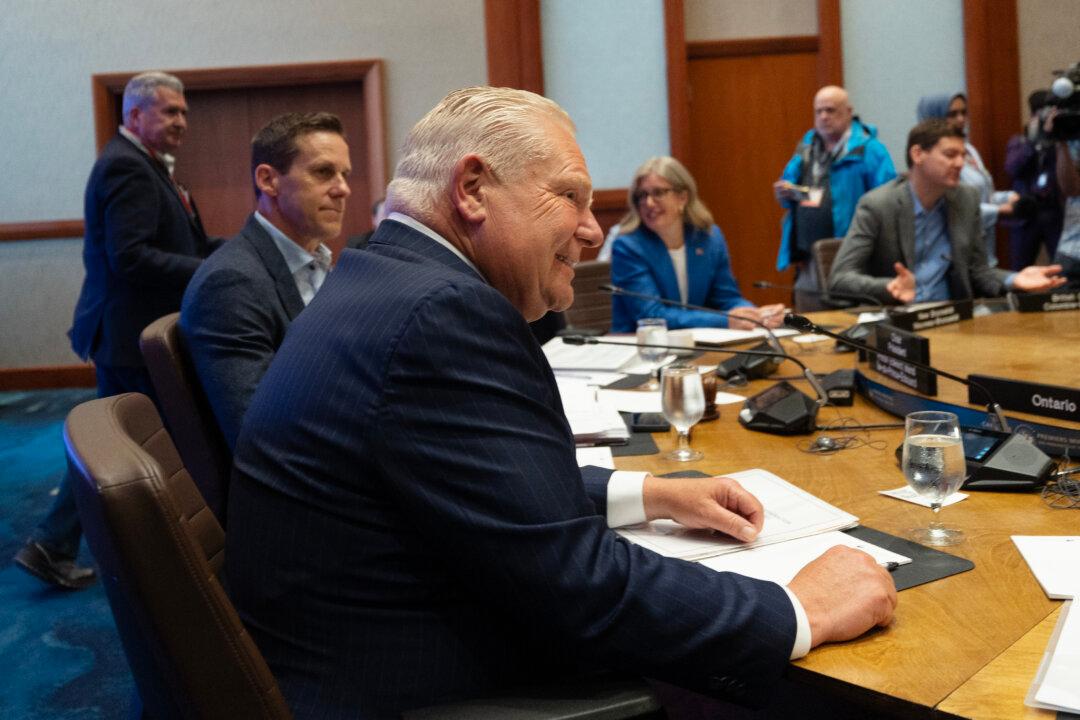
The U.S. side cancelled trade talks with Canada last October after the Ontario government ran an anti-tariff TV ad campaign in the United States.
High-level contact restarted in March, with Canada-U.S. Trade Minister Dominic LeBlanc visiting Washington. Formal talks between Canada and the United States on the USMCA review, however, have not been announced by Washington as they have with Mexico.