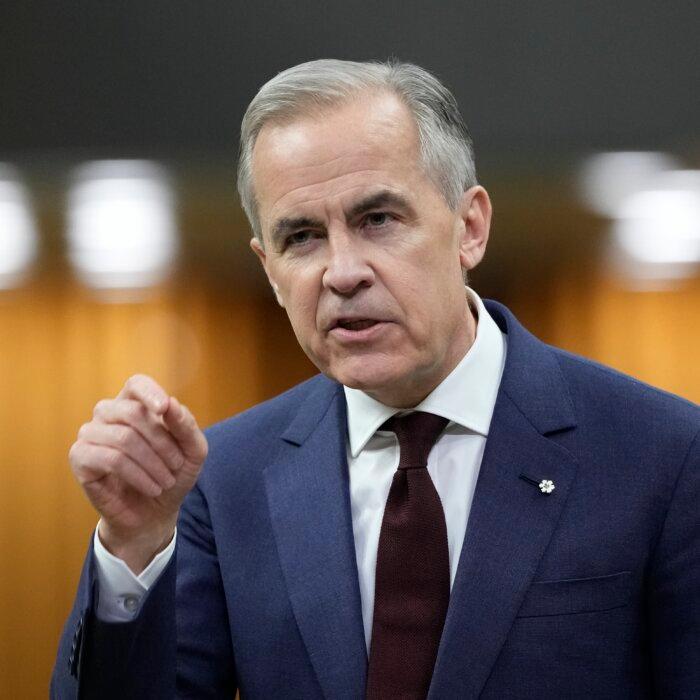
Prime Minister Mark Carney says the Trudeau government’s climate plan is no longer feasible as Canada works to grow conventional and clean energy amid instability.
Carney said the previous plan no longer works in a period marked by global conflict, energy insecurity, affordability pressures, and trade tensions with the United States. He said that, in response to these pressures, Canada must grow oil and gas production while rapidly expanding low-emissions electricity and nuclear power.
After taking office in 2015, the Trudeau government initially adopted Canada’s existing target of reducing greenhouse gas emissions by 30 percent below 2005 levels by 2030, before raising the goal in 2021 to a 40 to 45 percent reduction by 2030.
However, Carney said his government’s framework for energy expansion means emissions will be higher in the next few years than projected under the previous plan. He said the old approach was not sustainable because it would have been too expensive, hurt Canada’s ability to supply allies with energy, and worsened national divisions.
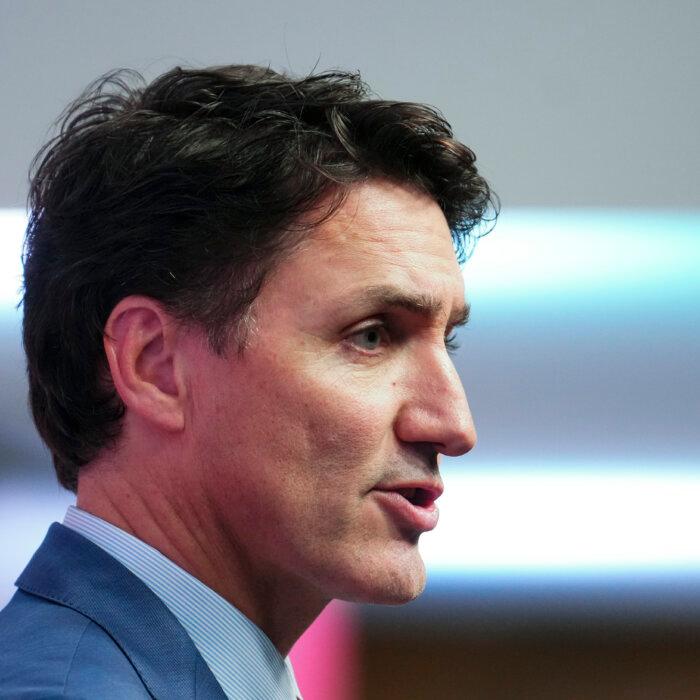
Carney also referred to former Prime Minister Pierre Trudeau’s National Energy Program, saying it contributed to long-running divisions between Ottawa and Alberta over energy policy.
‘Energy Crisis’
Carney said Canada is facing “an energy crisis on three levels,” citing climate change, affordability, and security challenges.He said his revised energy approach is aimed at making energy more affordable while strengthening Canada’s energy security in the face of global conflict and market instability.
The plan includes continued oil and gas production and exports, new energy infrastructure to reach markets beyond the United States, low-carbon liquefied natural gas (LNG) exports, a possible second oil pipeline to the West Coast, expanded nuclear power, and a national electricity strategy aimed at doubling Canada’s grid by 2050.
While Carney said Canada can’t control global oil prices, he also pointed to the government’s suspension of the federal fuel excise tax as one example of how Ottawa is helping Canadians with affordability during global energy instability. The pause took effect April 20 and runs until Sept. 7, and the government says it will reduce costs by up to 10 cents per litre on gasoline and 4 cents per litre on diesel.
At the same time, Carney said Canada will continue producing oil and gas and exporting to countries that are in need of stable energy supplies and a trustworthy partner.
“Nobody knows how long the global economy will rely on conventional energy, but while it does, as much of that energy as possible should come from Canada, produced responsibly and with a clear focus on lowering emissions over time,” Carney said.
Carney added that the Justin Trudeau administration’s “well-intentioned” goal of fighting climate change doesn’t fit with today’s circumstances, but he nonetheless said that his government’s commitment to fighting climate change “is absolute.”
While Carney also said his government is focused on lowering emissions “over time,” he did not provide a target for that goal. He also said Canada is upping oil production more rapidly than any country in history other than the United States and Russia.
Tory Leader Pierre Poilievre has been critical of Carney’s approach to energy, saying that his policies have stifled energy development and failed to tap into Canada’s full oil production potential.
“There has never been in the history of this country a government that has had so much publicity for bureaucratic busy work, but bureaucratic busy work does not actually build an economy,” Poilievre said June 25.
Poilievre said that Carney has been “wrong on every major issue” and that instead of putting forward new plans and publicity, Carney should get Ottawa “out of the way.”
“Get out of the way and repeal the anti-development laws. Get out of the way and grant permits for construction to begin. Get out of the way and scrap the industrial carbon tax,” Poilievre said. “Get out of the way and off the backs of builders, investors, and workers.”
US Relations
The prime minister also repeated previous criticisms he’s made about Canada’s dependence on the U.S. market. He noted that most Canadian oil exports have gone to the United States, which pays a discount in part because it has been Canada’s main customer.“Put simply, we now need to build energy infrastructure to give ourselves more options.”
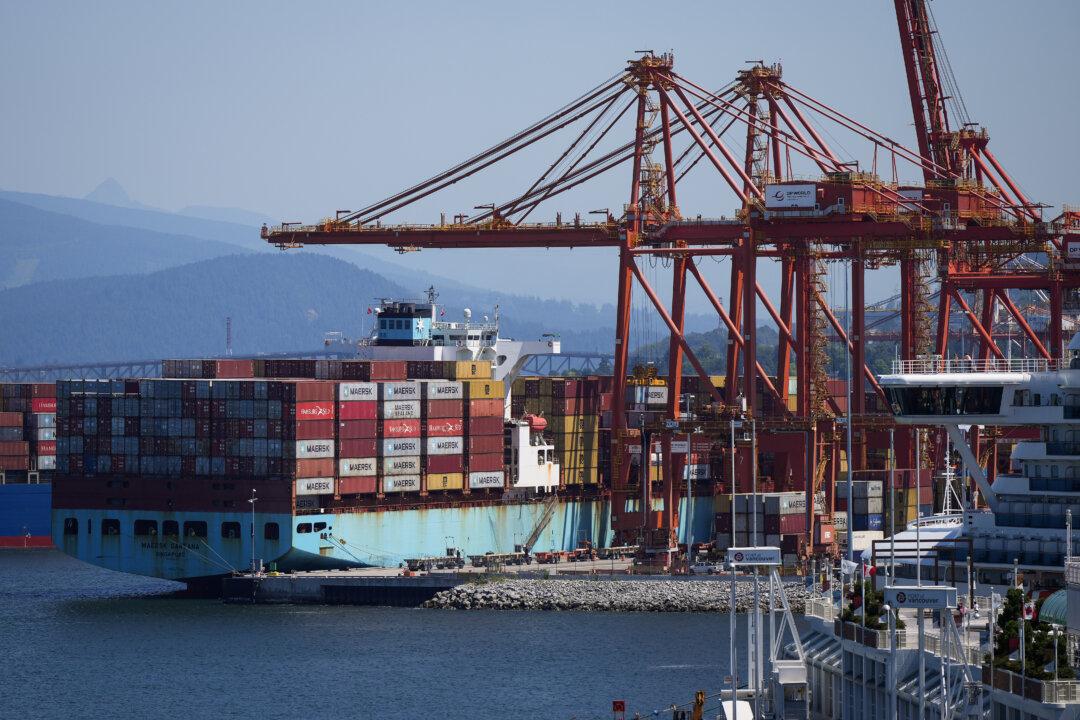
Carney mentioned the Trans Mountain pipeline as an example of infrastructure giving Canada access to Asian markets, along with low-carbon LNG projects that are exporting gas to Asia.
Carney also said the government is reviewing “options for a second oil pipeline to the West Coast,” referring to a potential crude oil pipeline from Alberta to B.C., which Alberta says it will pitch to the Major Projects Office in Ottawa by July 1.
Carney said a big part of making energy more affordable for Canadians is electrification, with a plan to double Canada’s grid over the next decades and create a national electricity strategy with faster permits; provincial power interties, or power-line projects; and a wide mix of energy sources such as nuclear, hydro, wind, solar, gas, carbon capture, and geothermal.
Coming a day before Canada Day and the U.S.-Mexico-Canada Agreement (USMCA) review deadline, Carney urged Canadians to apply a “large collective effort” that will move the country forward.