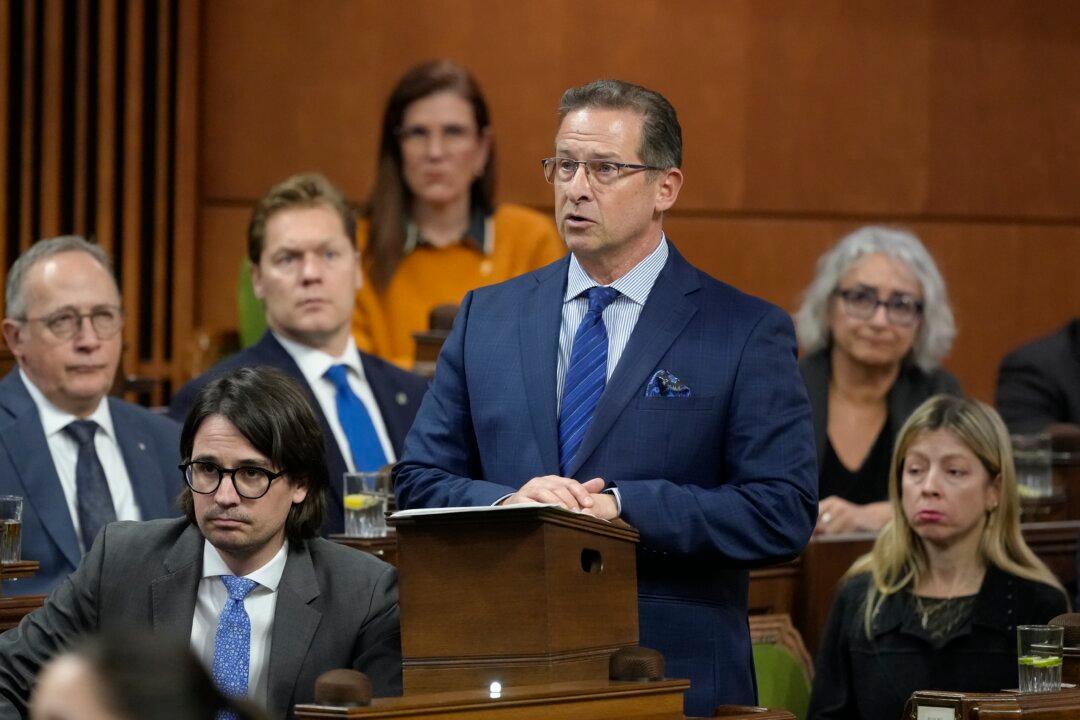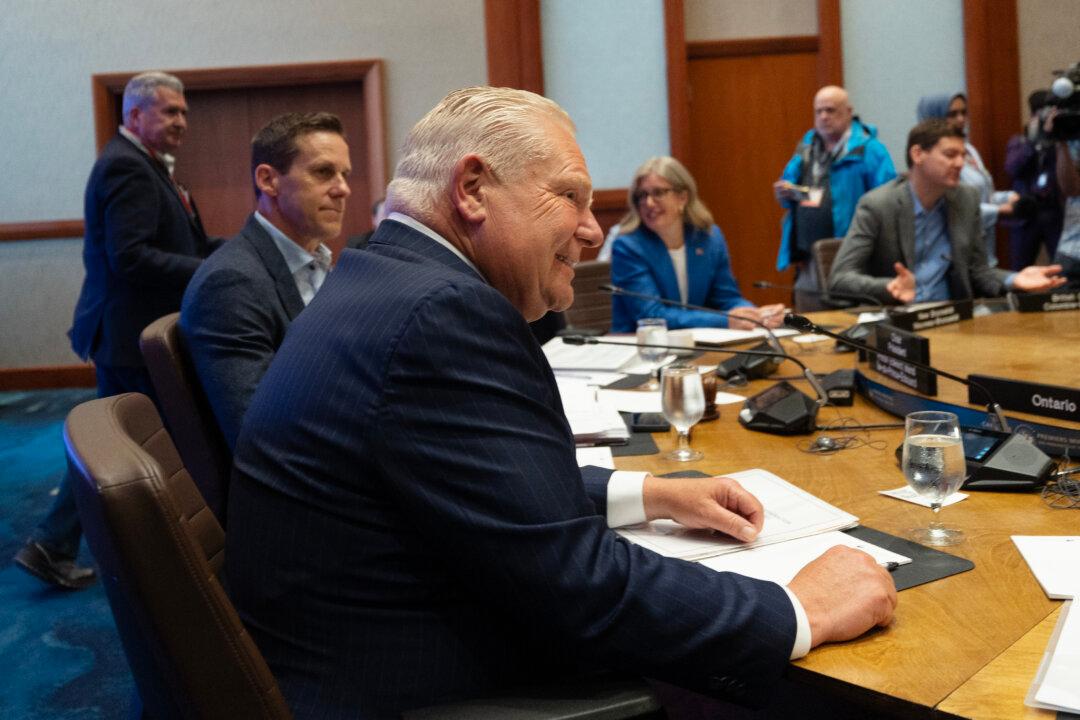
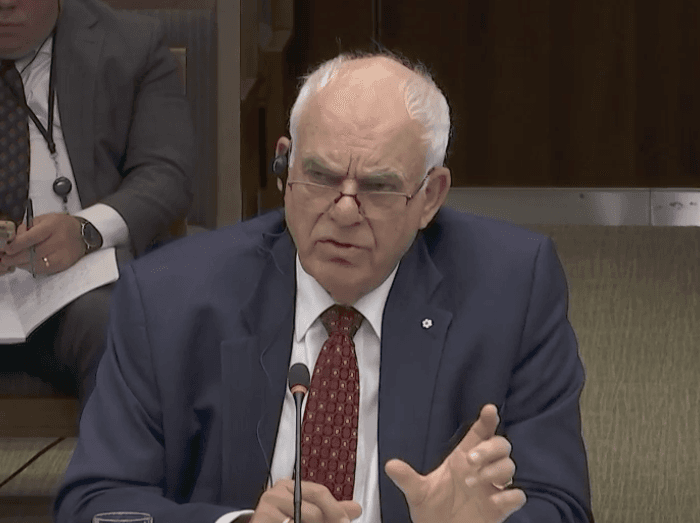
Prime Minister Mark Carney and Conservative Leader Pierre Poilievre held their first verbal joust in the House of Commons as MPs returned to Ottawa for the fall sitting.
Carney had stood several times in the House last spring to take questions from opposition MPs, but without Poilievre being present, as he had lost his long-held seat as the MP representing the Carleton riding in the April 28 election.
Poilievre apologized for being late to the parliamentary session when he rose to speak during question period on Sept. 15.
“I had some meetings with extremely important people in East-Central Alberta,” Poilievre said in reference to his August byelection win in the Alberta riding of Battle River-Crowfoot. The Tory leader thanked his constituents and former MP Damien Kurek, who had resigned his House seat to allow Poilievre to run.
Poilievre also thanked Carney for rapidly calling the byelection after Kurek resigned, as he had initially pledged. “I wonder if one day he might regret that decision,” remarked Poilievre.
To recognize Carney’s gesture, Poilievre did not ask a thorny question or launch an attack on the Liberal government, as he is well known for.
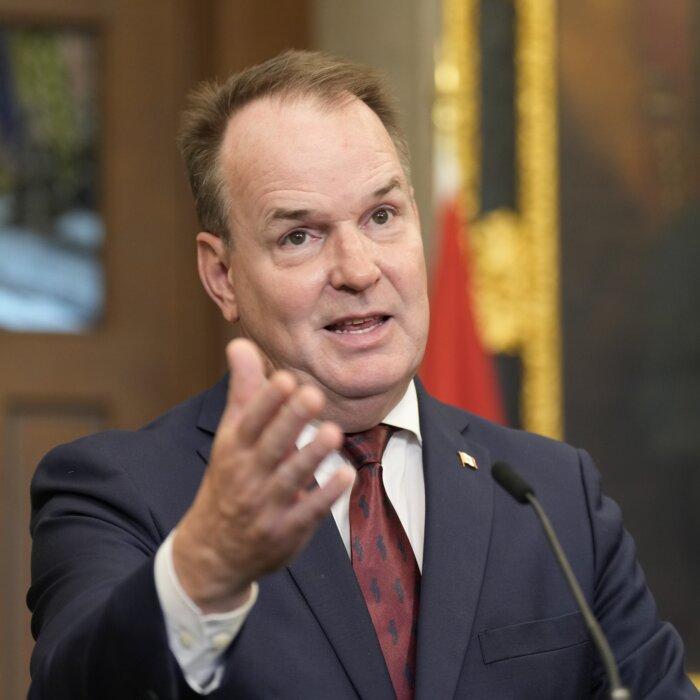
“In a spirit of good faith, I wonder if he agrees that our goal should be a Canada where hard work is rewarded, where food and homes are affordable, where streets are safe, where borders are solid, and where we’re all united under a proud flag,” Poilievre asked.
Carney replied, “I’m sure I speak for all parliamentarians in welcoming the member for Battle River-Crowfoot back to the House of Commons,” to which the House, including members of the Liberal caucus, applauded.
The prime minister added that Poilievre might notice a “few things that have changed since he was here last.” He mentioned the Liberals’ having the largest women’s caucus in Canadian history, along with the “spirit of collaboration” that led to passage of the Building Canada Act and the Bloc Québécois bill to protect supply management in future trade negotiations.
“I agree entirely with the sentiment and objectives of the Leader of the Opposition,” Carney said.
Conservatives had been instrumental in the spring in helping the minority Liberals pass the Building Canada Act, contained within Bill C-5, due to opposition from the Bloc Québécois and NDP. The two parties had opposed the bill due to their concerns that it would allow Ottawa to bypass existing federal legislation in order to fast-track major projects. The Tories, for their part, supported the legislation as a “better-than-nothing” approach.
Things subsequently became more thorny between the two leaders.
Poilievre sarcastically said it’s true that things have changed in the Commons.
“I look around this place, and when I left, there was a Liberal prime minister who was making excuses about breaking promises, running massive deficits. Costs, crime, chaos were all out of control,” he said.
“Whereas today we have a Liberal prime minister breaking promises, making excuses, running massive deficits, with costs, crime, and chaos out of control.”
Poilievre added that in a “non-partisan spirit” Tories would simply insist that Carney respects his own promises to make Canada’s economy the strongest in the G7 and to reduce the cost of food.
Carney shot back that he understands Poilievre “was busy” and missed the Liberal income tax cut; the passage of Bill C-5, which also brought down federal barriers to internal trade; the removal of the GST on new homes under $1.5 million for first-time buyers; and the launch of the new housing agency Build Canada Homes.
“This government has been absolutely focused on improving affordability for Canadians,” Carney said. “We are building the strongest economy throughout the worst crisis in our history.”