Defence officials say the Canadian Armed Forces has recorded its strongest recruitment numbers in 30 years, with permanent residents accounting for roughly one-fifth of all new recruits.
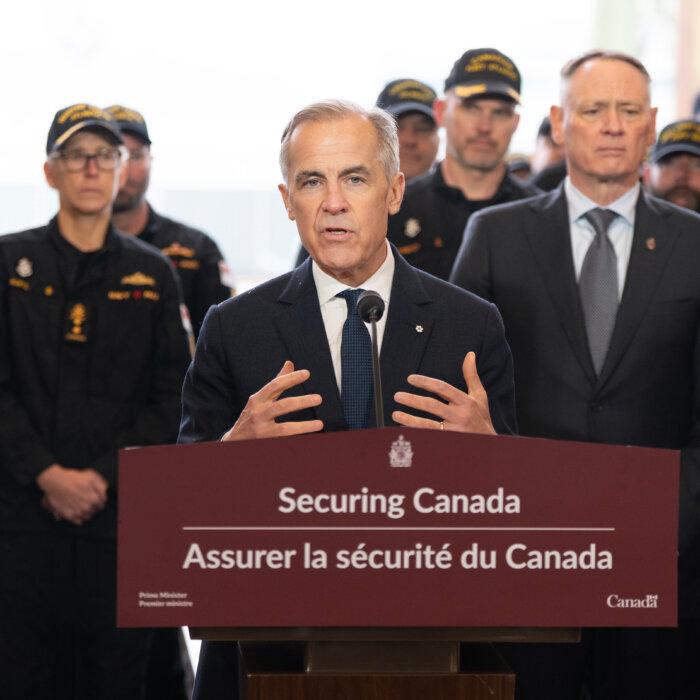
The development is the result of “sustained efforts,” Defence Minister David McGuinty said on April 20, while acknowledging more work needs to be done to train the new recruits.
“That’s one of the next big challenges that we’re working on,” McGuinty told reporters, while adding some progress has been made.
The announcement on recruitment numbers was made a few hours before the Office of the Auditor General was to testify before the House of Commons public accounts committee on its most recent report on CAF recruitment.

Deputy Minister of Defence Christiane Fox told the committee that attrition for CAF members with one year of experience or less is at 16 percent, which is double the general rate of the force. A total of 5,960 soldiers left the CAF in the last fiscal year.
The Chief of Military Personnel, Lt.-Gen. Erick Simoneau, added that half of those in the 16 percent group voluntarily withdrew or were released because military life is “just not for them.” The other half were medically released, with Simoneau saying half of those releases are due to mental health.
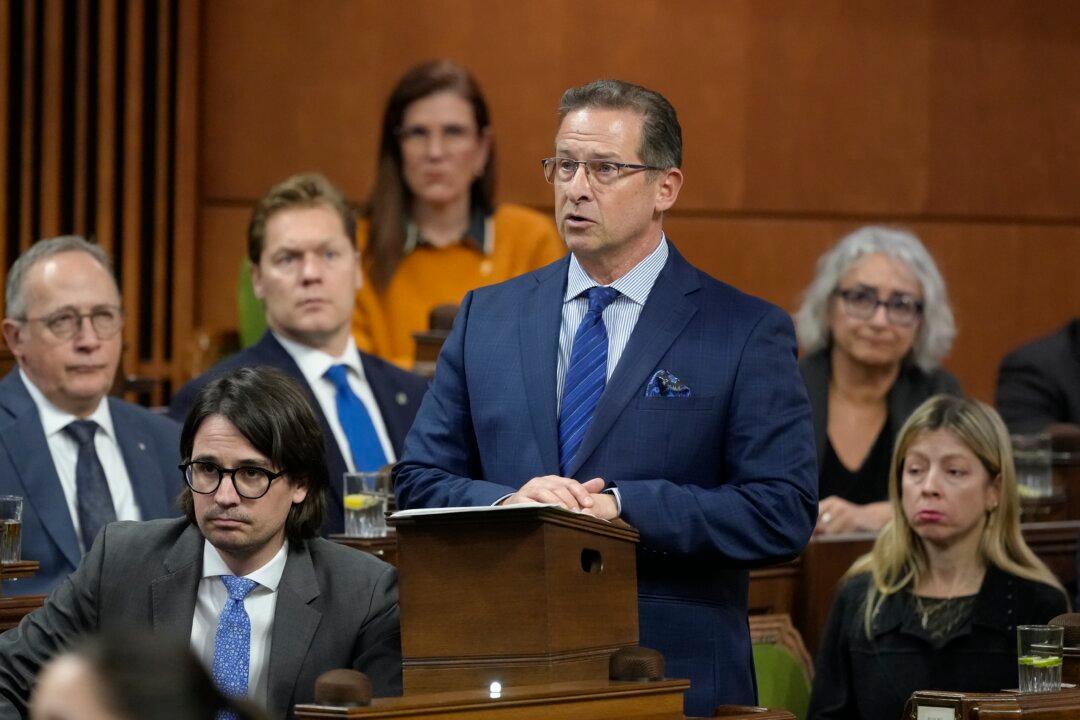
The officials’ comments on early attrition came after a question from Tory MP James Bezan, who said he has heard of recruits failing to reach basic standards, including on language.
“Some of the [permanent residents] are not functional in either French or English,” Bezan said during the committee meeting.
“We’re hearing that there’s temporary shelters being built to house them,” he added.
The officials did not address the comment about permanent residents not being proficient in French or English. Asked to comment on the issue, DND told The Epoch Times in a statement that it conducts official communications with recruits only in French and English.
Simoneau noted new recruits are put through a period of probation. “As we work diligently to reduce barriers at the entry, we didn’t want to lower standards. Standards remain,” he said.
Permanent Residents
Recruitment numbers have been boosted by the CAF’s move to allow permanent residents to join the ranks since late 2022.The program, which provides a fast-track to citizenship, was slow to provide results, but is now growing exponentially. In the first full fiscal year of its implementation in 2023-24, 109 permanent residents joined the CAF. In the last fiscal year, the number reached 1,400, or over 19 percent of all new recruits.
Fox told MPs that changes were made to the screening process for permanent residents, which led to “significantly increasing recruitment in this population.”
Lt.-Gen. Simoneau told reporters during an April 20 briefing that permanent residents play an “important” role in military recruitment, “because we do value diversity.”
Simoneau said the CAF has set a target of 11.8 percent for “racialized” recruits, noting that the majority of permanent residents fall within that category.
“I would tell you that we’re exceeding this target with 33.7 percent this fiscal year, which is very beneficial for us and very much in line where we should be going,” Simoneau said.
Force Strength
With the speeding up of recruitment, McGuinty said CAF numbers in the Regular Force have grown to 67,827, out of an authorized force strength of 71,500. The minister said he believes reaching the objective will be possible before the initial target date of 2029.While the CAF is closing the gap on paper, Simoneau said there are 12,000 soldiers currently on the basic training list that need to complete training before they are able to deploy. He said the number will increase as the CAF grows.
The larger intake has created training bottlenecks and shortages of beds to house recruits.
Asked by reporters to comment on his predecessor’s views, McGuinty said he wouldn’t characterize the current situation as “anything but very positive news.”
McGuinty said more people have been joining the CAF based out of a desire to keep Canada “secure and sovereign,” and also because of the pay increases for soldiers.