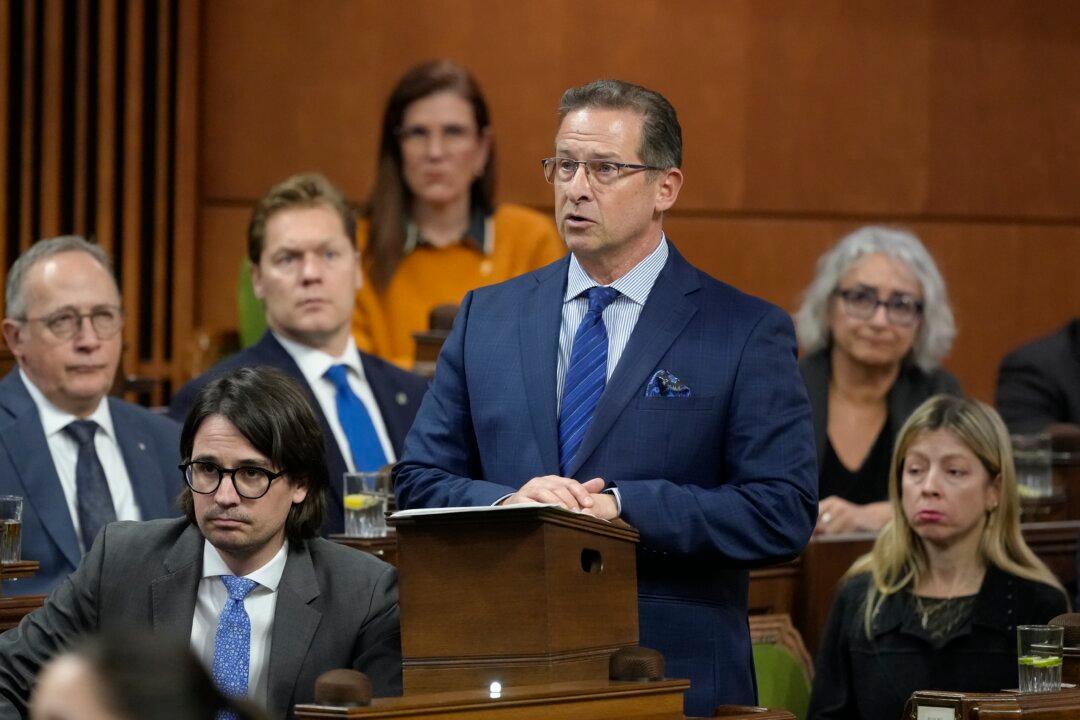
Bloc Québécois Leader Yves-François Blanchet said the minority Liberals exploited a moment of weakness among opposition parties to pass their budget instead of working cooperatively to get them on board.
Blanchet said this strategy worked this time around, but could come back to “bite” the Liberals in the future when they need the support of an opposition party to maintain the confidence of the House of Commons.
“They were not good partners for anybody, they exploited the momentary weaknesses of everybody, and this is not how policy should be done,” Blanchet told reporters in Ottawa on Nov. 18.
Blanchet said the “weakness” from opposition parties at this time was “normal” six months after the spring election, noting the NDP still has no permanent leader or money.
As for the Conservatives, he noted how focus is being directed towards the leadership review of Tory Leader Pierre Poilievre coming in the new year.
The Bloc leader noted that now that the budget motions have passed, the budget bill will be referred to committee for study, where he says Liberals will have to again deal with the uncertainty of the Bloc or Conservatives trying to make amendments.
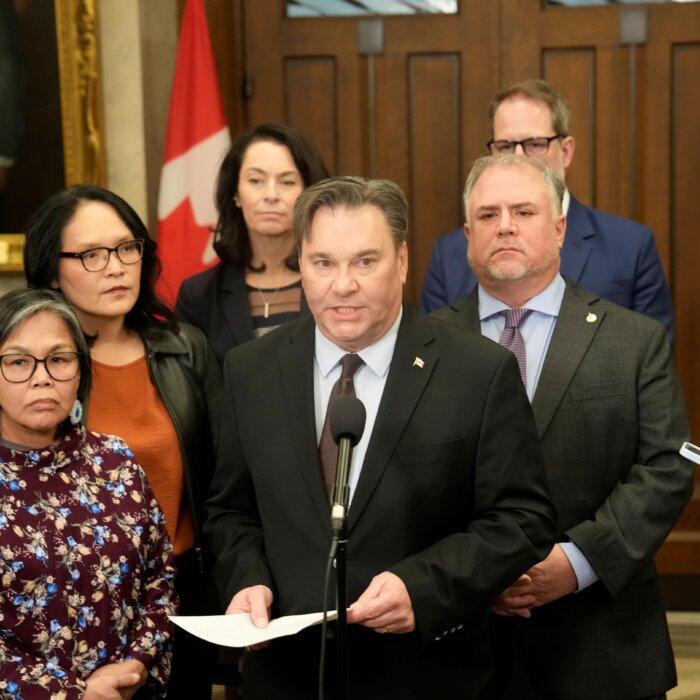
The main budget vote took place on Nov. 17, and passed with 170 yeas and 168 nays.
The Liberals increased their seat count to 170 when MP Chris d'Entremont recently left the Tories to join them, but Liberal House Speaker Francis Scarpaleggia can only vote to break a tie. The extra vote for the budget came from Green Party Leader Elizabeth May, who changed her vote to support the budget after getting a public commitment from Carney on Paris Agreement objectives on climate change.
Two NDP MPs abstained from voting to make sure the budget would pass and avoid an election. Two Tory MPs also did not vote, including Shannon Stubbs who’s on medical leave, and Matt Jeneroux who recently announced he will resign his seat in the spring.
Blanchet said Liberals could have made a deal with a party, and that doing so with the Bloc would have been easier.
The Bloc had issued a list of 18 demands before the tabling of the budget, with six identified as non-negotiable.
Those included cutting a $814 million cheque to Quebecers to compensate them for not receiving the carbon tax rebate like other provinces that were under the federal fuel charge regime. Quebec manages its own consumer carbon tax, but the Bloc said the timing of the federal rebate issued in the spring amounted to vote-buying.
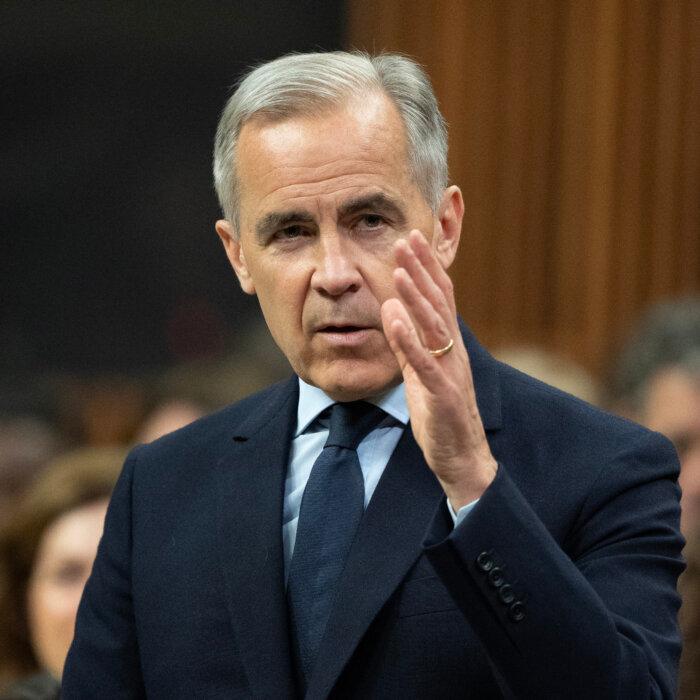
Blanchet said he took offence to Prime Minister Mark Carney singling out the Bloc’s opposition to the budget earlier that day when he spoke to reporters before the cabinet meeting. He said Carney was upset because no one wanted to “play the budget game” with him.
“I will continue not to play as long as the rules are not honest,” he said.
On the morning of Nov. 18, Carney was asked by reporters in French whether he’s comfortable going through future confidence votes with the same degree of uncertainty.
“There’s a responsibility from every MP, including the Bloc,” Carney said, adding that the Bloc voted against measures in the budget which favour Quebec, including the “greatest investments” in Francophone culture and “clean” electricity.
Finance Minister François-Philippe Champagne struck a similar tone and said Quebec’s demands have been filled with the budget. Champagne also said that he engaged “constructively” with the opposition regarding their demands.
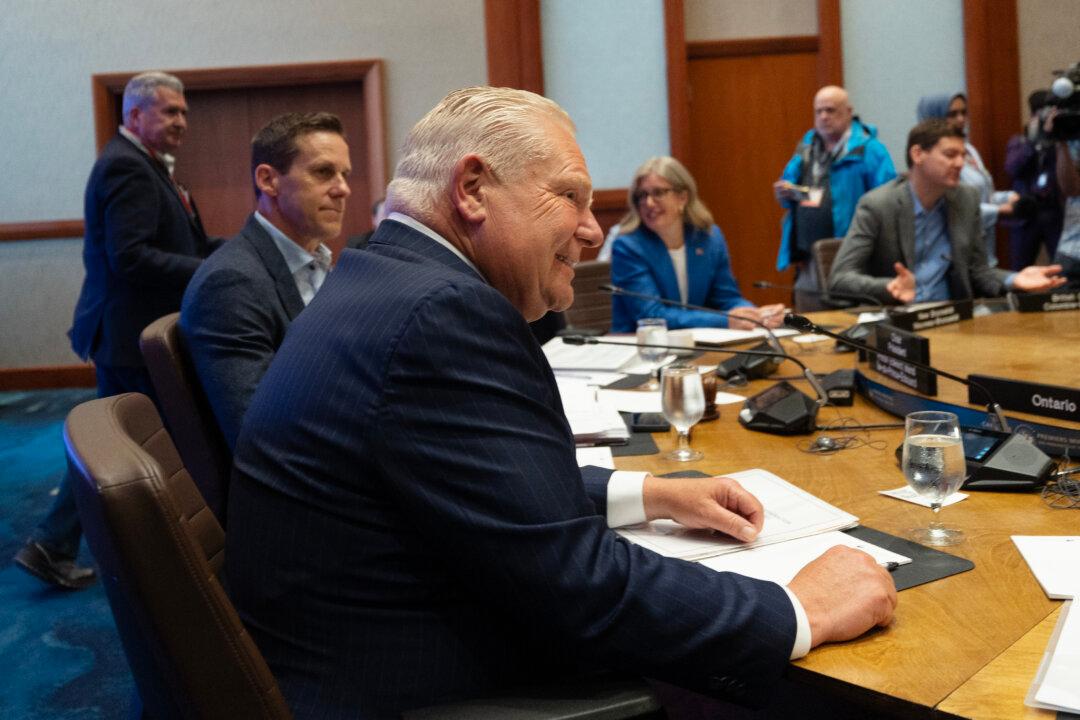
The NDP also made budget demands to Liberals to get their support, but to no avail.
NDP Interim Leader Don Davies had said before the tabling of the budget his party was not making specific demands to the Liberals, other than they would not be able to support a budget centred on austerity measures.
Davies also said the NDP was not “propping up” the Liberals and that they would be ready to take down the government in the spring if needed.
Meanwhile, Conservatives had called for the scrapping of taxes impacting food cost and for a deficit in line with the $42 billion projection of the 2024 fall economic statement. The budget has a projected deficit of $78.3 billion this fiscal year.