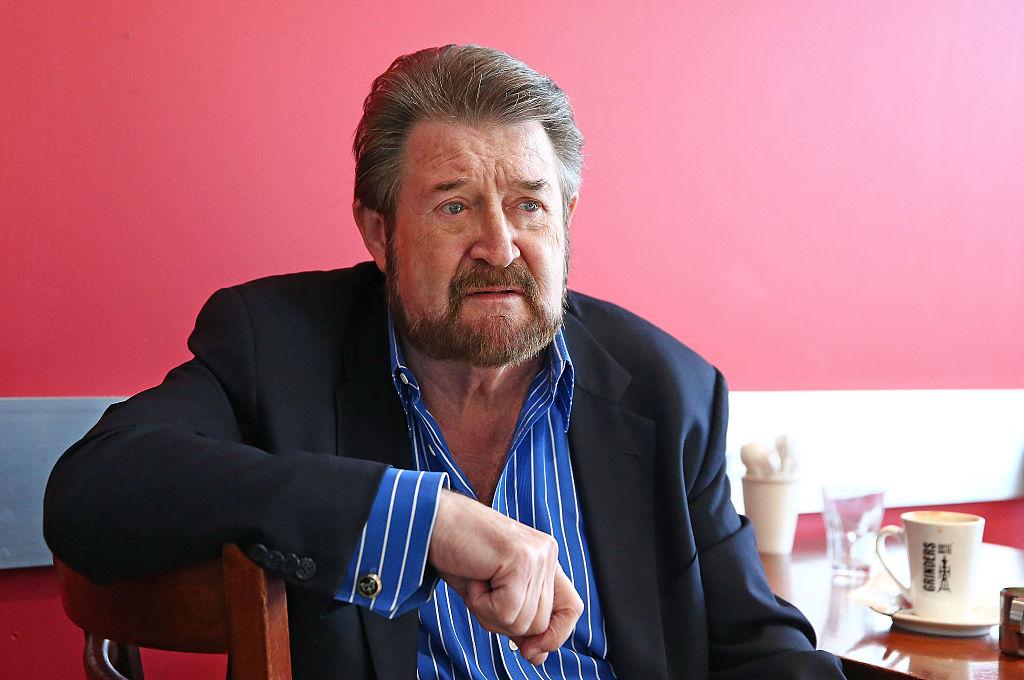
The cause of death is not yet known, though his family said he remained cancer-free after being diagnosed with stage 3 angioimmunoblastic T-cell lymphoma, a rare form of blood cancer, in early 2022.
“It is with immense sadness that the whānau [family] of Sam Neill share the news of his passing on Monday 13th July, in Sydney Australia,” the statement read.
“Sam was surrounded by family and passed with the dignity that has characterised his whole life. The loss was sudden and unexpected but blessed by the fact that Sam remained cancer-free.”
Neill’s dry wit, along with his understated intelligence and remarkable versatility, made him one of the country’s most celebrated performers and an enduring presence in international cinema.
Over five decades, he built one of the most distinguished careers of any New Zealand actor, moving with apparent ease between Hollywood blockbusters, acclaimed independent films, television dramas and local productions.
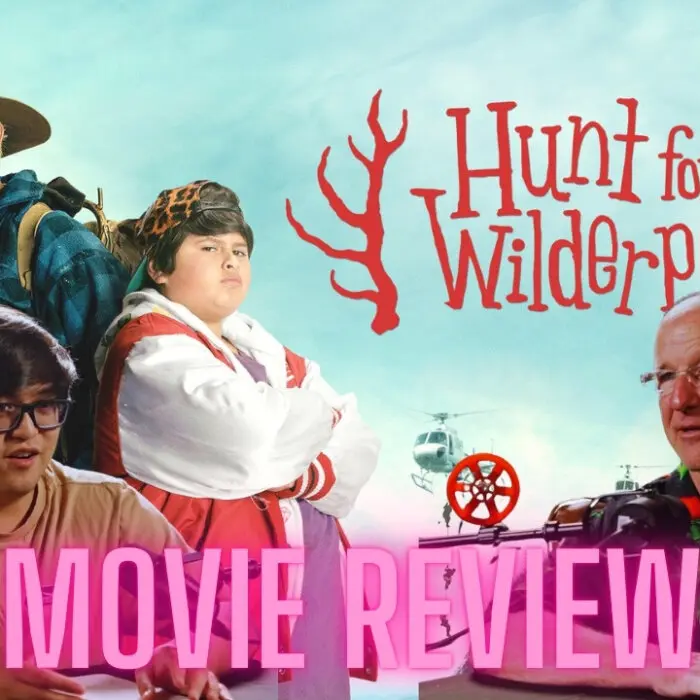
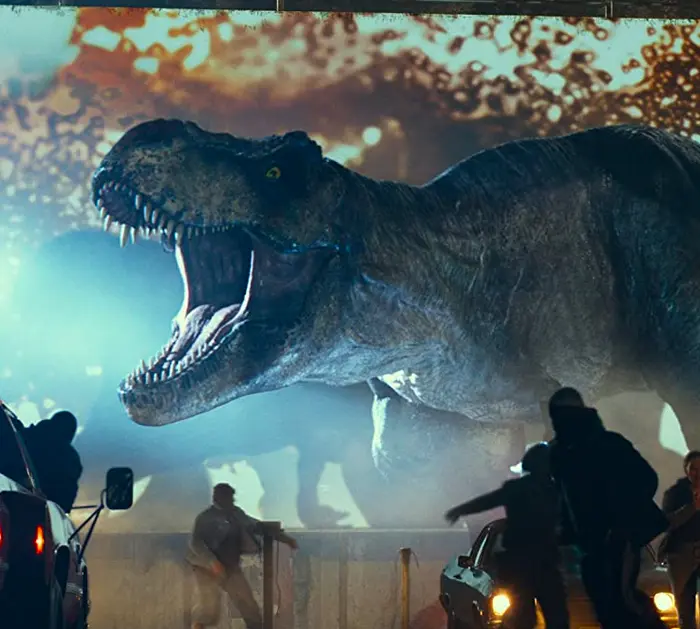
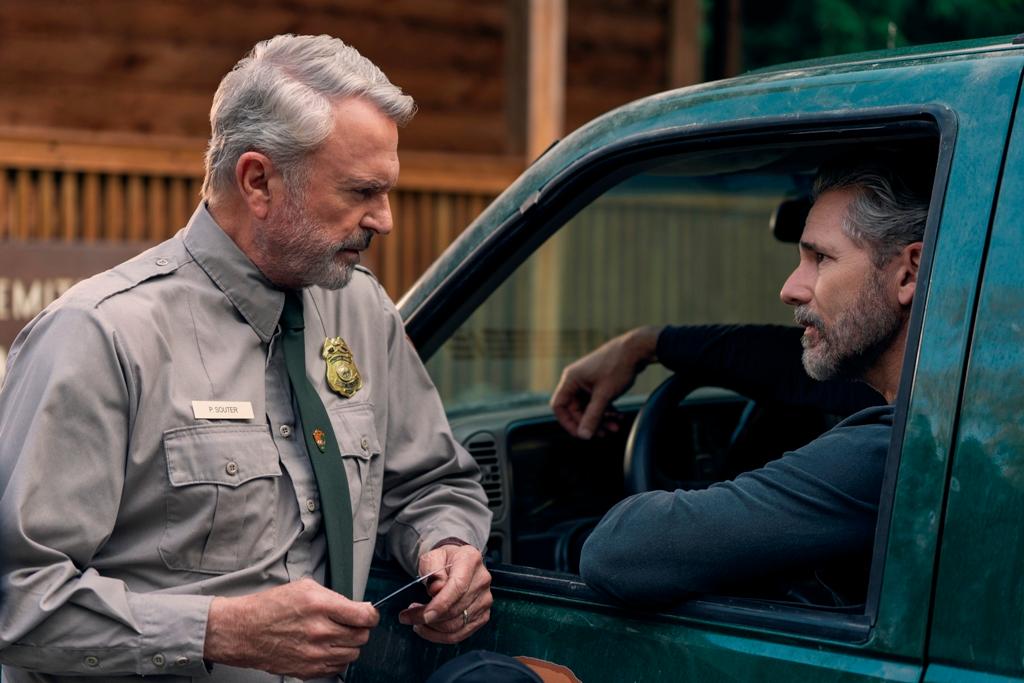
While he became instantly recognisable to millions as palaeontologist Dr Alan Grant in Jurassic Park (1993), his career defied easy definition. He was equally at home portraying kings, spies, scientists, villains, vampires, and ordinary men confronting extraordinary circumstances.

Part of New Zealand’s International Breakthrough
Born Nigel John Dermot Neill in Omagh, Northern Ireland, on Sept. 14, 1947, he emigrated to New Zealand as a child when his father, a British Army officer, was posted to Christchurch.Educated at Christ’s College before studying English literature at the University of Canterbury, he joined the New Zealand National Film Unit, where his interest in acting and filmmaking developed.
Neill emerged during a formative period for New Zealand cinema in the 1970s.
His performance helped announce both a significant new acting talent and the growing ambitions of the country’s film industry.
International audiences soon followed.
Acclaimed performances in My Brilliant Career (1979), opposite Judy Davis, and Andrzej Żuławski’s Possession (1981) established Neill as an actor of unusual range.
He later starred in The Hunt for Red October (1990), The Piano (1993), Event Horizon (1997), Bicentennial Man (1999), The Dish (2000), Peaky Blinders and Hunt for the Wilderpeople (2016), demonstrating a rare ability to move between commercial and artistic success.
Dancing with Dinosaurs
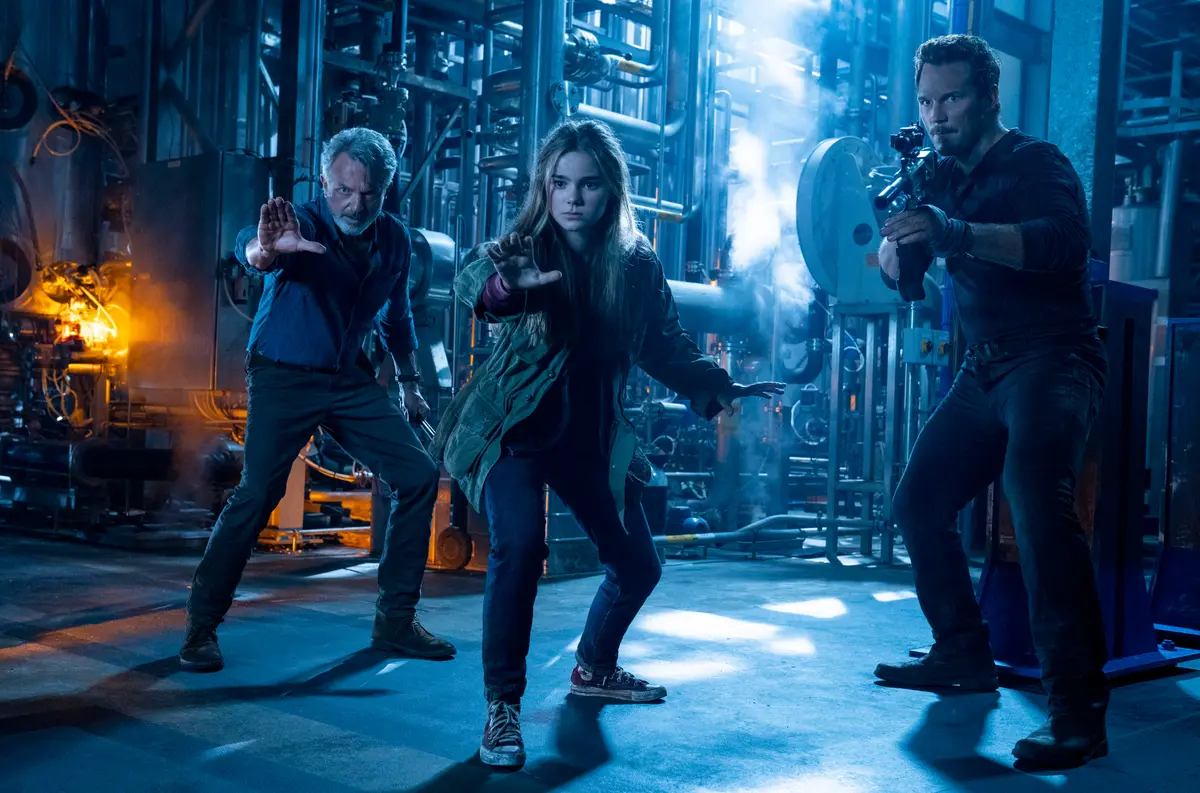
Yet it was Steven Spielberg’s Jurassic Park that made him a global star.Despite international success, Neill remained closely connected to New Zealand.
He frequently returned to work with local filmmakers, championed the country’s screen industry and became an enthusiastic ambassador for Central Otago through his winery.
Other Interests
He founded the Two Paddocks vineyard in 1993, the same year he starred in Jurassic Park, and by the time of his death had four vineyards scattered around the Otago region on the South Island of New Zealand.Typically self-effacing, he also once said, “If you’re making films in New Zealand, you can’t avoid the landscape. It’s certainly more handsome than I am.”
His social media presence, often featuring farm animals, vineyards and gentle humour, revealed a man more interested in life’s simple pleasures than in celebrity.
The book reflected on mortality, family, friendship and a career that had taken him around the world while remaining inextricably linked to the land of his birth. Readers responded to its honesty, wit and generosity of spirit.
He later spoke publicly about successful treatment while continuing to work extensively in film and television.
A Solid Professional
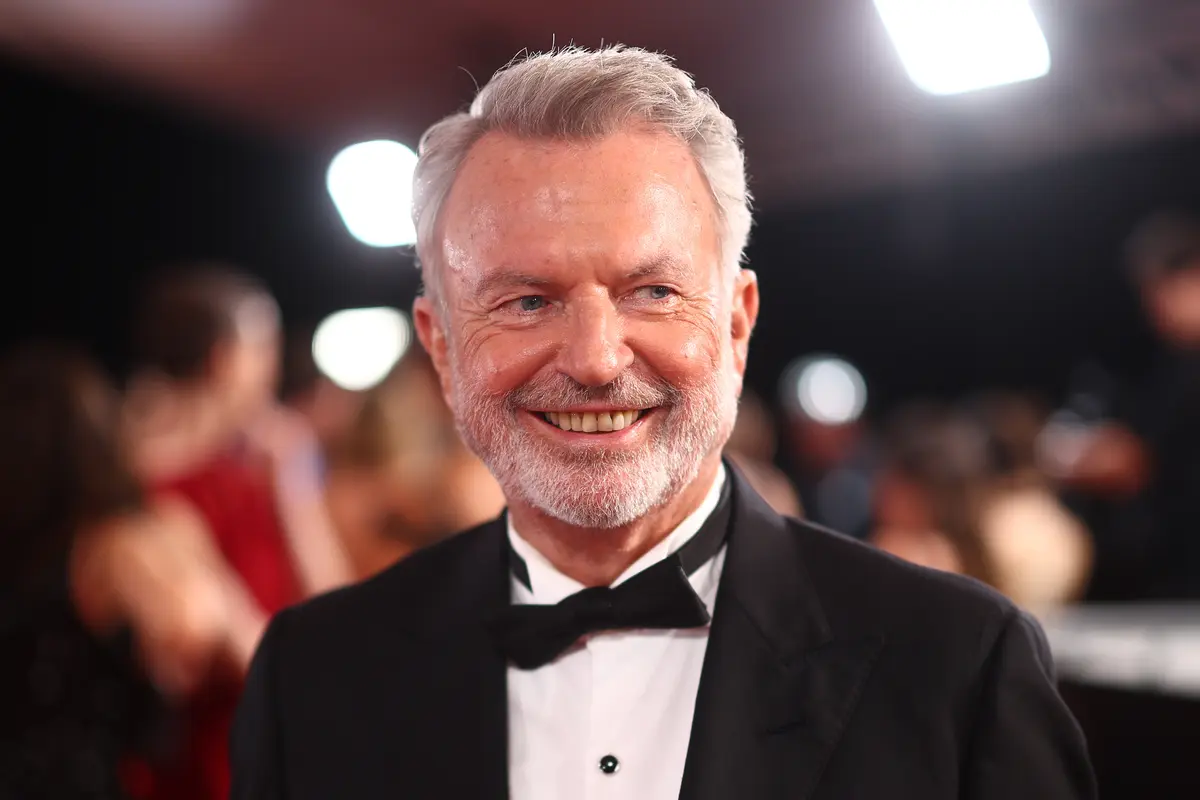
Neill’s contribution to New Zealand culture was recognised through numerous honours. He was appointed an Officer of the New Zealand Order of Merit in 1991 for services to acting and later elevated to Distinguished Companion in 2007. In 2022, following the restoration of titular honours, he accepted redesignation as a Knight Companion of the New Zealand Order of Merit, becoming Sir Sam Neill.Directors valued his ability to bring depth to almost any role, while younger actors found in him an encouraging mentor whose experience was matched by humility.
Few performers have represented New Zealand so successfully on the world stage while remaining so unmistakably themselves. Neill never cultivated the mystique of a Hollywood star. Instead, he projected an authenticity that transcended genres and generations, whether confronting dinosaurs, inhabiting Shakespearean courts or quietly tending vines in Central Otago.
He is survived by his children and grandchildren.
He once said, “I certainly don’t want to die playing a round of golf. And I don’t want to die like Elvis. That’s all they remember about him—the most beautiful man on the planet.”
He got his wish, passing from this world as he lived in it—with dignity and grace.