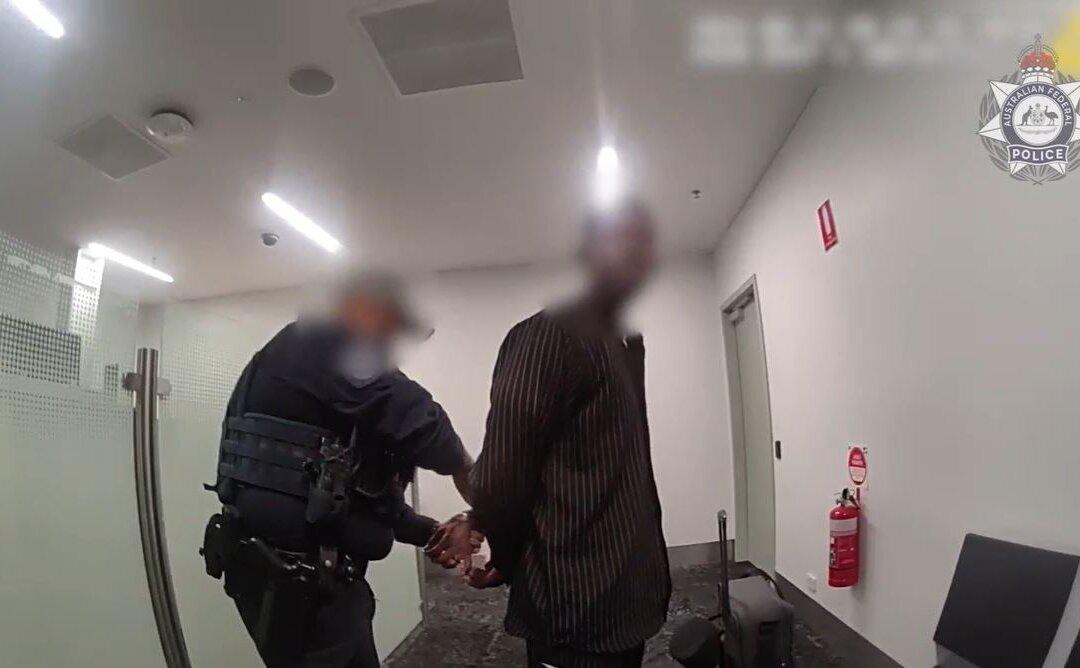
The number of people attempting to board domestic flights in Australia using false identification documents has increased this year, according to the Australian Federal Police (AFP), who warn that they'll be cracking down on the practice.
It is a criminal offence to board an aircraft using false details. This includes individuals who use another person’s boarding pass, purchase a ticket under another person’s name, or pay for a flight using a stolen credit card. The maximum penalty for these and related offences is 12 months imprisonment.
People used false identities to travel interstate for many reasons, the majority far from innocent, said AFP Commander Aviation Craig Bellis.
“There are members of the community who are not permitted to leave their respective states, for various reasons, and if these people are attempting to do so, they are breaking the law. This can be a deliberate attempt to conceal their identities to make it harder for authorities to identify those persons of interest in ongoing criminal investigations.
“That’s why it’s essential to know who is travelling on our domestic flights and where they are heading.”
The AFP has a presence at nine airports around the country: Adelaide, Brisbane, Cairns, Canberra, Darwin, Gold Coast, Melbourne, Perth and Sydney. This includes patrols by officers who work closely with airport security teams to identify people suspected of travelling under false identities.
In January this year, a Brisbane man was charged after he allegedly made a threatening statement while onboard an aircraft at Sydney Airport. Police were called, and they subsequently found the man was travelling under a false name.
In February, attempting to pay for excess baggage using a credit card with a different name from that on his boarding pass led the AFP to investigate a man who was later charged with money laundering after approximately $1.1 million in cash was found in his suitcase at Perth Airport.
Bellis said the AFP would continue to work closely with partners inside the airport precinct to ensure travellers abided by Australian laws. He also encouraged airport staff and members of the public to report any suspicious activity they may observe.
“Passengers can find AFP officers on-site at all designated Australian airports, working closely with airport security teams,” he said.
People can also call the AFP’s Airport Watch on 131 AFP (131 237).
Behaviours to report include taking photos of security cameras, screening, or perimeter fencing; avoiding screening; leaving bags unattended; attempting to conceal their identity; and exhibiting erratic behaviour.