The new Australian Federal Police (AFP) Commissioner Krissy Barrett has told a Senate Estimates Committee the agency will refocus towards hybrid threats that encompass national security issues.
She said traditionally the AFP was focused on activities linked to illicit commodities like cocaine, methamphetamine or heroin, but noted this could “no longer solely determine AFP investigations.”
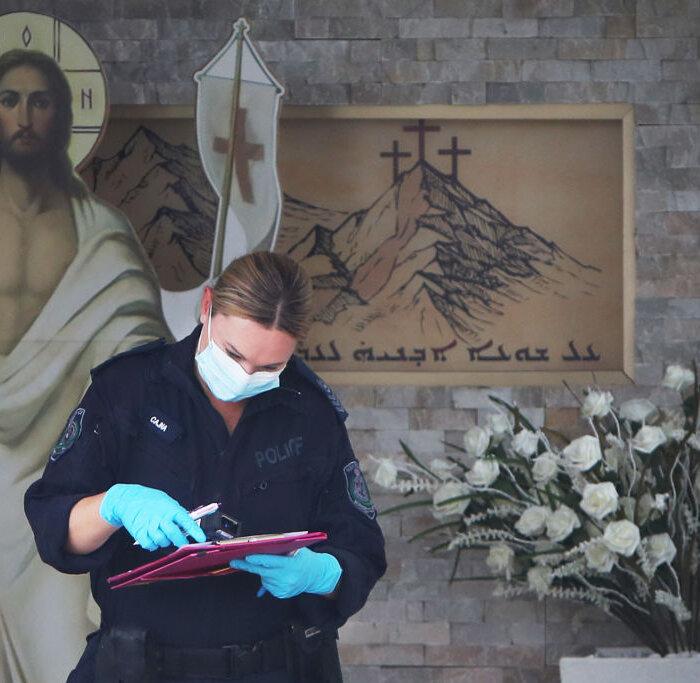
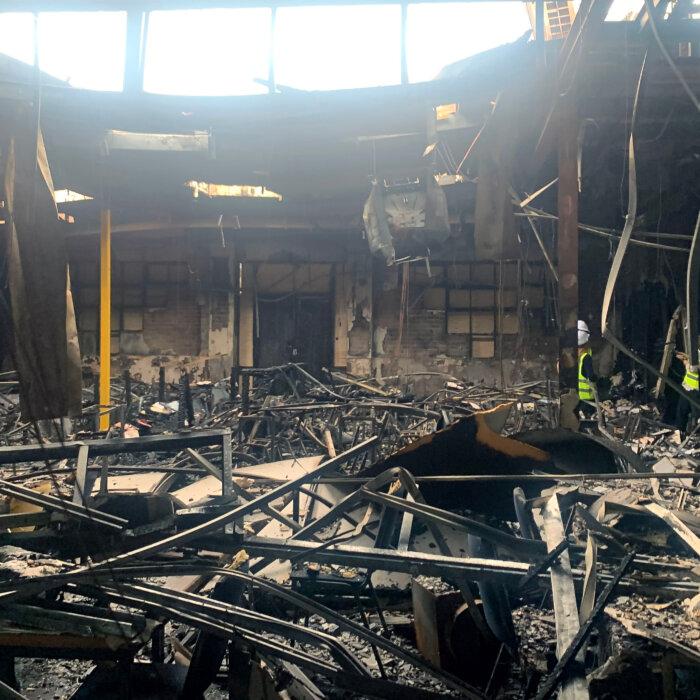
“For example, an individual we suspect is responsible for a number of tobacco-related arsons in Australia is a person of interest in the investigation into the alleged politically-motivated arson attack on the Adass Israel Synagogue,” she said.
“[He] has used illicit tobacco and other crimes in Australia to build his illegal wealth and a network of Australian criminals. He is a national security threat to this country. That means the AFP will target him and his associated criminals and illicit tobacco traffickers.
“It does not mean the AFP will get involved in every illicit tobacco crime, but where the commodity, an individual or a group is a threat to national security, we will take action.”
Barratt, who stepped into the top job only last week, presented a list of her priorities, which include “defending Australia’s domestic security and our region,” covering investigations, aviation, and AUKUS.
“We will not be siloed as an agency. Traditional crime types are overlapping, and criminal lines are blurring,” Barrett said.
In future, the AFP will “ensure we attack the threat at its core,” Barrett said.
Global operations would be “supercharged,” she told senators, with the AFP’s resources and access offshore being used in “disrupting threats before they reach our borders.”
The AFP will focus on protecting “vulnerable communities,” which Barrett said included “children who should be able to live free from child exploitation and sextortion, and youth who are being radicalised online by terrorist or state actors,” along with victims of forced marriage or forced labour.
“Protecting our future prosperity goes to the welfare of our next generation,” she said. “Also, this is not just about stopping criminals who are targeting Australia from a distance. This is ensuring we prioritise our social cohesion and are nimble in how we respond to those who are willing to damage our social fabric and create hatred, division and violence targeted at marginalised communities.”
The agency would prioritise investment in technology, including artificial intelligence and “big data” management tools, Barrett said.
“Science is one of the strongest weapons we have, and our forensic capability gives the AFP an edge against criminality. Where others see nothing, forensics sees possibility. Where criminals think they’ve left no trail, forensics uncover the truth.”
“It has never been more important that the AFP maintains trust with the communities we serve, and this includes offering public reassurance in a world that is becoming more unpredictable,” Barrett concluded.