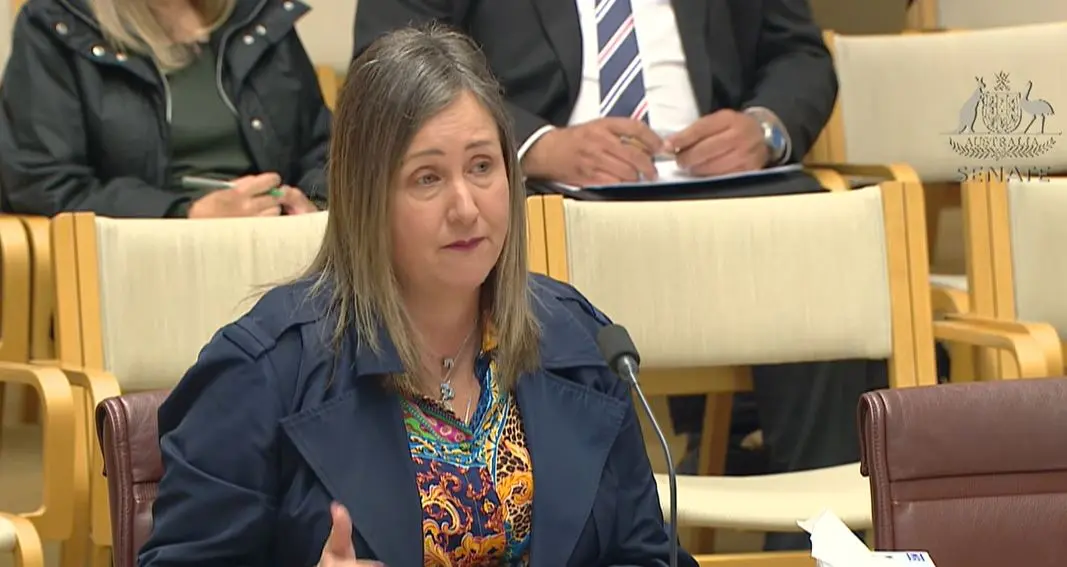
Energy companies will be required to set aside a fifth of their gas production for the domestic market from July next year, Energy Minister Chris Bowen has announced.
The move will affect new contracts and the spot market.
But Bowen emphasised that the government did not intend to disrupt existing contracts, which currently account for 70 to 80 percent of gas produced.
“Australia has been the only gas exporting country in the world without some form of reservation. That changes under the Albanese government,” he said.
“[But] we will not disturb any existing contracts. We have consulted closely and worked closely with trading partners to ensure that it’s well understood around the world that Australia will always be a reliable supplier of energy, but ... with Australian needs being met.”
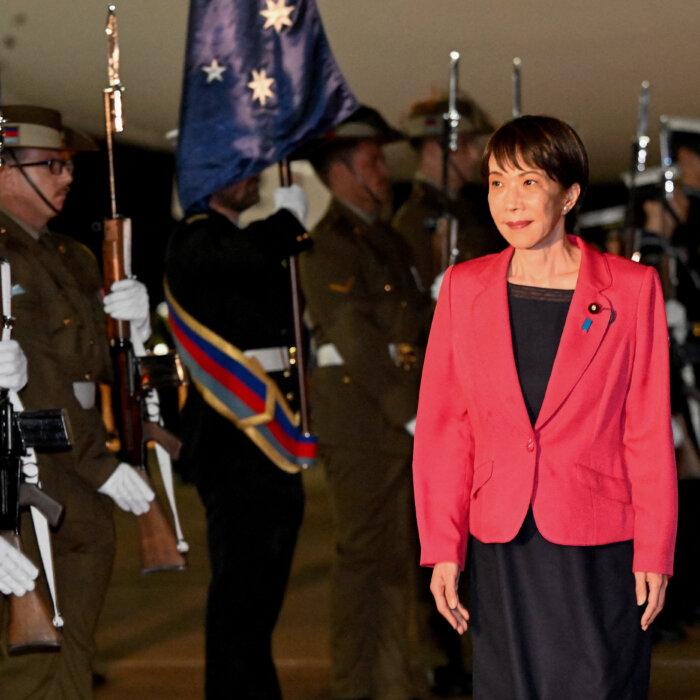
King said the policy is aimed at keeping more Australian gas onshore to boost supply and drive down prices.
Resource Tax Not on the Agenda
The government’s move comes amid a push for a 25 percent tax on gas export revenue, which producers have stridently opposed and which the Cabinet has resisted.“This is a carefully calibrated model which ensures that Australia’s national best interests are put first,” Bowen said at a press conference announcing the policy.
“Those shortages have been moving further away under this government and getting smaller, but they still exist,” he said.
“This policy ... will see them dealt with. It will ensure a modest oversupply [for] Australian use, which will ensure downward pressure on prices but, even more importantly, provide that certainty of access to Australian heavy industry, to Australian homes that still use gas for home heating, and for the support that gas-fired power stations provide for renewables.”
Bowen acknowledged that as batteries and renewable energy replace gas, gas use is declining, with the first quarter of 2026 seeing the lowest use in 26 years, but said that it remains important during the transition to renewables.
End of the Gas Industry, Commentator Predicts
Executive director of the Australian Institute for Progress, Graham Young, said in a post on social media the decision would harm the gas industry, “but not before he gets some electoral benefit from cheaper gas prices in Victoria and New South Wales, which have both massively mishandled their gas industries. This will cost Queensland and the federal budget.“Cheaper gas, and constant changing of rules and threatening the legitimacy of an industry doesn’t mean more gas in the long run, it means less gas,” Young said. “We won’t get new industries out of this, because no one would risk a large long-term capital investment under these conditions, and the gas industry will contract.”
But Bowen told reporters that people had made similar claims when Western Australia introduced its own gas reservation policy in 2008.
“People said it will be the end of gas in Western Australia,” he said. “I’m not sure that has turned out in Western Australia, and that’s not how it’s going to turn out here.”