Australia and Fiji have signed a landmark mutual defence pact to counteract any “common danger” in the region.
The deal is similar to the one struck in October last year with the other larger Pacific nation Papua New Guinea. Australia maintains mutual defence pacts with only New Zealand, the United States, and now the two Pacific nations.
Other Pacific countries will also be welcomed to join the newly signed Ocean of Peace Alliance and Vuvale Union.
According to Article 5, as reported in media, “In the event of a security-related development that threatens the sovereignty, peace or stability of a Party [country], the Parties shall consult at the request of any Party and consider whether any measures should be taken in relation to the threat.”
Article 6 states that “each party recognises that an armed attack on any of the Parties within the Pacific would be dangerous to each other’s peace and security as well as the security of the Pacific, and declares that it would act to meet the common danger, in accordance with its domestic processes.”
It further contains a clause that by unanimous consent, Australia or Fiji can “invite any other Pacific state in a position to further the purposes and principles of this treaty and to contribute to the security of the Pacific.”
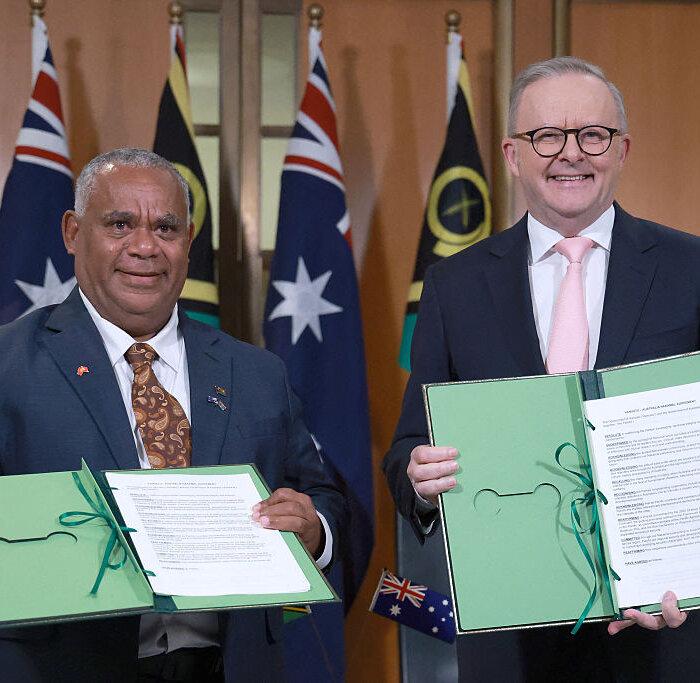
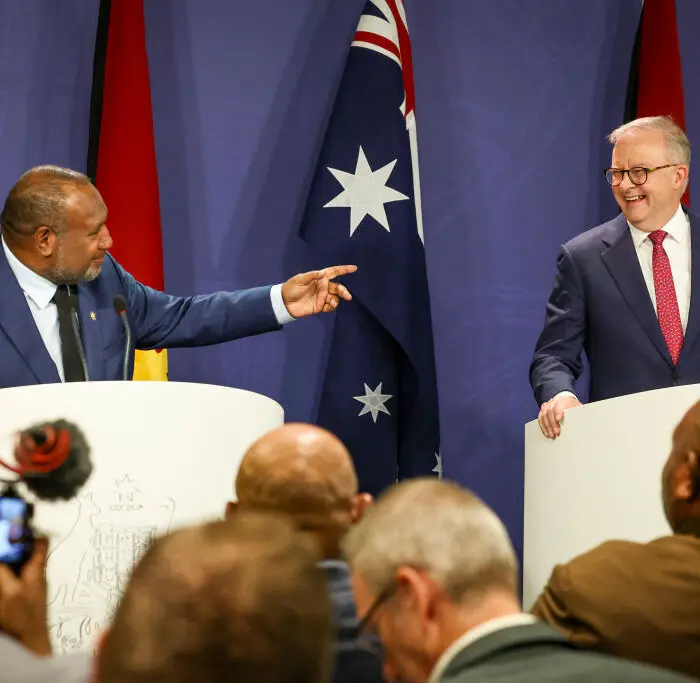
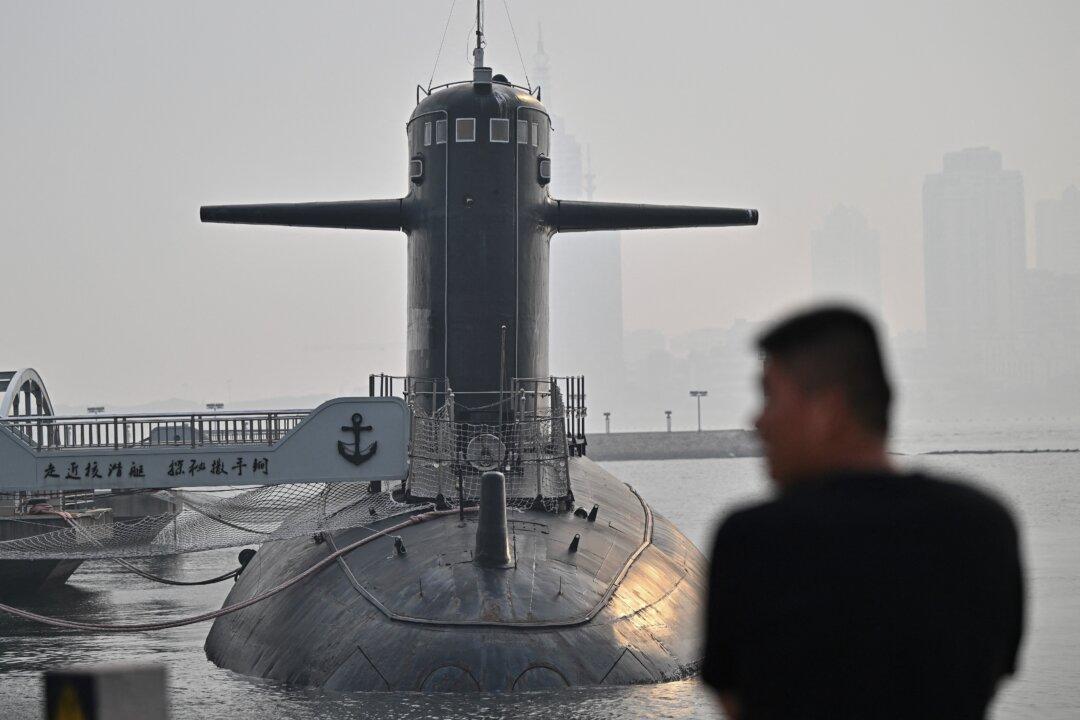
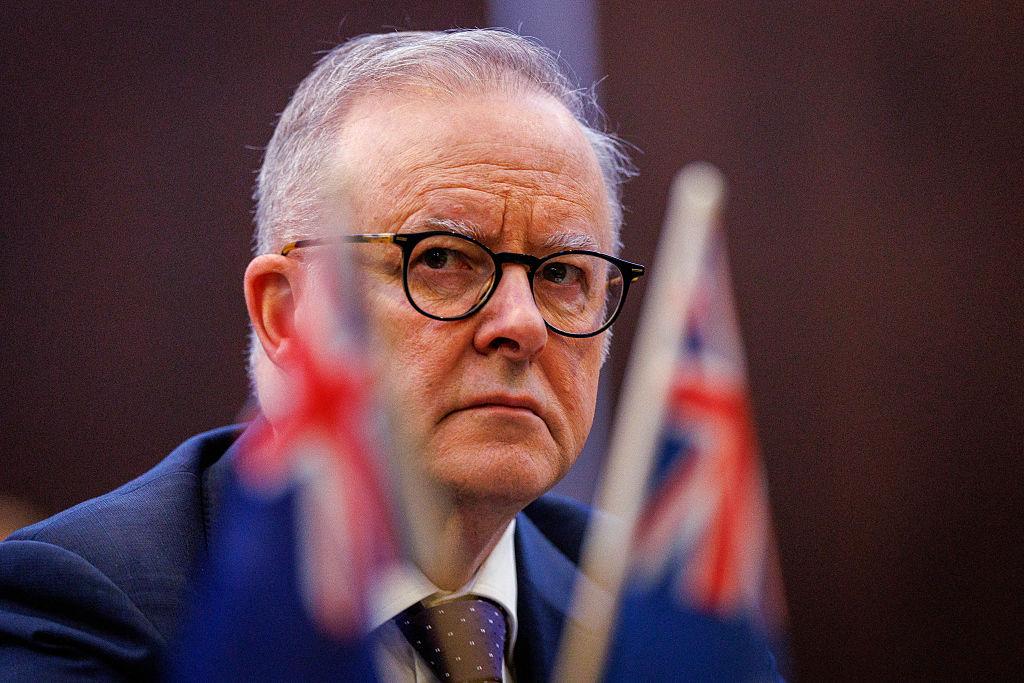
The deal was signed off as Prime Minister Anthony Albanese embarks on a three-day tour of Pacific Island nations with an eye on tightening defence arrangements amid ongoing incursion by the Chinese Communist Party (CCP), which is offering aid, “police” training, or development funds via the Belt and Road Initiative.
Just last week, Albanese inked the “Nakamal” deal with Vanuatu, which pledges not to allow any foreign military bases on the Pacific country’s territory, and follows arrangements with Papua New Guinea, Tuvalu, and Nauru.
The latter two country’s deals effectively give Australia “veto” power over any proposition from the CCP or a third country to set up their own security arrangement.
Prime Ministers’ Comments
On the latest deal, Fijian Prime Minister Sitiveni Rabuka said, “These instruments formalise a comprehensive and enduring framework, anchored on three central pillars: deeper security cooperation, enhanced economic enter and resilience, and strengthen people to people connection.”Rabuka also told media that Australia had already committed $180 million (US$125 million) to new investments in Fiji since 2023.
Prime Minister Albanese called it “one of the most significant endeavours Australia has ever undertaken” with any other country.
“They reflect our proud history of standing shoulder to shoulder to support each other and our region,” he said
The Cost to Taxpayers
While the deals have been significant, they do come at a cost to Australian taxpayers in the volume of aid distributed to the region (about $2.2 billion), and also depend on the willingness of the Pacific nation to choose between Australia and the CCP.The Nakamal deal comes with a reported price tag of $500 million to Australian taxpayers and fell short of giving the country complete “veto” power over Vanuatu’s future defence arrangements.
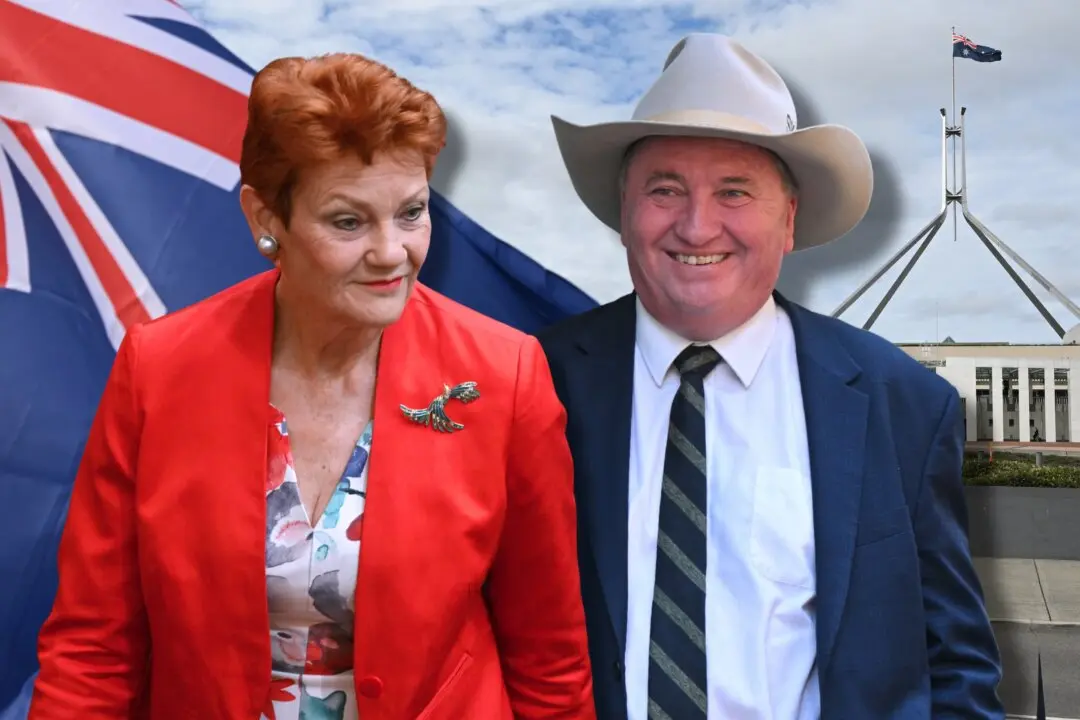
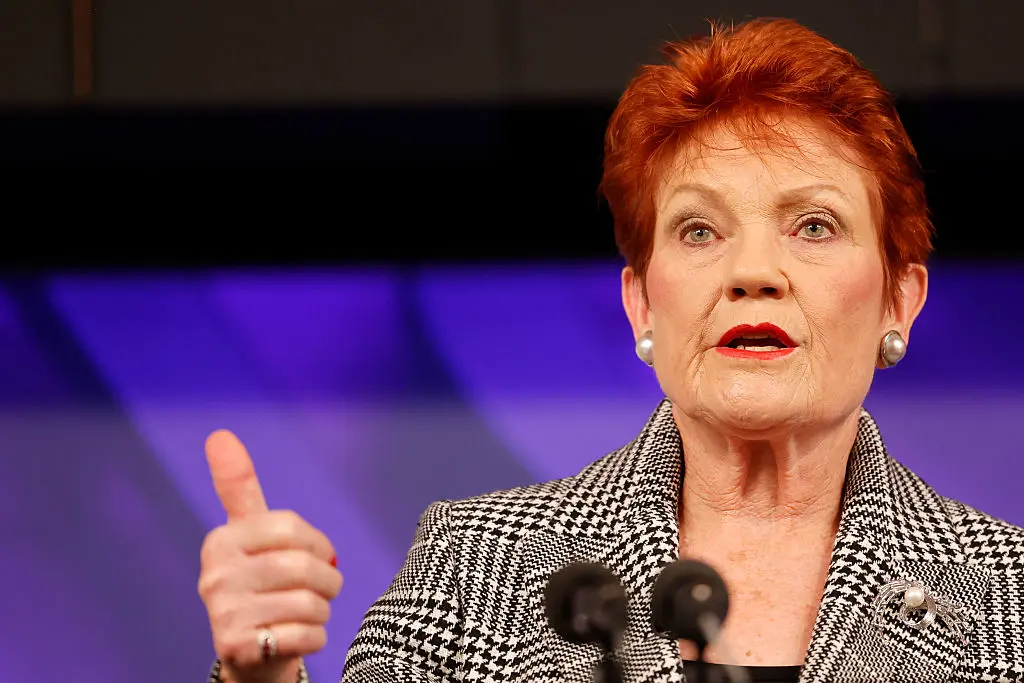
Yet, it’s a position that conservative-leaning One Nation Leader Pauline Hanson has criticised.
“The amount of money that we’ve helped with our Pacific partners ... only to still allow the Chinese to come in there with their Belt and Road project ... that’s like they’ve [the Pacific] said to us, ‘Up you, we’re actually going to take the Chinese and have them here,’” Hanson said.