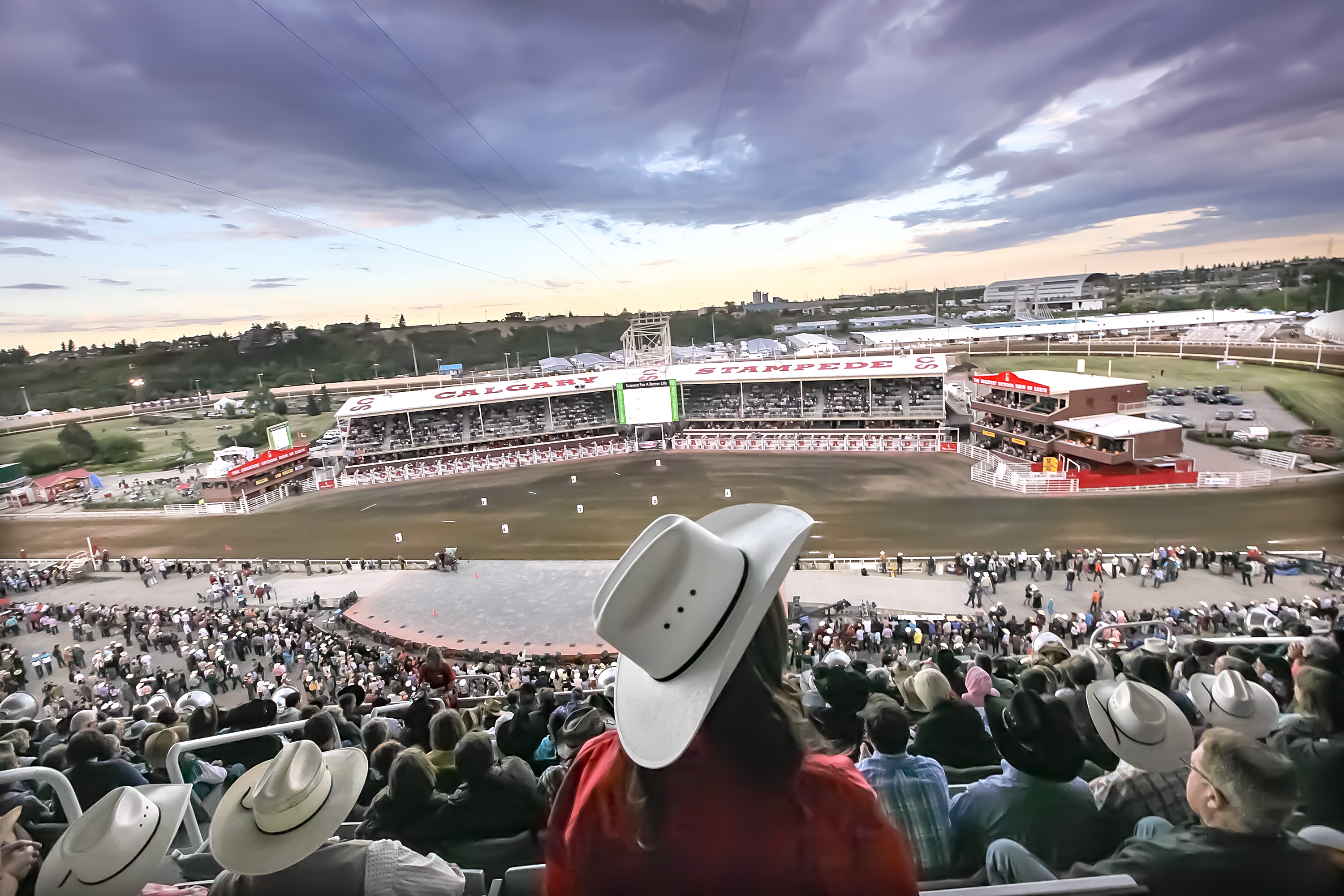
CALGARY—On a main street in Alberta’s largest city, flags bearing the symbols of the Calgary Stampede go up each year in mid-May. They feature the renowned festival’s initials alongside silhouettes of cowboys, chuckwagon riders, and other classic Stampede figures, in white and set against a bold red background.
Soon, those quiet markers will be joined by decorations across downtown and beyond, as Calgary prepares for the return of the Stampede—billed as “The Greatest Outdoor Show on Earth”—on the first Friday of July.
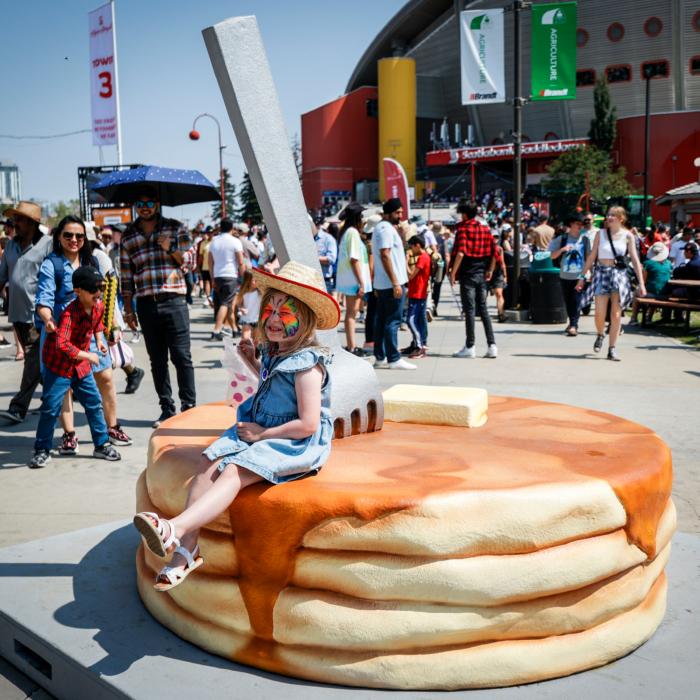
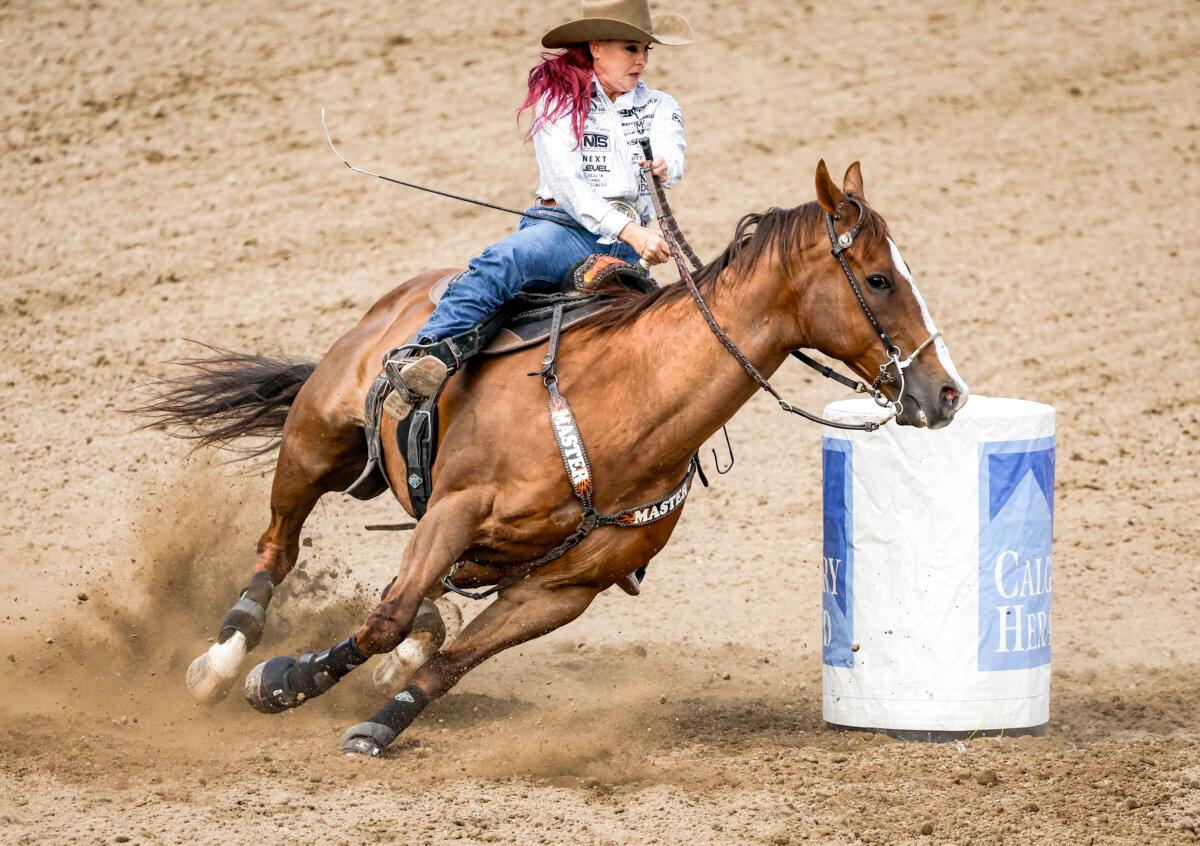
For more than a century, the Calgary Stampede has drawn crowds from across Canada and abroad, offering a showcase of the ranching and agricultural roots that helped shape Alberta. While its appeal includes free community breakfasts, live music, one of the world’s largest rodeos, and adrenaline-fuelled events like chuckwagon races, there is more to the 10-day festival than meets the eye.
The ‘Autonomous’ Cowboy
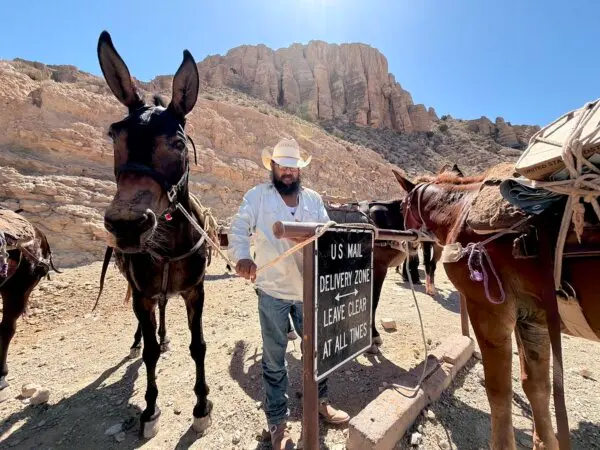
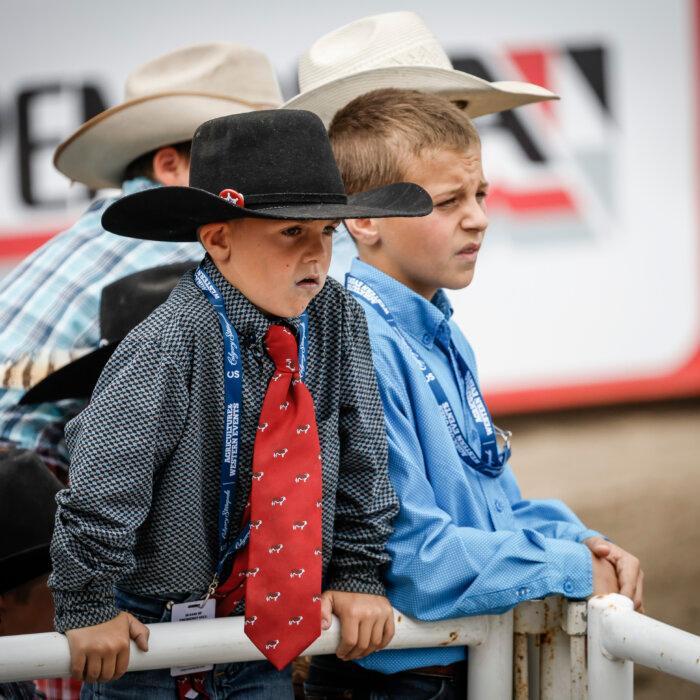
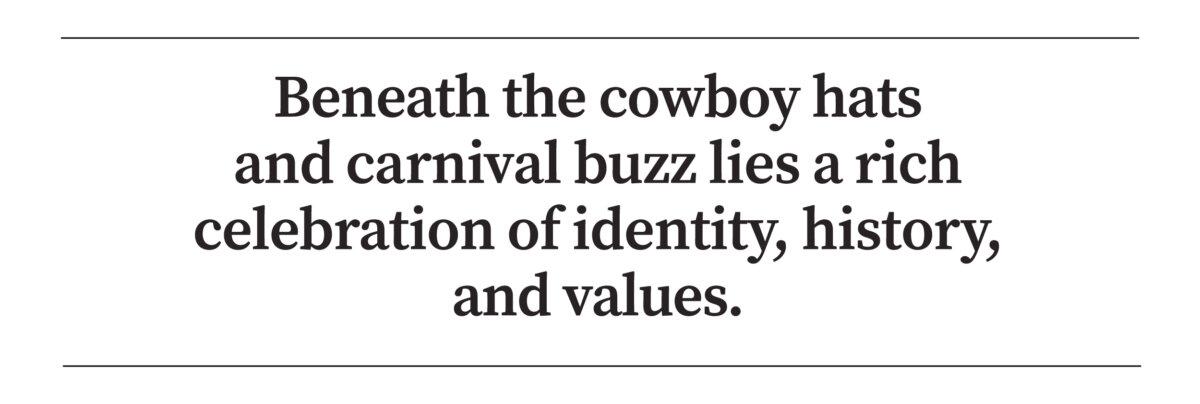
For Marco Navarro-Génie, president of the Haultain Research Institute, the Stampede is a “re-articulation” of Alberta’s long-standing values.He says the 10-day event reflects qualities such as resilience, entrepreneurship, and autonomy, all embodied by the cowboy, a central figure in both the province’s early ranching communities and the Stampede itself.
“Cowboys are pretty much sort of autonomous individuals. This is not just a movie cliché—this is who they are,” he told The Epoch Times. “These are people who live in the outdoors, exposed to the elements. They are pretty resilient individuals.”
Although the Stampede grounds were left under water, a spontaneous volunteer effort that led the cleanup enabled the event to proceed as scheduled.
Tanya Fir, Alberta’s minister of arts, culture and status of women, says Albertans have a “strong ‘get ‘er done’ spirit and a deep sense of community” that shines through during the Stampede.
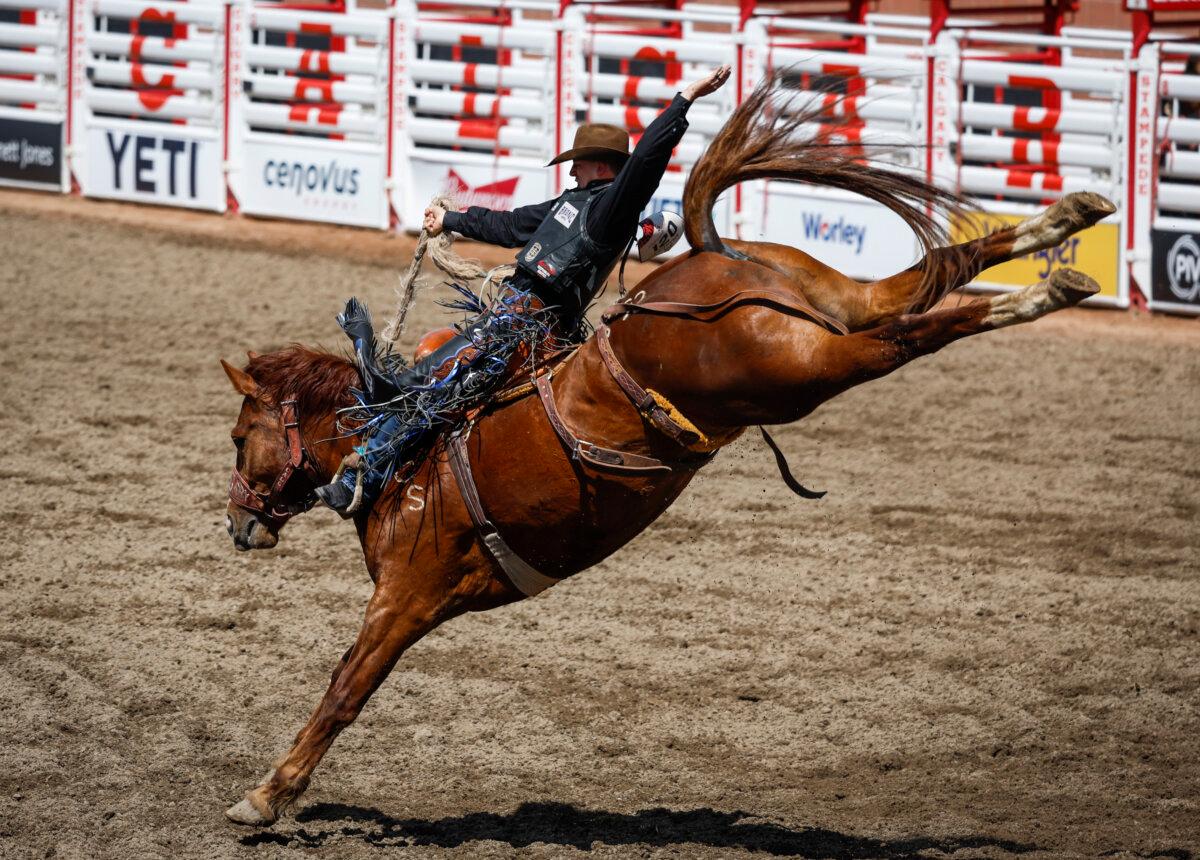
“We look out for our neighbours and never hesitate to lend a hand. These values are at the heart of what it means to be both Albertan and Canadian,” she told The Epoch Times in a statement.
“Every July, the Calgary Stampede sets the stage for that vibrant spirit to come alive, drawing in visitors from across the country and around the world to experience it firsthand.”
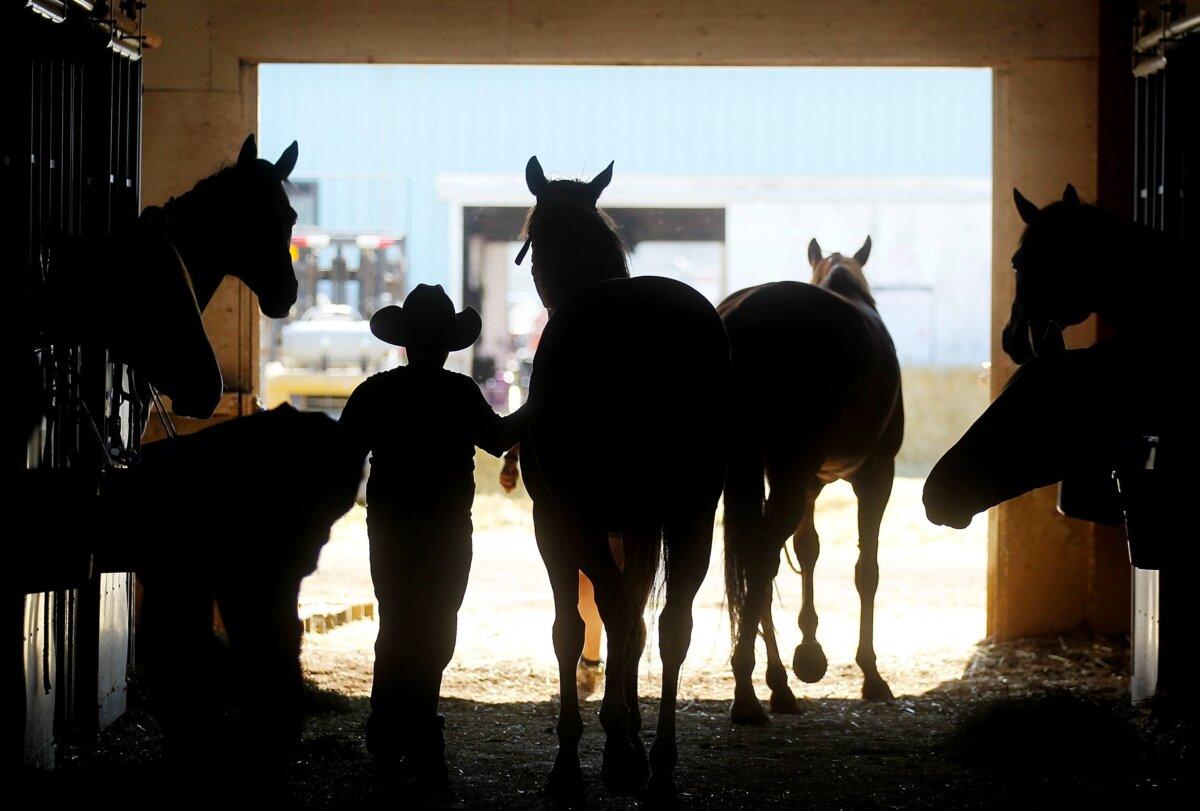
An Expression of Liberty
But the Stampede also expresses other aspects of Albertans’ identity, such as their cultural attitude and political association, says John von Heyking, political science professor at the University of Lethbridge.“[The Stampede] captures a sort of social and even political spirit of the place that admires liberty and even equality, which are the two big ones for liberal democracy,” he told The Epoch Times.
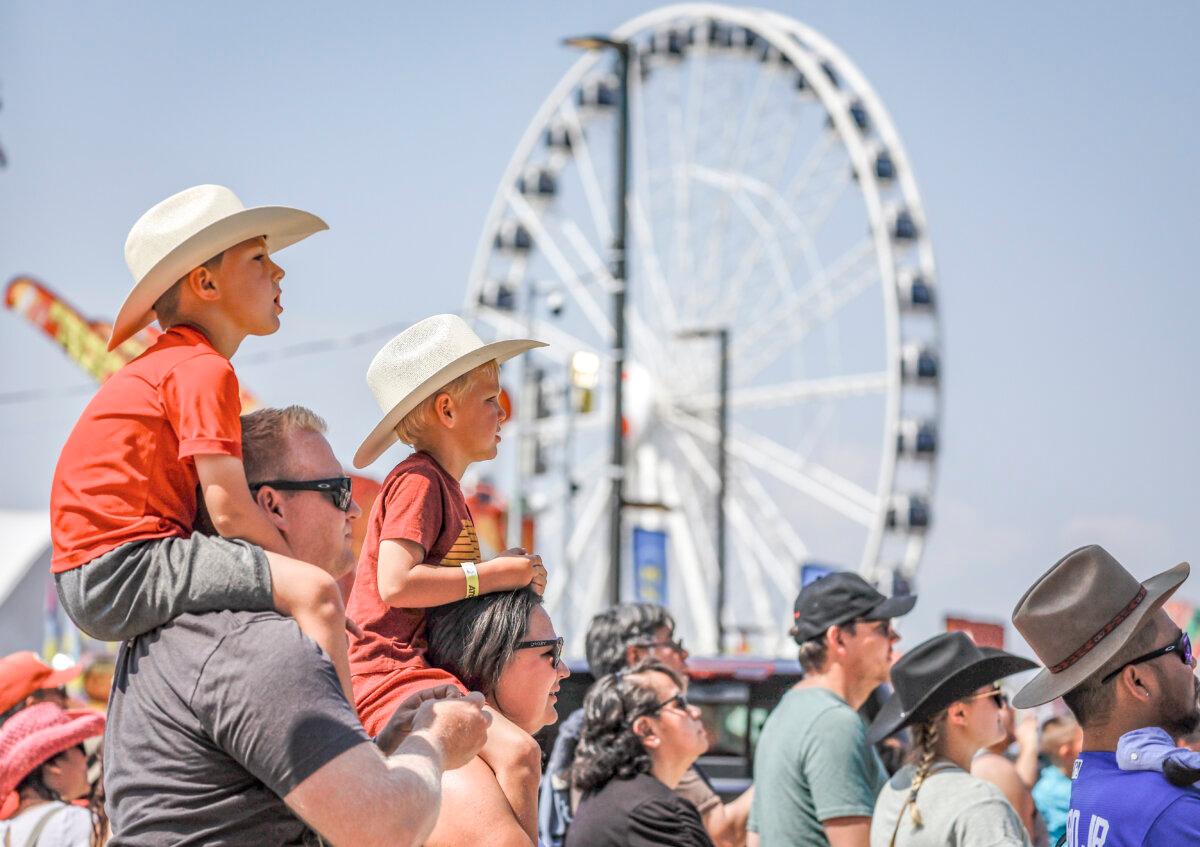
He says liberty is reflected in the event’s exuberance and in the way people pause their routines to join the celebration, most notably by watching the Stampede Parade, which marks the festival’s official kickoff. The parade moves through downtown Calgary and features floats, horses, and marching bands.“People just stop working. They go to the office windows and they watch,” von Heyking said.
“So time kind of stops, and it does so as an emblem that there is more to life than making the buck, and more to life than mere economics, but that human beings are free, and they express that freedom in many ways, of course, [including] through festivity.”
A Welcoming Spirit
The virtue of equality, meanwhile, is reflected in the Stampede’s welcoming atmosphere for people of all backgrounds, von Heyking said. As Alberta’s population grows and becomes more multicultural, he notes that new Albertans are often eager to take part in the celebration.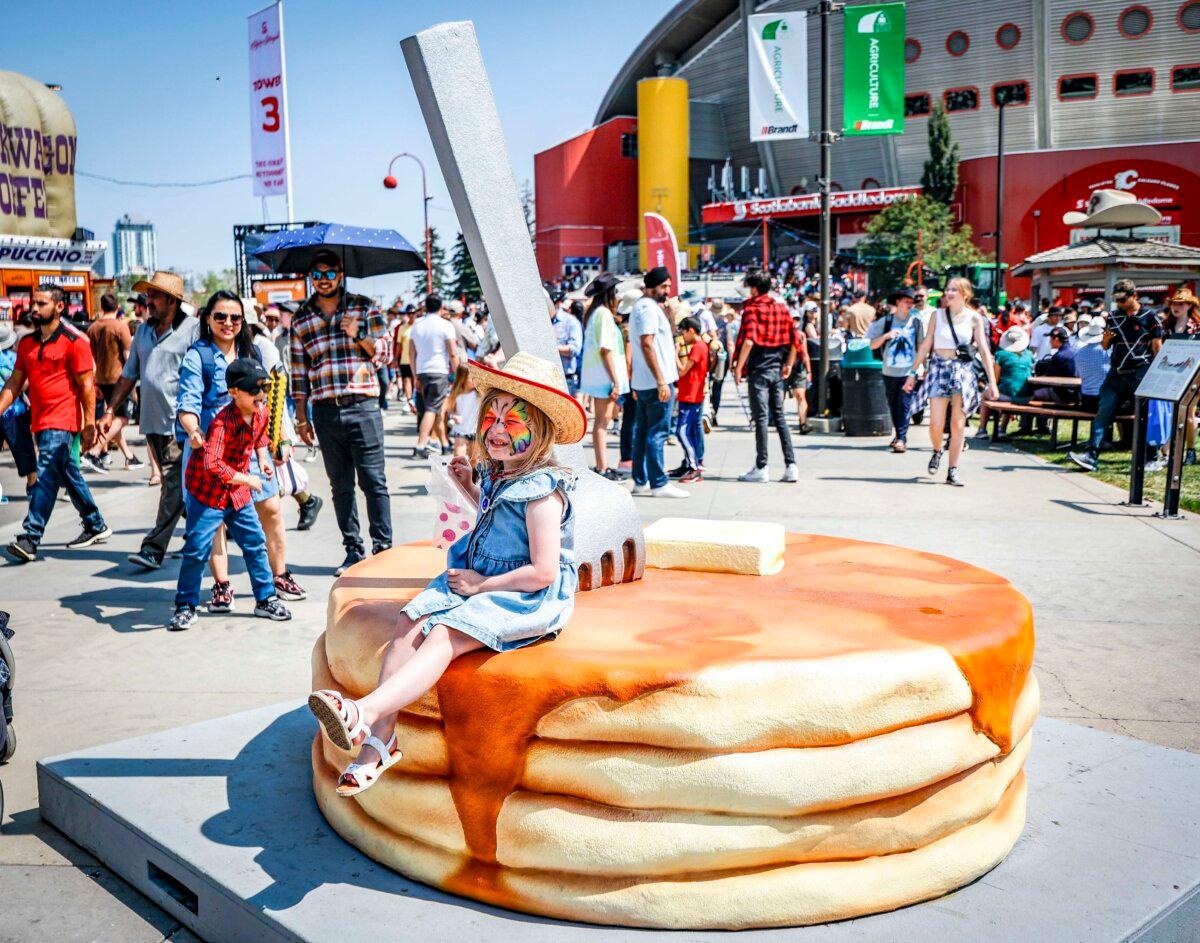
“There is a kind of expression of solidarity or community that gets expressed in that ritual of partaking in the various festivities of the Stampede.”
Navarro-Génie says the Stampede’s welcoming spirit reflects a core Albertan value: a strong sense of community.
“There is a communitarian aspect to it—the free stampede breakfasts and the free barbecues, and lots of people come and no one cares where you are from,” he said.
“People just come and participate and partake in the sharing of these things, and so that has an aspect of the same kind of mentality in the culture, which is actually pretty inclusive, if you think about it.”
‘Promise of Life in the Frontier’
Barry Cooper, professor of political science at the University of Calgary, says Alberta’s history and major economic activities such as the oil sector play a large part in defining its identity.“Historically, the major economic activity in this part of the country has been agricultural, and then after World War II, it has been focused on oil and gas, and that is simply not true in other parts of the country,” he told The Epoch Times.
He adds that each province has its own distinct economic drivers. In Saskatchewan, mining and agriculture have shaped much of the province’s way of life, just as forestry and wood-related industries have in British Columbia.
“Historically, cowboys have been part of Alberta’s history, and for some reason, there seems to be continuity between large ranches and oil and gas,” Cooper said. “Oil and cowboys go together in Texas too, and that is part of the myth of what it is to be a real Albertan.”
Cooper, whose parents, grandparents, and great-grandparents made their living as ranchers in Alberta, says the Stampede serves as a reminder of the “social stability” that ranching communities once provided in southern Alberta.
And while the Stampede celebrates Western heritage, its appeal extends beyond the Prairies, says von Keyking, as its values continue to resonate with people far removed from ranching culture.
“There is a kind of nostalgia or romanticism, even amongst jaded urban Ontarians or jaded Vancouverites, for the kind of freedom that the myth of the cowboy expresses in the West,” he said.
“There is a kind of promise of life in the frontier.”