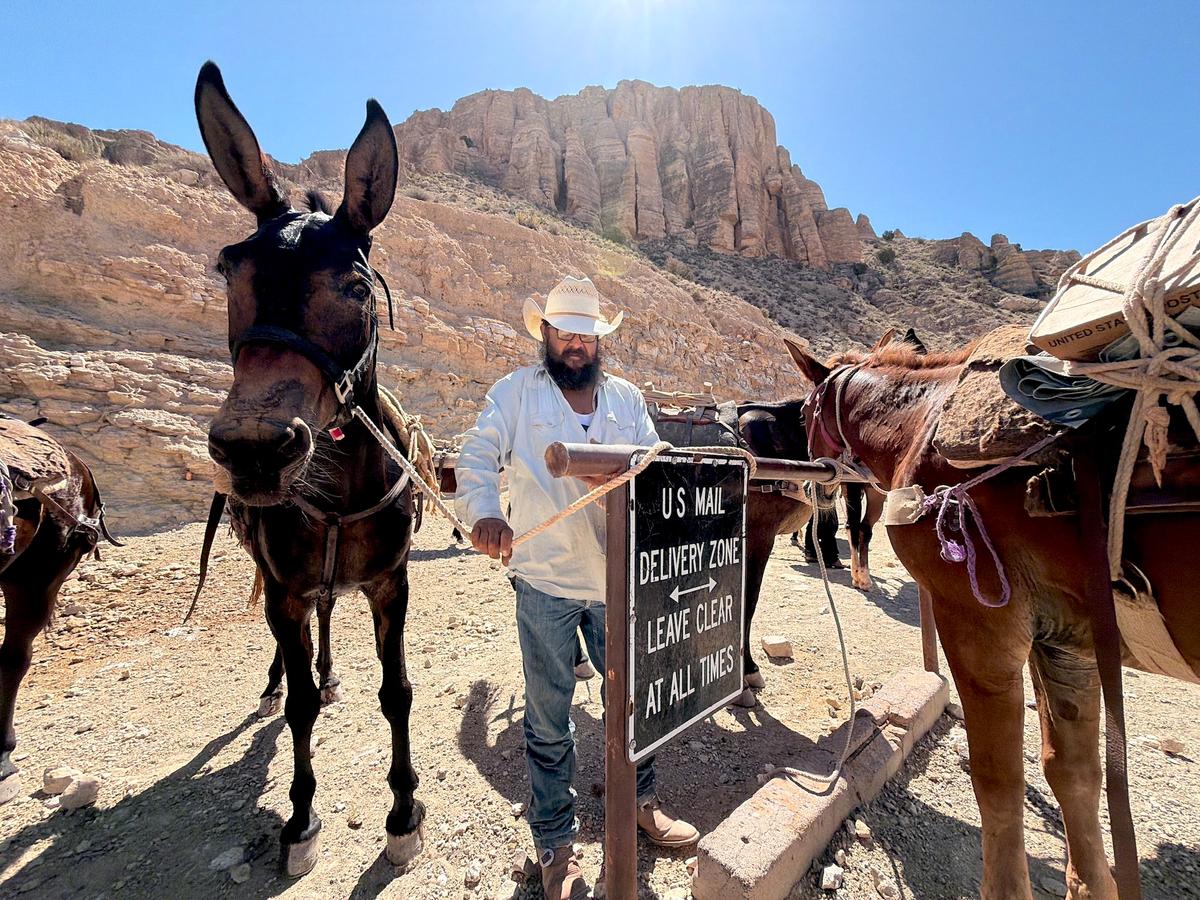
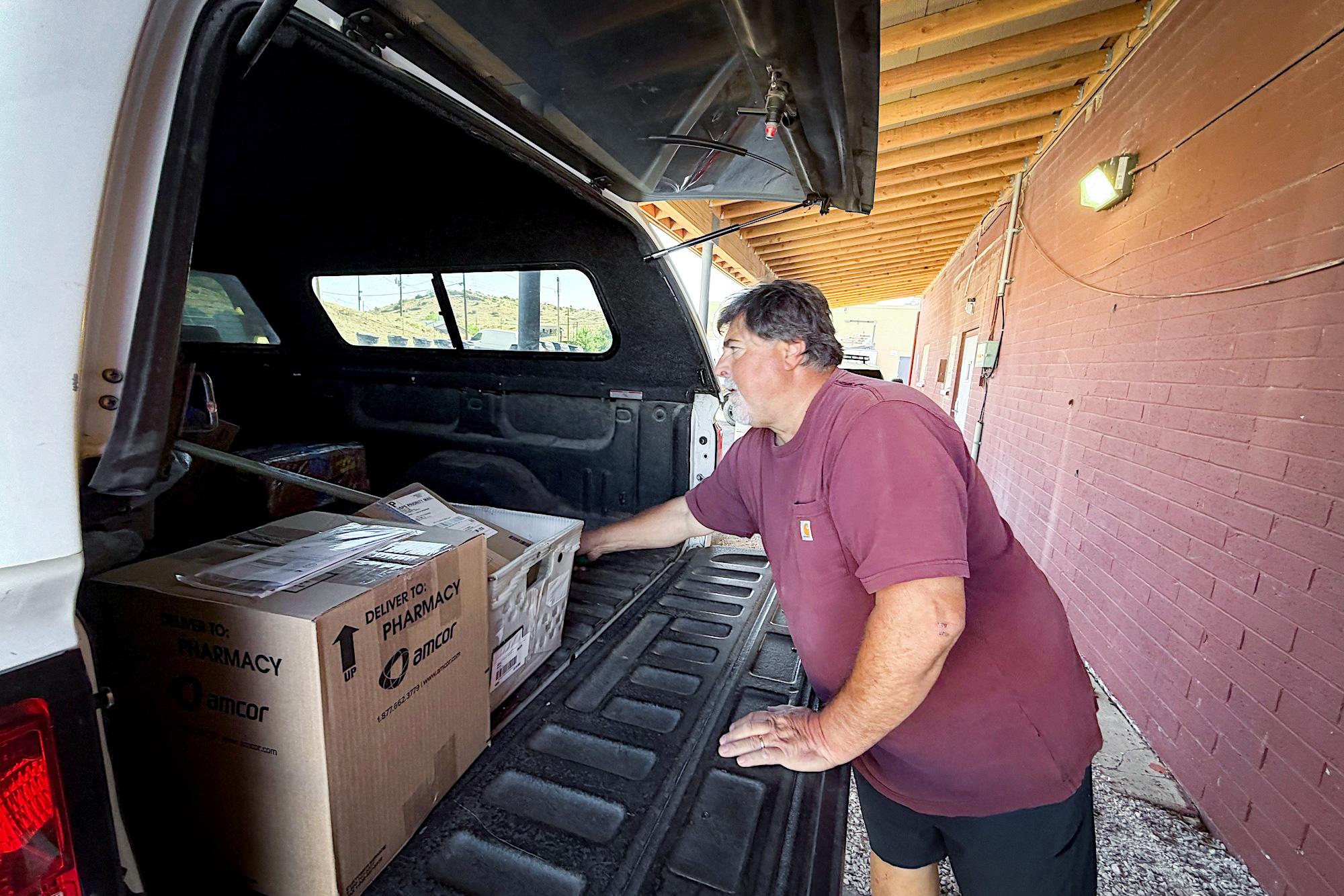
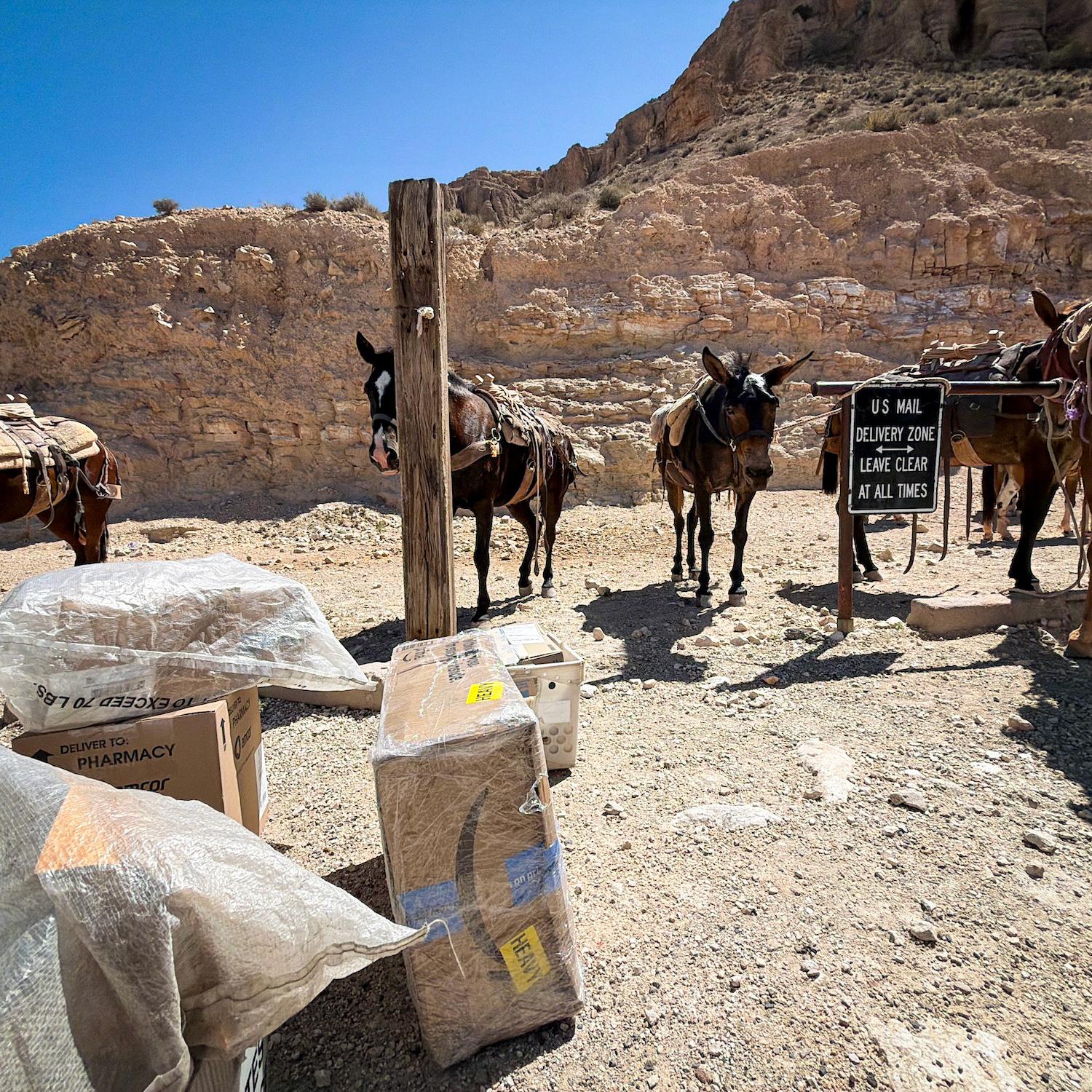
PEACH SPRINGS, Ariz.—The cardboard box marked “Deliver to Pharmacy” was the first to go into the saddle pack.
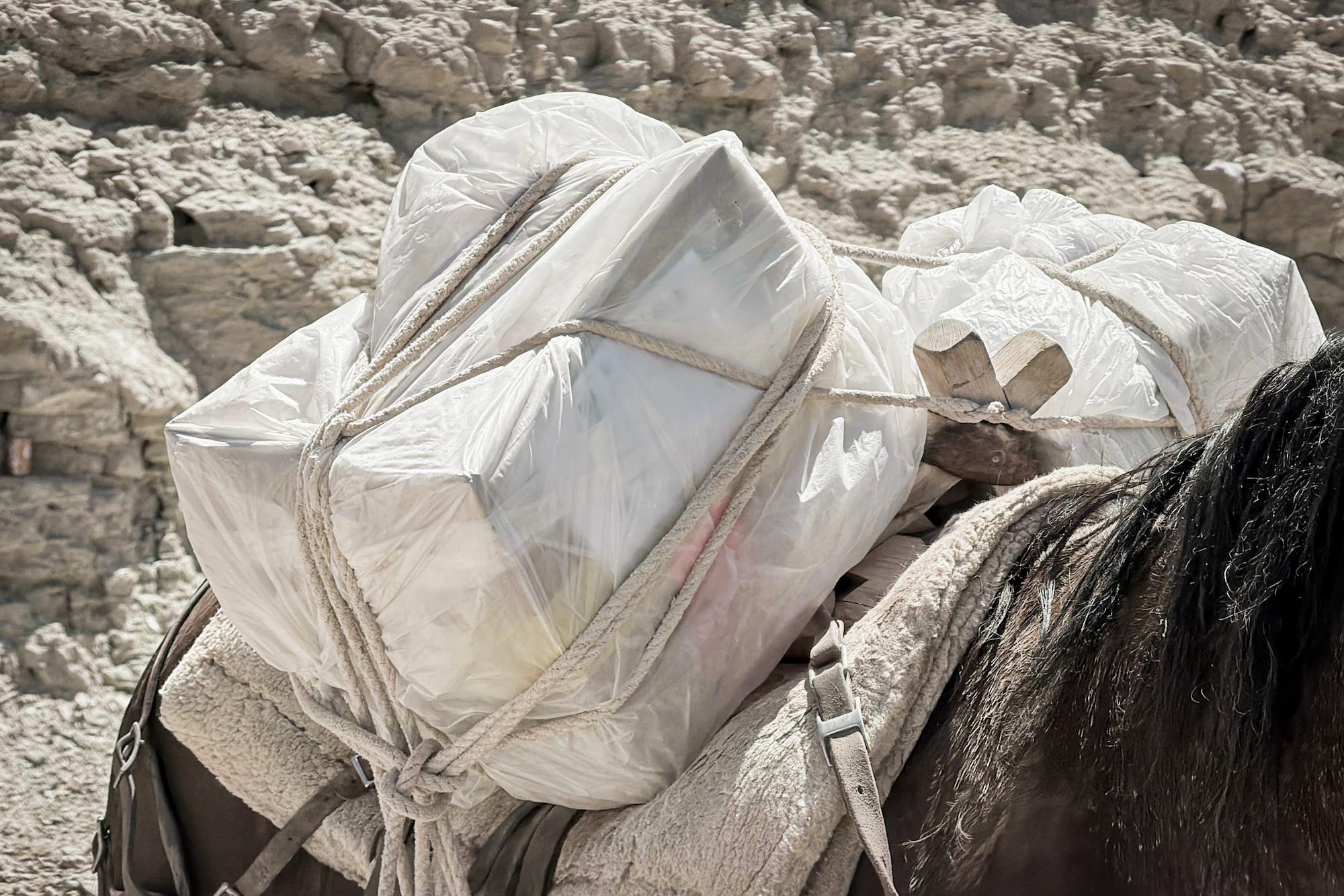
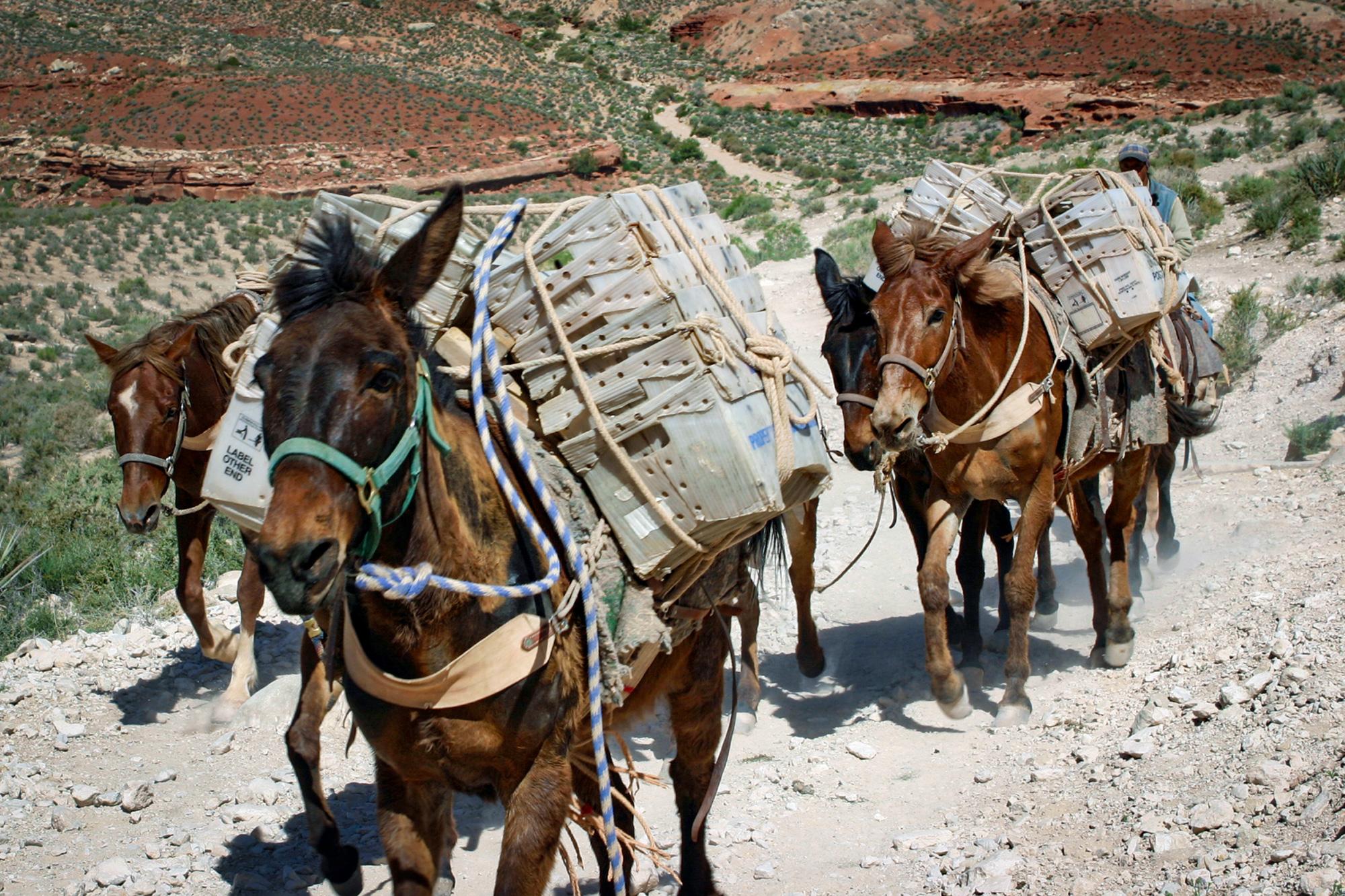
Nathan Chamberlain, 47, deftly lashed it down with rope as though he were tying down a steer.
There was no chance the box was going to tumble off the mule saddle during the eight-mile descent over some of the roughest terrain imaginable.
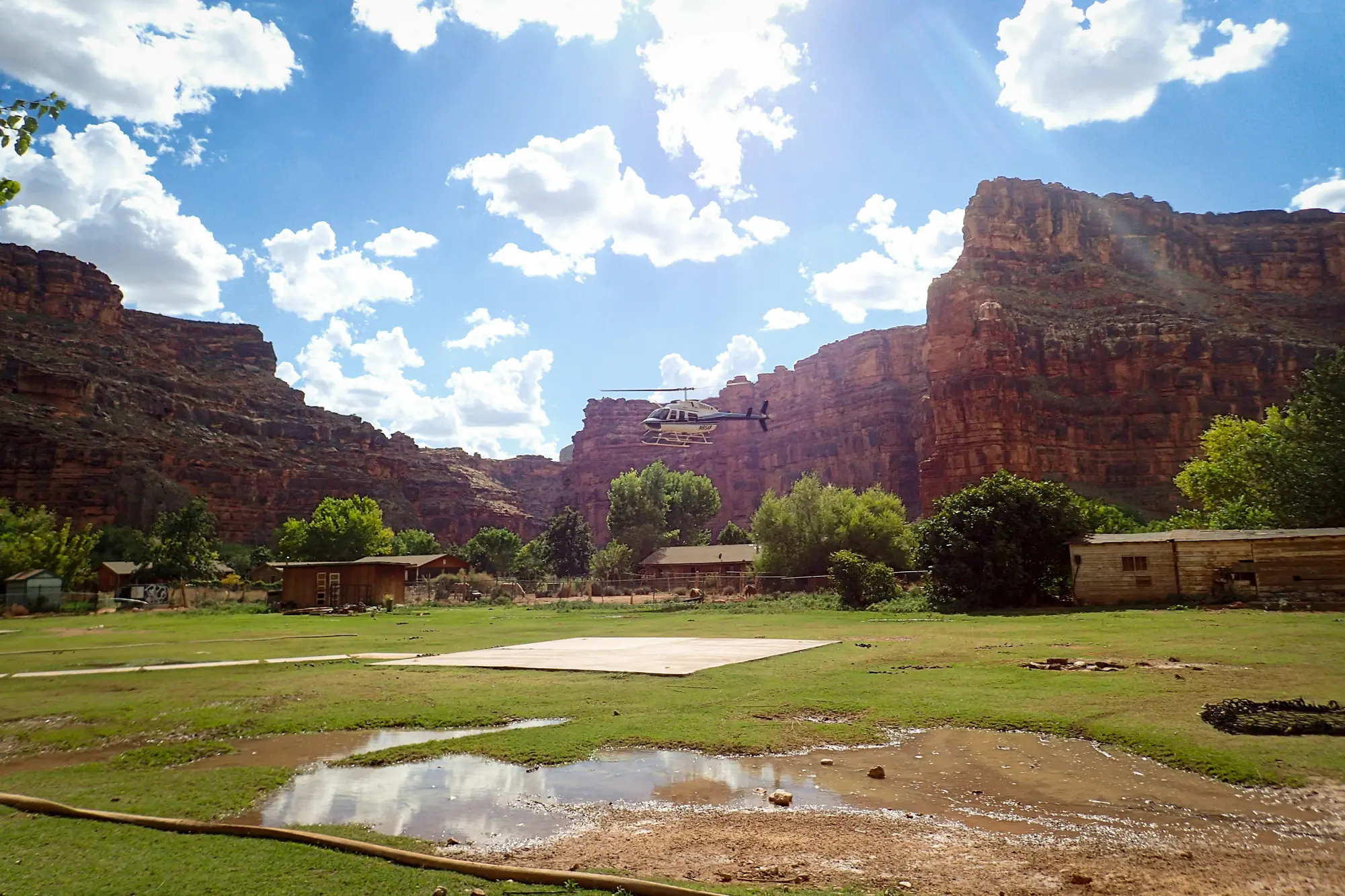
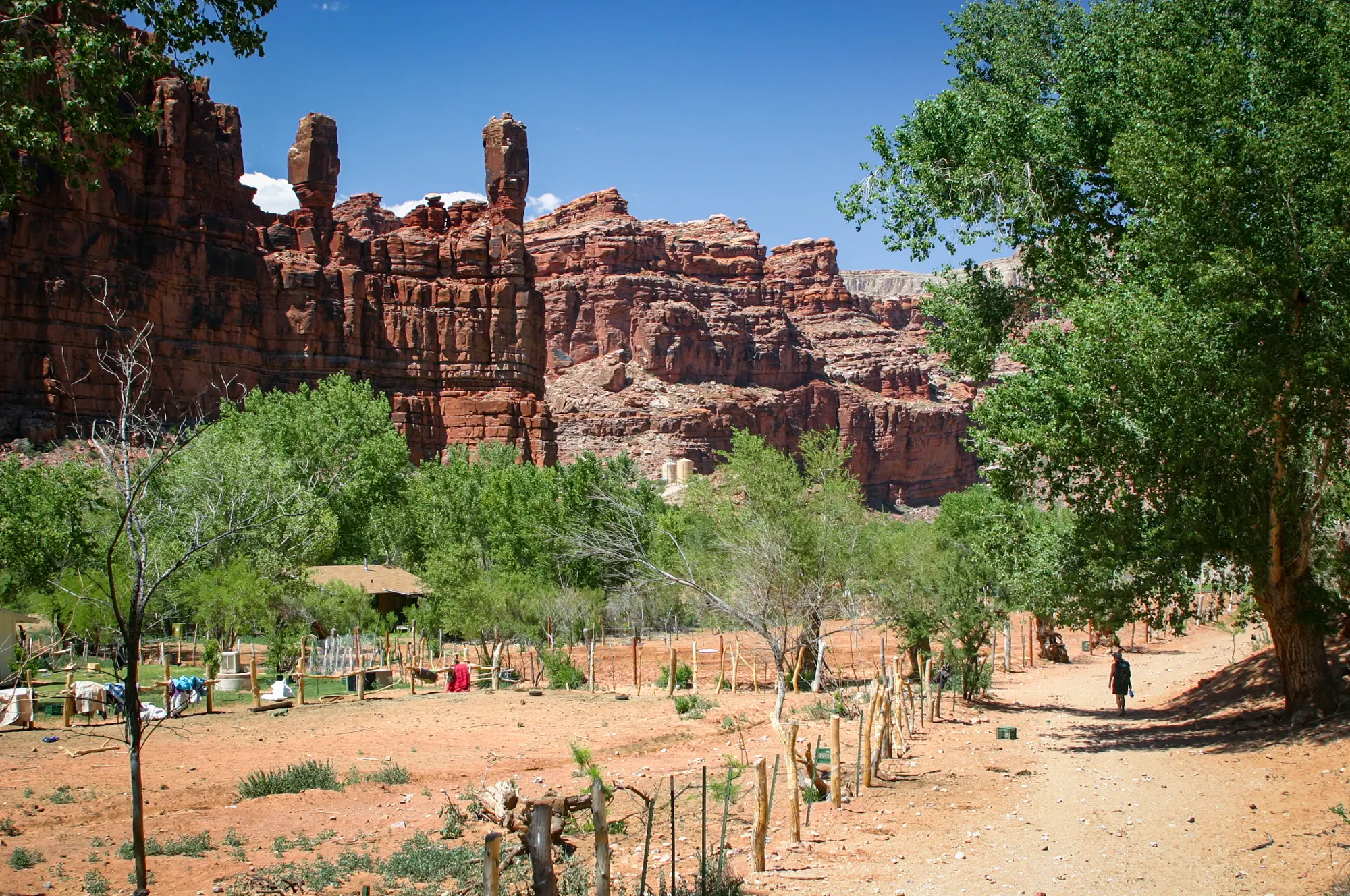
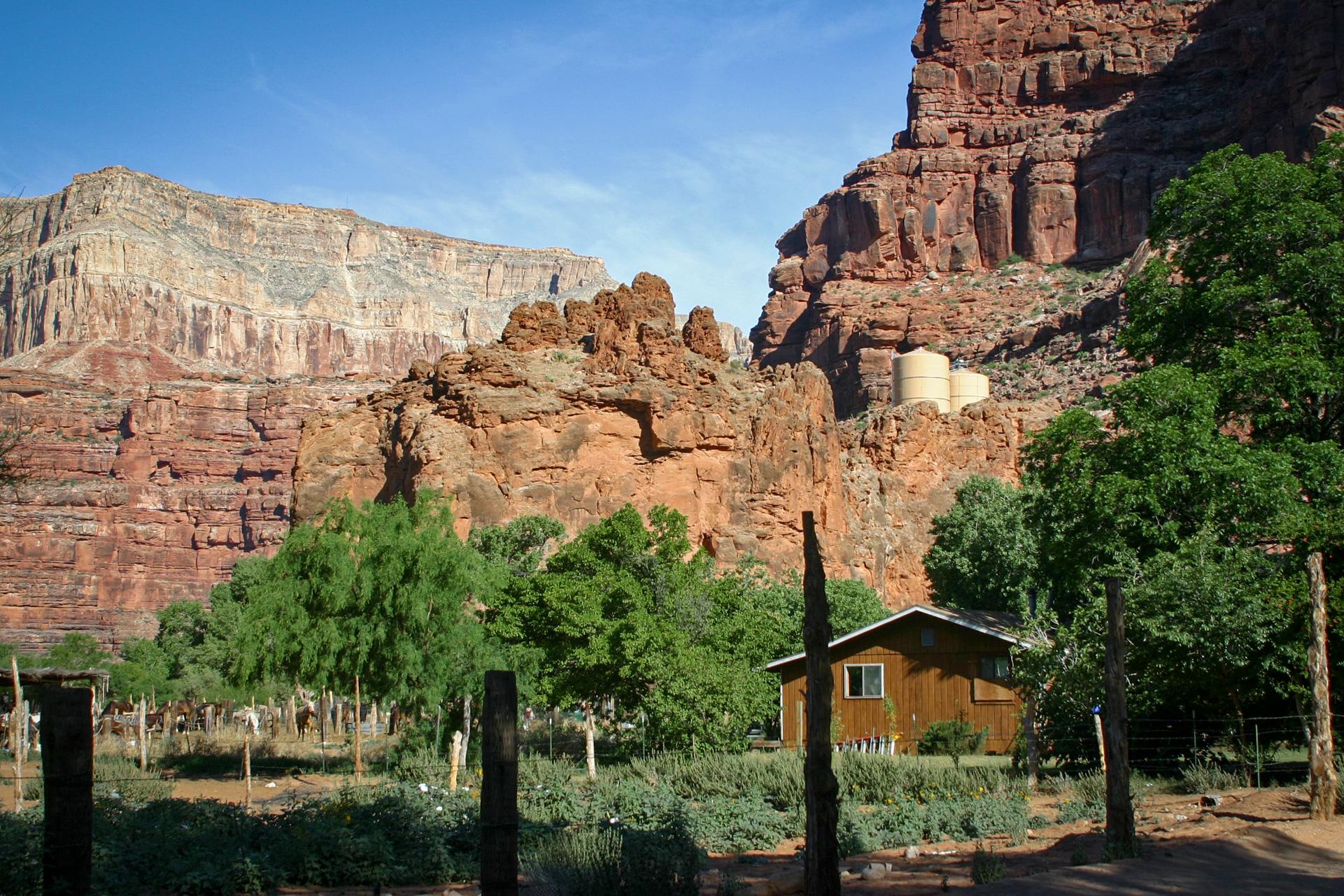
Inside were critical medicines bound for Supai, a tiny community of about 200 people at the bottom of the Grand Canyon and the capital of the Havasupai Indian Reservation.
“By the time you get there, your horses are tired. If you’re walking, you’re tired. It’s all uphill coming back,” Chamberlain said.
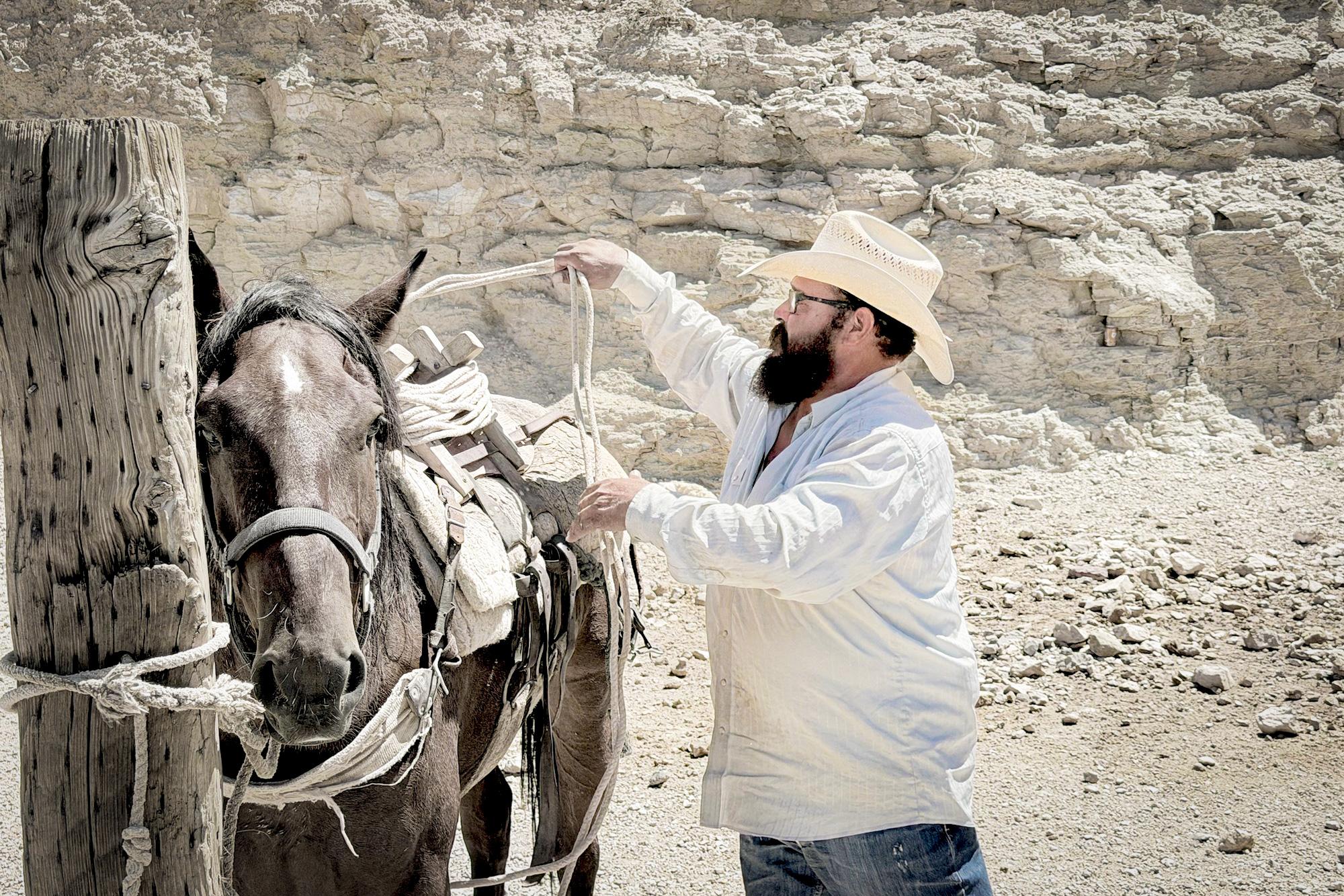
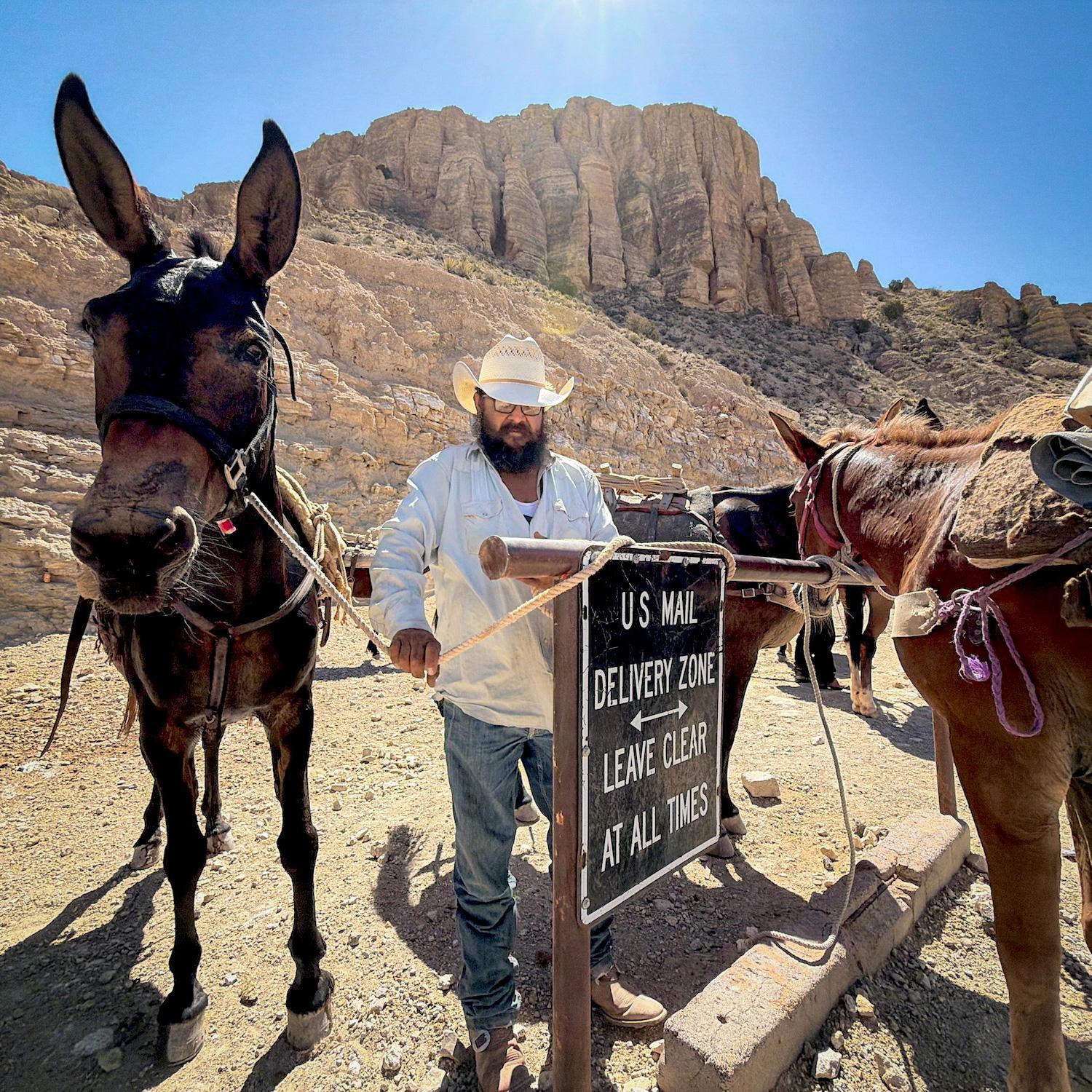
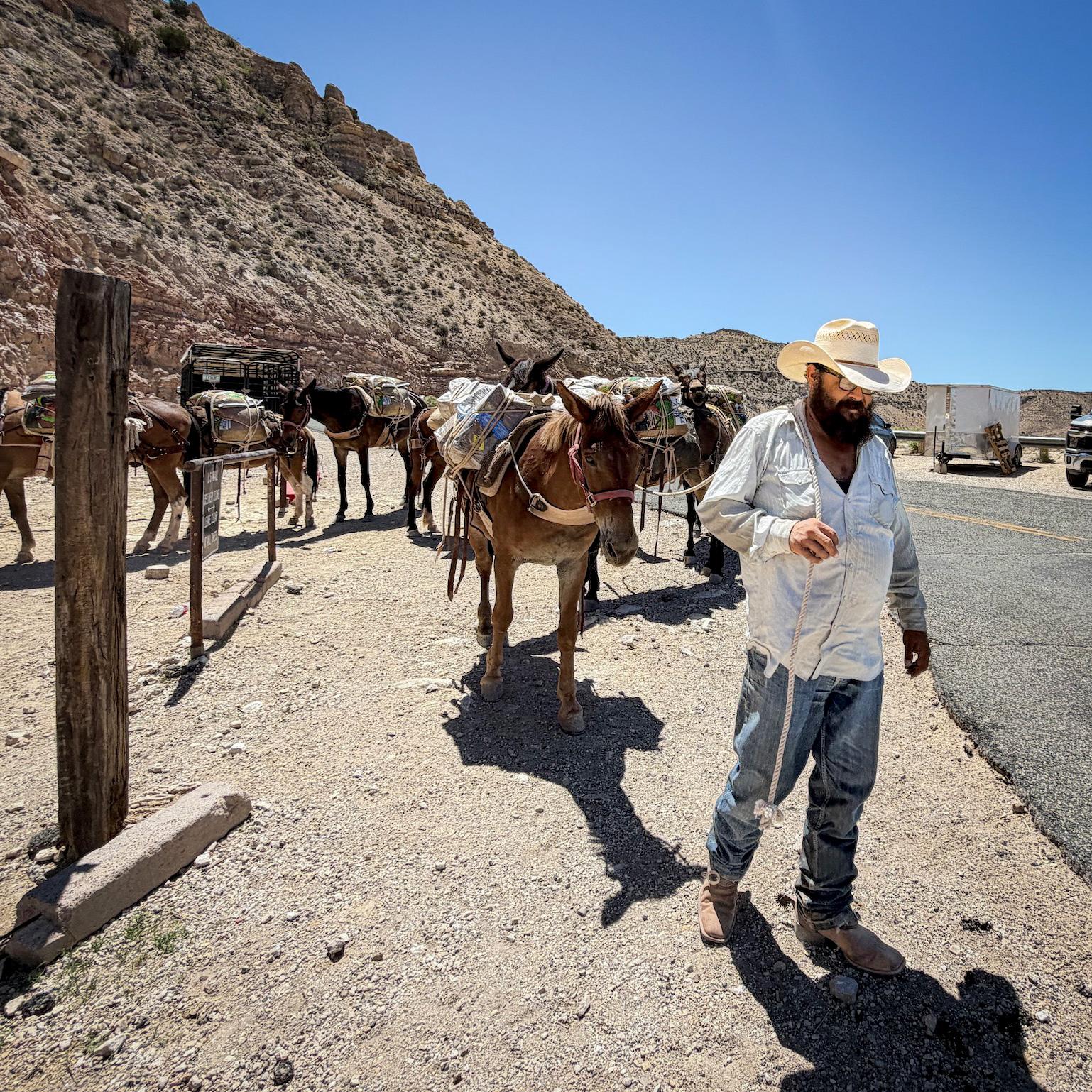
Chamberlain’s long beard and glasses framed a rugged, sun-tanned face. He wore a white long-sleeve shirt and cowboy hat to reflect the sun, along with denim jeans, leather boots, and spurs.
Ten pack mules and horses stood quietly awaiting their loads. Each animal carried 72 feet of rope—the essential equipment of a mule wrangler.
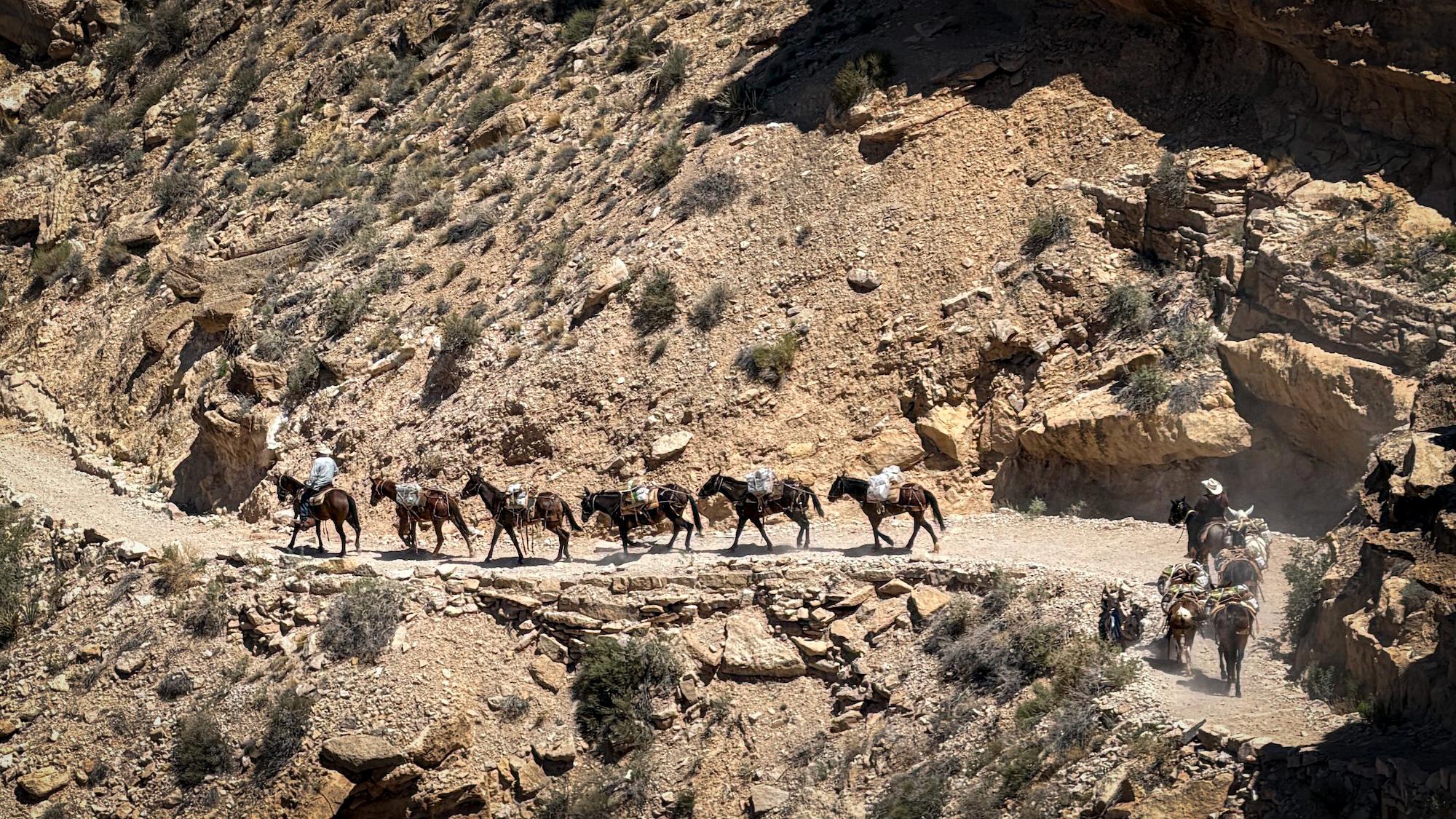
Five days a week, Chamberlain and his string make the treacherous trek, hauling mail for the U.S. Postal Service (USPS).
Two and a half hours down, two and a half hours back—the mail never stops. It’s a daily routine he has followed since joining the team about 20 years ago.
“Get it done, come up, go home,” Chamberlain said. “The faster I get home, the more rest I get, and the more rest [the mules and horses] get.”
For nearly half a century, his uncle, Charlie Chamberlain, has held the USPS contract to deliver mail by mule train to Supai through monsoon rains, wind, snow, and stifling heat.
Charlie and Nathan Chamberlain are among a fading breed of cowboys. Together, they keep alive the nation’s last official USPS mule mail route.

Mule delivery remains the most practical and cost-effective way to get the mail to Supai, Peach Springs postmaster Greg Ritchie said.
No car or four-wheel-drive vehicle is capable of making the trip. The only other option is a costly helicopter flight, he said.
“I’ve been here for four years. We pretty much don’t miss a day,” Ritchie said.
The Peach Springs post office, about 70 miles from the drop-off location, is the nearest mail hub.

It receives, sorts, and dispatches mail to the Hualapai Hilltop trailhead, the starting point for the mule train’s journey into the canyon.
Ritchie said weather has rarely interrupted the mule mail operation.
The only major disruptions come when storms wash out part of the trail as they did a couple summers ago, halting service for a couple of days.

“We used to do bread, groceries when I started working here,” Ritchie said. “We’d come in at 5 o‘clock [in the morning], and we’d get a truck.”
Five pallets of groceries—including perishables such as cheese, ham, and canned goods—were delivered to Supai.
“In fact, they would have a freezer here,” Ritchie said.
The grocery deliveries ended after Supai began working directly with vendors, he said.
4 Wheels, 4 Hooves
Since 2008, contract driver Andy Bufano has loaded the mail into his truck for the 90-minute drive to the remote canyon trailhead.
The mule team then makes its 16-mile round trip to Supai, returning with outgoing mail.
“I think it’s a pretty vital service. It’s pretty valuable as far as the customers go,” Bufano said.
“The hardest part, for me, is the long ride. I used to get a lot of heavy stuff.”
“I think it’s essential,” added Peach Springs mail clerk Reva Quasula. “I don’t think there’s any other way unless they want to pay for the trip by helicopter, which is not cheap.”
Mules have carried mail and supplies to the Havasupai people living in the Grand Canyon since the 1930s, according to the USPS.
A daily delivery can involve as many as 22 mules, although Nathan Chamberlain said his uncle’s contract calls for 10.
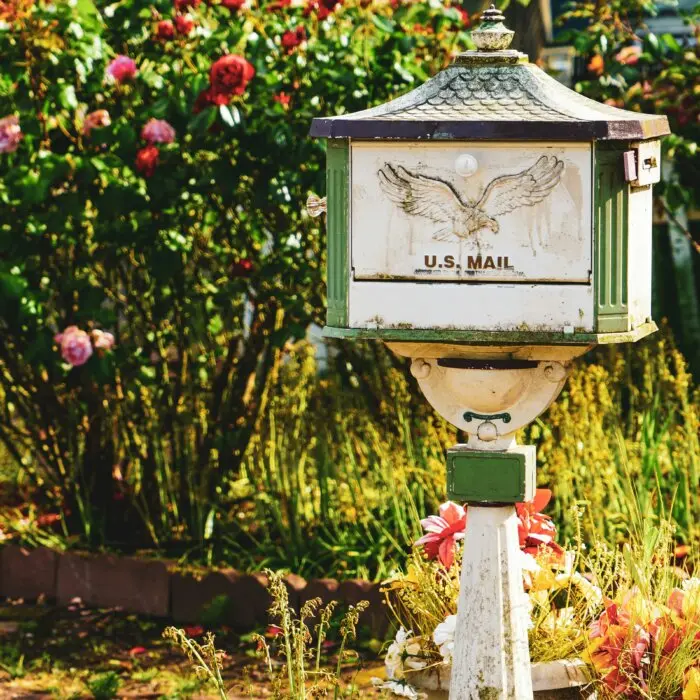
Postal service in the Grand Canyon dates back to 1894, some 25 years before the area became a national park in 1919, the USPS said.
Today, the Chamberlains operate the only official USPS mule mail route serving the canyon. A private, unofficial route operates from Phantom Ranch near Bright Angel Creek.
Bygone Days
Josh Farmer, who oversees Supai and Peach Springs postal operations, said mule delivery illustrates the USPS’s commitment to providing “trusted, affordable, universal service—no matter where you live.”
“For many Americans, the mule train evokes a sense of nostalgia for a time when the West was wild and unsettled,” Farmer told The Epoch Times.
“They are surprised that the mules are not a novelty but serious business.”
Farmer said the postal service has long relied on animals such as mules and horses—even dogsleds, reindeer, and camels—to move the mail.
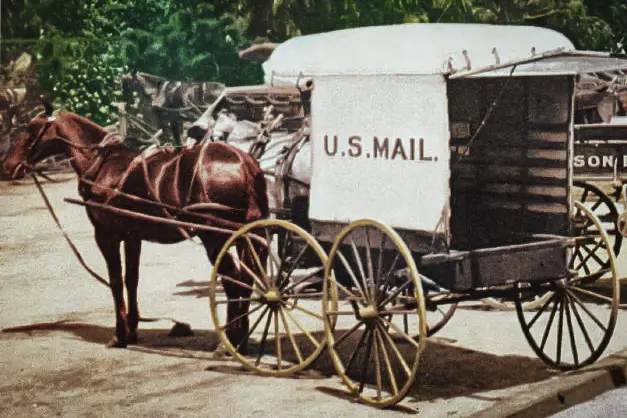
Horseback riders, horse-drawn wagons, and stagecoaches once formed the backbone of the nation’s mail delivery system. Advances in transportation technology eventually allowed mail routes to operate more efficiently without animal power.
But “when it comes to getting mail to and from the bottom of the Grand Canyon, no technology has surpassed the mules,” Farmer said.
USPS historian Steve Kochersperger said the Supai mail route and its head-out point—the location where the carrier begins the route—have changed over time.
“The contractor is responsible to get the mail from the post office to the trailhead. They don’t have to use mules for that. They can use a motor vehicle,” Kochersperger told The Epoch Times.
“Once it gets to the trailhead, they have to transfer it to mules. Most mail is transported by private contractors.” It’s been that way for many decades, he said.
“It’s probably not a job for wimps. You’re outdoors pretty much continuously. And when the weather gets nasty, you still have to go.”
From the first steamboats to trains to airplanes, the postal service has embraced new technology to move mail faster.
The agency has even experimented with “missile mail,” dog sleds in Alaska, carriers on skis, and snowmobiles.
Kochersperger said the public reaction to mule mail service is often disbelief.
“It sort of reminds them of the history of the country,” he said.
Always a Challenge
Every mail route presents challenges, but the hazards of weather, terrain, and changing conditions make the Grand Canyon route unique, Farmer said.
Few people are skilled at working with mules and willing to brave the risks,” he said.
Mule mail carriers need local knowledge, horsemanship, and experience navigating one of the most demanding mail routes in the United States.
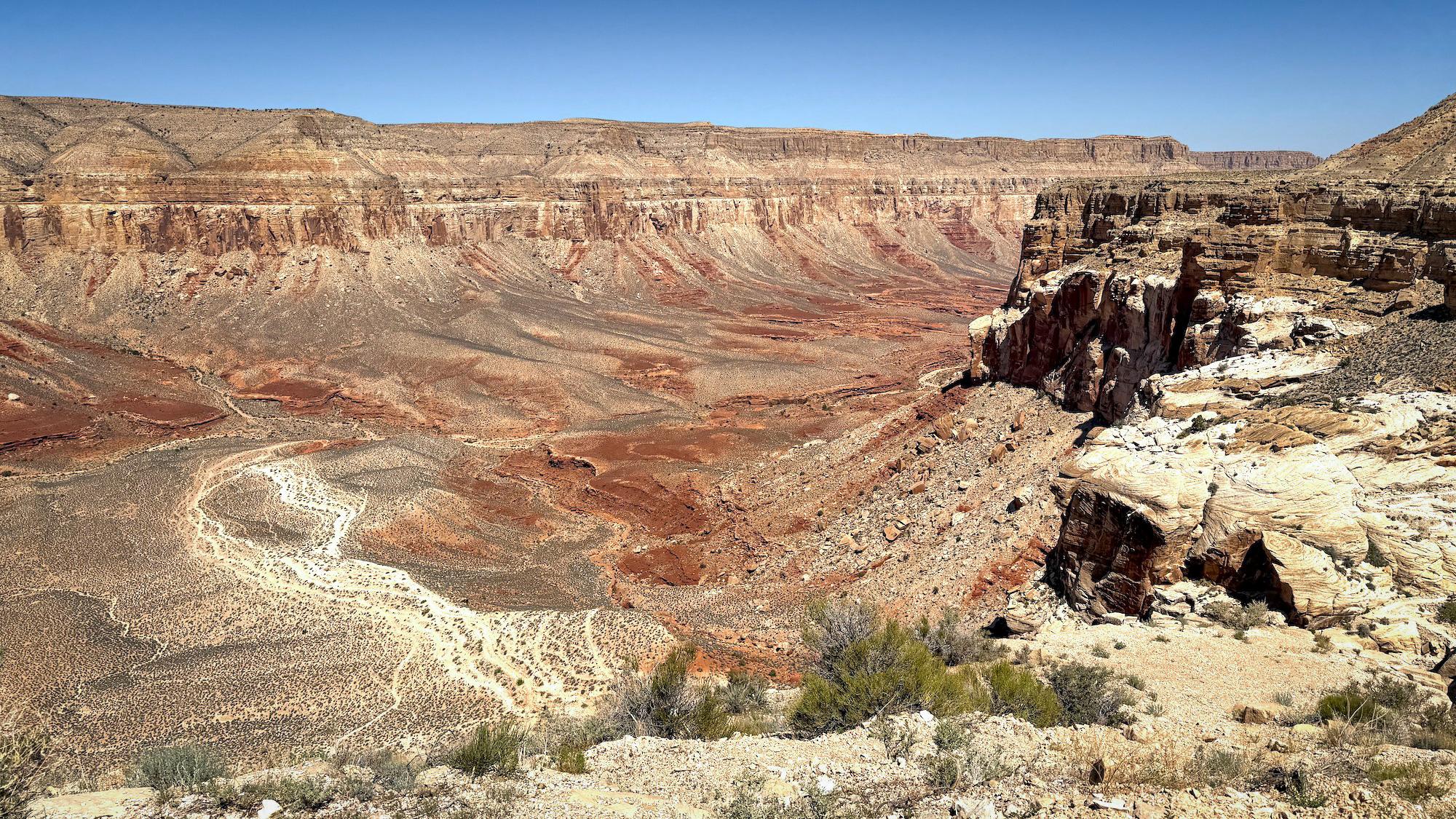
Sandy washes, rocky terrain, changing weather conditions, flash floods, rockslides, and trail closures can all make the journey more difficult. Balance is everything—whether navigating steep switchbacks or loading mules with cargo.
“The experience and judgment of the riders are critical to ensuring the safe and reliable delivery of mail,” Farmer said.
“The mule mail service is much more than mail delivery—it is a vital lifeline for the Havasupai Tribe and the residents of Supai.”
Farmer said the future of the service is difficult to predict, but as long as Supai needs mail delivered, mule trains will continue carrying it down the canyon.
Born Into It
The forecast on Aug. 3 called for blue skies and scorching temperatures.
From the trailhead, the route was narrow and unforgiving.
Bufano arrived around 11 a.m. and began unloading the day’s canyon cargo—Amazon boxes, medicine, and tubs filled with envelopes.
Nathan Chamberlain and his mule hand, Isaac, needed only 30 minutes to lash down the mail and 50-pound sacks of feed in the saddle packs for the noon departure.
“I’ve been doing this for a long time. It’s just a good job,” Chamberlain said. “I get to be around horses—so that’s good.”
After a quick burrito for lunch, he checked his gear and prepared for the long descent, thousands of feet into the canyon.
He made sure there was plenty of water.
“It’s gonna be 111 today. I drink a gallon a day on the trail and another gallon when I get home if I’m still thirsty,” Chamberlain said.
It is a job few people could handle, but Chamberlain feels he was born into it.
“All these guys were born into it. It’s all they’ve ever done,” he said.
Then it was time to mount up. The canyon waited—the mail couldn’t.