Canada’s mostly Quebec-based aluminum sector will receive its “fair share” of a newly announced $5 billion fund to help businesses impacted by U.S. tariffs, according to Industry Minister Mélanie Joly.
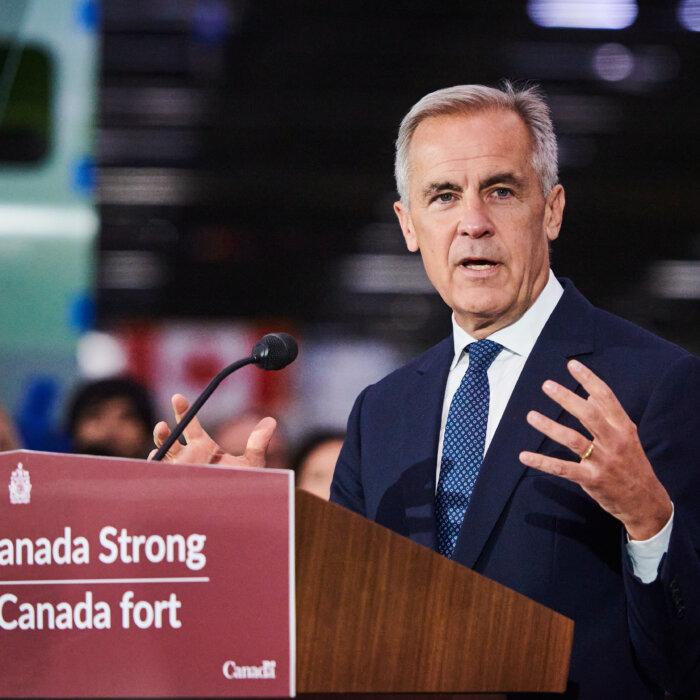
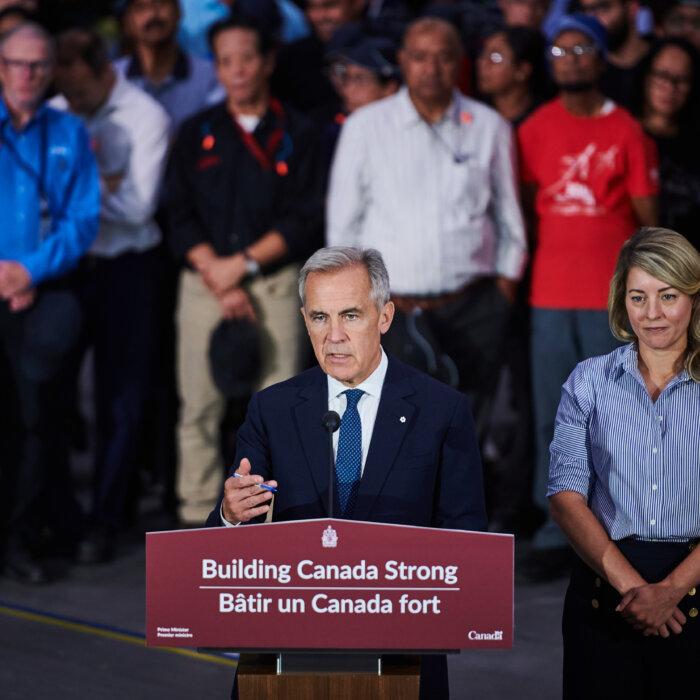
Joly’s comments came after Prime Minister Mark Carney announced a series of new measures on Sept. 5 for workers and businesses impacted by U.S. tariffs.
“The Quebec aluminum sector will get its fair share, and we believe that with the projects that are being discussed right now, with Alcoa, with Rio Tinto, and with Alouette, it’s hundreds of millions of dollars,” Joly said in reference to the three producers in Canada.
The minister said she wouldn’t share further details, given negotiations with stakeholders still need to take place. Joly said considering global competition in the aluminum sector, with large producers in the United Arab Emirates and Russia, Canada needs to remain competitive.
“All these initiatives, from the Strategic Response Fund of $5 billion to the new Buy Canada policy, are about giving ourselves the means to achieve our ambitions,” she said.
ISED says priority will be given to vulnerable sectors facing significant loss in revenue and/or jobs. Funding will also be available to find new export markets.
The aluminum sector has been hit hard by the 50 percent tariffs imposed by U.S. President Donald Trump, who has said it was necessary for national security reasons and to bolster the industry in the United States. Unlike other sets of tariffs, Trump’s sectoral tariffs on metals and autos are not being challenged in court.
Jean Simard, CEO of the Aluminium Association of Canada, spoke alongside Joly and said that U.S. tariffs have cost the industry US$75 million a week as it ships 56 tons of aluminum south of the border on a weekly basis. He said that in 2024, the industry exported 90 percent of its production, with 90 percent of that portion going to the U.S. market.
Simard was asked by reporters whether the strategic fund will be able to save the industry. “I don’t think we’re talking about saving the industry,” he responded. “What we’re talking about is making sure that an industry that is highly impacted financially by this situation is able to transition ahead while remaining competitive.”
Part of that transition involves finding new markets for Canadian aluminum, but it’s easier said than done, Simard said. He noted how Canadian producers have a footprint in Europe, and some aluminium has been shipped there this summer, because producers were “losing money shipping to the U.S., and at least not losing money shipping to Europe.”
But to penetrate the European market Canadian producers have to displace an already-established player and Simard said that producer might turn around and fill the void left behind in North America. He also said that pulling out of the United States would not be sound.
“You will understand that having invested ourselves for decades in developing and sustaining the U.S. market through the automotive, aerospace, consumer packaging, the last thing you want to do is pull out of it tomorrow, because you have a business relationship that’s conducive to very good business,” he said.