Albertans will be able to pay directly out of pocket for medical tests like MRIs, X-rays, CT scans, and ultrasounds without needing a referral starting July 31, according to Alberta Premier Danielle Smith.
Smith was accompanied by Primary and Preventative Health Services Minister Justin Wright, Calgary-based radiologist and medical director at Canada Diagnostic Centres Dr. Robert Davies, along with chair of Cancer Care Alberta Brenda Hubley.
Wright noted that tests resulting in a new cancer diagnosis will be repaid by the province.
Smith said Alberta’s move to lower the age of eligibility for routine breast cancer screening and increase access to publicly funded mammograms earlier this year is another example of the province’s efforts to detect cancer earlier as part of its 10-year strategy.
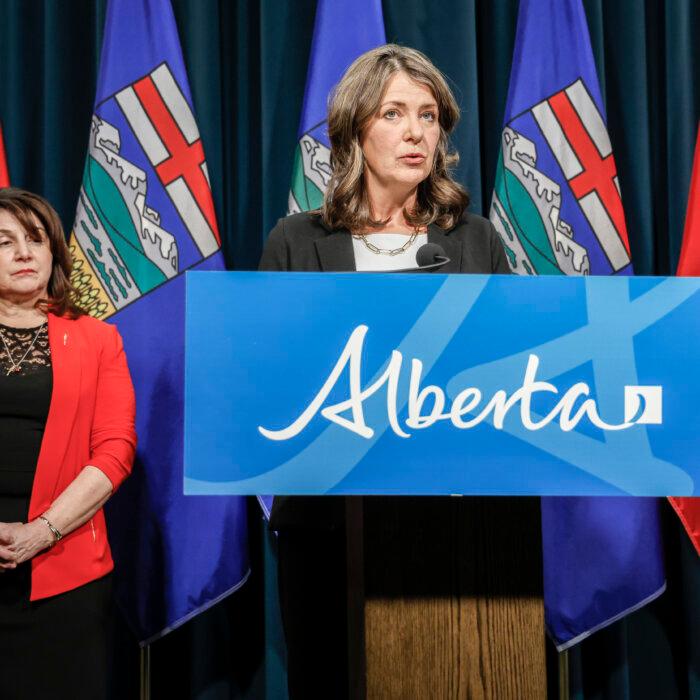
While Smith said Alberta doesn’t have the funding to pay for every medical test that residents may want each year, she said patients should still have the option to pay for testing themselves.
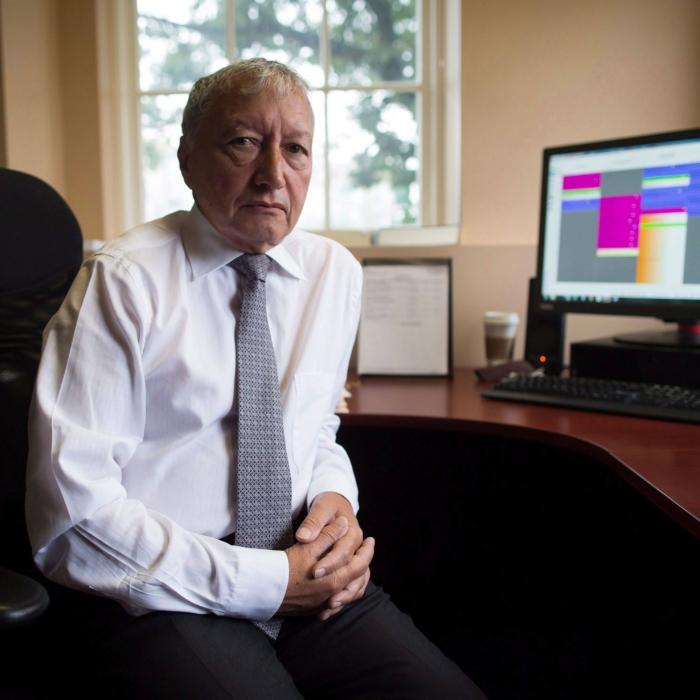
Davies said that it’s been possible to pay privately for imaging exams for decades in the province and that Alberta’s first private MRI clinic opened in the mid-1990s.
Davies said he estimates that private imaging exams currently make up about 0.5 percent of all imaging exams done in Alberta. The new rules could result in 50,000 or 60,000 additional exams being done per year in the province, he added.
“We think it’s something manageable. We’re going to be watching it closely, but we think we have the right design here to deal with it,” he said of clinic capacity.
Wright said clinics that participate in offering private tests must keep prioritizing testing referred by doctors and must offer privately paid services only after doctor-referred services are completed.
He also said the cost of tests will vary between private clinics as they set their own prices. Smith said X-rays typically cost between $20 and $140, ultrasounds range from $100 to $500, CT scans from $250 to $1,000, and MRIs from $600 to $1,200.
Wright said Alberta is the first province in Canada to offer reimbursement for preventative health testing. He said similar services are offered in countries such as Germany, Japan, Switzerland, and South Korea.
“We believe this approach can encourage investments in new clinics, modern equipment, and add additional diagnostic capacity here in Alberta,” the minister said.
The July 27 announcement comes in the wake of earlier measures by Alberta to expand private health-care options.
Legislation passed in December last year is set to launch this September, offering doctors the option to complete privately paid procedures like knee and hip replacements while still working in the publicly funded system.
Sharif Haji, NDP critic for primary and preventative health services, criticized the new announcement, saying the new changes will make wait times worse.