Accounting bodies have called for a pause to Labor’s tax reforms bill, arguing that the legislation was rushed and should be subject to much greater public scrutiny.
Appearing before a parliamentary inquiry into the Treasury Laws Amendment (Tax Reform No. 1) Bill 2026, which introduces significant changes to the tax treatment of capital gains, negative gearing and discretionary trusts, representatives from the Institute of Public Accountants (IPA) and CPA Australia said the reforms were poorly drafted and would impose significant compliance costs on businesses.
“A well-designed tax system should be simple, fair, and efficient. The proposals fall short on each of these dimensions,” the IPA said in its submission.
The accounting body also noted that under the new law, which “significantly increases compliance burdens,” many taxpayers will need assistance from a tax practitioner to navigate its complexities.
“Australia is experiencing a prolonged period of weak productivity growth,” it said. “The proposed CGT changes risk exacerbating this trend. After a decade of lost productivity growth, the proposed changes represent a retrograde step in the wrong direction.
Lack of Public Engagement
The IPA said it was “unacceptable” that the legislation was introduced to Parliament on May 28 without first releasing an exposure draft for public consultation.“The proposed legislation is technically complex and lengthy. It is indefensible that the government provided no opportunity for stakeholder consultation before the bills were introduced into Parliament,” it said.
The concern was echoed by CPA Australia, which noted that stakeholders were given only 11 days to make submissions and the committee just 24 days to report its findings.
“The government is seeking to pass legislation it describes as ’the most significant tax reform in more than a quarter of a century' on the basis of two days of Senate committee hearings,” it said in its submission.
“This is the most compressed consultation cycle CPA Australia has encountered for legislation of this scale and complexity and is, from a policy perspective, avoidable.”
“The government has instead undertaken ‘post-decision’ consultation, which the guidance note states should only occur where extreme confidentiality is necessary and where prior consultation would undermine the effectiveness of the policy. We do not consider that this threshold has been met in this case,” it said.
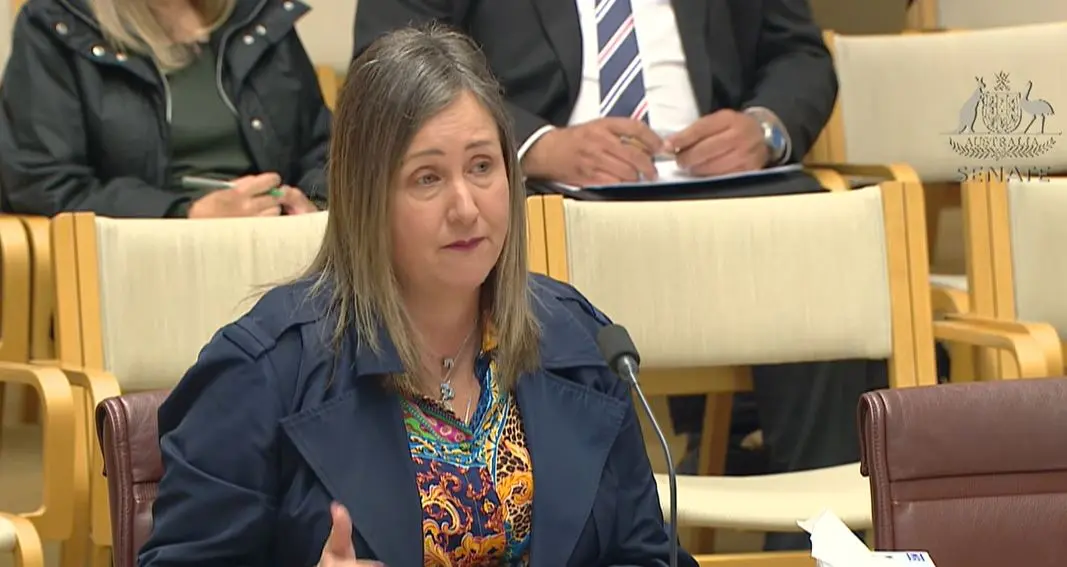
Jenny Wong, tax lead at CPA Australia, said her organisation estimated the reforms would impose additional ongoing compliance costs of $295 million (US$209 million) to $542 million, as well as one-off transitional costs of at least $675 million to $825 million.
Financial Advisers Oppose ‘Rushed’ Reforms
The Financial Advice Association of Australia (FAAA), which represents over 10,000 financial planners and advisers, also opposed the rushed nature of the legislation.Sarah Abood, CEO of the FAAA, warned the Committee of “potentially unintended consequences,” including a shortage of financial advisers available to deal with the changes.
Financial advisers are also concerned about the degree of ministerial discretion in the bill and particularly the treasurer’s power to define what constitutes a “new build.”
“There’s no clarity around what’s happening. We understand the treasurer will be releasing a paper on the small business concessions, but to be asked to pass a bill with lots of delegated legislation that can be changed by the minister from time to time through a disallowance process is quite unusual. It’s not something we normally see, and we do have concerns about.”