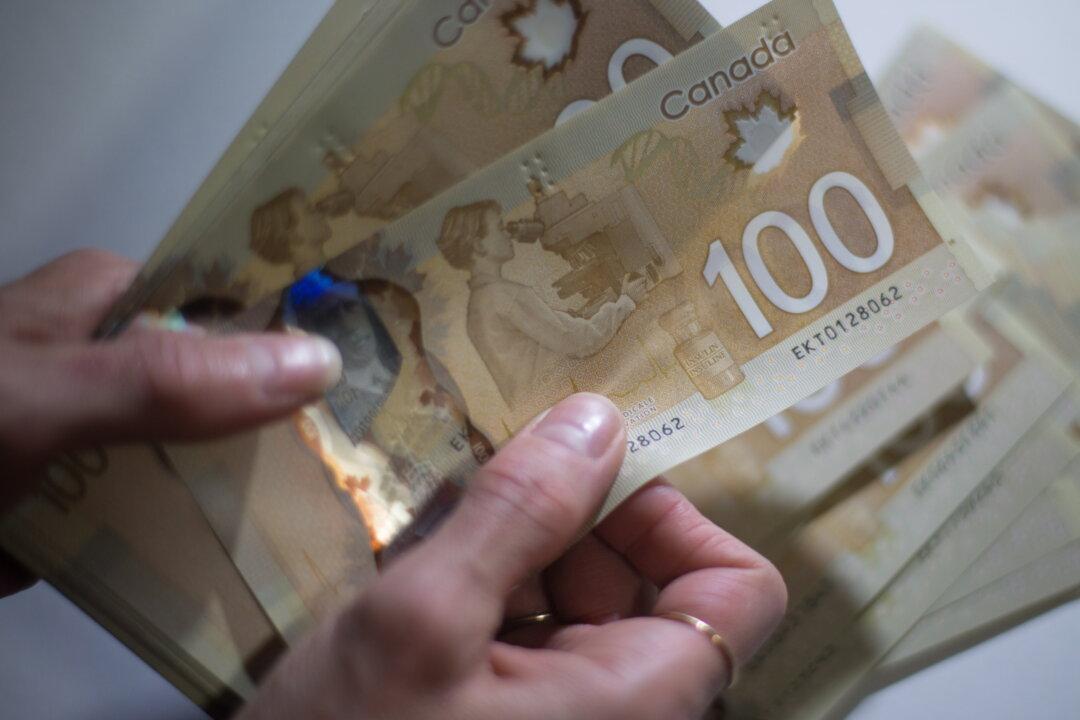
Sixty-one percent of Canadians say the country’s economy is performing poorly and 43 percent anticipate economic decline in the next six months, a new survey suggests.
The Leger poll, conducted from June 5 to 8, said Ontarians were the most pessimistic about the economy of their province, with 63 percent rating it “poor“ or ”very poor” and only 32 percent labelling it as “good” or “very good.”
In Alberta, public sentiment toward the economy has declined since a survey six months ago. The percentage who rate the economy poorly has increased to 58 percent from 51 percent in that time.
Personal Finances
While the broader macroeconomic outlook remains pessimistic, personal finances were rated higher.
Sixty percent of Canadians report that their current personal and household finances are “good” or “very good” despite fears regarding the country’s economic direction. Meanwhile, 36 percent described their financial status as “poor” or “very poor.”
A slight majority of Canadians—51 percent—said they expected their financial situation to remain the same through the rest of 2026, but 25 percent predicted it will worsen. Only 16 percent expected their finances to improve.
The financial circumstances differed marginally from one province to another, but the three largest provincial economies all indicated personal finances were below the average, according to the survey.
Just 52 percent of Albertans called their personal and household finances “good” or “very good,” falling short of the national average by 8 percentage points, while 46 percent rated their financial situation as “poor” or “very poor.”
Key Concerns
Respondents identified rising inflation as a key economic concern. Thirty-nine percent of those polled labelled it the top issue in the country, up 7 percentage points since January.Rounding out the top three concerns were the state of health care, at 38 percent, and housing affordability, at 37 percent.
Tariffs came fourth on the list, with 23 percent identifying them as a top concern, followed by escalating gas prices, a concern that has surged from 3 percent in January to 19 percent this month.
Seventy-two percent of survey respondents across Canada said fuel costs are increasingly burdening their household budgets.
Seventy-six percent of Saskatchewan and Manitoba residents, 75 percent of Albertans, and 74 percent of Ontarians said fuel prices are affecting them either “a great deal or somewhat.” That fell to 69 percent in B.C. and 63 percent in Quebec.
Housing costs also remain a key pressure point, the report authors noted.
Leger’s survey was conducted online among 2,620 Canadians 18 and older.