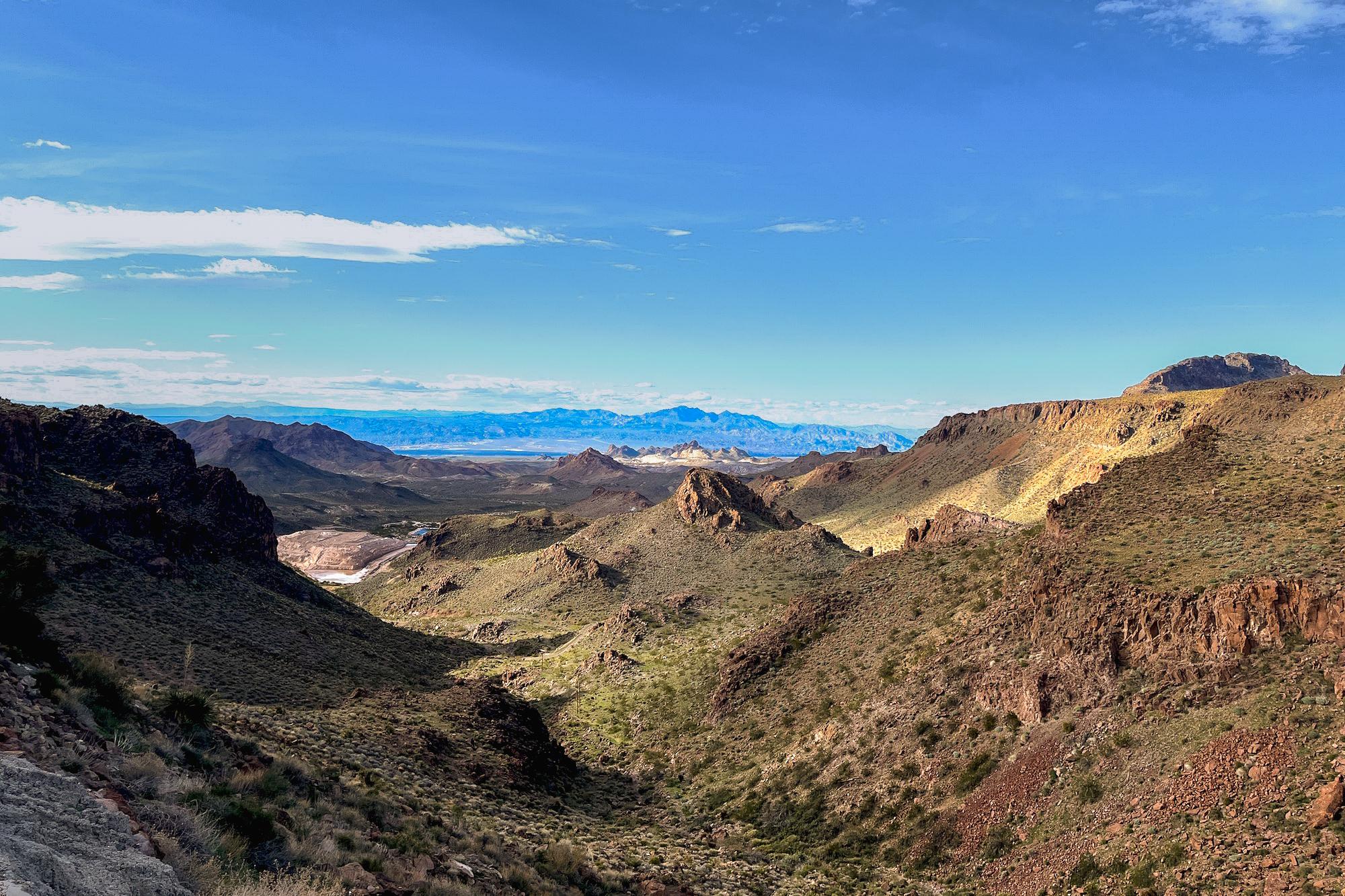
OATMAN, Ariz.—The journey to Oatman, Arizona, twists for miles, curling through the craggy Black Mountains of Mohave County until you arrive at a weathered mining camp that feels plucked from the pages of Wild West legend.
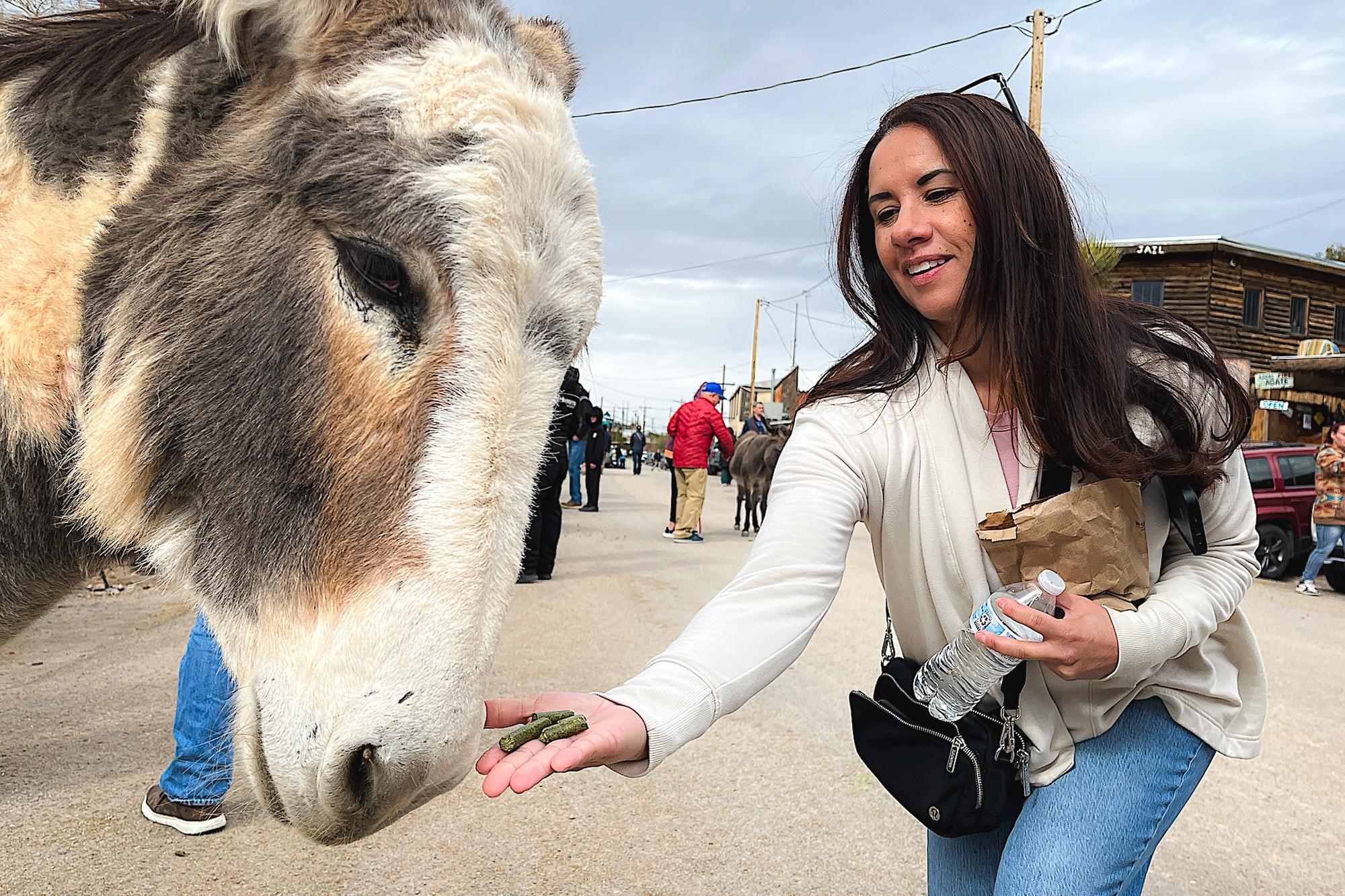
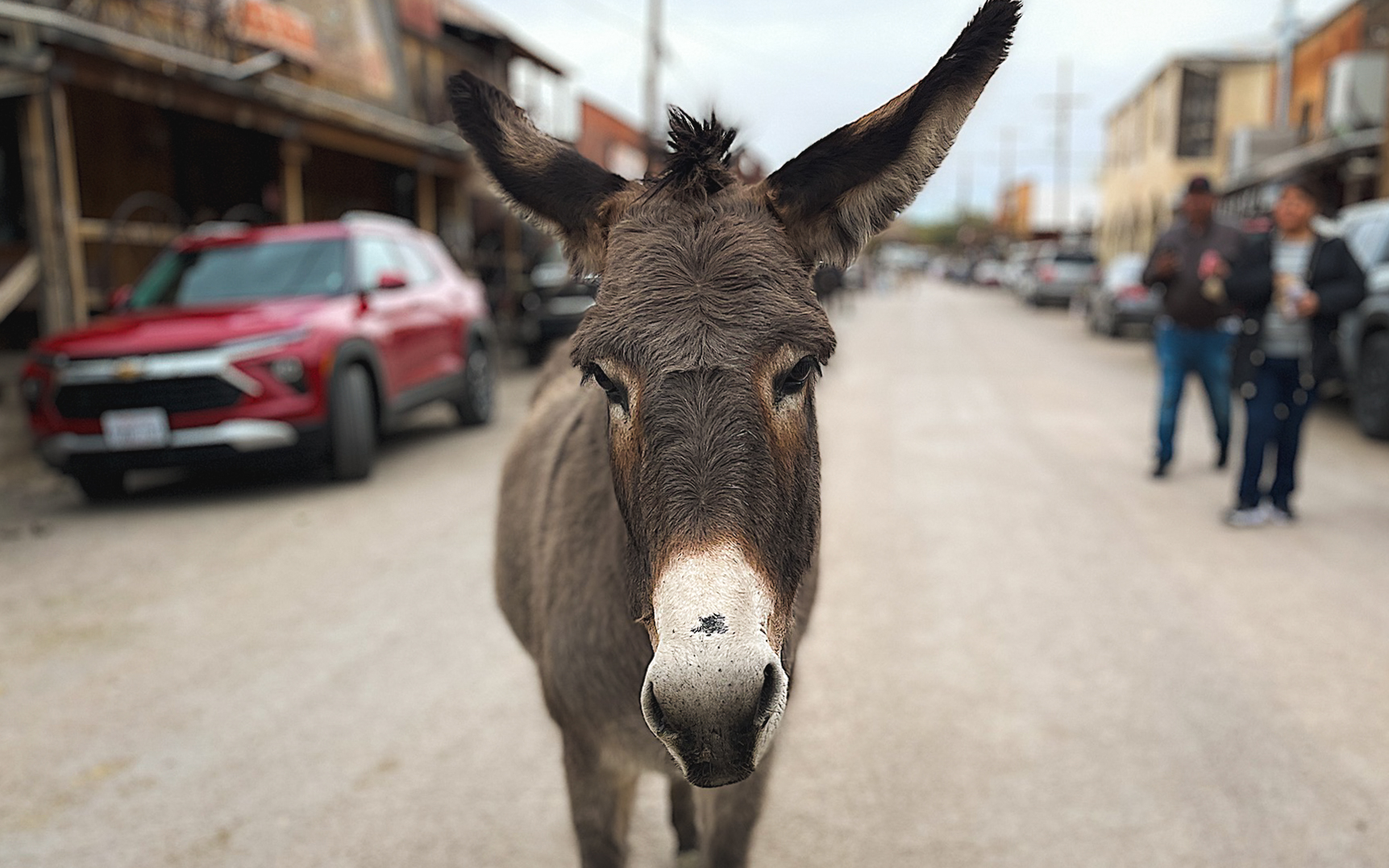
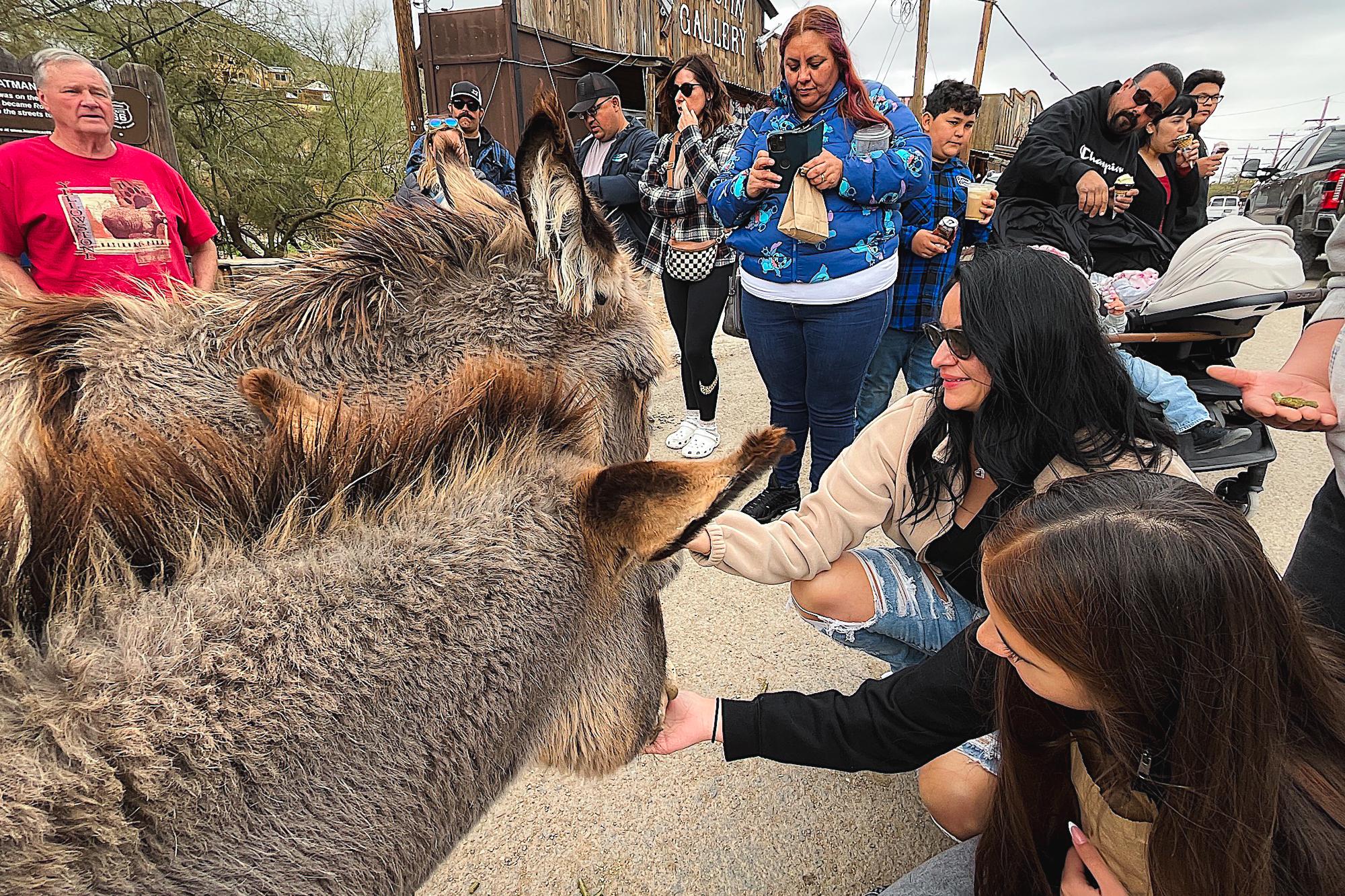
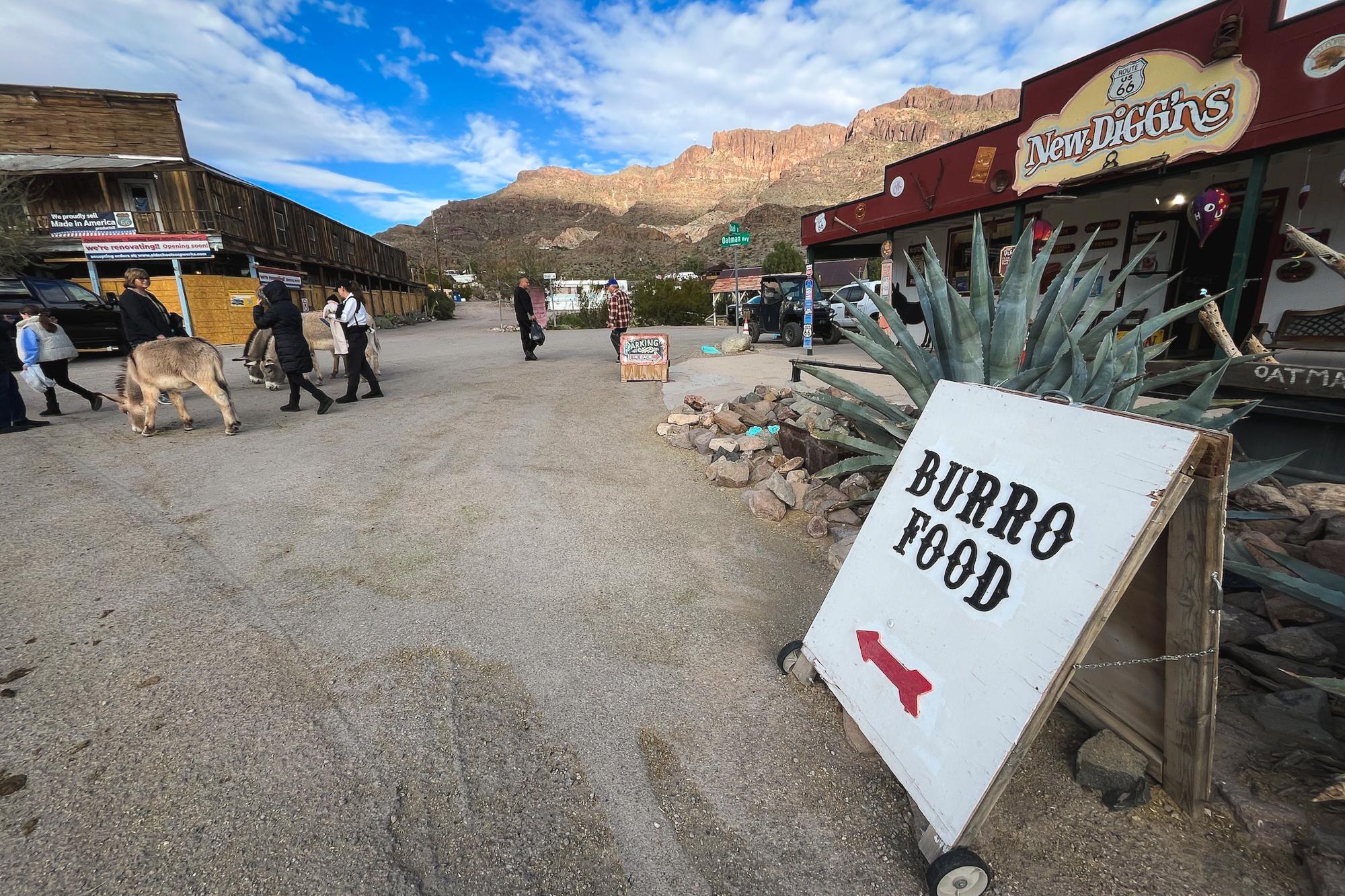
In Oatman, wild donkeys roam the dirt streets as freely as the tourists who flock here to experience Arizona history.
Established in 1908, Oatman is a tiny mining enclave of 94 people, where the adventurous spirit of pioneers lingers in the dusty air and along its worn storefront boardwalks.
It is neither an official town nor a municipality. There is no government, no police, no central authority, and no planning body. Only a few hardy residents carve out their lives in one of the state’s most unforgiving desert landscapes.
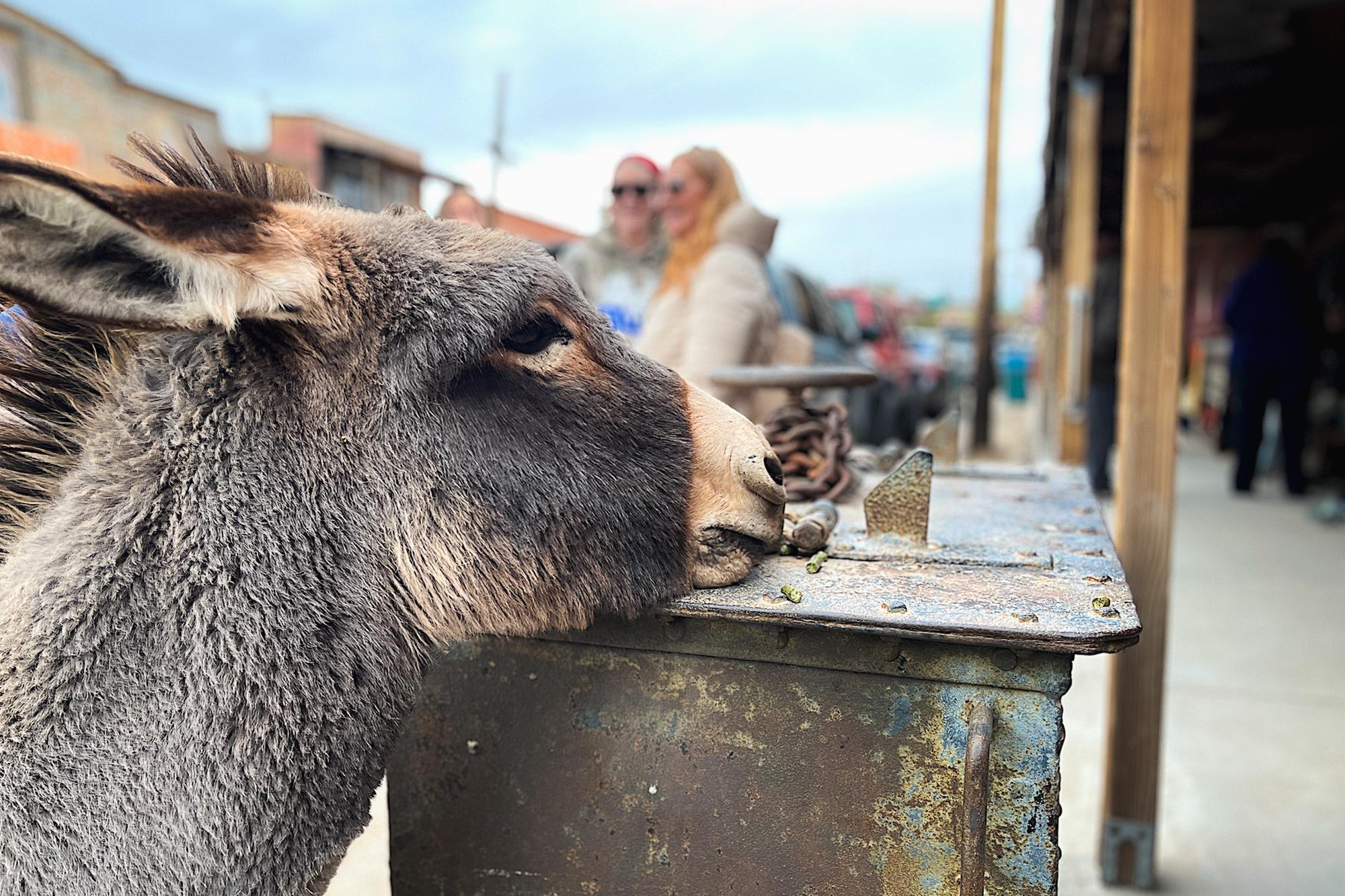
But the real stars here are the donkeys.
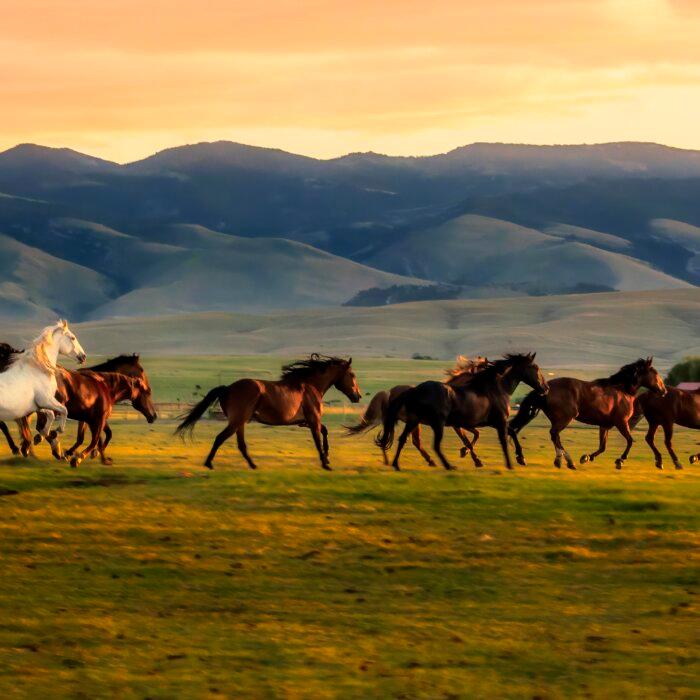
Just like the descendants of the first settlers in the mid-1800s, the donkeys are a living reminder of the gold mining days that ended nearly a century ago.

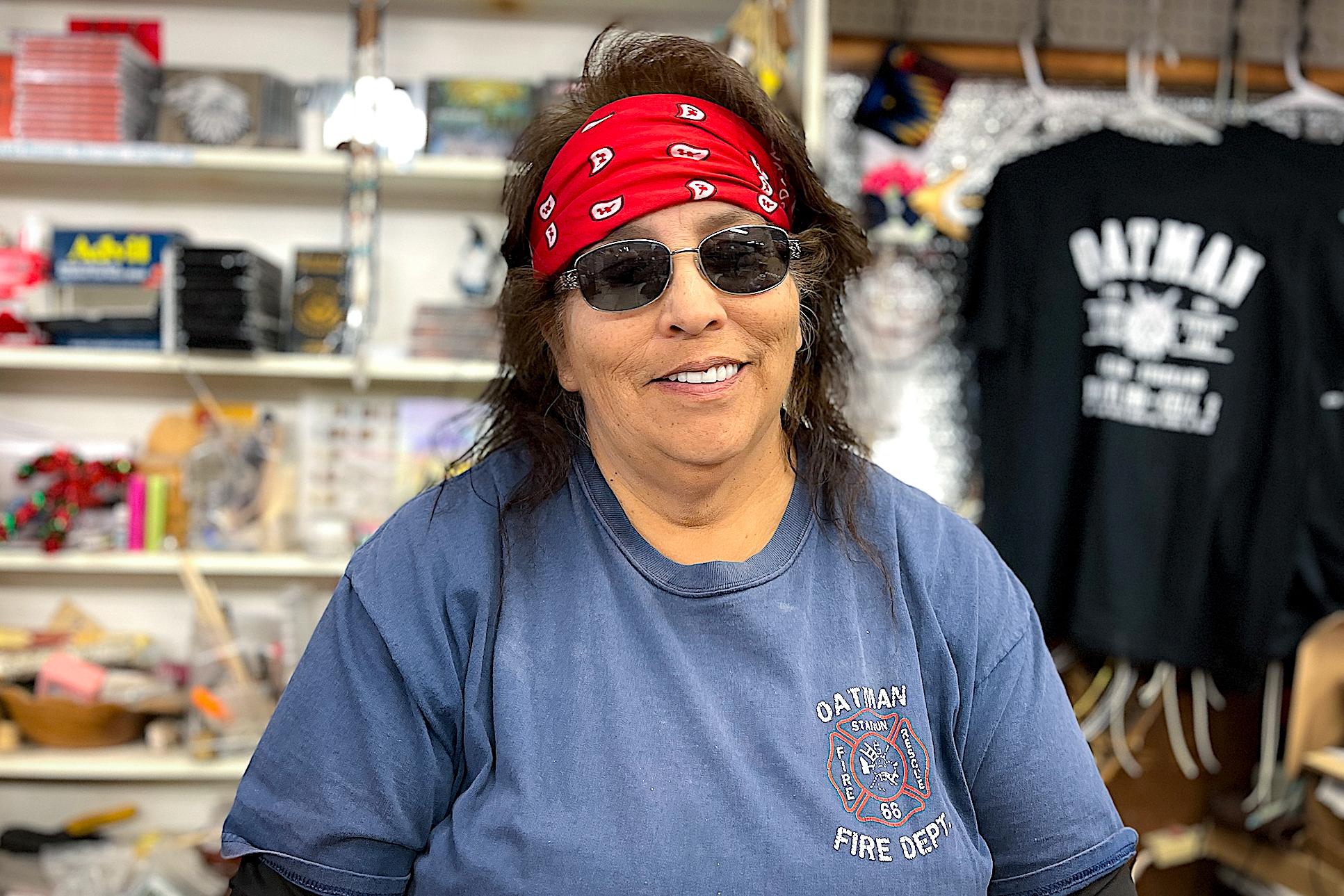
“When the miners left, they left the burros, and then the burros just multiplied,” longtime resident Char Smith said. She owns Wagon Burner’s Native Touch, a souvenir shop in the heart of Oatman on Historic U.S. Route 66.
Route 66 stretches 2,448 miles from Chicago to Los Angeles, passing through eight states. This year, it celebrates its 100th anniversary as America’s iconic “Mother Road.”
“I’ve been here about 18 years,“ Smith told The Epoch Times. ”I migrated, kind of like the burros.
“They’re what you call full-time residents. They’re the Oatman herd. There’s another herd down by the fire station. Then there’s Black Jack’s herd that’s just up on the other edge of town.”
The donkeys receive federal protection as property under the Wild and Free-Roaming Horses and Burros Act of 1971.
“Folks just seem to love them,” Smith said. “But they can be mean if you tick them off. They can bite, they can kick.”
Teasing, screaming, and getting in their way when they are fighting are definite triggers.
“When they’re fighting, people try to get closer with their phone, trying to take a picture,“ Smith said. ”They’re not paying attention to you.”
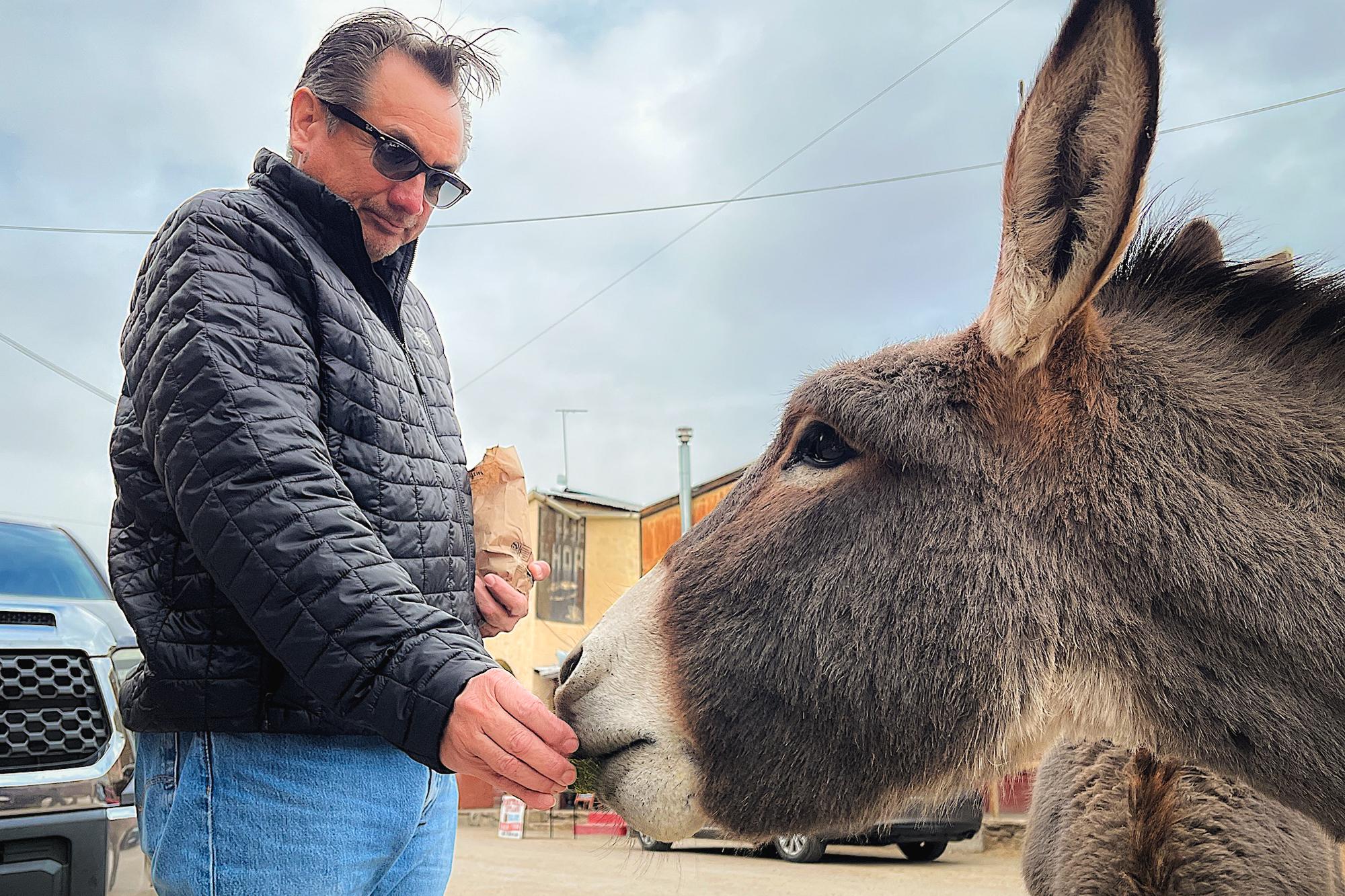
About 16 donkeys from the Oatman herd live in the downtown area, delighting visitors as they happily eat hay pellets from friendly tourists.
Smith said today’s burros are descended from the donkeys miners brought during the gold rush of the 1860s.
By the early 1940s, as the gold rush faded into memory, countless donkeys were left behind in the hills to fend for themselves.
Gradually, they wandered into Oatman and made it their home.
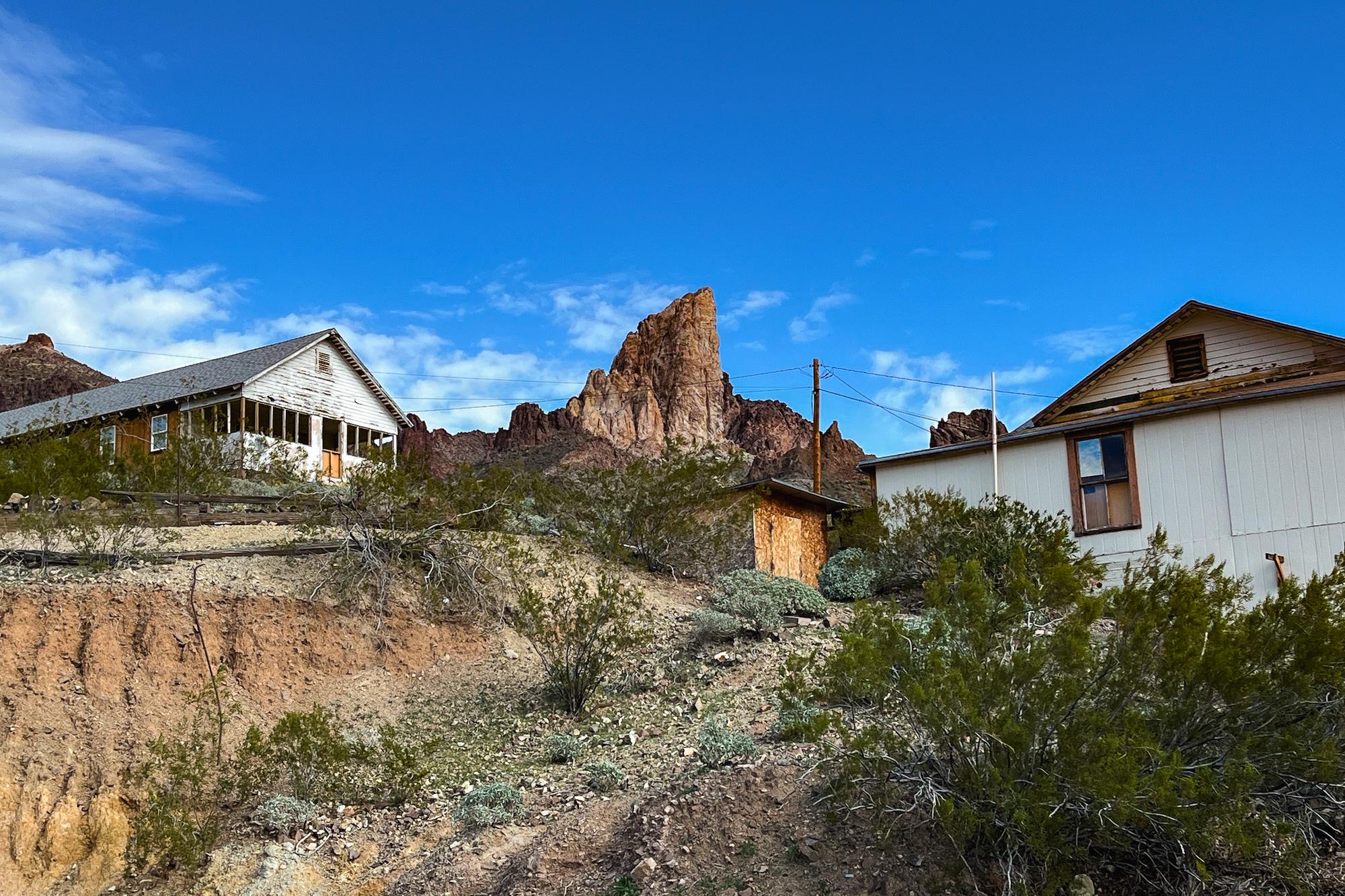
However, Oatman did not begin to grow until the 1900s. The town achieved status when a hotel opened in 1902, and a post office followed in 1906.
“The mines brought riches and rapid growth to the community, with Tom Reed mine’s total profit reaching over [$9 million] by 1922 and the town’s population growing to 10,000 in the same decade,” the website states.
By 1915, Oatman had grown from a simple tent mining camp into a bustling town with more than 3,500 residents.
The town takes its name from Olive Oatman, whose life was forever changed by the Oatman Massacre of 1851.
As a child, Olive endured five years among hostile Native American tribes, her resilience shaping a remarkable survival story.
Between 1900 and 1942, Oatman had the largest population of any town in Mohave County, which is the fifth-largest county in the United States by area.
Oatman’s tight-knit community breathes life into its rich history and traditions. Wild burros roam the streets, adding a dash of whimsy to every gathering.
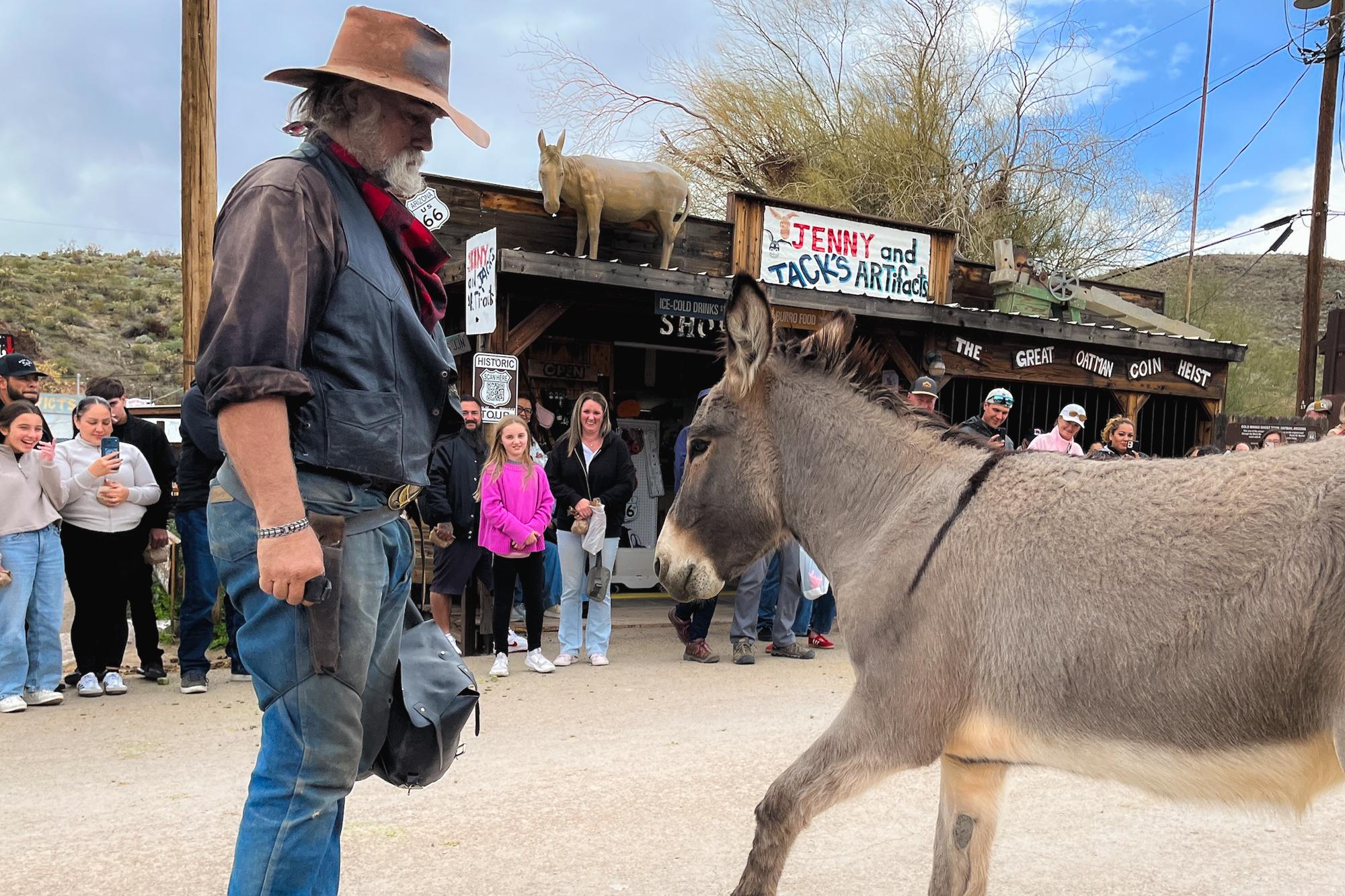
“We manage,“ Oatman historian Leanne Toohey said. ”We always have. Oatman doesn’t have a government. We don’t have a city council; we don’t have anything. No sheriff—no nothing. There’s a Chamber of Commerce that kind of helps with commerce things. There’s a fire department. It’s a real Wild West, volunteer fire department.”
“There’s a water company, so it pumps from a well into a tank and then down to our houses,“ Toohey said. ”A lot of the shops don’t have running water, so you'll notice that.”
Oatman is still an unincorporated community where, according to Toohey, neighbors handle the challenges of unfiltered self-government with a sense of teamwork, even if they sometimes clash.
Getting along can be “hit or miss,” she said.
“It’s like a big family, but very dysfunctional,” Toohey said. “Some people had arguments that lasted 40 years.”
An old-timer once shared a story about a deli in town that got into a feud. One day, someone threw dynamite under its doorway, Toohey said.
“And that was in the 1980s,” she said. “We try not to handle things that way anymore.”
If there is a crime or medical emergency, help can take a long time to arrive. The Mohave County Sheriff’s Office might not get there for two hours. Ambulances can take up to 45 minutes.
The closest supermarket is 21 miles away. Getting there means driving along Route 66’s rough mountain roads and sharp curves without guardrails.
These are just some of the challenges of living here, according to Toohey.
“Probably many rural places are like this,” she said. “GPS often doesn’t work well, so it can be hard to find.”
In 1955, Hollywood made the movie “Foxfire,” starring Jeff Chandler and Jane Russell, which featured two houses in Oatman that are still standing today. Another well-known film, “How the West Was Won,” was shot in the town in 1961. However, Route 66 did not become a major influence on Oatman’s tourism economy until the late 1980s.
When it comes to government, Toohey said, people in town tend to think that politicians are “jackasses eventually.”
Why not elect a real jackass as Oatman’s mayor?
“Do it right,” Toohey said, noting that Walter fits the bill perfectly. “He’s been mayor for about six years. We elect him every year. He’s got a wife now, too.”
Walter might not have an official title or make the big decisions, but his undeniable charm has everyone in town wrapped around his hoof. He has effortlessly become the heart and soul of the community.
Hank’s job is to show up at parades, take photos with locals, and stand outside the town hall during council meetings to help keep the mood relaxed and cheerful.
In 2022, people in Divide, Colorado, picked Clyde the mammoth donkey as their symbolic mayor. Before Clyde, the town had chosen dogs, cats, and even a wolf for the role. In Oatman, Oliver is the “alpha donkey,” or the leader of the Oatman herd, according to Toohey.
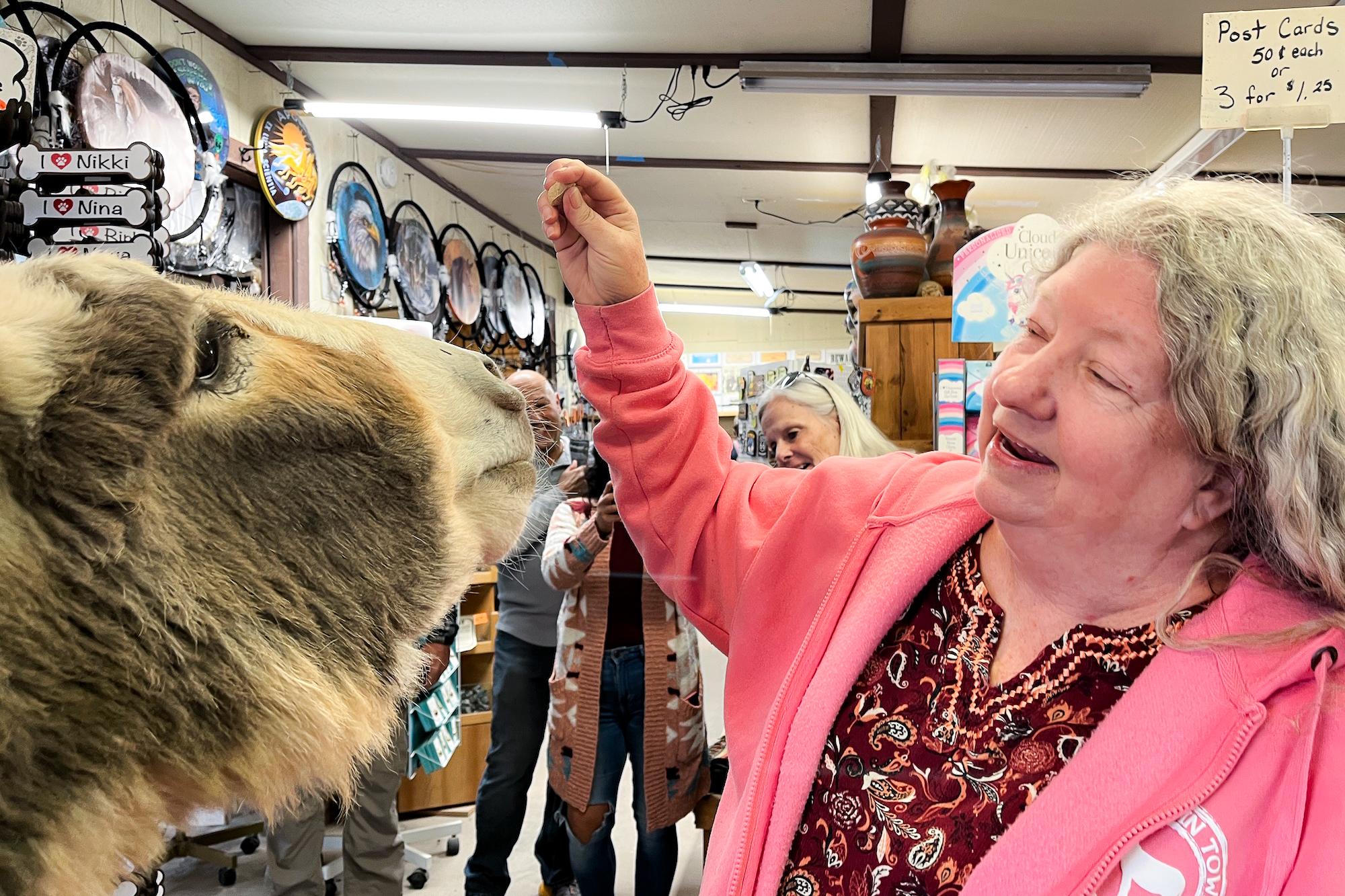
One late afternoon, the big burro walked into her souvenir shop to say “hello.”
“Oliver’s going to come in behind you,“ Toohey told a visitor. ”Don’t freak out. Hey, Ollie. Are you going to count?”
The hefty donkey tapped his right hoof five times, eager to show off his math skills. Tourists smiled and watched, clearly amused by his clever performance.
“Everybody has a different reason for coming here,” Toohey said.“People come because it’s on Route 66, because of the burros and the [mock] gunfights, or because it’s such a unique place with a rich history.”