
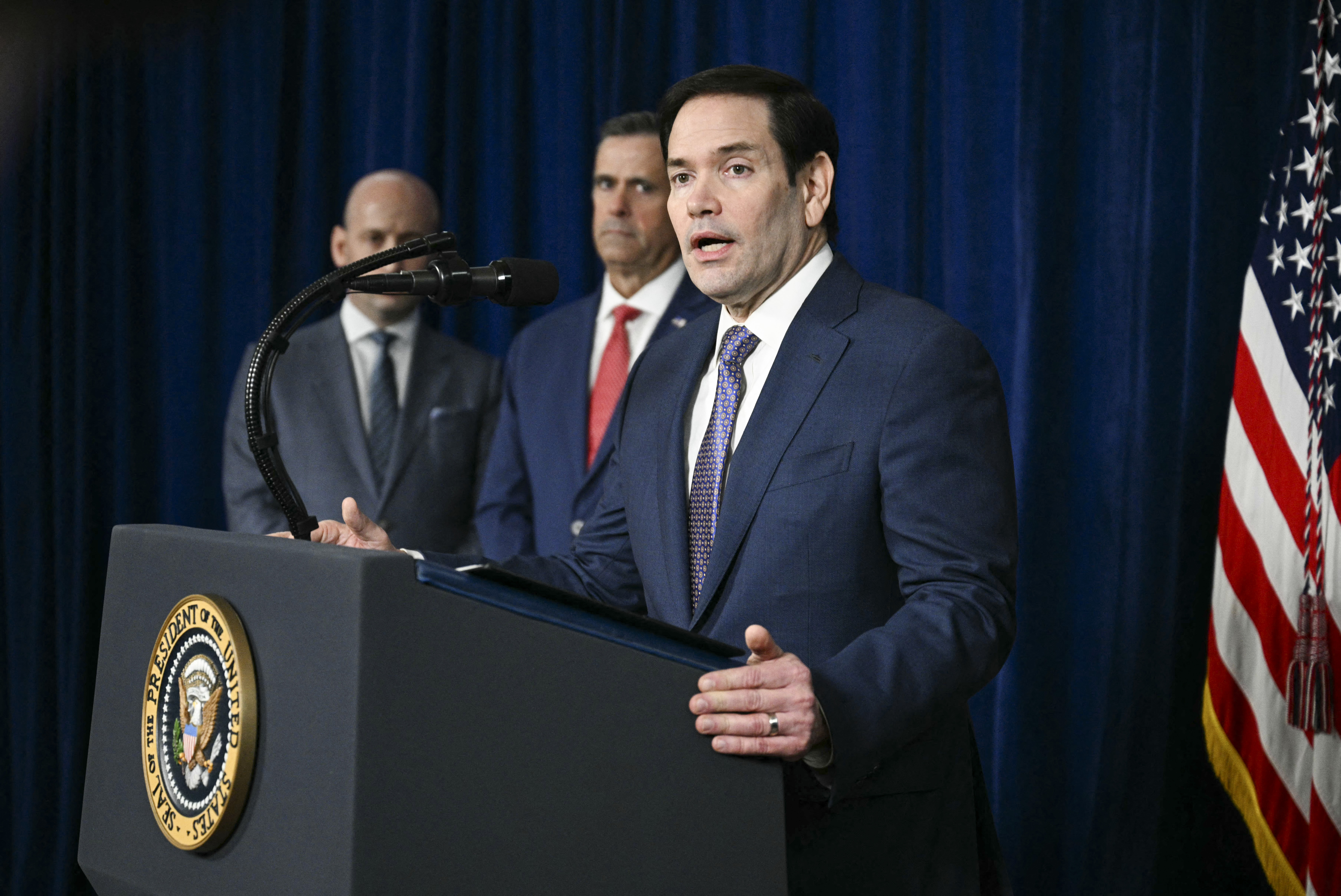
Following the U.S. military’s overnight mission in Caracas to capture Venezuelan leader Nicolás Maduro and his wife, Secretary of State Marco Rubio issued a direct warning to the leaders of Cuba.
Rubio called Cuba’s leaders “incompetent, senile men” during a Dec. 3 press conference, adding that if he worked in the regime in Havana he’d “be concerned, at least a little bit.”
President Donald Trump, flanked by Rubio and Secretary of War Pete Hegseth at Saturday’s briefing, called Cuba a “failing nation right now, a very badly failing nation.”
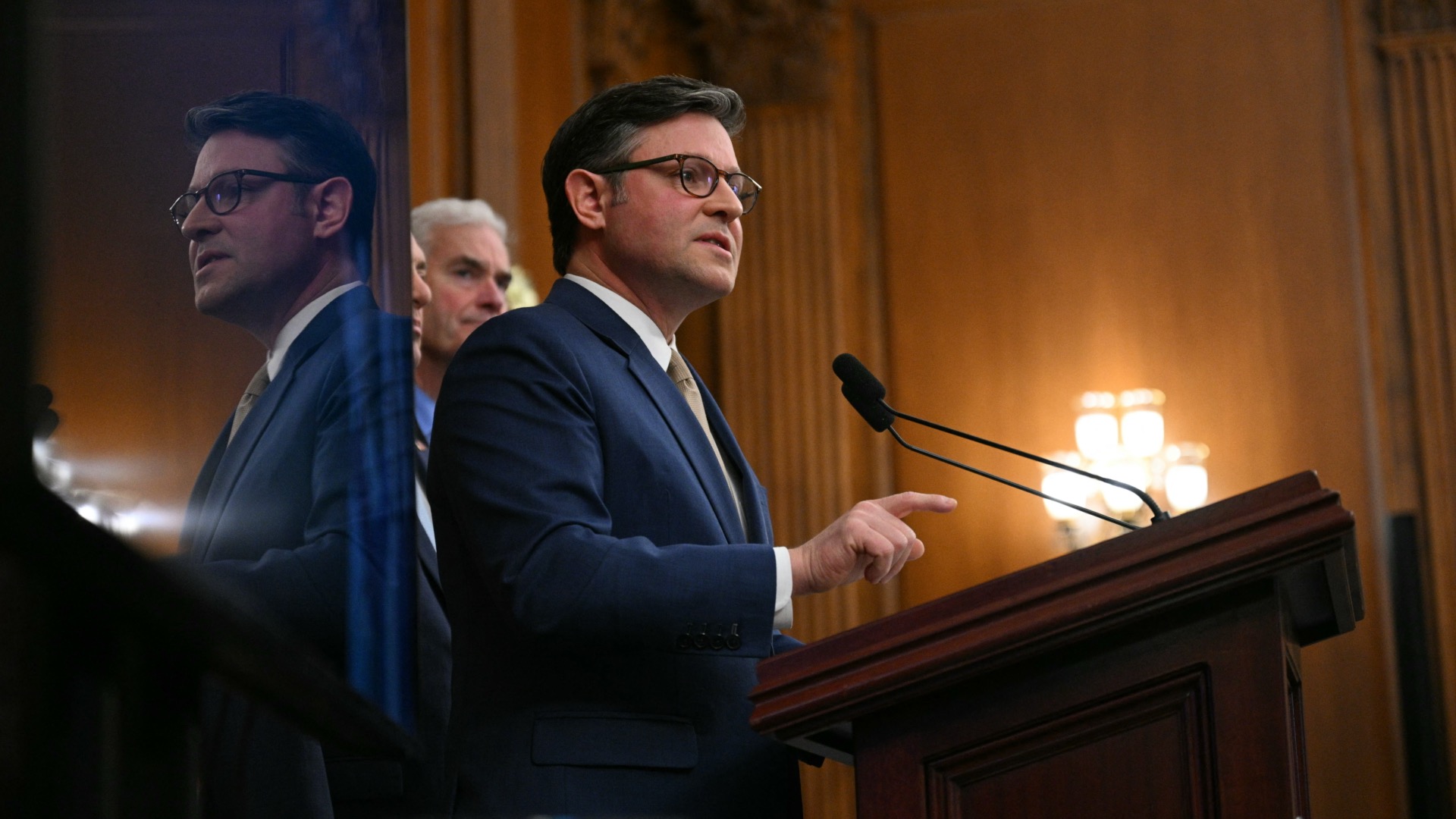
Mixed reactions poured in from U.S. lawmakers after President Donald Trump ordered an overnight strike resulting in the capture of Venezuelan leader Nicolás Maduro and his wife Cilia Flores at their home in Caracas on Jan. 3.
Most Republicans applauded the president’s decision.

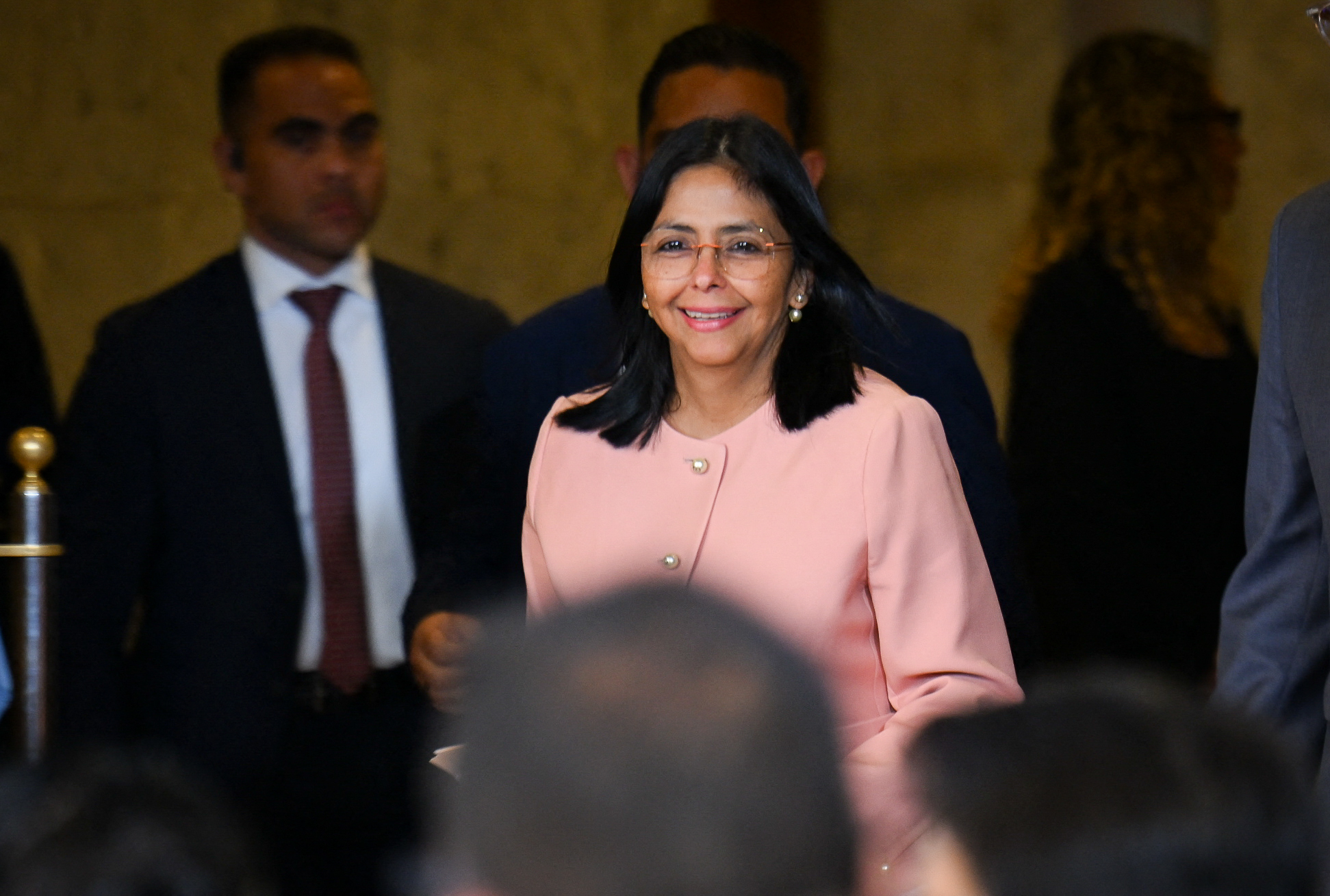
Former Venezuelan Vice President Delcy Rodríguez is now president of the country, U.S. President Donald Trump said, hours after a U.S. military operation captured former leader Nicolás Maduro and his wife, Cilia Flores, on Jan. 3.
“She was just sworn in, but she was, as you know, picked by Maduro,” Trump said.
“[Secretary of State Marco Rubio] is working on that directly. Just had a conversation with her, and she’s essentially willing to do what we think is necessary to make Venezuela great again. Very simple.”

Venezuela holds the world’s largest proven oil reserves, yet its petroleum industry—once among the most productive on earth—has been reduced to a fraction of its former capacity after years of mismanagement, underinvestment, and international sanctions.
Vast Reserves, Limited Output
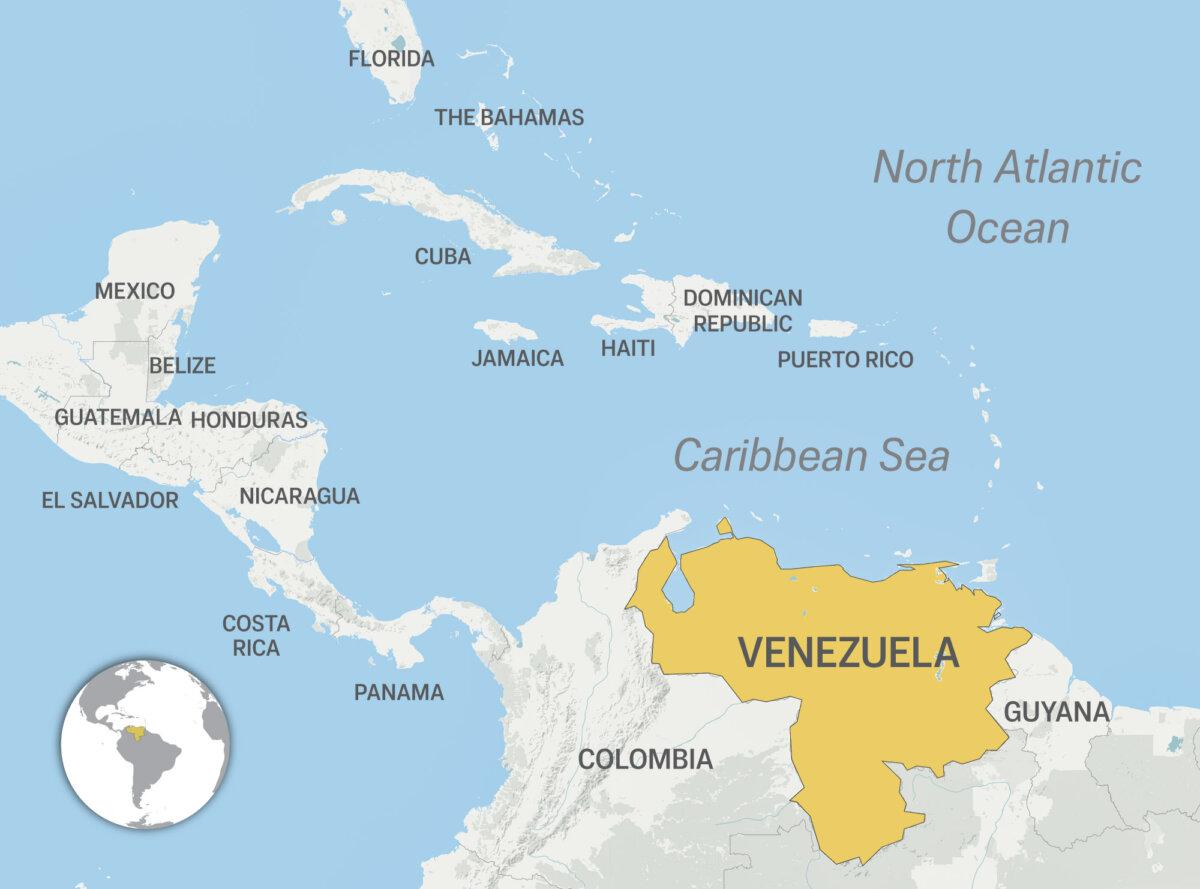
Venezuela sits atop roughly 303 billion barrels of proven crude reserves, or about 17 percent of global reserves—more than any other country, including Saudi Arabia, according to the U.S. Energy Information Administration (EIA). Most of that oil is concentrated in the Orinoco Belt, where extra-heavy crude dominates.
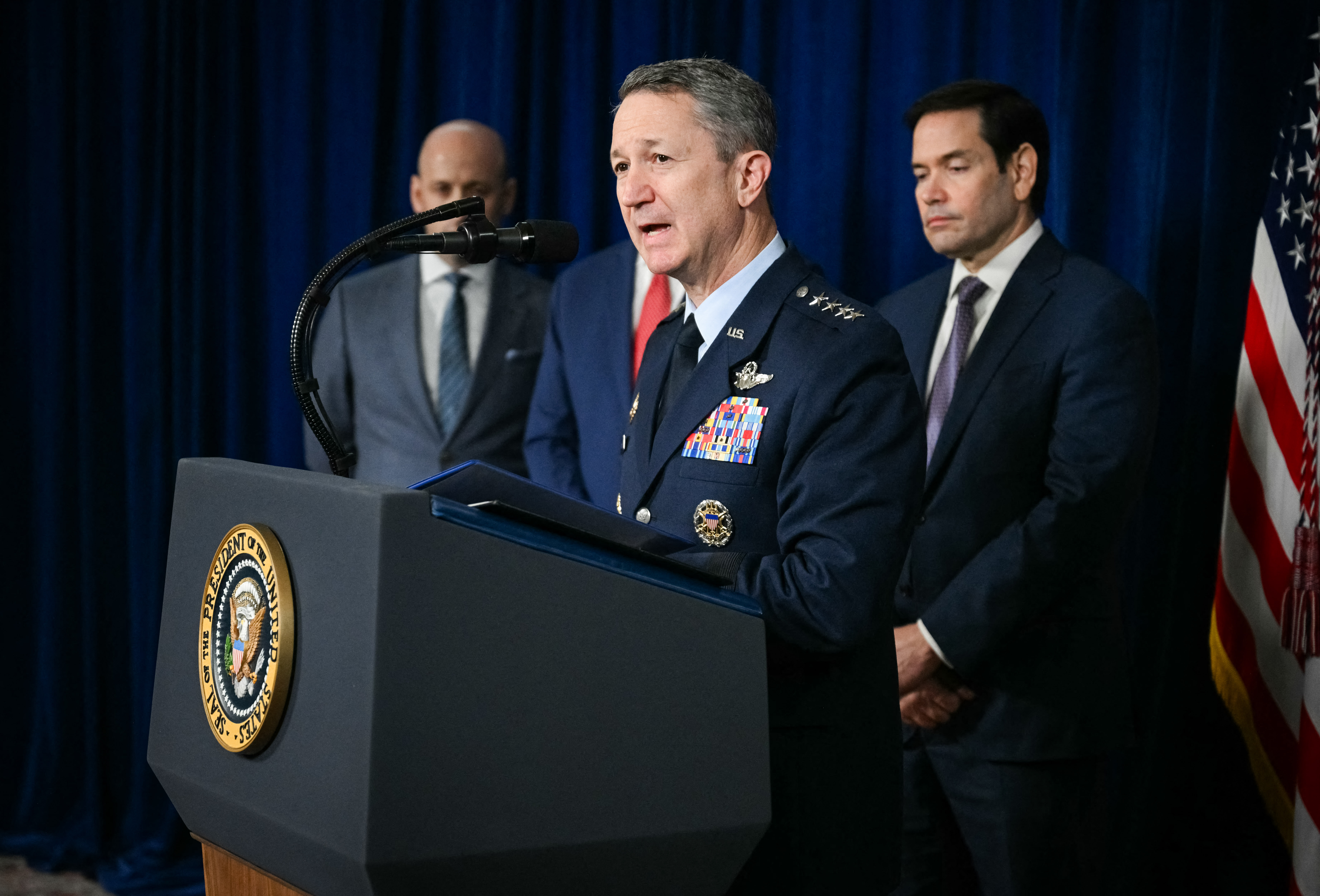
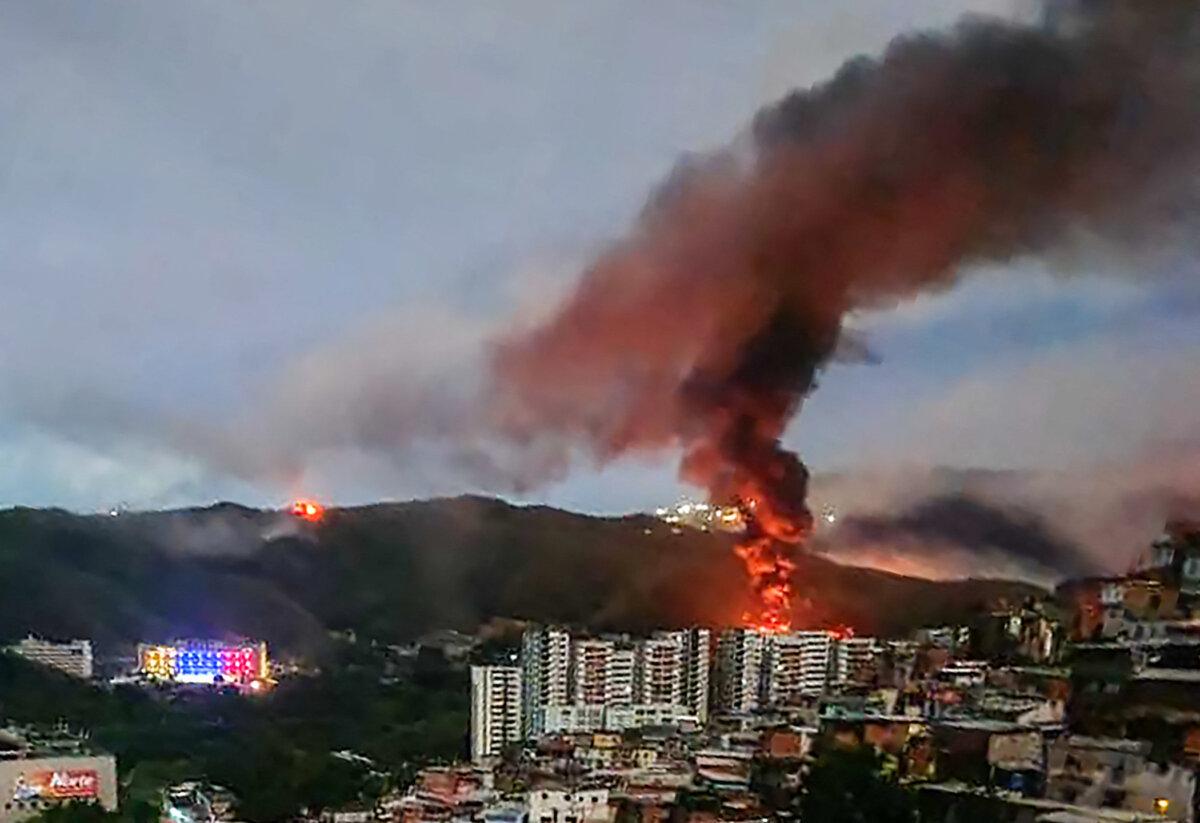
Late in the evening on Jan. 2, President Donald Trump ordered U.S. special operations forces to launch a helicopter-borne raid on the Venezuelan capital city of Caracas to capture the wanted Venezuelan leader Nicolás Maduro. The operation that followed was the culmination of months of preparation and weeks of waiting for the perfect window of opportunity.
It was a complex mission during which much could have gone wrong, officials said.
“We could’ve lost a lot of people last night. We could’ve lost a lot of dignity. We could’ve lost a lot of equipment. The equipment is less important, but we could’ve lost a lot,” Trump said at a press conference from his Mar-a-Lago resort in Palm Beach, Florida, on Jan. 3.

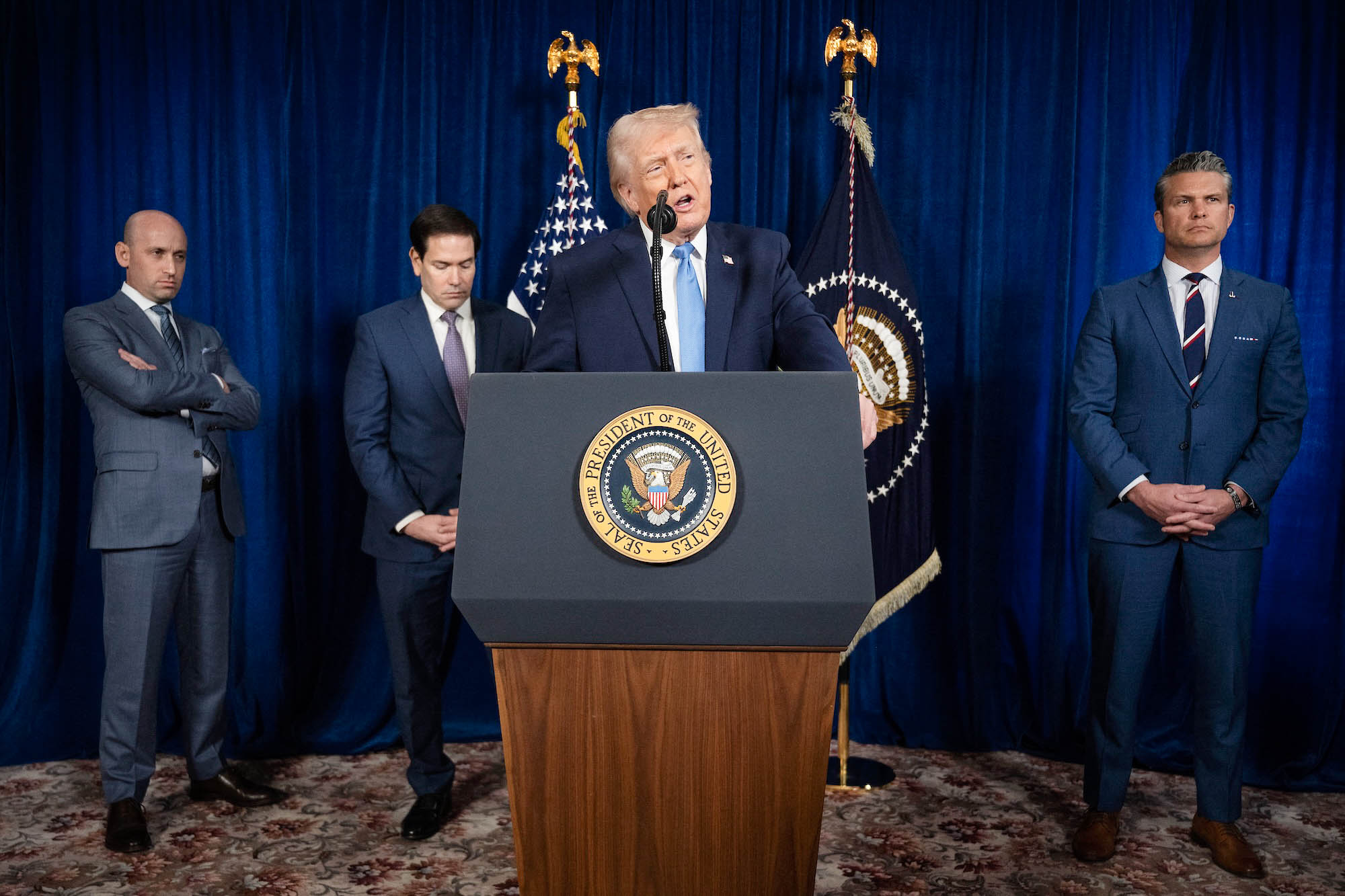
President Donald Trump shared his plans for Venezuela on Jan. 3 during a press conference at Mar-a-Lago in Florida, outlining what would happen next and who would lead the country after what he called an “extremely successful” U.S. military operation that removed Venezuelan leader Nicolás Maduro from power the night before.
Trump made it clear that the United States will remain in control until a “safe, proper, and judicious transition” to a new government in Venezuela is possible.
“The dictator and terrorist Maduro is finally gone in Venezuela, people are free,” Trump declared.

Venezuela’s de facto vice president Delcy Rodriguez addressed the nation in a televised speech demanding Nicolás Maduro’s release, while expressing a desire to maintain dialogue with the United States.
“Here, we have a government with clarity, and I repeat and repeat again … we are willing to have respectful relations,” she said, referring to the Trump administration.

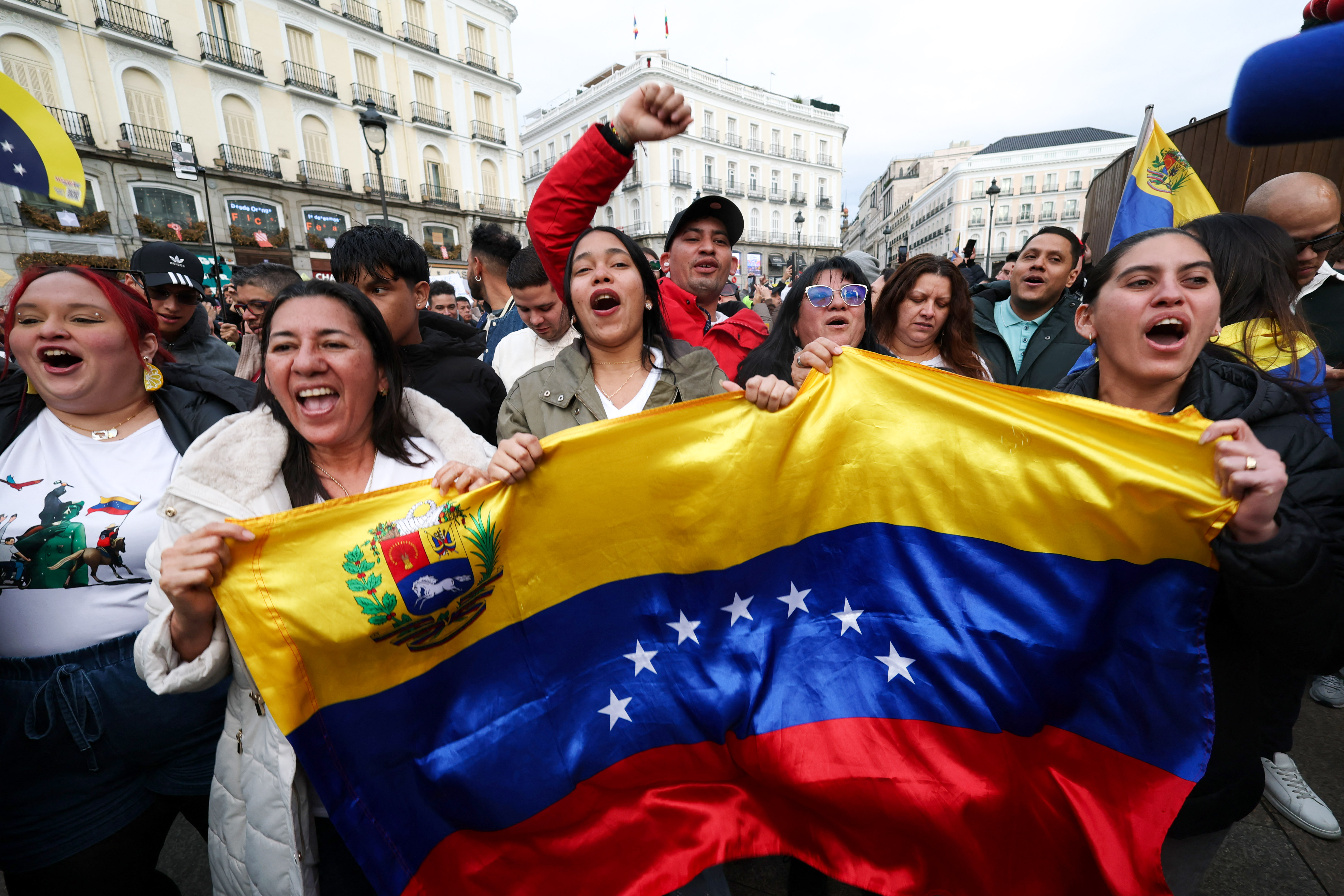
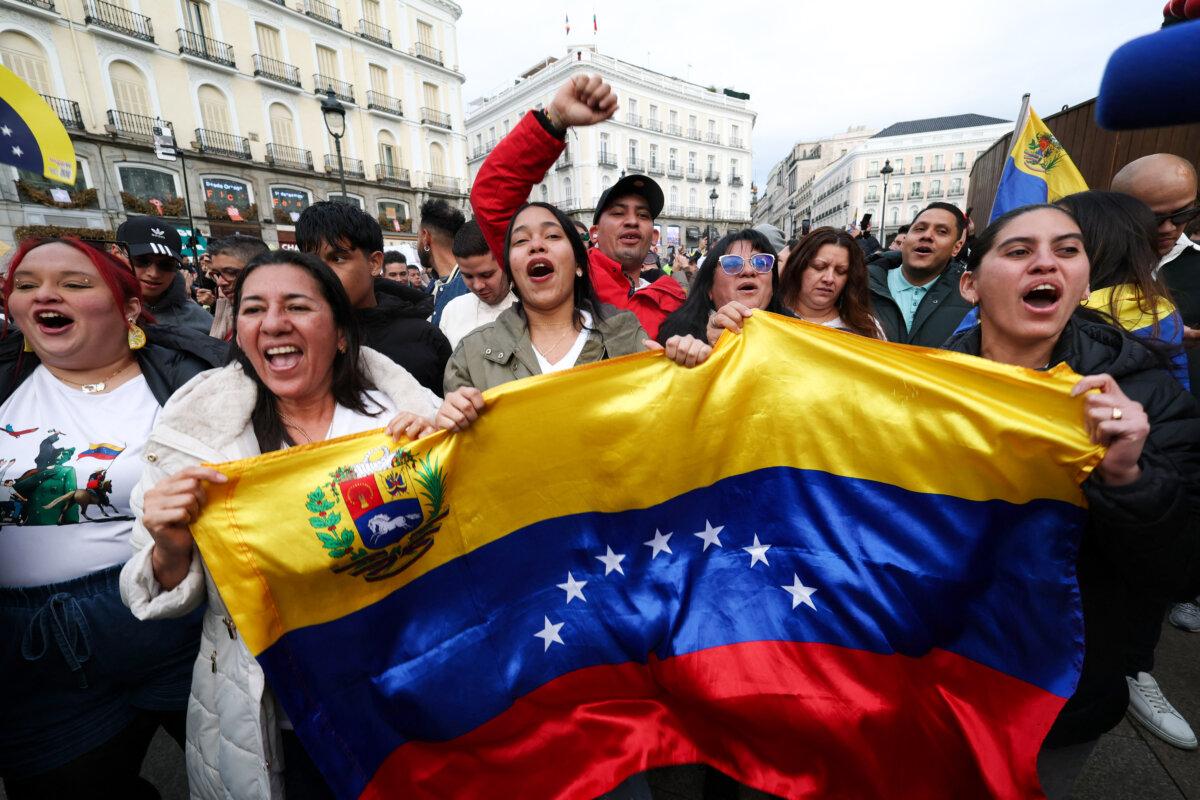
As Venezuelans living abroad and in the United States praised the capture of Venezuelan President Nicolás Maduro by the U.S. military, they are concerned about what comes next for the South American country and how to fully remove what they say has been an entrenched regime.
One Venezuelan man in the United States, who wished to remain anonymous for fear of political retaliation against relatives still in Venezuela, spoke with The Epoch Times about how he and his family became U.S. citizens after fleeing Venezuela under then-President Hugo Chavez’s regime, seeking asylum as political refugees in Florida in 2010.
He said he has deep knowledge of the inner workings of the Venezuelan regime, having served at a high level in the country’s federal justice system and fought against Chavez’s influence that trickled into all facets of the system.

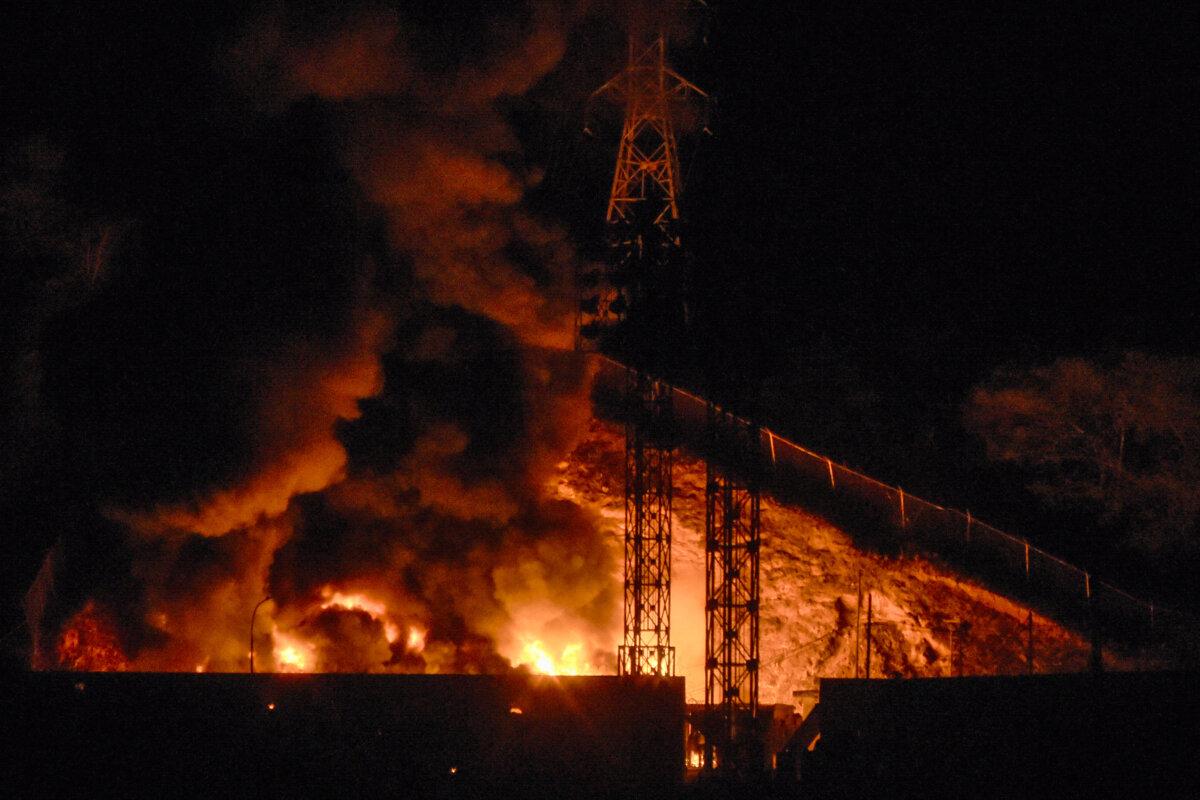
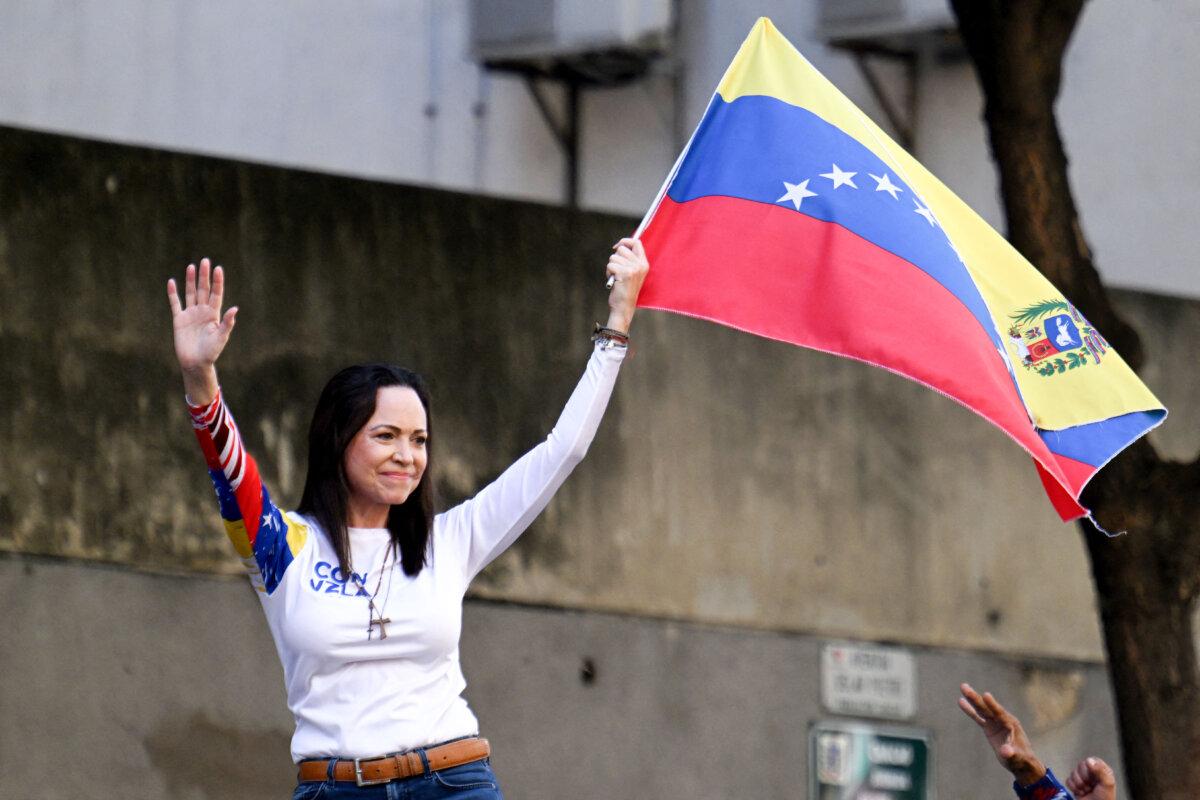
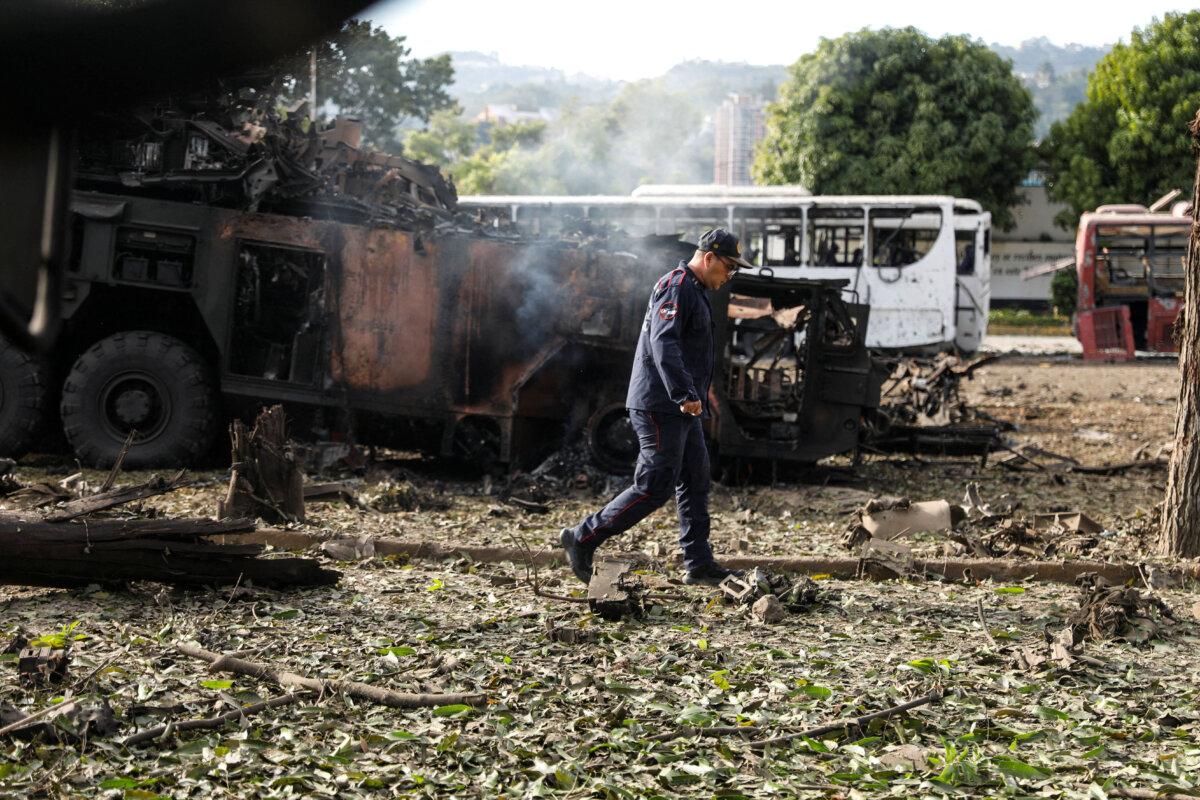

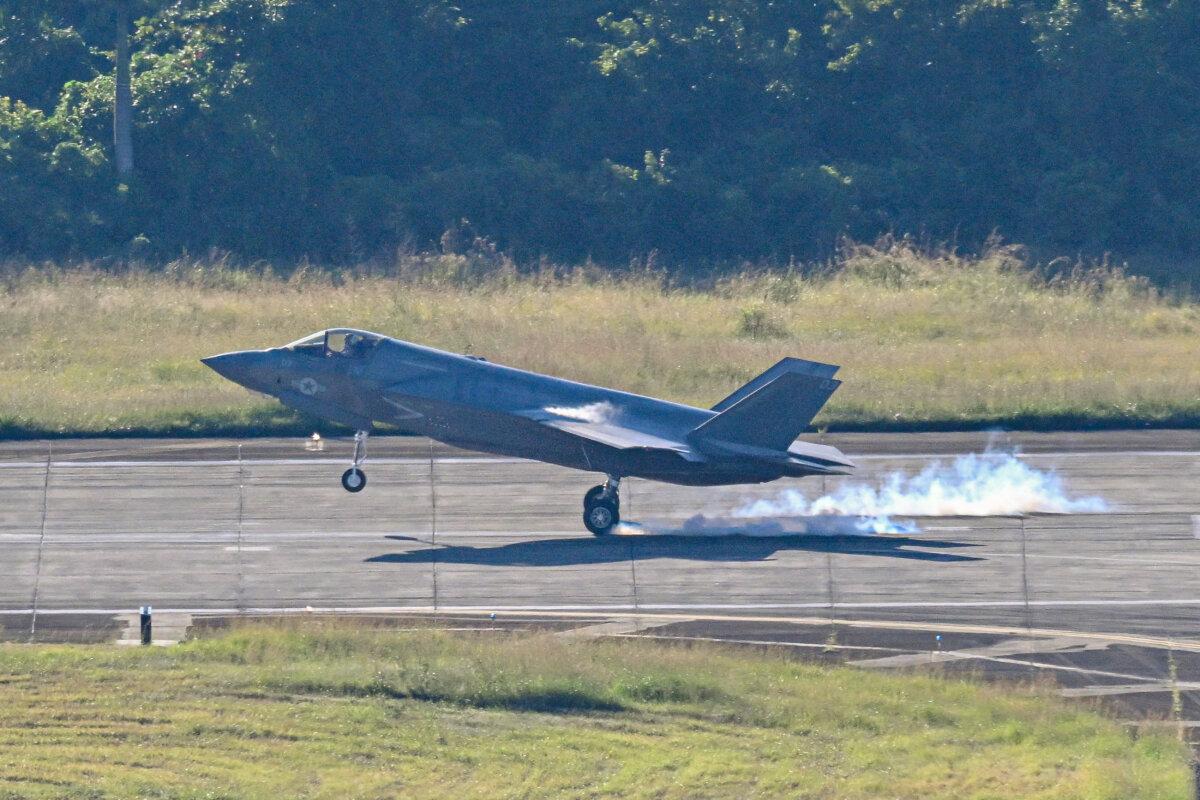
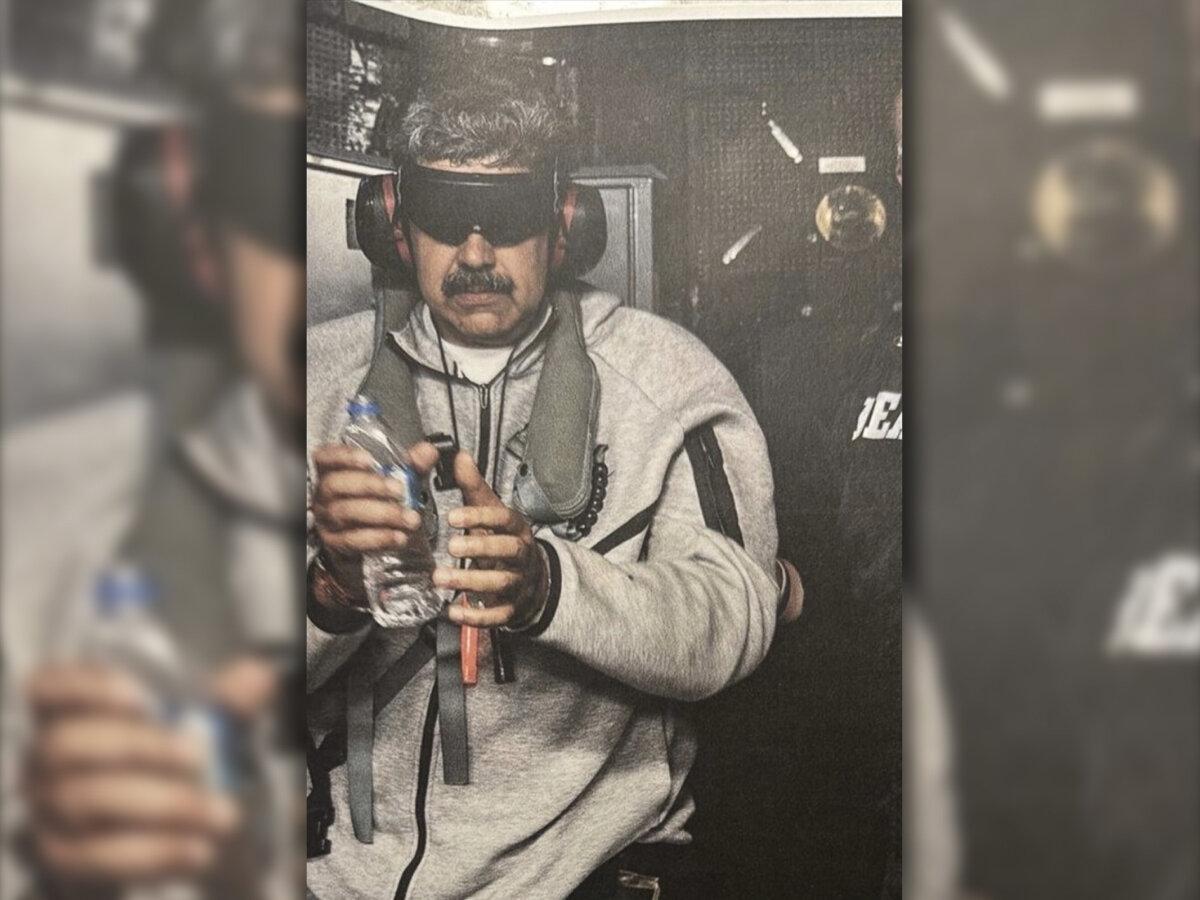
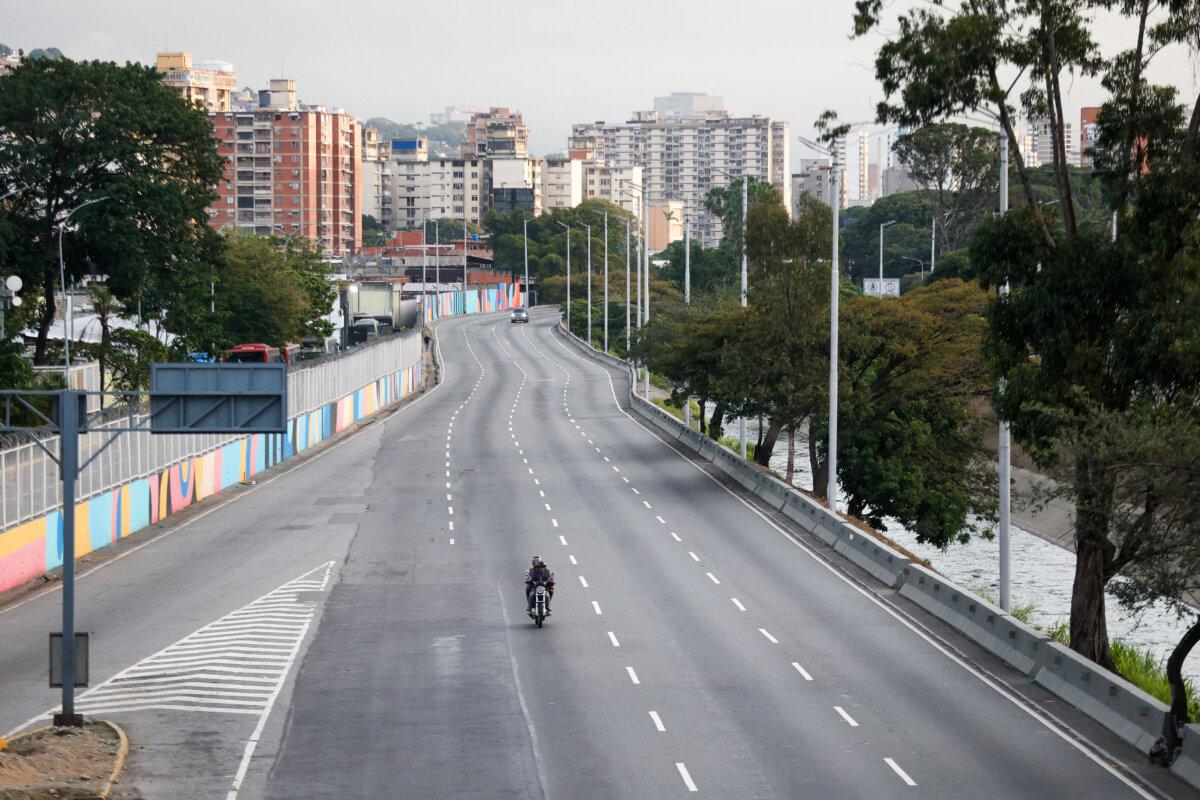
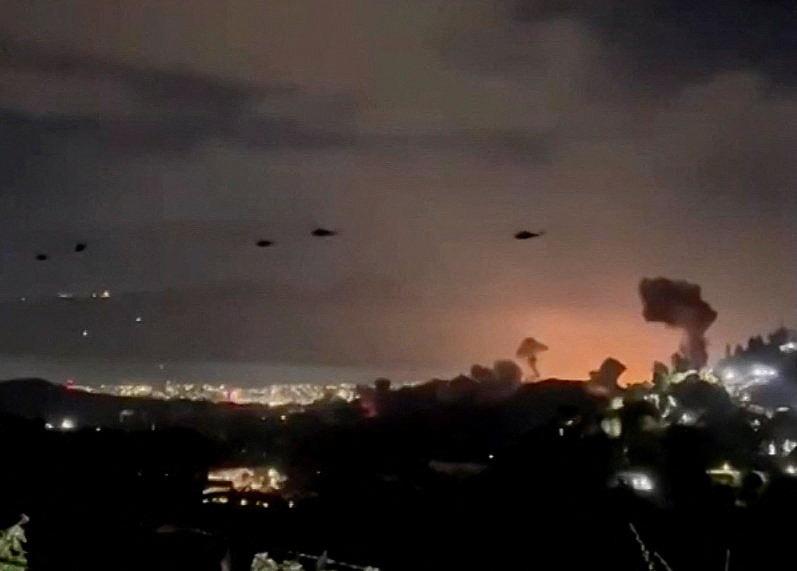

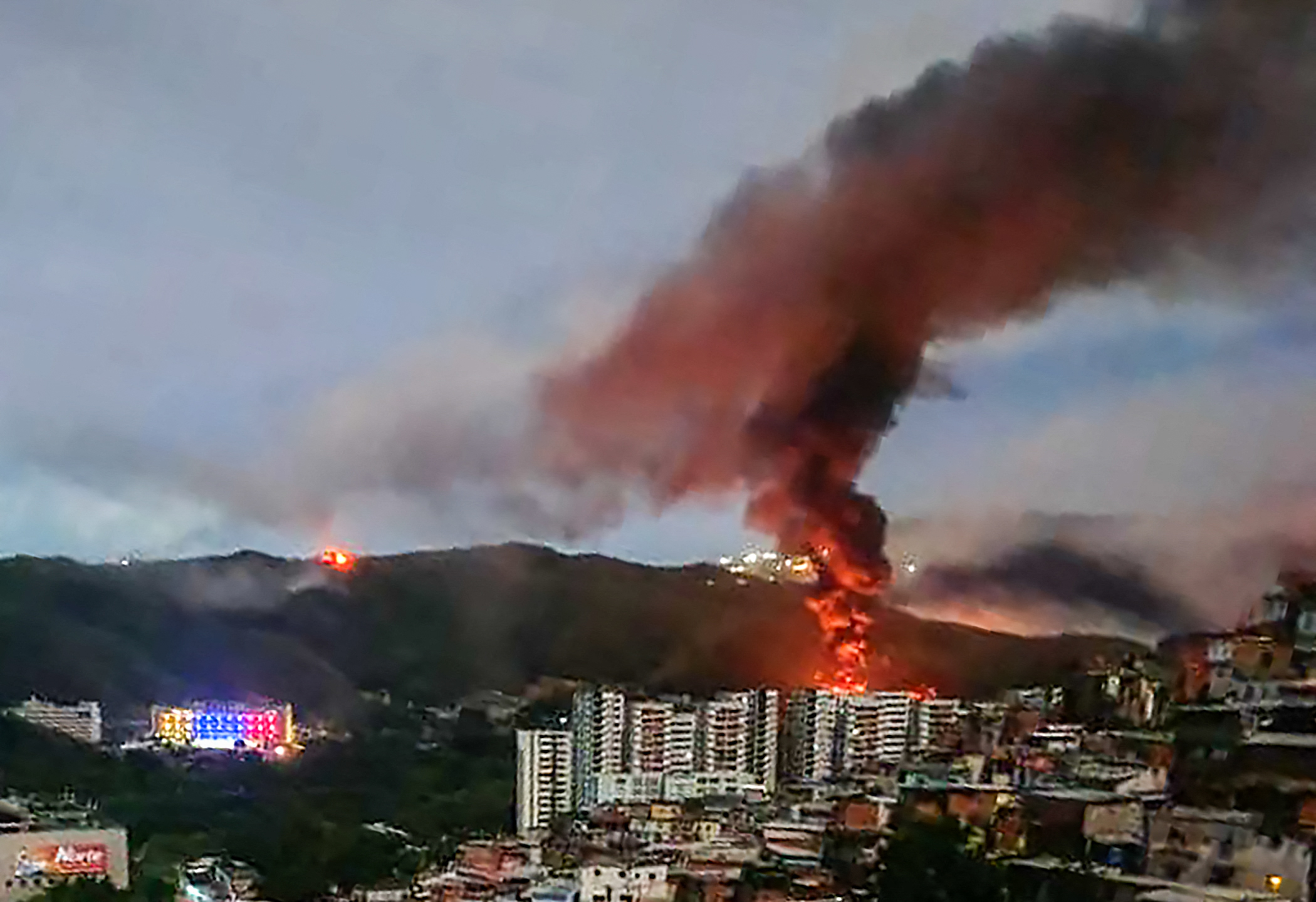
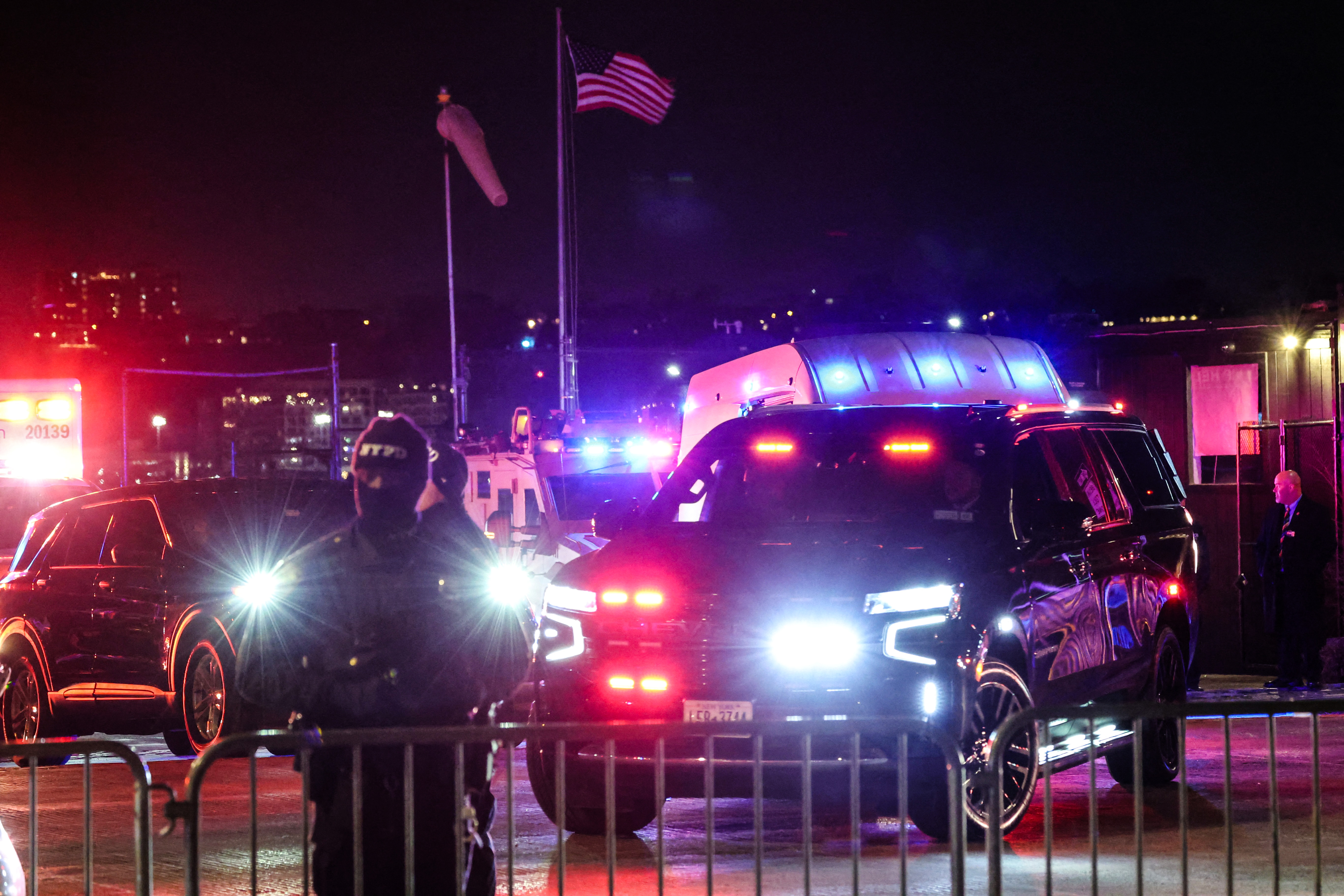
U.S. special operations forces captured Venezuelan President Nicolás Maduro and his wife, Cilia Adela Flores de Maduro, in an overnight operation on Jan. 3, and flew them out of the country to face criminal charges in the United States.
Maduro Captured From Military Fort
Nahum Fernández, the leader of Maduro’s ruling United Socialist Party of Venezuela, told The Associated Press that Maduro and his wife were at their residence in the Fort Tiuna military complex in the Venezuelan capital Caracas at the time of the U.S. operation.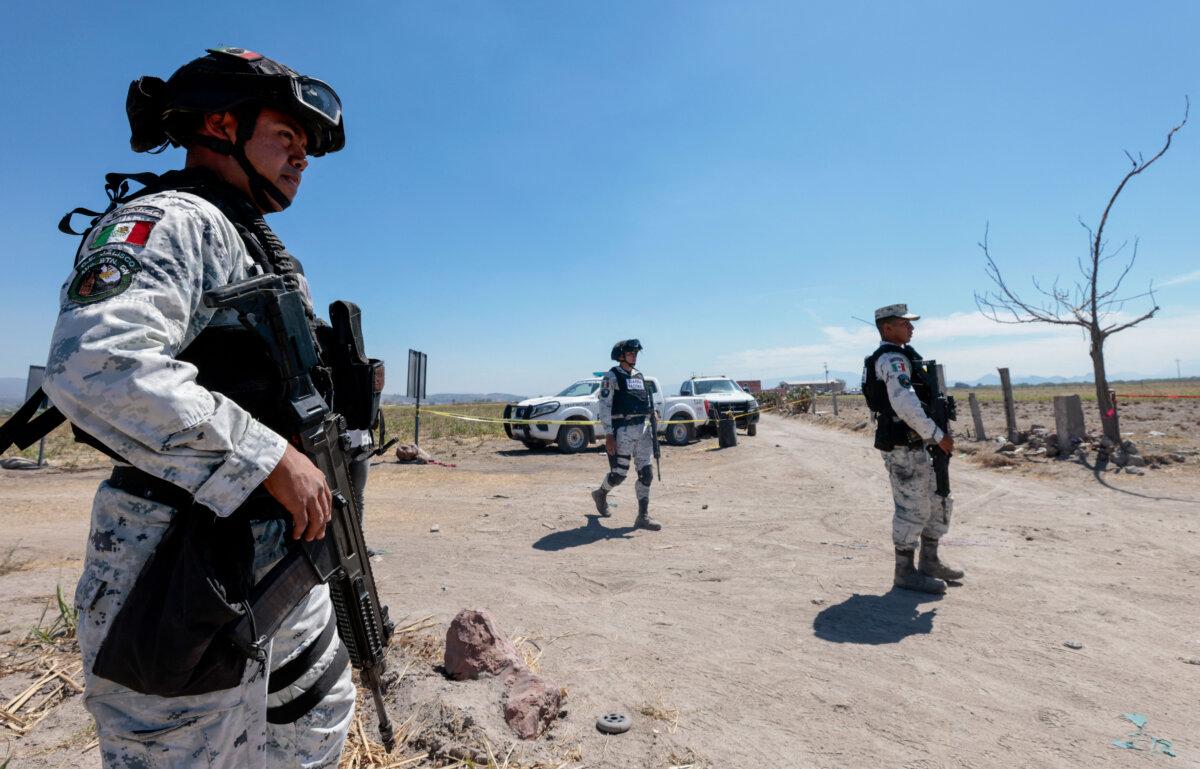
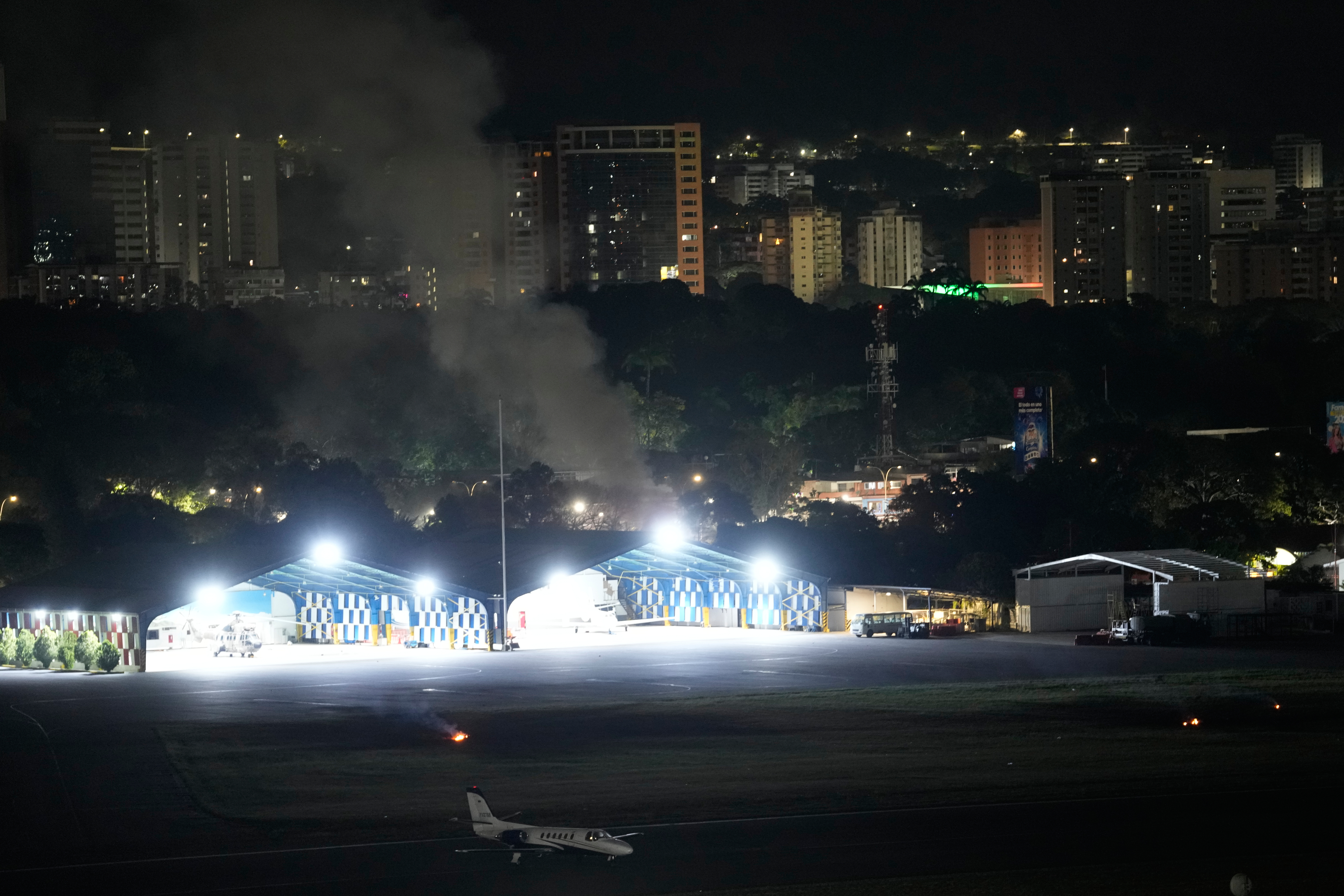
Leaders in Argentina and Ecuador backed the U.S. operation.
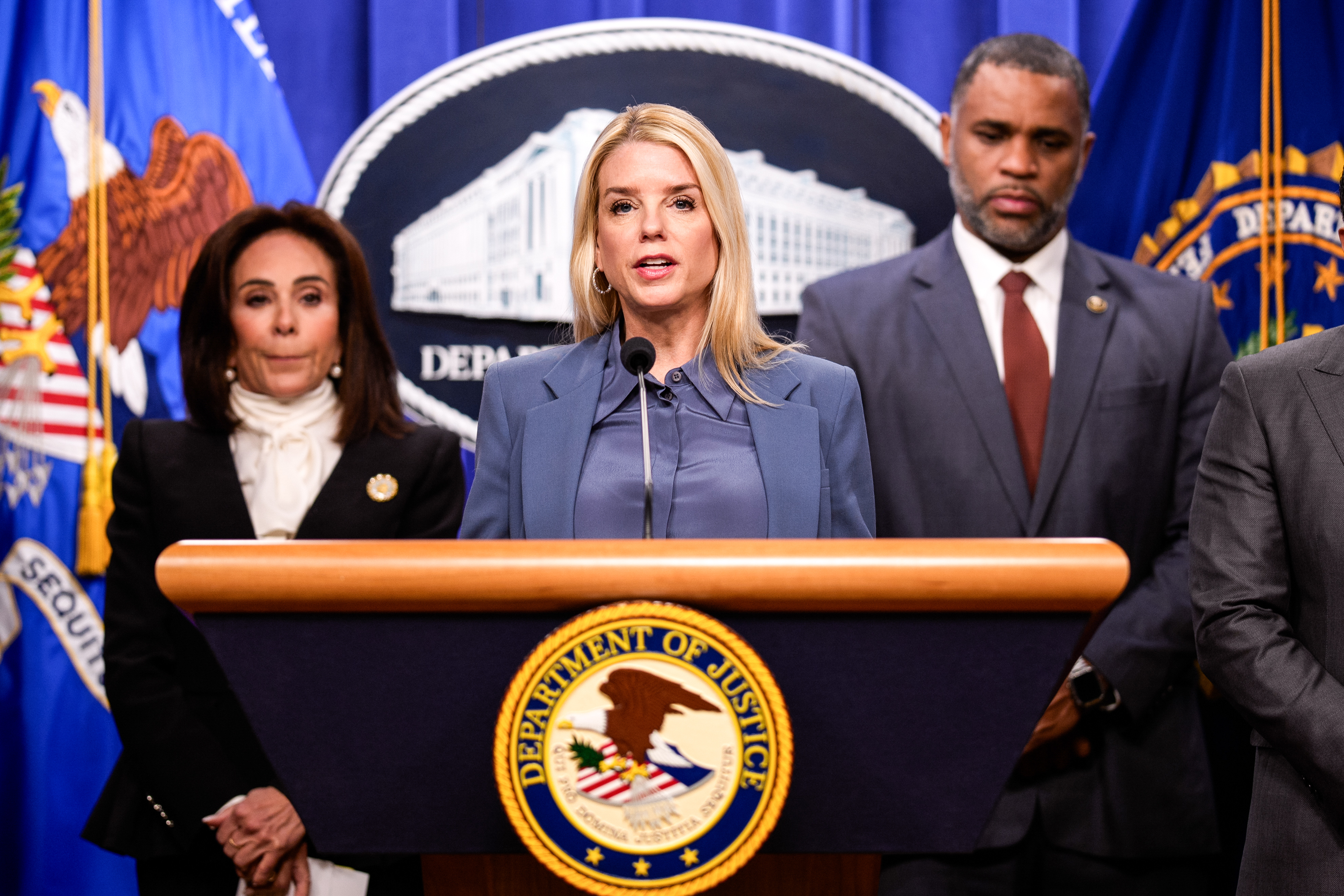
Nicolás Maduro and his wife, Cilia Flores, were indicted in the Southern District of New York, U.S. Attorney General Pam Bondi announced early on Jan. 3.
Bondi issued the statement hours after Maduro and Flores were captured and extracted by U.S. armed forces in Caracas in the early hours of Jan. 3.