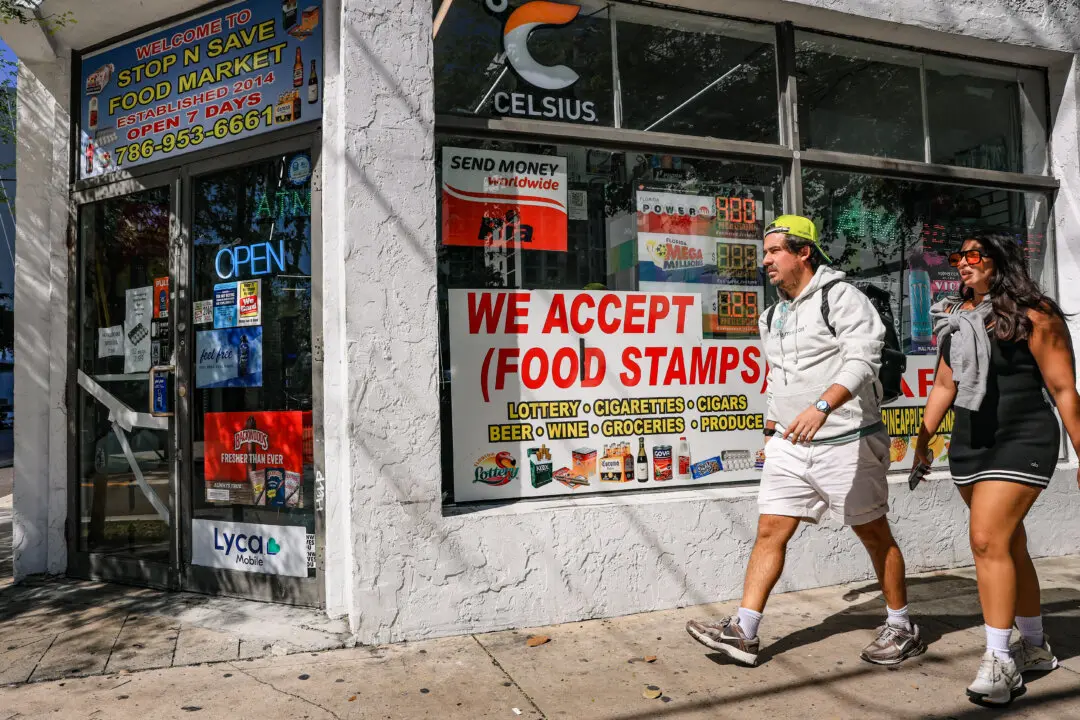
The U.S. economy accelerated in July at its fastest pace so far in 2025, according to a closely watched purchasing managers’ survey released on July 24, which showed surging demand for services—even as factory activity slipped back into contraction.
The services sector led the gains, with its business activity index jumping to 55.2, hitting a seven-month high.
Factory activity faltered, however, with the manufacturing PMI dropping to 49.5 in July. This was the first reading below 50 this year, indicating a renewed downturn for the manufacturing sector, which President Donald Trump has been trying to revitalize with tariffs and other policies meant to rebuild the nation’s eroded industrial base.
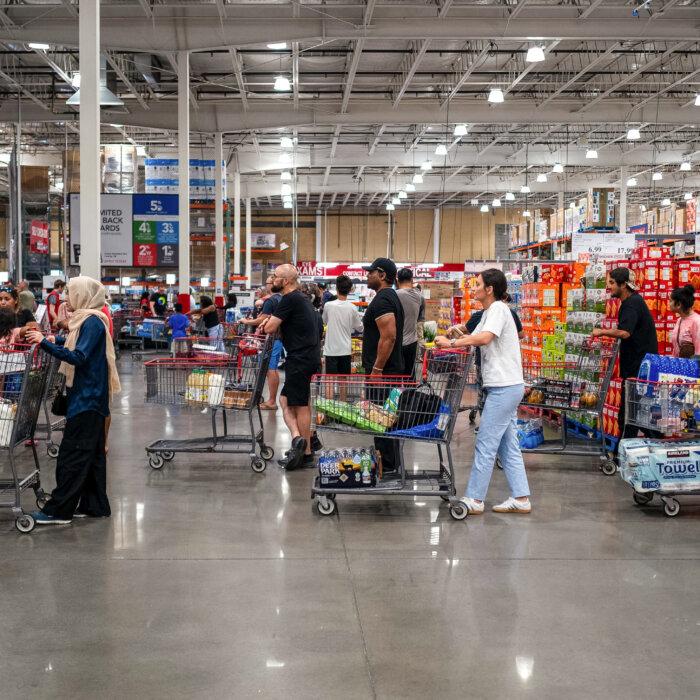
The split points to an uneven recovery, with households and businesses continuing to spend on services in July, while factories reported new orders falling for the first time this year, along with leaner inventories after manufacturers rushed to build up stockpiles in May and June ahead of the Trump administration’s anticipated tariffs.
“Growth was worryingly uneven and overly reliant on the services economy as manufacturing business conditions deteriorated for the first time this year, the latter linked to a fading boost from tariff front-running,” Chris Williamson, chief business economist at S&P Global Market Intelligence, said in a statement.
Overall, the PMI data suggest that the U.S. economy grew at a sharply faster rate at the start of the third quarter—consistent with a 2.3 percent annualized pace of growth—compared with the 1.3 percent that earlier S&P Global PMI surveys signaled for the second quarter, Williamson said.
Meanwhile, inflationary pressures jumped in July, with the PMI survey flagging the second-sharpest increases in prices for goods and services in the past three years. Nearly two-thirds of manufacturers who reported higher input costs linked them to tariffs, while just under half of all respondents attributed increased selling prices to the administration’s trade policies.
“The rise in selling prices for goods and services in July, which was one of the largest seen over the past three years, suggests that consumer price inflation will rise further above the Federal Reserve’s 2 percent target in the coming months as these price hikes feed through to households,” Williamson predicted.
The Fed, which raised rates aggressively in 2022 and 2023 to tame inflation, cut them three times in late 2024 and has since paused to assess the impact of the Trump administration’s trade and fiscal policies. Federal Reserve Chair Jerome Powell told lawmakers in June that the full effects of the latest tariffs might not become clear until mid‑summer.
Business sentiment grew more cautious despite stronger headline growth. The PMI survey found confidence about the year ahead slipping to one of its lowest levels in more than two years, reflecting uncertainty over federal spending cuts and the durability of the services boom.
“Even in manufacturing, any protectionist benefits of import tariffs were often outweighed by concerns over higher prices and rising costs,” the PMI survey stated.