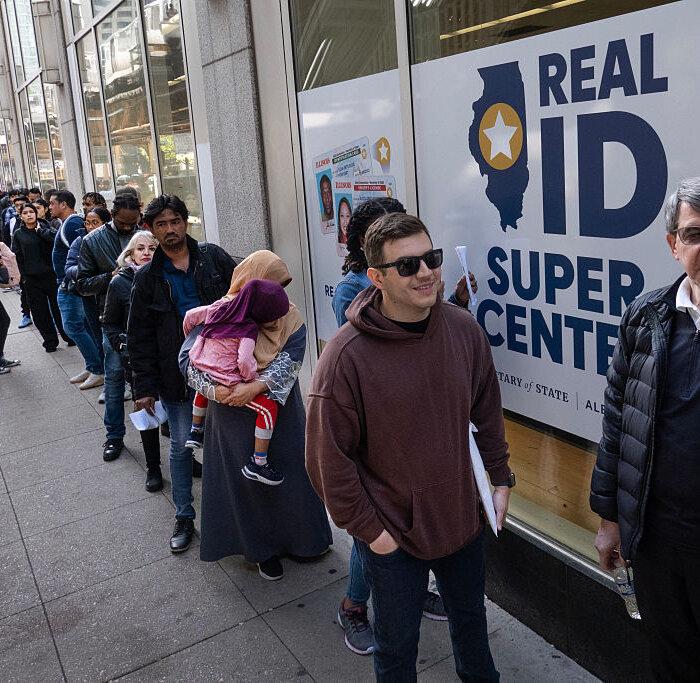
The new enforcement began on May 7, marking the end of repeated delays to implement a key post-9/11 security measure. Under the REAL ID Act of 2005, standard driver’s licenses must meet stricter federal security standards to be accepted at airport checkpoints. More than 93 percent of passengers now present either a REAL ID or an acceptable alternative, such as a passport, McNeill said.
McNeill noted that, as the 9/11 Commission Report stated, travel documents are “as important as weapons” for terrorists.
“This Administration will no longer delay the decades-long deferment of these requirements,” she added, noting collaboration with Department of Homeland Security Secretary Kristi Noem. TSA was formed under DHS in the wake of the Sept. 11, 2001, terrorist attacks in the United States.
McNeill said the enforcement comes as TSA braces for record-breaking passenger volumes during the 2026 World Cup across 11 U.S. cities and the 2028 Summer Olympics in Los Angeles.
The agency is committed to improving both security and the traveler experience, she said, calling this period a “strategic crossroads” for the agency and for the broader U.S. transportation network.
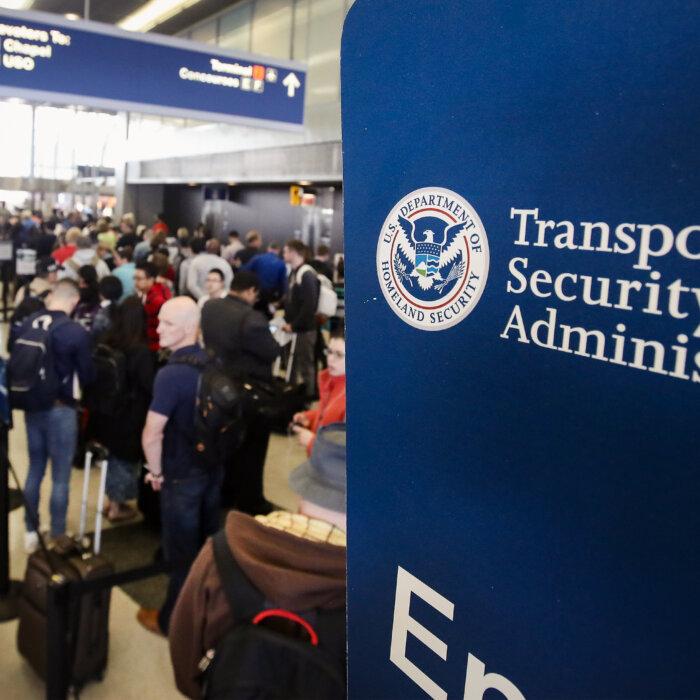
McNeill highlighted the rollout of upgraded screening technologies. As of April, TSA had deployed more than 2,100 Credential Authentication Technology (CAT) machines and nearly 1,000 Computed Tomography (CT) scanners.
CAT machines verify IDs and boarding information, and many now support mobile driver’s licenses and optional facial recognition. CT scanners allow passengers to keep laptops and liquids in bags by generating 3D images of carry-on contents.
Still, a full rollout to all 432 commercial airports is years away, the agency said. TSA expects to finish installing CAT machines nationwide by 2049 and CT scanners by 2043, barring further delays.
The agency screened 904 million passengers, 494 million checked bags, and 2.1 billion carry-on bags in 2024, said McNeill, who described these as “record highs” for U.S. airports. She added that 3 million passengers are screened on peak days.
The written testimony further emphasized a shift in priorities under Secretary Noem, saying DHS is moving toward “innovation, organizational accountability, and a renewed focus on passenger experience and security” and away from the Biden administration’s focus on diversity, equity, and inclusion (DEI).
“With continued support from Congress and this Committee, a screening process that is efficient, technologically integrated, secure, and more affordable to the American taxpayer is within our grasp,” she said.