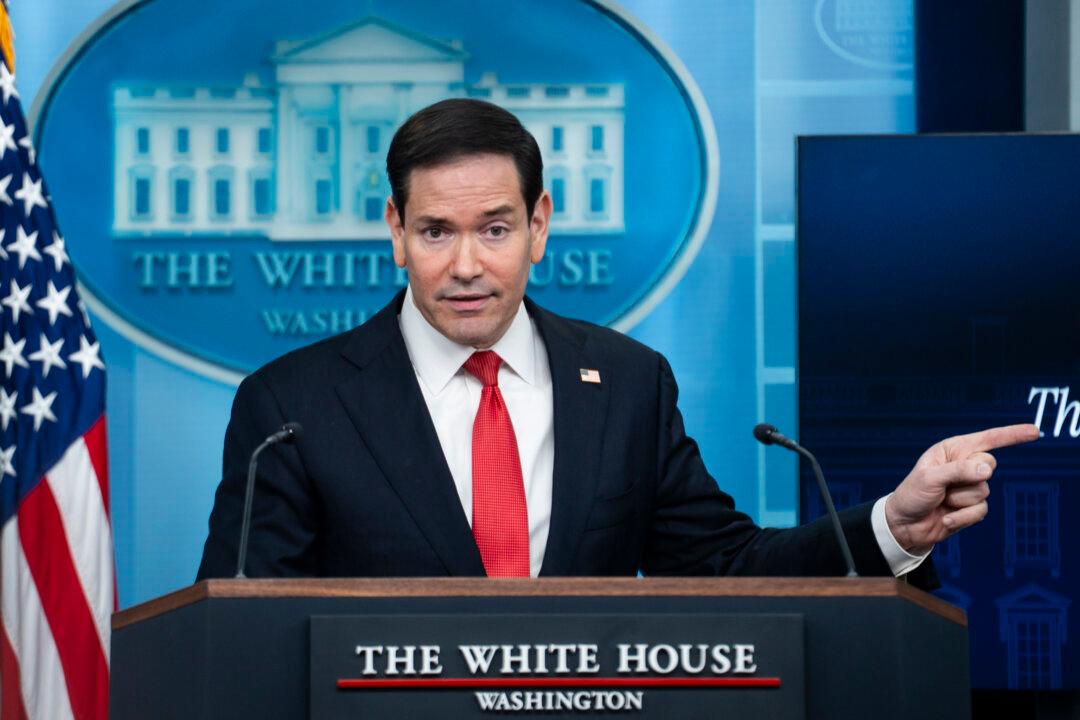
President Donald Trump said Friday that the United States would hold Canada responsible for the smoke from wildfires that drifted down from Ontario and impacted the air quality of multiple states this week.
“We are holding Canada responsible for the fact that they are not properly maintaining their Forests, and Brush therein, and the United States is being unnecessarily invaded by filthy, polluted, and unhealthy air, the quality of which is dangerous, and totally unacceptable!” Trump said in a Friday post on Truth Social.
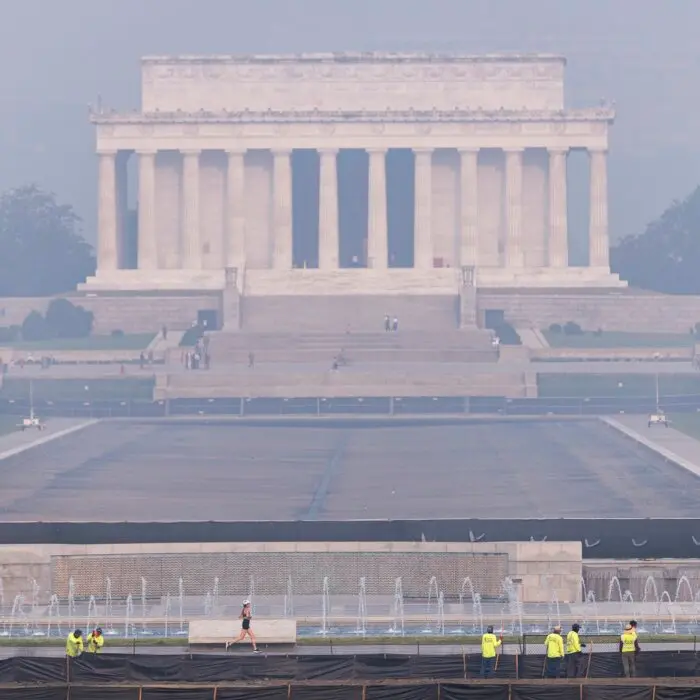
The National Weather Service warned that air quality would remain a concern over the weekend as “northwesterly flow continues to usher in smoke from Canadian wildfires toward the northeastern quarter of the nation.”
Trump said on Friday that he would call Canadian Prime Minister Mark Carney to find out what the Canadian government planned to do about the ongoing wildfires. He also suggested that the cost of the wildfires was “incalculable.”
“Canada has refused to engage in basic Forest Management and Debris Removal, knowing that such refusal will lead to exactly this result,” Trump said. “This is Willful Negligence, and becoming a yearly occurrence, costing the United States Billions of Dollars, which cost of this pollution must of necessity be added to the TARIFFS Canada is currently paying.”
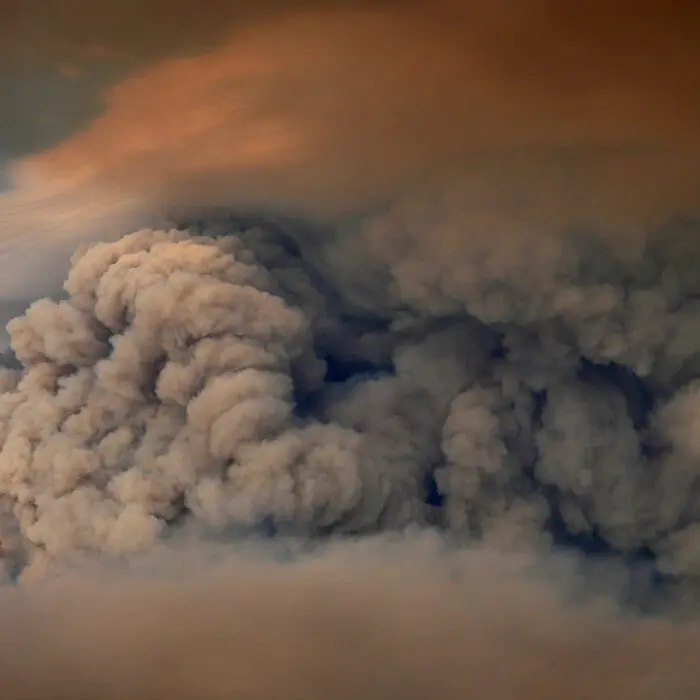
As of Friday afternoon, there were a total of 897 active wildfires across Canada, according to the Canadian Interagency Forest Fire Centre. The agency listed 750 of the wildfires as “out of control” and noted that 53 new fires had been observed on Friday.
Environment Canada warned Friday that many of the cities in the southern and southwestern parts of Ontario were at the highest risk level of its air quality health index for both Friday and Saturday.
Meanwhile, IQAir, a company that tracks air quality, said that the most severely impacted cities in the United States as of July 17 included Chicago, Cleveland, Detroit, Milwaukee, Minneapolis, New York, Philadelphia, Pittsburgh, and Washington.
The representatives said older residents, children, and dialysis patients had been treated at Michigan hospitals due to the effects of wildfire smoke that “did not originate anywhere near them.” They accused Canada of not adequately taking steps to mitigate the hazards that led to the wildfires.
“This is the third consecutive year we have had to write to Canadian officials about a crisis that Canada has the tools to prevent and has chosen not to,” the lawmakers wrote, later adding, “If Canada will not manage its forests to prevent these fires, the United States will look elsewhere, and act on our own, to protect our people.”
On Wednesday, U.S. Ambassador to Canada Pete Hoekstra said that the challenge of wildfires “knows no borders” and commended what he described as “outstanding cooperation” between the United States and Canada to confront the wildfires.
Responding to criticism from U.S. lawmakers, Ontario Premier Doug Ford suggested on Friday that they should remember how Canada has helped the United States with similar emergencies. He noted that Canada previously helped California when it experienced massive wildfires in 2025 and provided support when both North Carolina and Georgia were hit by Hurricane Helene in 2024.
“I truly believe the Americans are good neighbors,” he said. “If there are some politicians out there chirping away, well, maybe what you should do—rather than complain—is send support, send help, because we have done the exact same thing for our American friends.”
According to Our World in Data, wildfires emit air pollutants, including nitrogen oxides, black carbon, and organic compounds. The pollution caused by wildfires can lead to respiratory health problems.
Additionally, the Environmental Protection Agency previously warned that the fine particles in wildfire smoke can cause coughing, wheezing, phlegm, and difficulty breathing.